
How to Capture Fields with Mavic 3T in Windy Conditions
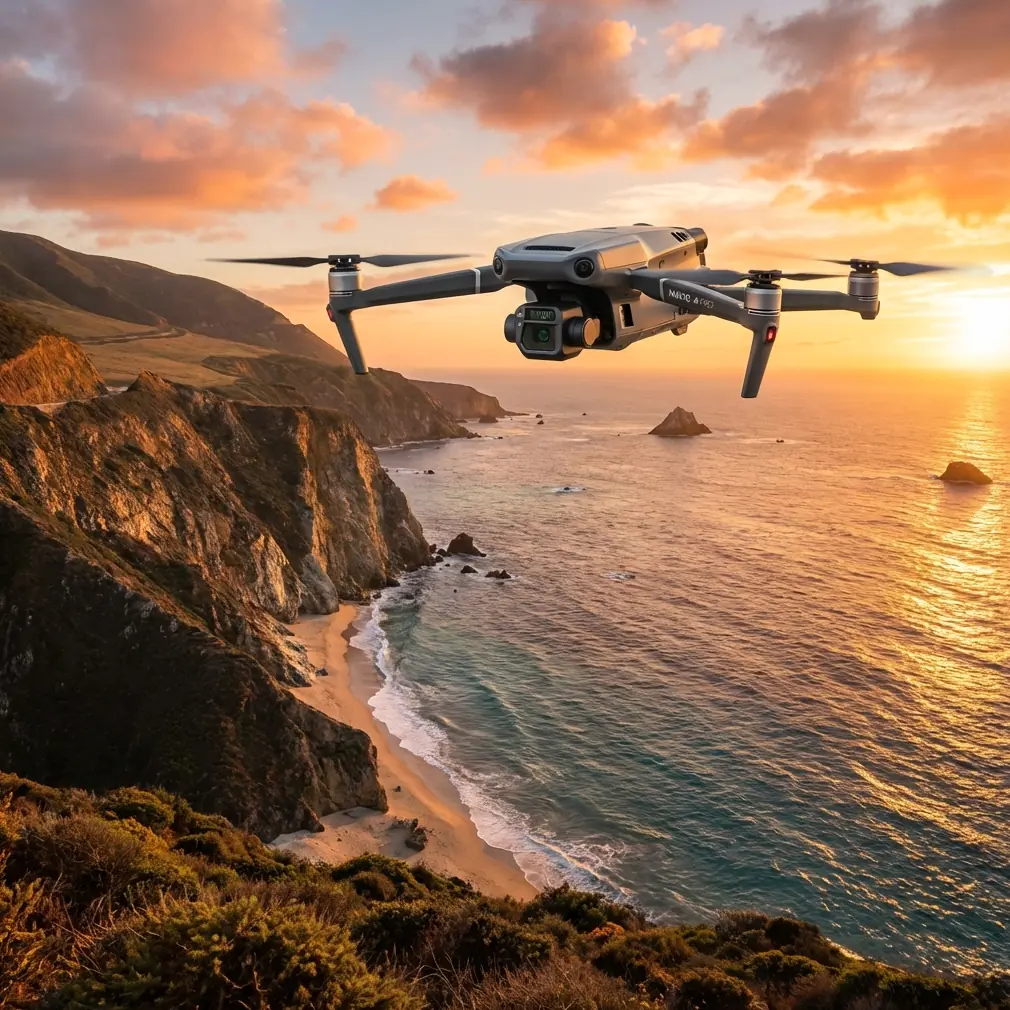
How to Capture Fields with Mavic 3T in Windy Conditions
META: Master agricultural field mapping with Mavic 3T in challenging winds. Expert tips for thermal imaging, flight planning, and battery management for reliable data capture.
TL;DR
- Wind speeds up to 12 m/s are manageable with proper Mavic 3T settings and flight planning adjustments
- Hot-swap batteries between missions to maintain optimal thermal performance and prevent cold-weather capacity loss
- Use GCP placement strategically to ensure photogrammetry accuracy when wind causes slight positional drift
- O3 transmission maintains stable video feed at 15 km range even in turbulent conditions
Wind kills agricultural drone missions faster than any other factor. The Mavic 3T's mechanical shutter and thermal imaging capabilities make it ideal for field capture—but only if you understand how to compensate for challenging conditions. This guide breaks down the exact techniques I've refined over 200+ windy field missions to help you capture usable data when conditions turn difficult.
Understanding Wind's Impact on Field Mapping
Agricultural mapping demands consistency. When wind pushes your Mavic 3T off course—even by centimeters—your photogrammetry stitching suffers. Thermal signature readings become unreliable when the aircraft compensates constantly for gusts.
The Mavic 3T handles wind better than most platforms in its class. Its max wind resistance of 12 m/s provides a solid operational envelope. But hitting that ceiling consistently requires technique, not just trust in specifications.
How Wind Affects Thermal Imaging Quality
Thermal sensors capture radiant temperature differences. Wind introduces three problems:
- Aircraft vibration creates micro-blur in thermal frames
- Rapid altitude changes affect thermal calibration accuracy
- Inconsistent ground speed produces uneven overlap in mapping runs
The mechanical shutter on the wide camera eliminates motion blur for RGB capture. Thermal imaging requires additional compensation through flight speed reduction and overlap adjustment.
Pre-Flight Planning for Windy Conditions
Before launching in wind, your mission planning software needs adjustment. Standard 70% front overlap and 65% side overlap won't cut it when gusts push the aircraft between capture points.
Adjusted Overlap Settings
| Condition | Front Overlap | Side Overlap | Flight Speed |
|---|---|---|---|
| Calm (<5 m/s) | 70% | 65% | 10 m/s |
| Moderate (5-8 m/s) | 75% | 70% | 8 m/s |
| Strong (8-12 m/s) | 80% | 75% | 6 m/s |
Increasing overlap compensates for positional drift between frames. The speed reduction gives the gimbal more time to stabilize between captures.
Expert Insight: Plan your flight lines perpendicular to wind direction when possible. Flying into headwinds and with tailwinds creates more consistent ground speed than fighting crosswinds throughout the mission.
GCP Placement Strategy
Ground Control Points become critical in windy conditions. GPS positioning accuracy degrades when the aircraft fights constant corrections. Strategic GCP placement anchors your photogrammetry processing.
Place GCPs at:
- All four corners of your survey area
- Every 100 meters along the longest axis
- Near any features requiring precise measurement
- At elevation changes within the field
The Mavic 3T's RTK module improves positioning, but GCPs provide verification that wind-induced drift hasn't compromised your dataset.
Battery Management in Challenging Conditions
Here's what most operators learn the hard way: wind drains batteries 30-40% faster than calm conditions. The motors work constantly to maintain position, drawing significantly more current than steady flight.
The Hot-Swap Technique
I keep three batteries in rotation during windy field work. Here's the system that's saved countless missions:
Battery A flies the mission. Battery B stays in an insulated case at body temperature. Battery C charges in the vehicle.
When Battery A lands at 30% remaining (not the usual 20% threshold), I immediately swap to the warm Battery B. Battery A goes into the charger. This rotation ensures every battery launches at optimal temperature with full capacity available.
Pro Tip: Cold batteries lie about their capacity. A battery showing 100% at 10°C might only deliver 70% of its rated capacity. Keeping batteries warm before launch isn't optional in cool, windy conditions—it's essential for mission completion.
Monitoring Power Consumption
The Mavic 3T's telemetry shows real-time power draw. In calm conditions, expect 60-80W during mapping runs. Wind pushes this to 100-120W or higher during gusts.
Watch for:
- Sustained draws above 110W indicating the aircraft is working hard
- Rapid capacity drops suggesting battery temperature issues
- Voltage warnings that appear earlier than expected
Land immediately if power consumption spikes don't correlate with your commanded maneuvers. Unexpected draws often indicate the aircraft fighting wind you can't see from the ground.
Optimizing O3 Transmission in Turbulent Air
The O3 transmission system maintains 1080p/60fps live feed at distances up to 15 km in ideal conditions. Wind doesn't directly affect radio transmission, but it creates situations that stress the link.
Maintaining Signal Integrity
Rapid altitude changes during gusts can temporarily block line-of-sight to the controller. The aircraft's constant repositioning means antenna orientation shifts unpredictably.
Best practices for windy O3 performance:
- Position yourself upwind of the survey area
- Keep the controller antenna oriented toward the aircraft's general position
- Avoid flying behind terrain features that create wind shadows
- Monitor signal strength—drops below 80% warrant repositioning
AES-256 encryption protects your data stream regardless of conditions. Focus on maintaining the physical link rather than worrying about data security during challenging flights.
Thermal Imaging Techniques for Wind
Agricultural thermal surveys reveal irrigation issues, drainage problems, and crop stress invisible to RGB cameras. Wind complicates thermal capture but doesn't prevent useful data collection.
Timing Your Thermal Passes
Thermal signature contrast peaks during specific conditions:
- Early morning (2 hours after sunrise) shows overnight moisture retention
- Late afternoon (2 hours before sunset) reveals heat stress patterns
- Overcast days reduce solar heating interference
Wind actually helps thermal imaging in one way: it prevents localized heat buildup that can mask underlying patterns. Moderate wind creates more uniform surface conditions.
Altitude Considerations
Higher altitude reduces wind impact on the aircraft but decreases thermal resolution. The Mavic 3T's thermal sensor delivers 640×512 resolution—every meter of altitude costs detail.
| Altitude | GSD (Thermal) | Wind Impact | Recommended Use |
|---|---|---|---|
| 30m | 5.2 cm/pixel | High | Detailed crop analysis |
| 60m | 10.4 cm/pixel | Moderate | Field-scale surveys |
| 100m | 17.3 cm/pixel | Lower | Large area screening |
| 120m | 20.8 cm/pixel | Lowest | Initial reconnaissance |
Balance resolution needs against wind conditions. A slightly lower-resolution dataset captured successfully beats a high-resolution mission that fails mid-flight.
BVLOS Considerations for Large Fields
Beyond Visual Line of Sight operations multiply wind risks. You can't see the aircraft's physical response to gusts, making telemetry interpretation critical.
Automated Mission Safeguards
Program conservative return-to-home triggers:
- 35% battery RTH threshold (vs. standard 25%)
- Wind warning automatic pause
- Signal loss immediate RTH rather than hover-and-wait
- Geofence boundaries with 50m buffer from obstacles
The Mavic 3T's obstacle avoidance helps, but wind can push the aircraft into obstacles faster than sensors react. Build margins into every automated parameter.
Common Mistakes to Avoid
Launching at maximum wind tolerance: Just because the Mavic 3T handles 12 m/s doesn't mean you should fly at that limit. Leave margin for gusts that exceed sustained speeds.
Ignoring wind direction changes: Weather shifts during long missions. A headwind on your outbound leg becomes a tailwind returning—plan battery reserves accordingly.
Using standard overlap in wind: Photogrammetry software can't fix gaps caused by wind-induced drift. Increase overlap before launch, not after discovering holes in your dataset.
Forgetting battery temperature: Cold batteries in windy conditions fail faster than any other factor. Warm batteries before every launch.
Flying the same altitude regardless of conditions: Adapt altitude to balance resolution needs against wind intensity. Flexibility produces better results than rigid adherence to standard parameters.
Frequently Asked Questions
Can I fly the Mavic 3T in rain combined with wind?
The Mavic 3T lacks an official IP rating for water resistance. Light drizzle combined with wind creates horizontal water ingress risk through motor vents and gimbal mechanisms. Postpone missions when precipitation combines with wind—the risk to equipment outweighs data collection benefits.
How do I know if wind has compromised my thermal data quality?
Check your thermal imagery for inconsistent temperature readings across uniform surfaces. If a flat, homogeneous field section shows temperature variations exceeding 2°C without visible cause, wind-induced calibration drift likely affected your capture. Re-fly affected sections in calmer conditions.
Should I use Sport mode to fight strong winds?
Sport mode disables obstacle avoidance and increases maximum speed, but it doesn't improve wind resistance. The aircraft's physical limits remain constant regardless of flight mode. Use Normal mode with reduced mission speed for mapping—Sport mode's aggressive responses actually decrease positioning stability for photogrammetry.
Windy conditions test both equipment and operator skill. The Mavic 3T provides the mechanical capability to capture quality field data in challenging weather—your technique determines whether that capability translates to mission success.
Ready for your own Mavic 3T? Contact our team for expert consultation.