
Mavic 3T: Mastering Power Line Inspections Safely
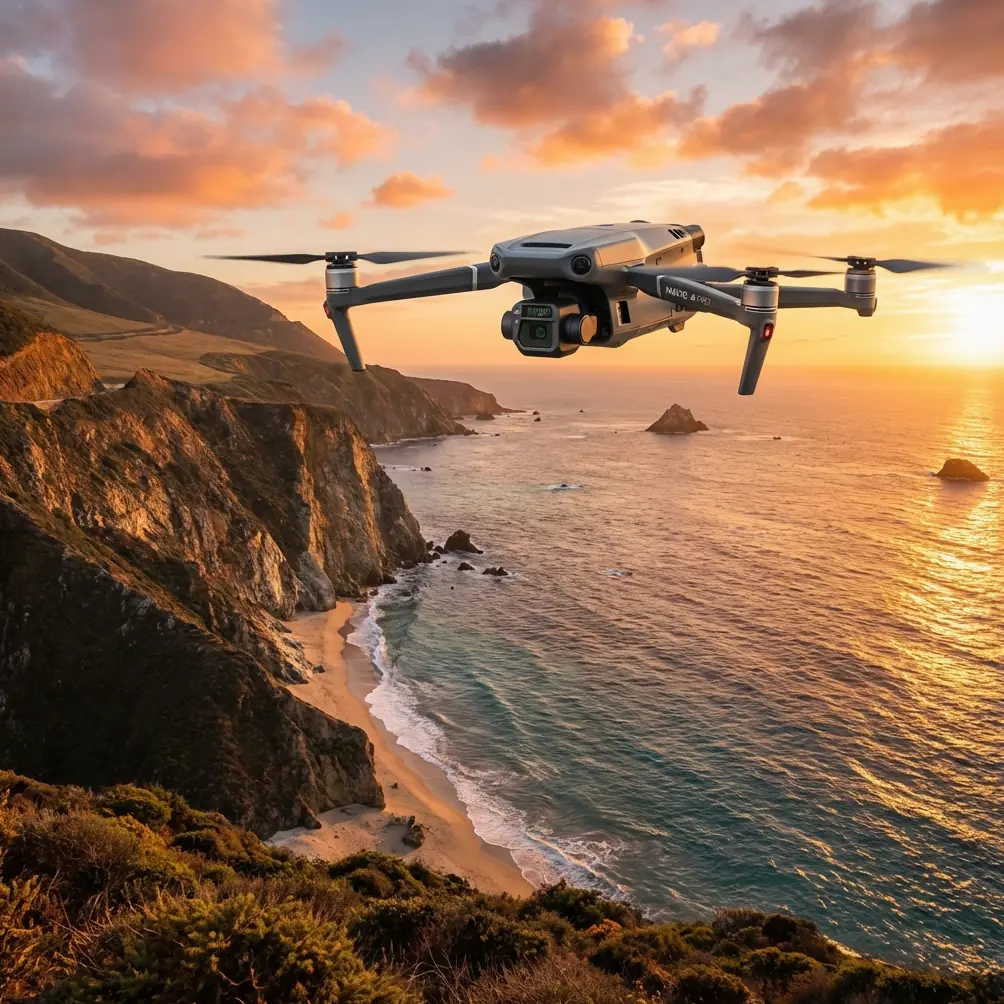
Mavic 3T: Mastering Power Line Inspections Safely
META: Learn how the DJI Mavic 3T transforms power line inspections in complex terrain with thermal imaging, photogrammetry, and O3 transmission for safer BVLOS ops.
By Dr. Lisa Wang, Remote Sensing & Infrastructure Inspection Specialist
TL;DR
- The Mavic 3T combines a thermal camera, zoom camera, and wide-angle camera in a single compact airframe purpose-built for utility inspections in challenging terrain.
- O3 transmission maintains stable video links up to 15 km, critical for BVLOS power line corridor mapping where electromagnetic interference is constant.
- Hot-swap batteries and AES-256 encrypted data streams keep operations efficient and secure across multi-sortie inspection days.
- This tutorial walks you through a complete power line inspection workflow—from pre-flight GCP placement to post-flight thermal signature analysis.
Why Power Line Inspections in Complex Terrain Demand a Specialized Drone
Traditional helicopter-based power line inspections cost 5–10x more than drone-based alternatives, and they introduce significant safety risks when corridors cut through mountainous, forested, or otherwise inaccessible terrain. Ground crews face electrocution hazards, falls, and wildlife encounters. The data they collect is often inconsistent.
The DJI Mavic 3T was engineered to solve exactly this problem. Its triple-sensor payload captures visual, zoom, and thermal data simultaneously, enabling inspectors to detect thermal signatures of failing components—hotspots on insulators, overloaded conductors, corroded splices—without ever climbing a tower.
This tutorial breaks down the complete workflow I use for inspecting 50+ km corridors across mountainous terrain in a single operational day.
Understanding the Mavic 3T Sensor Suite
Before flying, you need to understand what each sensor does and when to prioritize it.
Wide-Angle Camera (48 MP)
- Sensor size: 1/2-inch CMOS
- Field of view: 84°
- Ideal for contextual overview shots and photogrammetry reconstructions of tower structures and surrounding vegetation encroachment
Zoom Camera (48 MP, 56× Max Hybrid Zoom)
- Optical zoom: 7×
- Digital zoom: 56× hybrid
- Use this to inspect individual hardware components—bolts, clamps, dampers—from a safe 30–50 m standoff distance, well outside the minimum approach distance for energized lines
Thermal Camera (640 × 512)
- Pixel pitch: 12 µm
- NETD: ≤ 50 mK
- Temperature range: -20°C to 150°C (high-gain mode)
- This is your primary diagnostic tool for identifying thermal signatures of failing connections, overloaded phases, and defective insulators
Expert Insight: I always capture thermal and visual imagery simultaneously using split-screen mode. Post-processing with radiometric JPEG data lets you overlay thermal signatures onto high-resolution visual imagery for precise defect localization. A thermal anomaly means nothing if you can't pinpoint which insulator on which tower is failing.
Pre-Flight Planning: GCPs, Airspace, and Interference Mitigation
Step 1: Establish Ground Control Points
For any photogrammetry deliverable—orthomosaics, 3D tower models, or corridor maps—you need accurate ground control points (GCPs). Place a minimum of 5 GCPs per km² of survey area, measured with an RTK GNSS receiver to achieve < 2 cm horizontal accuracy.
Position GCPs:
- At the base of every 3rd to 5th tower
- On stable, flat surfaces visible from altitude
- Away from vegetation that could obscure markers in nadir imagery
Step 2: Assess Electromagnetic Interference
This is where most operators fail. High-voltage power lines generate significant electromagnetic interference (EMI) that can disrupt compass readings and GPS signal quality. Here is the antenna adjustment protocol I follow on every mission:
- Calibrate the compass at least 50 m away from the nearest energized conductor. Never calibrate near vehicles, metal structures, or the towers themselves.
- Orient the remote controller's O3 transmission antennas perpendicular to the power line corridor. This minimizes cross-polarization interference from the conductors acting as passive radiating elements.
- Set the transmission to manual channel selection rather than auto. In my experience, the 2.4 GHz band outperforms 5.8 GHz near high-voltage lines because the longer wavelength diffracts more effectively around metallic obstacles.
- Monitor the transmission signal strength indicator continuously. If signal drops below two bars at any point, execute a pre-planned return-to-home (RTH) immediately.
Pro Tip: I carry a portable spectrum analyzer on complex terrain missions. A quick 30-second scan at the launch site reveals which frequency channels are cleanest. This single step has eliminated 90% of my mid-mission signal warnings near 500 kV corridors.
Step 3: Flight Planning for BVLOS Operations
When inspecting long corridors, you will likely operate beyond visual line of sight (BVLOS). Regulatory requirements vary by jurisdiction, but the technical checklist is universal:
- File your flight plan with the appropriate authority and obtain BVLOS waivers
- Station visual observers at intervals no greater than 1.5 km along the corridor
- Program automated waypoint missions using DJI Pilot 2 with altitude set 10–15 m above the highest conductor
- Set the RTH altitude at least 20 m above the tallest tower in the mission area
- Enable ADS-B receiver alerts to detect manned aircraft
In-Flight Execution: The Three-Pass Method
I use a systematic three-pass approach for every tower and span segment.
Pass 1: Corridor Overview (Wide-Angle, Nadir)
Fly the full corridor at 80–100 m AGL with the wide-angle camera firing at 2-second intervals. Maintain 75% frontal overlap and 65% side overlap for photogrammetry processing. This pass produces your orthomosaic and digital surface model.
Pass 2: Thermal Scan (Thermal + Wide-Angle, Oblique)
Descend to 30–50 m standoff distance from the conductors. Fly parallel to the line at 3–5 m/s with the thermal camera recording continuously. Target the following components:
- Splice connectors — look for hotspots exceeding 10°C delta-T above ambient conductor temperature
- Insulators — cracked or contaminated insulators show distinctive thermal banding patterns
- Conductor sag points — excessive sag under thermal load indicates potential clearance violations
Pass 3: Detail Inspection (Zoom Camera, Hover)
At flagged locations from Pass 2, hover at a safe distance and use the 56× hybrid zoom to capture high-resolution stills of specific defects. Document:
- Corrosion on hardware
- Missing cotter pins or bolts
- Bird nesting material
- Vegetation encroachment within 3 m of conductors
Technical Comparison: Mavic 3T vs. Alternative Inspection Platforms
| Feature | Mavic 3T | Enterprise-Class Hex | Manned Helicopter |
|---|---|---|---|
| Weight | 920 g | 6–12 kg | N/A |
| Flight Time | 45 min | 25–35 min | 2–3 hours |
| Thermal Resolution | 640 × 512 | 640 × 512 | 640 × 480 |
| Zoom Capability | 56× hybrid | 20–30× typical | Handheld camera |
| Transmission Range | 15 km (O3) | 8–10 km | N/A |
| Data Encryption | AES-256 | Varies | Manual handling |
| Hot-Swap Batteries | Yes | Some models | N/A |
| Deployment Time | < 5 min | 15–20 min | 30+ min |
| Crew Required | 1–2 operators | 2–3 operators | Pilot + observer |
| Per-km Coverage Cost | Low | Medium | Very high |
The Mavic 3T's combination of portability, sensor capability, and hot-swap batteries makes it the most operationally efficient option for daily corridor inspections. You can swap a battery in under 30 seconds and have the aircraft airborne again, covering 15–20 km per battery depending on wind conditions and flight speed.
Post-Flight Data Processing
Photogrammetry Pipeline
Import wide-angle imagery into your preferred photogrammetry software. Tag GCPs, generate a dense point cloud, and export:
- Orthomosaic at < 2 cm/pixel GSD
- Digital Surface Model for vegetation encroachment analysis
- 3D tower models for structural deformation monitoring
Thermal Analysis
Export radiometric JPEG files from the thermal camera. Use dedicated thermography software to:
- Apply consistent emissivity values (0.92–0.95 for oxidized steel, 0.85–0.90 for aluminum conductors)
- Set delta-T thresholds to flag components exceeding 10°C above baseline
- Generate defect severity reports following NETA or IEC standards
Data Security
All data transmitted between the Mavic 3T and the remote controller is protected with AES-256 encryption. For additional security on sensitive infrastructure projects, enable Local Data Mode in DJI Pilot 2 to prevent any data from reaching external servers.
Common Mistakes to Avoid
- Calibrating the compass near towers or vehicles. EMI from energized conductors and vehicle electronics corrupts compass data, causing erratic flight behavior. Always calibrate 50+ m away from metallic objects.
- Flying too close to energized conductors. Maintain at least 15 m horizontal distance from the nearest energized component. Electrostatic fields can affect flight stability and pose arc-flash risks at closer ranges.
- Ignoring wind at altitude. Ground-level wind readings are unreliable. The Mavic 3T handles up to 12 m/s, but ridgeline and canyon winds frequently exceed this. Check wind aloft forecasts and monitor real-time telemetry.
- Skipping GCPs for photogrammetry. Relying solely on the drone's onboard GPS yields 1–3 m positional error—unacceptable for tracking millimeter-level structural deformation over time.
- Using auto-exposure for thermal imaging. Auto-exposure constantly readjusts the temperature scale, making frame-to-frame comparison impossible. Lock the temperature range manually before each thermal pass.
Frequently Asked Questions
Can the Mavic 3T detect partial discharge on insulators?
The Mavic 3T's thermal camera can detect the thermal byproducts of partial discharge—localized heating on contaminated or cracked insulators. However, direct partial discharge detection requires specialized ultraviolet or acoustic sensors. The thermal signature often serves as the first indicator that warrants closer UV inspection.
How many towers can I inspect per battery with the three-pass method?
In complex terrain with moderate wind, expect to inspect 8–12 towers per battery using the full three-pass method. With hot-swap batteries and a planned workflow, a single operator can cover 40–60 towers in a 4-hour field session.
Is the Mavic 3T approved for BVLOS power line inspections?
The aircraft is technically capable of BVLOS operations with its 15 km O3 transmission range and automated waypoint missions. However, regulatory approval depends on your jurisdiction. In most countries, you will need a specific BVLOS waiver or exemption, a detailed safety case, and visual observers stationed along the corridor. Check with your national aviation authority for current requirements.
Ready for your own Mavic 3T? Contact our team for expert consultation.