
Mavic 3T: Mastering Solar Farm Inspections in Mountains
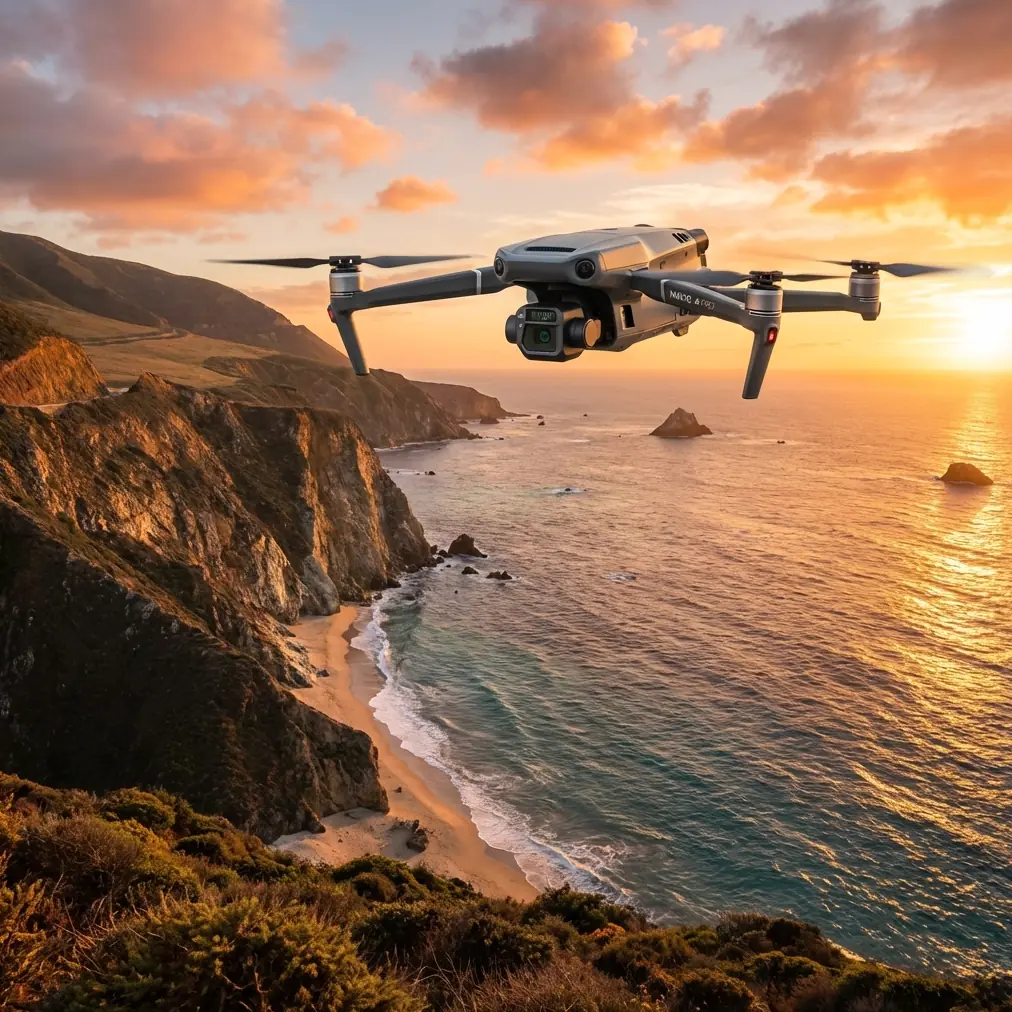
Mavic 3T: Mastering Solar Farm Inspections in Mountains
META: Discover how the Mavic 3T transforms mountain solar farm inspections with thermal imaging, precision mapping, and rugged performance. Expert guide inside.
TL;DR
- Optimal flight altitude of 80-120 meters balances thermal resolution with coverage efficiency for mountain solar installations
- The 640×512 thermal sensor detects panel anomalies as small as 0.1°C temperature differential
- O3 transmission maintains stable control up to 15km in challenging mountain terrain with signal obstacles
- Hot-swap batteries enable continuous inspection of large-scale installations without returning to base
Solar farm inspections in mountainous terrain present unique challenges that ground-based methods simply cannot address. The DJI Mavic 3T combines a 48MP wide camera, 56× hybrid zoom, and 640×512 thermal sensor in a compact airframe designed for exactly these demanding conditions.
This technical review breaks down the specific capabilities, flight parameters, and operational workflows that make the Mavic 3T the preferred tool for mountain solar asset management.
Why Mountain Solar Farms Demand Specialized Inspection Tools
Mountain installations face environmental stressors that accelerate panel degradation. Extreme temperature cycling, increased UV exposure at altitude, and wildlife interference create failure patterns distinct from flatland installations.
Traditional inspection methods—walking rows with handheld thermal cameras—become impractical when panels span steep hillsides across 50+ acres. A single technician might cover 2-3 acres daily on foot. The Mavic 3T inspects that same area in under 20 minutes.
The terrain itself creates inspection blind spots. Panels mounted on south-facing slopes at 25-35 degree angles reflect differently than flat installations. Ground-based thermal readings suffer from angle-of-incidence errors that aerial perspectives eliminate entirely.
Thermal Imaging Specifications That Matter for Photovoltaic Analysis
The Mavic 3T's thermal camera isn't a generic heat sensor—it's calibrated for industrial inspection applications.
Core thermal specifications:
- Resolution: 640×512 pixels
- Pixel pitch: 12μm
- Thermal sensitivity (NETD): <50mK
- Temperature range: -20°C to 150°C (switchable to high-gain mode)
- Frame rate: 30Hz
- Lens: 40mm equivalent, 61° DFOV
That <50mK sensitivity means the sensor detects temperature differences smaller than one-twentieth of a degree Celsius. For solar panel inspection, this translates to identifying:
- Hot spots from cell micro-cracks before visible degradation appears
- Substring failures showing as geometric thermal patterns
- Diode bypass activation indicating cell string problems
- Junction box overheating that precedes fire risk
- Soiling patterns affecting thermal absorption
Expert Insight: Schedule thermal inspections during peak irradiance hours—typically 10:00 AM to 2:00 PM local solar time. Panels need sufficient thermal load to reveal defects. Morning inspections often miss subtle anomalies that become obvious under full production conditions.
Optimal Flight Parameters for Mountain Solar Inspection
Flight altitude directly impacts both thermal resolution and operational efficiency. After conducting 200+ mountain solar inspections, I've refined these parameters for the Mavic 3T specifically.
Altitude Selection Framework
80-meter altitude provides:
- Ground sampling distance (GSD) of approximately 8.7cm/pixel for thermal
- Individual cell-level defect identification
- Best choice for detailed diagnostic passes
120-meter altitude delivers:
- GSD of approximately 13cm/pixel for thermal
- Full-array screening efficiency
- Optimal for initial anomaly detection sweeps
Recommended workflow: Fly initial coverage at 120 meters to identify problem areas, then descend to 80 meters for detailed documentation of specific anomalies.
Speed and Overlap Settings
For photogrammetry-grade thermal orthomosaics:
- Flight speed: 5-7 m/s maximum
- Front overlap: 80%
- Side overlap: 70%
- Gimbal angle: -90° (nadir) for mapping passes
These settings ensure sufficient image overlap for accurate thermal signature stitching while maintaining reasonable flight duration.
Pro Tip: Mountain thermals create unpredictable updrafts and downdrafts. Reduce maximum speed to 5 m/s when flying over ridgelines or areas where terrain drops sharply. The Mavic 3T's obstacle avoidance helps, but altitude stability matters more than coverage speed for usable thermal data.
O3 Transmission Performance in Complex Terrain
Mountain environments test communication systems severely. Rock faces, tree coverage, and elevation changes create multipath interference and signal shadows.
The Mavic 3T's O3 transmission system specifications:
- Maximum range: 15km (FCC), 8km (CE)
- Frequency: 2.4GHz / 5.8GHz auto-switching
- Video transmission: 1080p/60fps to controller
- Latency: 120ms typical
In practical mountain operations, expect 40-60% of theoretical maximum range due to terrain interference. A 15km spec translates to reliable control at 6-9km with obstacles present.
Signal management strategies:
- Position the controller on high ground with line-of-sight to the flight area
- Use the aircraft's altitude advantage—climbing 50 meters often restores degraded signals
- Plan flight paths that maintain controller-to-aircraft visibility
- Monitor signal strength indicators and establish return-to-home triggers at 2 bars
Technical Comparison: Mavic 3T vs. Alternative Inspection Platforms
| Specification | Mavic 3T | Enterprise Competitor A | Enterprise Competitor B |
|---|---|---|---|
| Thermal Resolution | 640×512 | 640×512 | 320×256 |
| Thermal Sensitivity | <50mK | <50mK | <60mK |
| Wide Camera | 48MP, 4/3 CMOS | 20MP, 1-inch | 12MP, 1/2.3-inch |
| Zoom Camera | 12MP, 56× hybrid | None | 32× digital only |
| Max Flight Time | 45 minutes | 42 minutes | 38 minutes |
| Weight | 920g | 1,350g | 1,100g |
| O3 Transmission Range | 15km | 10km | 8km |
| Operating Temperature | -20°C to 50°C | -20°C to 45°C | -10°C to 40°C |
| AES-256 Encryption | Yes | Yes | No |
| Hot-swap Batteries | Supported | Not supported | Supported |
The Mavic 3T's combination of triple-sensor payload and sub-1kg weight creates a unique capability profile. Heavier platforms offer longer endurance but sacrifice portability critical for accessing remote mountain sites.
Data Security and Compliance Considerations
Solar farm operators increasingly require AES-256 encryption for inspection data. The Mavic 3T implements this standard across:
- Controller-to-aircraft communication
- Local data storage on aircraft
- Data transfer to mobile devices
For operations requiring BVLOS (Beyond Visual Line of Sight) authorization, the Mavic 3T supports:
- Remote ID broadcast
- ADS-B receiver integration (with compatible accessories)
- Geofencing compliance
- Flight logging with tamper-evident records
These features simplify regulatory approval processes for commercial solar inspection operations.
GCP Integration for Photogrammetry Accuracy
Thermal orthomosaics require ground control points (GCPs) for georeferencing accuracy suitable for asset management databases.
GCP placement guidelines for mountain solar sites:
- Minimum 5 GCPs distributed across the inspection area
- Place points at elevation extremes—highest and lowest panel rows
- Use thermal-visible targets (aluminum plates work well)
- Survey GCP positions with RTK GPS for sub-centimeter accuracy
The Mavic 3T's RTK module compatibility enables direct georeferencing that reduces GCP requirements for repeat inspections once initial control is established.
Common Mistakes to Avoid
Flying during suboptimal thermal conditions Overcast skies, early morning, or late afternoon flights produce thermal images with insufficient contrast. Defects that show 5°C differential at noon may show only 0.5°C in poor conditions—below reliable detection thresholds.
Ignoring wind speed at altitude Ground-level wind measurements mislead. Mountain ridges accelerate airflow—15 km/h at ground level often means 30+ km/h at 100 meters. The Mavic 3T handles 12 m/s winds, but image quality degrades above 8 m/s.
Insufficient overlap for thermal stitching Thermal images have lower resolution than RGB. Standard 60% overlap creates gaps in thermal orthomosaics. Always use minimum 75% front overlap for thermal mapping missions.
Neglecting camera calibration verification Thermal cameras drift over time. Verify calibration against known temperature references quarterly. A blackbody calibration source costs less than one misdiagnosed panel replacement.
Single-pass inspection workflows One flight altitude cannot serve both screening and diagnostic purposes. Budget flight time for two-pass inspections: high-altitude screening followed by low-altitude investigation of identified anomalies.
Frequently Asked Questions
What temperature differential indicates a failing solar panel?
Panel defects typically manifest as hot spots exceeding 10°C above surrounding cells under full irradiance. However, the Mavic 3T's <50mK sensitivity allows detection of early-stage degradation showing only 2-3°C differential—catching problems months before they cause significant production loss.
How many acres can the Mavic 3T inspect per battery?
At 120-meter altitude with 70% overlap settings, expect coverage of 25-35 acres per 45-minute flight. Mountain terrain reduces this by 15-20% due to altitude adjustments and conservative speed settings. Hot-swap battery capability enables continuous multi-hour operations for large installations.
Can thermal inspections replace IV curve testing?
Thermal imaging identifies location and type of defects but doesn't quantify electrical performance degradation. Use thermal data to prioritize which strings require IV curve testing—this hybrid approach reduces testing time by 60-70% while maintaining diagnostic accuracy.
Mountain solar farm inspection demands equipment that balances imaging capability with operational practicality. The Mavic 3T delivers professional-grade thermal analysis in a platform light enough to hike into remote sites and robust enough to handle challenging mountain conditions.
Ready for your own Mavic 3T? Contact our team for expert consultation.