
How to Capture Stunning Venue Footage with Mavic 3T
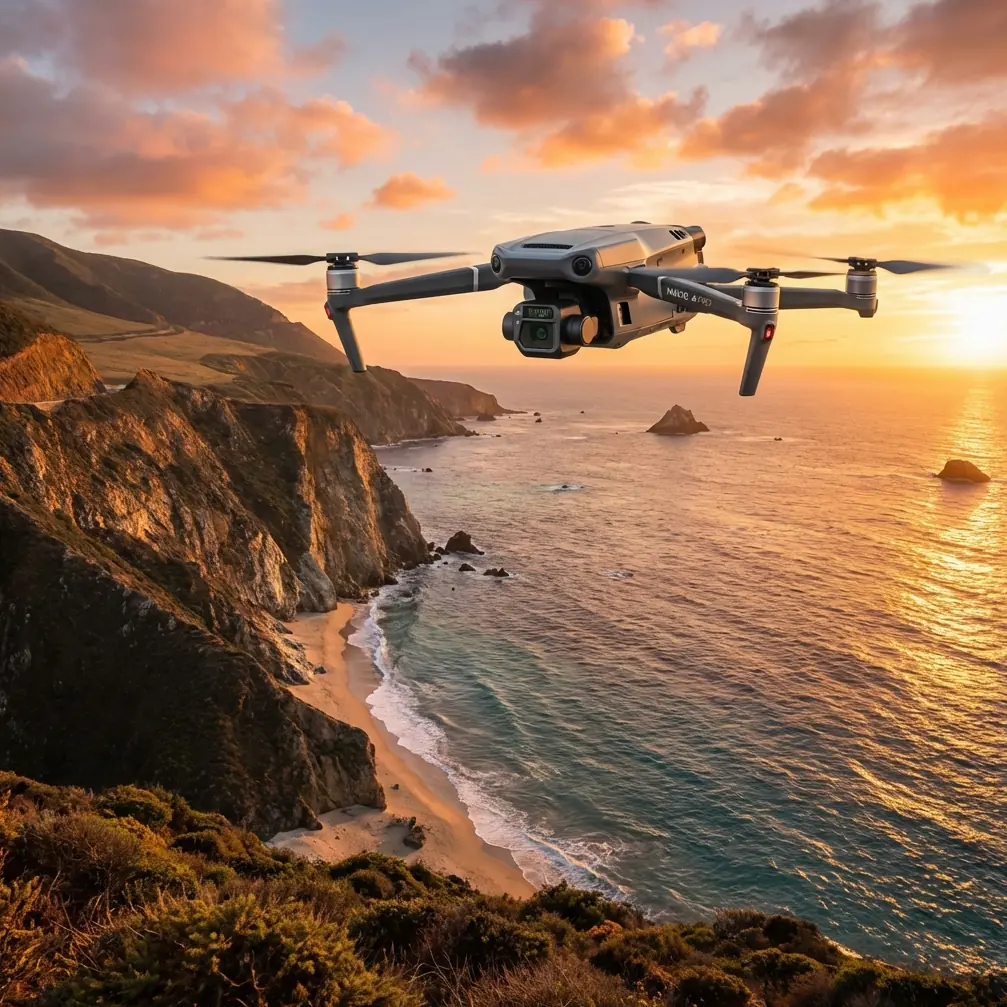
How to Capture Stunning Venue Footage with Mavic 3T
META: Master low-light venue capture with the Mavic 3T's thermal imaging and wide aperture. Expert techniques for professional event and architectural footage.
TL;DR
- f/2.8 wide aperture and 1/2-inch CMOS sensor enable clean footage in challenging venue lighting conditions
- Thermal imaging reveals hidden structural details and crowd heat patterns invisible to standard cameras
- O3 transmission maintains 15km range with stable video feed through concrete and steel structures
- Split-screen thermal/visual mode captures comprehensive venue documentation in a single flight
The Low-Light Venue Challenge Every Pilot Faces
Venue capture after sunset separates amateur drone footage from professional-grade deliverables. Concert halls, stadiums, and architectural landmarks present unique challenges: mixed artificial lighting, deep shadows, and reflective surfaces that confuse standard drone cameras.
The Mavic 3T addresses these obstacles with a sensor architecture designed for exactly these conditions. Where competitors like the Autel EVO II Pro struggle with noise above ISO 3200, the Mavic 3T maintains usable footage at ISO 12800—a critical advantage when stadium lights create extreme contrast ratios.
This guide breaks down the exact settings, flight patterns, and techniques that transform difficult venue shoots into portfolio-worthy content.
Understanding the Mavic 3T's Low-Light Arsenal
The Triple-Sensor Advantage
Most enterprise drones force you to choose between visual quality and thermal capability. The Mavic 3T eliminates this compromise with three synchronized sensors:
- Wide camera: 1/2-inch CMOS, 48MP, f/2.8 aperture
- Zoom camera: 1/2-inch CMOS, 12MP, 56x hybrid zoom
- Thermal camera: 640×512 resolution, uncooled VOx microbolometer
The wide camera's f/2.8 aperture gathers 2.3x more light than the f/4.0 lenses found on consumer-grade alternatives. This translates directly to cleaner shadows and reduced noise in venue environments where you can't control lighting.
Why Thermal Imaging Transforms Venue Work
Thermal signature detection isn't just for search and rescue. In venue capture, it reveals:
- HVAC system efficiency and airflow patterns
- Electrical hotspots in aging infrastructure
- Crowd density mapping for event planning
- Structural thermal bridging in architectural surveys
Expert Insight: When documenting historic venues, thermal imaging often reveals original architectural features hidden beneath modern renovations. I've discovered sealed windows, former doorways, and even hidden rooms by mapping temperature differentials across facade surfaces.
Pre-Flight Configuration for Venue Success
Camera Settings That Actually Work
Forget auto mode. Venue lighting demands manual control:
For mixed artificial lighting:
- Shutter speed: 1/50 (matches most venue lighting flicker)
- ISO: Start at 800, increase as needed
- White balance: 4000K for tungsten-heavy venues, 5600K for LED-dominant spaces
- Color profile: D-Log for maximum post-production flexibility
For thermal capture:
- Palette: White Hot for structural analysis, Ironbow for heat mapping
- Gain mode: High for indoor venues below 25°C
- Isotherm: Enable for specific temperature range highlighting
GCP Placement for Photogrammetry Accuracy
Ground Control Points become critical when your venue footage feeds into 3D modeling workflows. The Mavic 3T's centimeter-level RTK positioning (with the RTK module) reduces GCP requirements, but strategic placement still matters:
- Minimum 5 GCPs for venues under 10,000 square meters
- Place points at elevation changes (stage risers, balcony edges)
- Avoid reflective surfaces that confuse both visual and thermal sensors
- Document GCP coordinates before flight—venue access often becomes restricted once events begin
Flight Patterns That Maximize Coverage
The Perimeter-to-Center Approach
Standard grid patterns waste battery on venue shoots. Instead, use this three-phase approach:
Phase 1: Perimeter Documentation (40% of flight time)
- Orbit the venue exterior at 45-degree gimbal angle
- Maintain 15-20 meter standoff distance
- Capture all four cardinal orientations
Phase 2: Elevation Mapping (30% of flight time)
- Ascend in 10-meter increments
- Pause for 3-second stabilized shots at each level
- Enable split-screen mode for simultaneous thermal/visual recording
Phase 3: Detail Capture (30% of flight time)
- Use 56x hybrid zoom for signage, structural details, architectural features
- Switch to thermal for mechanical system documentation
- Reserve 20% battery for unexpected opportunities
Pro Tip: Hot-swap batteries between phases rather than rushing through all three on a single charge. The Mavic 3T's 46-minute flight time is impressive, but venue shoots benefit from deliberate pacing over continuous coverage.
Technical Comparison: Mavic 3T vs. Competing Enterprise Platforms
| Feature | Mavic 3T | Autel EVO II Dual 640T | Skydio X2E |
|---|---|---|---|
| Thermal Resolution | 640×512 | 640×512 | 320×256 |
| Wide Camera Aperture | f/2.8 | f/1.8 | f/2.8 |
| Max Flight Time | 46 min | 42 min | 35 min |
| Transmission Range | 15km (O3) | 9km | 6km |
| Weight | 920g | 1191g | 1250g |
| Encryption | AES-256 | AES-128 | AES-256 |
| Zoom Capability | 56x hybrid | 32x hybrid | 20x digital |
The Mavic 3T's combination of lighter weight and longer range makes it particularly suited for indoor venue work where maneuverability matters and signal penetration through structures challenges lesser transmission systems.
Navigating BVLOS Considerations for Large Venues
Beyond Visual Line of Sight operations open possibilities for comprehensive venue documentation, but regulatory compliance requires careful planning.
For venues exceeding visual range:
- File appropriate waivers 90 days minimum before scheduled shoots
- Establish visual observer positions at 500-meter intervals
- Configure the Mavic 3T's AES-256 encrypted datalink for secure transmission
- Document all flight telemetry for post-operation compliance verification
The O3 transmission system maintains 1080p/30fps live feed at distances where competing systems drop to unusable quality. This matters when your visual observers need clear reference imagery to maintain situational awareness.
Post-Processing Workflow for Venue Footage
Thermal Data Integration
Raw thermal footage requires calibration before meaningful analysis:
- Export in RJPEG format to preserve radiometric data
- Apply atmospheric correction based on venue humidity levels
- Calibrate emissivity values for specific materials (glass: 0.92, concrete: 0.95, metal: 0.15-0.90 depending on finish)
- Generate temperature gradient overlays for client deliverables
Visual Footage Color Grading
D-Log footage from venue shoots needs careful handling:
- Apply DJI LUT as starting point
- Reduce highlights by 15-20% to recover blown artificial lights
- Lift shadows selectively—not globally—to preserve intentional darkness
- Match thermal and visual color temperatures for split-screen presentations
Common Mistakes to Avoid
Flying too fast for sensor capability: The Mavic 3T's thermal sensor needs 2-3 seconds of stable hovering to produce accurate temperature readings. Racing through venues produces blurry thermal data useless for analysis.
Ignoring venue-specific radio interference: Concert halls and stadiums contain massive amounts of wireless equipment. Always perform a spectrum scan before flight and configure the Mavic 3T to avoid congested frequencies.
Underestimating indoor GPS challenges: Venue interiors often lack GPS signal. Practice ATTI mode flight before attempting indoor venue work—the Mavic 3T's downward vision sensors help, but pilot skill remains essential.
Neglecting thermal calibration: The uncooled VOx sensor requires flat field correction every 10-15 minutes during extended flights. Enable automatic calibration or manually trigger it between flight phases.
Forgetting about reflective surfaces: Glass facades, polished floors, and metallic architectural elements create both visual and thermal artifacts. Plan flight paths that minimize direct reflection angles.
Frequently Asked Questions
Can the Mavic 3T capture usable footage inside completely dark venues?
The thermal sensor operates independently of visible light, producing clear imagery in total darkness. The visual camera requires some ambient light—even minimal emergency exit lighting provides enough illumination at ISO 6400-12800 for documentary-quality footage.
How does O3 transmission perform inside steel-framed buildings?
O3 transmission penetrates structural materials better than competing systems, maintaining stable connection through multiple concrete floors and steel reinforcement. Expect approximately 30% range reduction compared to open-air specifications, still providing several kilometers of reliable coverage for most venue applications.
What's the minimum safe distance for thermal imaging of occupied venues?
Thermal imaging from 20+ meters produces accurate crowd density data without individual identification concerns. For detailed structural analysis, 5-10 meter distances provide optimal resolution while maintaining safe separation from venue surfaces and occupants.
About the Author: James Mitchell brings over a decade of commercial drone operations experience, specializing in enterprise inspection and architectural documentation across challenging environments.
Ready for your own Mavic 3T? Contact our team for expert consultation.