
Mavic 3T for Coastal Vineyards: A Practical Field Workflow
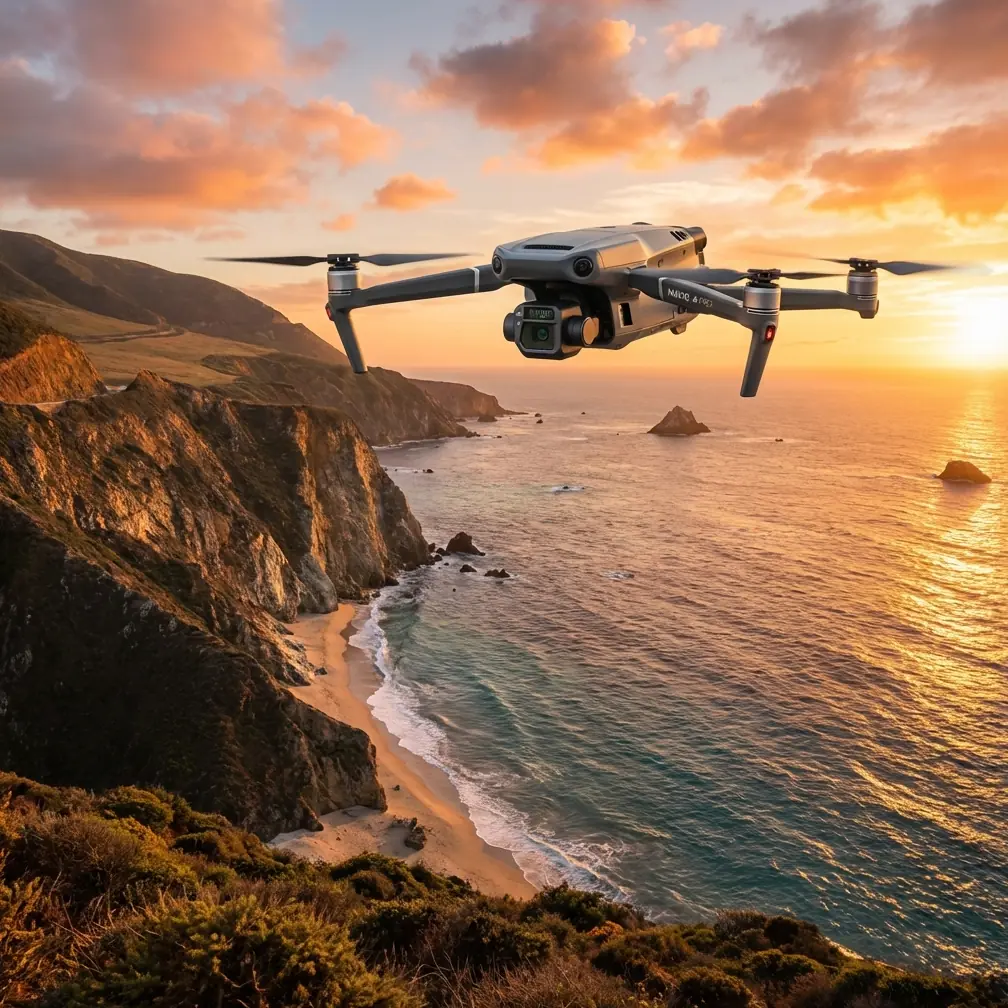
Mavic 3T for Coastal Vineyards: A Practical Field Workflow That Actually Works
META: Expert how-to on using the DJI Mavic 3T for coastal vineyard work, including thermal timing, photogrammetry, GCP setup, O3 transmission limits, and field-ready accessories.
Coastal vineyards are visually beautiful and operationally awkward. Salt air, uneven light, marine fog, wind shear off the slope, and narrow access roads turn a simple drone mission into a planning exercise. That is exactly where the Mavic 3T starts to make sense. Not because it is the biggest aircraft in the category, and not because it promises miracles, but because it combines speed, thermal utility, and field practicality in a package a vineyard team can actually deploy without rebuilding the entire workflow.
If your goal is to capture a coastal vineyard properly, the first question is not whether the Mavic 3T can fly the mission. It can. The better question is what kind of data you need from that mission, and how to structure the flight so the aircraft’s strengths matter in real conditions.
For coastal vineyard operations, the Mavic 3T is at its best when one flight plan serves two parallel purposes: visual documentation for canopy condition and terrain context, and thermal review for spotting irrigation irregularities, drainage issues, blocked emitters, stress patterns, or equipment anomalies around pumps and utility runs. That dual role is where this aircraft earns its place.
Why the Mavic 3T fits this environment
The Mavic 3T is often discussed as a thermal drone in broad terms, but that description is too flat for vineyard work. In a coastal setting, you rarely get clean, static environmental conditions. Air temperature shifts quickly. Moisture hangs in pockets. Sun angle changes fast, especially on rows facing mixed terrain or ocean exposure. A drone that lets you pivot between visible imaging and thermal signature assessment without changing platforms saves time, but more importantly, it preserves consistency. You are comparing the same block, from the same mission window, from the same aircraft position logic.
That matters more than people think.
A weak vineyard drone workflow usually fails at the comparison stage. The RGB survey happens on one day. Thermal is attempted later under completely different weather conditions. Then someone tries to draw conclusions from mismatched data. The Mavic 3T reduces that problem because it is built to capture both operational perspectives in a single field session.
Its O3 transmission system is also especially relevant in coastal terrain. On paper, transmission specs always look generous. In real vineyard work, rows, elevation changes, cypress windbreaks, utility structures, and terrain folds interfere with signal quality long before a brochure number feels real. O3 helps maintain a more stable live view when flying over broken topography or along long row corridors. That does not remove line-of-sight discipline, and it does not turn a mission into a casual BVLOS exercise, but it does improve confidence when you need accurate framing and thermal confirmation near the far end of a block.
For operators handling sensitive mapping data or estate infrastructure imagery, the mention of AES-256 is not a technical footnote. It has operational significance. Coastal wineries often treat block layouts, irrigation routes, and facility imaging as sensitive internal information. If your workflow includes transferring mission data across teams, storing reports offsite, or sharing findings with agronomy and management staff, secure handling is not a luxury. It is part of professional practice.
Start with the mission goal, not the camera menu
Before you launch, define which of these four outcomes matters most:
- Canopy variability mapping
- Irrigation or drainage problem detection
- Terrain and row geometry documentation for photogrammetry
- Asset inspection around the vineyard, such as pumps, tanks, solar arrays, or outbuildings
The mistake I see most often is trying to capture everything at once with one flight profile. Coastal vineyards punish that approach. Wind and glare alone will reduce consistency if you are improvising altitude and camera angle on the fly.
For the Mavic 3T, build separate mission logic even if you fly them back-to-back.
A thermal mission should be designed around thermal contrast, not aesthetics. A photogrammetry mission should be designed around overlap, geometry, and ground control, not speed. Those are different jobs.
The right time to capture thermal signature in vineyards
Thermal work in vineyards is easy to misunderstand because healthy plants and stressed plants do not announce themselves in a simple, universal pattern. Temperature differences are influenced by moisture availability, canopy density, recent irrigation, soil variability, and the timing of solar loading.
In coastal conditions, the best thermal signature often appears during transition windows rather than midday. Early morning can reveal retained moisture differences and overnight cooling behavior. Late afternoon can highlight heat retention patterns in stressed zones, bare patches, compacted lanes, and infrastructure.
The Mavic 3T helps here because it gives you rapid deployment. You do not need a heavy setup to catch a narrow weather window before fog burns off or wind strengthens. That speed is not just convenient. It can determine whether the data is usable.
If you are looking for blocked irrigation lines or uneven water delivery, fly one thermal mission shortly before sunrise or just after first light, then compare that against a later RGB pass. If your concern is vine stress after a warm day, schedule the thermal pass during the late-day cooling period when different blocks release heat unevenly.
This is where a concrete workflow matters more than raw drone capability. Fly thermal when the environment is telling the truth.
Photogrammetry for row structure, drainage, and planning
The Mavic 3T is not usually the first aircraft people name for precision photogrammetry, but in a vineyard setting it can still play an effective role when the mission is scoped correctly. If you want a usable terrain model of row structure, access tracks, drainage movement, retaining edges, and adjacent facility layout, you can get meaningful results with disciplined capture.
Use GCPs if the output will inform planning or repeatable comparison.
That detail is worth stressing. Ground control points are not just for survey professionals chasing a perfect deliverable. In a coastal vineyard, they help stabilize your mapping against sloped terrain, repeating row patterns, and shoreline-adjacent topography that can otherwise produce less reliable alignment. If you are trying to monitor erosion channels, regrade proposals, vehicle access changes, or runoff behavior after seasonal weather, GCP-backed photogrammetry creates a much more trustworthy baseline.
A simple but effective method is to place clearly visible control points at elevation transitions, row boundaries, and access intersections. Avoid clustering them only near easy landing areas. The operational significance is obvious once you process the model: your edges hold better, your terrain interpretation improves, and repeat surveys become much more defensible.
One accessory that genuinely improves coastal capture
Most accessory talk around drones is fluff. In coastal vineyards, one third-party upgrade is genuinely useful: a high-quality landing pad with weighted corners and a raised edge designed for dusty or sandy environments.
That sounds modest until you fly near a gravel turnout or a dry service road with salt residue and loose debris. The Mavic 3T’s portability is a major advantage, but portability also means operators are tempted to launch from whatever patch of ground is nearby. A proper third-party landing pad reduces rotor wash contamination during takeoff and landing, protects the camera system from debris, and gives you a repeatable clean staging area even when working between rows or near coastal access points.
I have also seen operators pair the aircraft with third-party RTK-compatible ground control workflows and rugged tablet mounts for better mission handling in bright conditions, but if I had to name one field accessory that consistently improves day-to-day results, it is the landing environment. Small field habits protect expensive sensors.
Hot-swap thinking without true hot-swap hardware
The phrase hot-swap batteries gets used loosely in drone operations, so let’s be precise. The Mavic 3T is not magically immune to downtime between battery changes, but a well-organized battery rotation strategy can make the field workflow feel close to continuous. In a coastal vineyard, that matters because environmental conditions can shift within a single hour.
Set up your staging area so the next battery, mission tablet, and flight notes are ready before landing. Log each flight block immediately. Keep batteries insulated from direct sun and wind exposure. If your aim is to compare thermal signatures across multiple parcels, consistency between flights is crucial. A disorganized battery swap that adds ten unnecessary minutes may be enough to flatten the contrast you were trying to capture.
This is one reason the Mavic 3T is practical for agricultural teams. You can move fast without carrying a full heavy-lift operation into the field. But speed only counts when the operator uses it intelligently.
Managing wind and moisture in coastal blocks
Coastal vineyards can produce deceptive conditions. At the launch point, wind may feel manageable. Fifty meters above the rows, the aircraft may meet a very different layer, especially where hills funnel air inland. Plan your route to avoid getting pushed broadside across tight row corridors or toward tree lines.
Fly the exposed edge first.
That single decision improves mission reliability because it handles the higher-risk section while batteries are fresh and operator attention is at its peak. If the weather worsens, you have already captured the hardest ground.
Salt-laden air is another reason not to treat coastal work casually. After flights, inspect the aircraft body, motors, and sensor surfaces. Keep maintenance discipline tighter than you would for inland farmland. The aircraft may not show immediate problems, but coastal residue has a way of turning neglect into recurring reliability issues later.
When thermal findings are actually useful
A thermal image by itself is not a diagnosis. It is a prompt.
That distinction separates useful drone operations from pretty screenshots. In a vineyard, the Mavic 3T becomes valuable when thermal anomalies are tied to a management question. Is one irrigation zone underperforming? Is runoff collecting near the lower rows? Is a pump motor running hotter than expected? Is a tank line warming differently across the afternoon? Is one block consistently lagging after fog-heavy mornings?
Thermal lets you prioritize ground inspection. It narrows the search area. It does not replace agronomy, irrigation expertise, or site knowledge. But in a coastal vineyard, where variable microclimates can make symptoms look random from the ground, that aerial perspective can reveal pattern where the eye sees only scattered stress.
Security, reporting, and operational trust
For vineyards working with consultants, farm managers, ownership groups, or external compliance stakeholders, reporting quality matters almost as much as capture quality. The Mavic 3T supports a workflow where the data can move from field collection to structured review without too much friction.
This is where secure transmission and data handling become practical rather than theoretical. AES-256 support matters because agricultural imaging can expose more than vine health. It can show infrastructure layouts, building access, utility pathways, and operational routines. If you are documenting a coastal estate with hospitality, production, and agricultural functions on the same property, professional data hygiene protects the operation.
Just as important, the aircraft’s compact form encourages more frequent flights. And frequency is what makes trend analysis useful. One perfect mission is interesting. Repeated missions under a controlled method become management intelligence.
A simple field workflow for coastal vineyard teams
If I were handing a vineyard crew a usable Mavic 3T playbook, it would look like this:
Start before the light gets dramatic. Check the marine layer, wind forecast, and irrigation schedule. Decide whether the day’s priority is thermal anomaly detection or structural mapping.
Place GCPs if the deliverable needs repeatable mapping accuracy.
Fly the most exposed block first while conditions are still stable.
Capture thermal during a time window that matches the management question, not when the vineyard simply looks good from the air.
Run a separate RGB pass for visual context and photogrammetry logic.
Log every anomaly with row location and terrain notes before moving to the next parcel.
Keep battery swaps tight and organized so your comparison windows remain valid.
Then review the findings with someone who knows the block history. Drone data improves decisions fastest when it is paired with local knowledge.
If you want to compare workflows or field kit ideas with someone who works in this space, you can message the operations desk here.
The bottom line on the Mavic 3T in coastal vineyards
The Mavic 3T is not interesting because it is versatile in the abstract. It is interesting because its particular mix of thermal capability, compact deployment, secure data handling, and stable O3 transmission fits the messy reality of coastal vineyard work.
That combination matters operationally. Thermal helps identify issues you cannot reliably see from the ground. GCP-supported photogrammetry turns steep, repetitive vineyard geometry into something you can measure and compare. O3 transmission improves confidence in broken terrain. AES-256 supports professional handling of sensitive estate data. And a simple third-party landing pad, of all things, can improve mission reliability more than many expensive add-ons.
Used carelessly, it is just another drone collecting attractive footage over vines. Used with a disciplined workflow, it becomes a practical decision tool.
Ready for your own Mavic 3T? Contact our team for expert consultation.