
Mavic 3T: Mastering High-Altitude Power Line Delivery
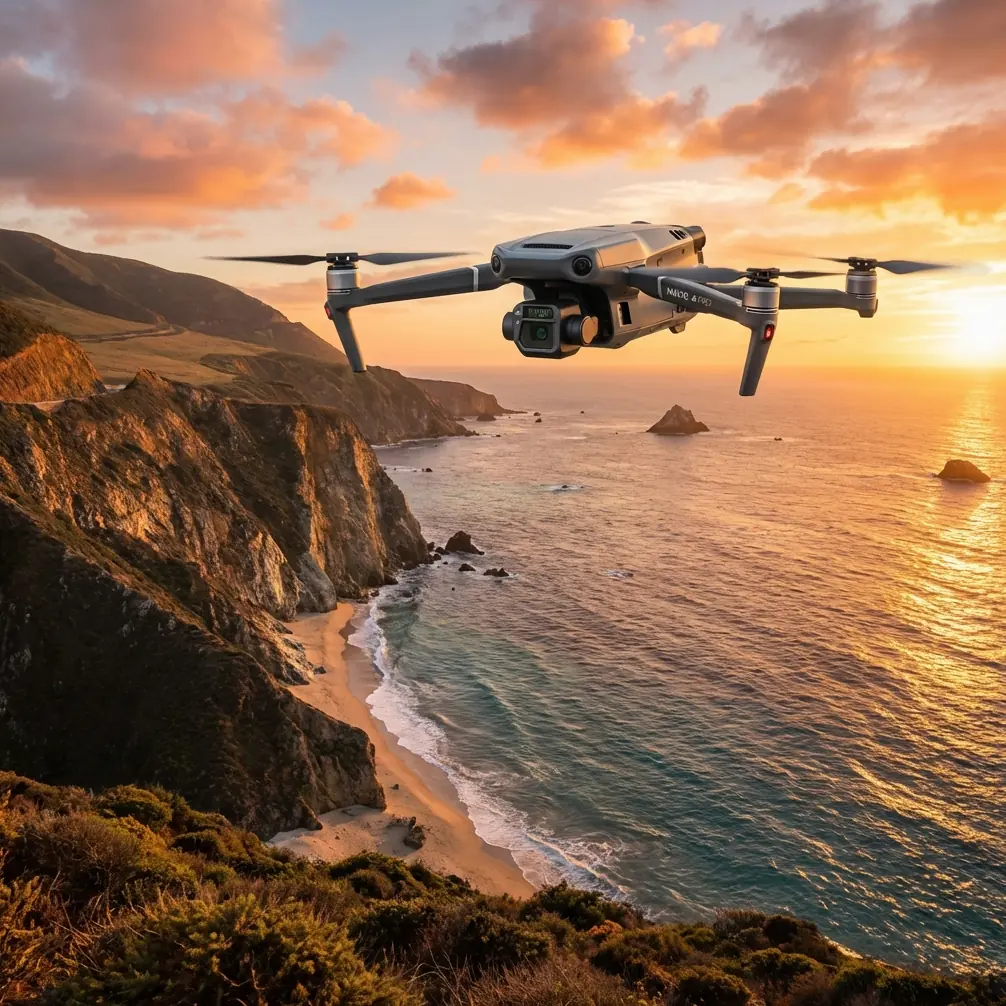
Mavic 3T: Mastering High-Altitude Power Line Delivery
META: Discover how the Mavic 3T transforms high-altitude power line inspections with thermal imaging, 40-min flight time, and precision delivery capabilities.
TL;DR
- Optimal flight altitude of 80-120 meters provides the ideal balance between thermal resolution and coverage efficiency for power line inspections
- 56× hybrid zoom enables detailed conductor analysis without dangerous proximity to live lines
- O3 transmission maintains stable control up to 15km in challenging mountain terrain
- Hot-swap batteries enable continuous operations across extensive transmission corridors
Power line inspections at altitude demand equipment that won't fail when temperatures drop and air density decreases. The DJI Mavic 3T combines a 48MP wide camera, 12MP zoom lens, and 640×512 thermal sensor into a compact airframe engineered for exactly these conditions. This guide breaks down the specific techniques, settings, and workflows that maximize inspection efficiency above 3,000 meters elevation.
Why High-Altitude Power Line Work Demands Specialized Equipment
Transmission infrastructure in mountainous regions presents unique challenges that ground-based inspection methods simply cannot address. Helicopters remain expensive and weather-dependent. Traditional drones struggle with reduced lift in thin air.
The Mavic 3T addresses these constraints through several critical design elements:
- Maximum service ceiling of 6,000 meters with proper propeller configuration
- Mechanical shutter eliminates rolling shutter distortion during movement
- IP54 rating protects against dust and light precipitation common in mountain environments
- Operating temperature range of -20°C to 50°C covers extreme alpine conditions
Expert Insight: At elevations above 4,000 meters, switch to DJI's high-altitude propellers. Standard props lose approximately 30% efficiency at these altitudes, dramatically reducing flight time and payload capacity.
Optimal Flight Parameters for Thermal Inspections
Selecting the correct altitude directly impacts thermal signature detection quality. Fly too high, and small hot spots disappear into noise. Fly too low, and you sacrifice coverage efficiency.
The 80-120 Meter Sweet Spot
For standard 132kV to 500kV transmission lines, maintaining 80-120 meters AGL (Above Ground Level) delivers optimal results. This range provides:
- Thermal pixel resolution of 5-8cm per pixel on conductor surfaces
- Sufficient standoff distance from electromagnetic interference
- Wide enough field of view to capture full tower structures in single frames
- Adequate clearance for BVLOS operations in variable terrain
Camera Settings for Maximum Data Quality
Configure your Mavic 3T thermal sensor with these parameters:
| Parameter | Recommended Setting | Rationale |
|---|---|---|
| Palette | White Hot | Best contrast for hot spots against sky background |
| Gain Mode | High | Maximizes sensitivity for subtle temperature variations |
| Isotherm | Enabled (custom range) | Highlights specific temperature thresholds |
| FFC Mode | Auto | Maintains calibration during temperature changes |
| Measurement Mode | Spot + Area | Captures both point and regional temperature data |
The 640×512 resolution thermal sensor detects temperature differentials as small as ≤50mK (NETD). This sensitivity identifies failing insulators, corroded connections, and overloaded conductors before visible damage occurs.
Flight Planning for Transmission Corridor Coverage
Efficient high-altitude inspections require systematic flight planning that accounts for terrain variation, battery limitations, and data overlap requirements.
Pre-Flight Checklist
Before launching at remote mountain sites:
- Verify AES-256 encryption is enabled for all data transmission
- Confirm RTK base station positioning or download offline maps for the corridor
- Check wind forecasts at inspection altitude (often significantly different from ground level)
- Prepare minimum three batteries for hot-swap continuity
- Establish GCP markers at accessible points for photogrammetry accuracy
Corridor Mapping Workflow
Structure your inspection flights using this proven sequence:
- Overview pass at 150m capturing wide thermal panoramas
- Detail pass at 80m focusing on tower structures and connection points
- Zoom inspection of flagged anomalies using 56× hybrid zoom
- RGB documentation of identified issues for maintenance records
Pro Tip: Schedule thermal inspections during early morning hours when ambient temperatures remain low. The temperature differential between failing components and healthy infrastructure reaches maximum contrast before solar heating begins.
Leveraging O3 Transmission in Mountain Terrain
Signal reliability determines mission success in complex topography. The Mavic 3T's O3 transmission system delivers 1080p/60fps live feed at distances up to 15km under ideal conditions.
Mountain environments rarely offer ideal conditions. Rock faces, dense forest, and electromagnetic interference from the lines themselves create challenging RF environments.
Maintaining Signal Integrity
Apply these techniques to maximize transmission reliability:
- Position the controller with direct line-of-sight to the aircraft whenever possible
- Orient controller antennas perpendicular to the drone's direction
- Avoid positioning yourself directly beneath high-voltage lines during operation
- Set automatic RTH altitude above the highest obstacle in your flight path
- Enable ADSB receiver for awareness of manned aircraft in the corridor
The dual-channel transmission automatically switches between 2.4GHz and 5.8GHz frequencies, selecting whichever provides stronger signal in real-time.
Photogrammetry Integration for Asset Management
Beyond thermal inspection, the Mavic 3T generates comprehensive 3D models of transmission infrastructure. These models support:
- Vegetation encroachment analysis
- Structural deformation monitoring
- Maintenance access planning
- Regulatory compliance documentation
Capture Parameters for Accurate Reconstruction
Configure photogrammetry missions with these specifications:
| Parameter | Setting | Purpose |
|---|---|---|
| Front Overlap | 80% | Ensures feature matching between frames |
| Side Overlap | 70% | Provides redundancy for complex structures |
| Gimbal Angle | -60° to -90° | Captures tower tops and conductor attachments |
| Speed | ≤8 m/s | Prevents motion blur with mechanical shutter |
| GSD | ≤2cm/pixel | Sufficient detail for component identification |
Process captured imagery through DJI Terra or third-party photogrammetry software. Incorporate GCP data for sub-centimeter positioning accuracy when precise measurements matter.
Common Mistakes to Avoid
Flying without high-altitude propellers above 4,000m: Standard propellers cannot generate sufficient lift in thin air, causing unstable flight and dramatically reduced battery life.
Ignoring electromagnetic interference zones: Transmission lines generate significant EMI. Maintain minimum 15-meter horizontal distance from energized conductors during close inspection passes.
Scheduling thermal flights at midday: Solar heating masks thermal anomalies. Components that appear normal at noon may show clear failure signatures at dawn.
Neglecting battery temperature management: Cold batteries deliver reduced capacity. Keep spares warm in insulated cases until immediately before use. The Mavic 3T's 46-minute maximum flight time drops to approximately 32 minutes in freezing conditions.
Skipping pre-flight compass calibration: Mountain environments contain magnetic anomalies. Always calibrate at each new launch site, especially near metallic tower structures.
Data Security and Compliance Considerations
Infrastructure inspection data requires protection throughout the workflow. The Mavic 3T implements AES-256 encryption for all stored footage and transmission streams.
For operations requiring enhanced security:
- Enable Local Data Mode to prevent any network connectivity
- Use encrypted SD cards for additional protection
- Implement secure transfer protocols when uploading to processing servers
- Maintain chain-of-custody documentation for regulatory submissions
BVLOS operations require appropriate waivers and authorizations. Coordinate with aviation authorities and utility operators before conducting extended-range corridor inspections.
Frequently Asked Questions
What battery configuration maximizes high-altitude inspection coverage?
Carry minimum four batteries for continuous operations. At 5,000 meters elevation, expect approximately 35 minutes of actual flight time per battery versus the rated 46 minutes at sea level. Hot-swap capability allows continuous coverage of 15-20km of transmission corridor per battery set.
How does the Mavic 3T thermal sensor compare to dedicated thermal platforms?
The integrated 640×512 thermal sensor with ≤50mK NETD matches or exceeds many standalone thermal cameras. The 56× hybrid zoom on the visual camera provides detail that dedicated thermal platforms lack. For most utility inspection applications, the Mavic 3T delivers equivalent detection capability at significantly lower operational cost.
Can the Mavic 3T operate in rain or snow conditions?
The IP54 rating provides protection against dust and water spray, enabling operations in light precipitation. Heavy rain or snow degrades both visual and thermal image quality regardless of aircraft capability. Postpone inspections during active precipitation for optimal data quality.
Ready for your own Mavic 3T? Contact our team for expert consultation.