
Mavic 3T in Mountain Vineyards: A Field Case Study on Range
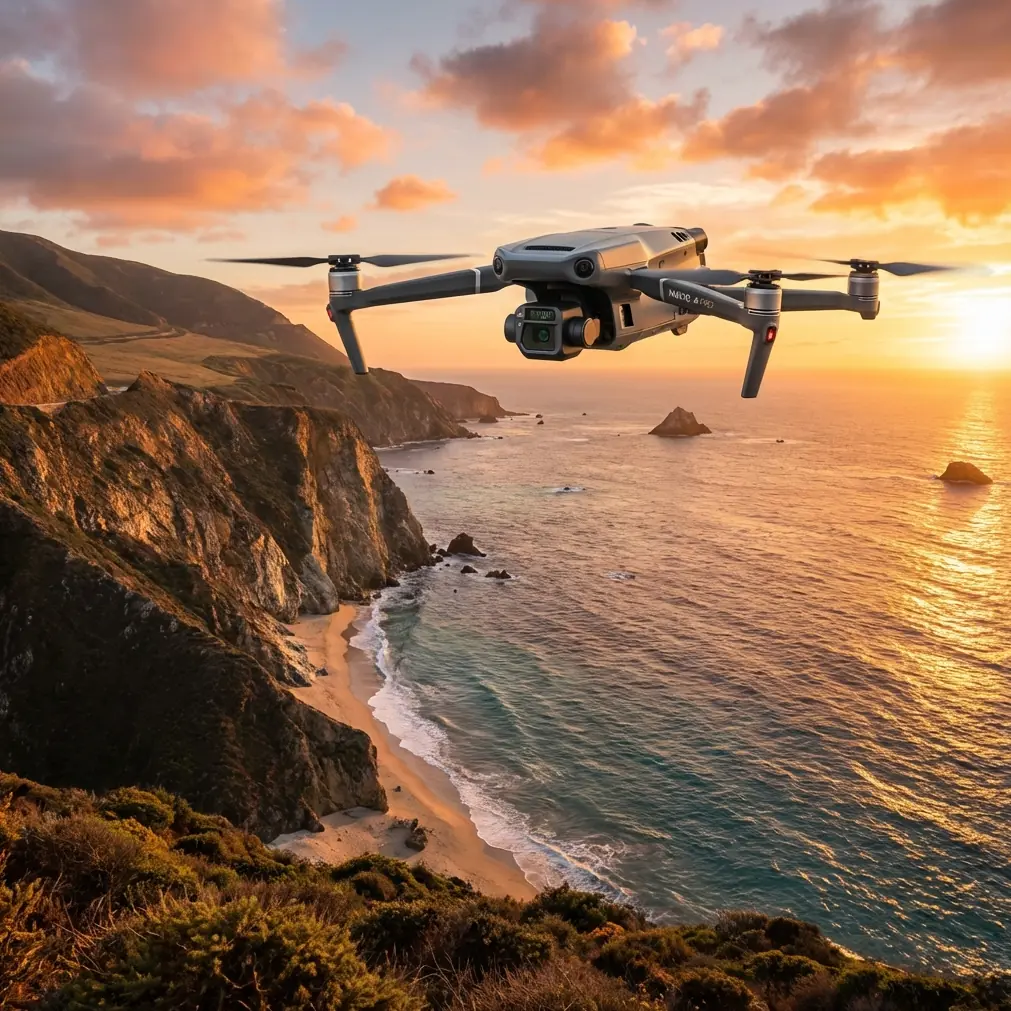
Mavic 3T in Mountain Vineyards: A Field Case Study on Range, Thermal Clarity, and Smarter Delivery Planning
META: A practical Mavic 3T case study for mountain vineyards, covering thermal signature analysis, O3 transmission, antenna positioning, AES-256 security, GCP workflow, and operational planning for difficult terrain.
Mountain vineyards expose every weakness in a drone workflow.
Steep rows break line of sight. Valleys scatter signal. Morning fog masks obstacles until the sun burns through. Narrow service roads force crews to choose between long hikes and fast aerial checks. If the task involves moving small, time-sensitive items between vineyard blocks while also monitoring crop conditions, the aircraft has to do more than fly. It has to see, hold connection, map accurately, and keep working through repeated short missions.
That is where the Mavic 3T becomes interesting—not as a generic “do-everything” drone, but as a tool that solves a very specific mountain agriculture problem.
I want to frame this through a realistic field scenario: a vineyard spread across elevated terraces, with a cellar and equipment point at the base and several worker teams operating along higher slopes. The mission is not heavy cargo transport. It is operational support: sending lightweight essentials uphill, validating route safety, checking vine stress, and reducing wasted trips. In mountain viticulture, shaving 20 minutes off each support run across a day matters. So does identifying heat stress before it becomes visible from the ground.
Why the Mavic 3T fits this vineyard problem
The Mavic 3T sits in a useful middle ground. It is compact enough to deploy quickly between rows, but it carries a thermal payload that changes how vineyard teams inspect terrain and crop behavior. In mountain operations, thermal data is not only about plant stress. It also helps identify sun-heated rock surfaces, irrigation anomalies, equipment left in work lanes, and warm-bodied livestock or workers near blind crest lines before a route is flown.
That matters when you are planning repeated point-to-point support flights in broken terrain.
A mountain vineyard is rarely one continuous, open parcel. It is a patchwork of terraces, retaining walls, dirt access tracks, and shaded corners. What looks like a short straight-line route on a map can be a poor route in practice because ridges and trees interrupt the link. The Mavic 3T’s O3 transmission system becomes operationally significant here. In open country, people often talk about range in abstract terms. In vineyards, especially in mountains, the real issue is signal quality through changing geometry. A route that stays technically short can still degrade if the aircraft drops behind a shoulder of land.
This is why setup discipline matters more than brochure-level specifications.
The antenna positioning advice that actually improves mountain range
Most signal complaints in vineyards are not caused by the drone. They come from where the pilot stands and how the controller antennas are aimed.
Here is the practical rule: do not point the tips of the antennas directly at the drone. The strongest part of the antenna pattern radiates outward from the sides. For mountain vineyard flights, keep the flat faces of the antennas oriented toward the aircraft’s general position, and reposition your body as the drone climbs or crosses a ridge. If you stay planted in a low pocket near a stone wall, you are creating your own dead zone.
In the field, I advise crews to do three things before any uphill mission:
- Stand on the highest safe launch point available, even if it adds 30 seconds of walking.
- Keep the controller at chest height rather than low by the waist.
- Move laterally when the aircraft transitions behind vine rows or terrain folds instead of waiting for the signal to deteriorate.
That sounds simple because it is. But in mountain work, those habits often make the difference between a stable O3 link and a hesitant route that has to be abandoned. Range is not just distance. It is geometry.
Thermal signature is not a side feature in vineyards
Many operators still treat thermal as a specialty sensor. In mountain vineyards, that is a mistake.
Early in the day, the thermal camera can reveal uneven irrigation performance across blocks where visible-light imagery still looks normal. A row with weaker moisture retention often presents a distinct thermal signature before leaf color shifts enough to stand out visually. The same applies to leaks in exposed irrigation lines running along terraces. A small failure can produce a local cooling pattern or an unusual thermal contrast relative to surrounding ground conditions. The value is not theoretical. It lets crews prioritize which section to walk first, and that saves time on steep ground.
Thermal also has a safety role in support delivery planning. If you are sending lightweight supplies to a remote team, the route should be checked for hidden people, parked vehicles, and animals near the intended drop or handoff area. Again, not for sensitive uses—simply to avoid risky surprises in blind terrain. In vineyards, especially during harvest windows, workers spread out quickly. A thermal scan gives the pilot another layer of confidence before committing to a repeated route.
Where photogrammetry and GCPs strengthen a delivery workflow
At first glance, photogrammetry may seem unrelated to vineyard support flights. It is not.
A reliable support route in mountainous terrain depends on knowing slope, clearances, turning space, and exact landing or handoff zones. Building a detailed surface model of the vineyard allows operations managers to identify the safest corridors between blocks rather than improvising each time. If a path crosses above trellis posts, service wires, or irregular tree lines, that should be known in advance.
This is where a photogrammetry mission paired with GCPs becomes valuable. Ground Control Points tighten map accuracy and reduce uncertainty when you are defining fixed operational points—launch areas, intermediate hover positions, or marked transfer spots between terraces. Without GCP-backed mapping, teams often rely on rough visual judgment. In a mountain environment, rough judgment leads to routes that look fine from one angle and become awkward from another.
The Mavic 3T is often discussed for thermal work first, but in a real vineyard operation its data value grows when thermal inspection and terrain mapping support each other. Thermal identifies where attention is needed. The mapped surface tells you how to reach it efficiently.
A case study model: moving critical supplies between terraces
Let’s take a simple but realistic example.
A vineyard team on an upper terrace needs replacement irrigation components and a sensor unit before midday heat. Sending someone by vehicle means circling downslope, crossing to another track, then walking the last section. That may take the worker out of productive activity for nearly an hour.
Using the Mavic 3T, the manager first reviews the terrain model built from earlier photogrammetry. Two viable aerial corridors exist. One is shorter, but it dips behind a ridge. The second is slightly longer yet keeps a cleaner line for O3 transmission. The thermal camera is used that morning to verify the intended receiving area is clear of workers and that no warm machinery has been parked near the landing marker.
The operator launches from a higher shoulder rather than the cellar yard. That one choice improves link stability more than any menu adjustment. Antennas are held broadside to the aircraft as it climbs. A visual observer at the upper block confirms local conditions. The mission is completed, then repeated later for a second small payload run.
What changed here? Not just speed. The vineyard avoided unnecessary ground travel, reduced the chance of route interruption, and layered thermal awareness with transmission discipline. The Mavic 3T was not being used as a novelty. It was functioning as part of a measured logistics system for difficult agricultural terrain.
Why AES-256 matters even in civilian agriculture
Security rarely gets enough attention in farm drone operations, especially when teams are focused on weather and field pressure. But mountain vineyards increasingly generate sensitive data: block-level thermal patterns, infrastructure locations, irrigation performance, and production-related observations. The mention of AES-256 is not just a technical flourish. It matters because these datasets can reveal operational weak points or proprietary cultivation methods.
When an aircraft is collecting inspection imagery and route data across a high-value vineyard, secure handling of that information is part of professional practice. For estate operators managing multiple parcels or working with external agronomy consultants, stronger data protection supports trust and cleaner collaboration. It also helps standardize drone use beyond “whoever is available can fly.”
Battery workflow is what determines real productivity
The glamorous part of a drone mission is the camera. The part that shapes a full vineyard day is battery handling.
Hot-swap batteries are especially useful in mountain scenarios where missions are short, repeated, and time-sensitive. A team may need one flight to validate a route, another to inspect thermal anomalies, and several more to support workers in different blocks. If each battery change forces a long pause and mission reset, the operational rhythm collapses. Hot-swap capability helps keep the aircraft in service while preserving context and continuity across flights.
In vineyards, this is less about endurance headlines and more about maintaining tempo. The useful question is not “How long can it stay airborne?” It is “Can it complete six practical jobs between morning fog and afternoon wind?” That is a much better way to assess the Mavic 3T in agricultural reality.
A note on BVLOS ambition versus present-day discipline
Mountain vineyards tempt operators to think bigger than their procedures.
When one terrace disappears behind another, there is a natural urge to push farther and treat the drone as a routine beyond-visual-line-of-sight platform. But BVLOS is not just a matter of confidence or radio capability. It requires a legal and procedural framework that fits the region, the operator, and the mission. For most vineyard teams, the better near-term approach is to build robust segmented operations: carefully selected launch points, observers where needed, repeatable transfer zones, and pre-mapped corridors.
That approach delivers most of the practical benefit without drifting into risky improvisation.
The bigger lesson from an industry headline
One recent drone headline circulating from a Chinese-language source referred only to a so-called “Christmas tree” interceptor drone being used to stop other drones in an aerial interception role. The available information was extremely limited—essentially just the title, with no timing, location details, model specifications, or outcome data. For civilian operators, the value is not in the event itself, and certainly not in copying anything from a sensitive context. The useful takeaway is simpler: the drone sector is becoming more specialized.
That trend matters for Mavic 3T users in agriculture.
Not every drone is built for the same job, and forcing one aircraft into a role it was never meant to perform usually creates safety and efficiency problems. In mountain vineyards, the Mavic 3T should be evaluated for what it actually does well: thermal assessment, visual inspection, route validation, terrain-aware planning, and support for light operational logistics. Specialization is not a limitation. It is what makes workflows dependable.
What I would standardize for a vineyard team tomorrow
If I were setting up a mountain vineyard program around the Mavic 3T, I would standardize five things immediately:
- Fixed launch points chosen for elevation and signal geometry, not convenience.
- Antenna positioning training so every pilot understands how to preserve O3 link quality.
- A thermal checklist for early-day scans: irrigation, blocked lanes, warm equipment, people in receiving zones.
- A photogrammetry base map with GCP-backed reference points for repeatable route planning.
- A battery rotation plan built around hot-swap workflow, not ad hoc charging habits.
That combination turns the drone from an occasional gadget into a dependable field instrument.
For vineyard managers who want to compare workflows or ask about mountain deployment specifics, you can message the team directly here: discuss your terrain layout and antenna setup.
The Mavic 3T earns its place in vineyards when it reduces uncertainty. Not only in imagery, but in decisions. Where to launch. Which route to trust. Which block needs a human visit first. Whether the upper terrace is clear. Whether a support run is worth flying now or after the wind shifts.
Mountain agriculture punishes vague planning. The Mavic 3T rewards precise planning—especially when thermal insight, accurate mapping, secure data handling, and disciplined signal management are treated as one system instead of separate features.
Ready for your own Mavic 3T? Contact our team for expert consultation.