
Mavic 3T for Construction Sites: Expert Wind Guide
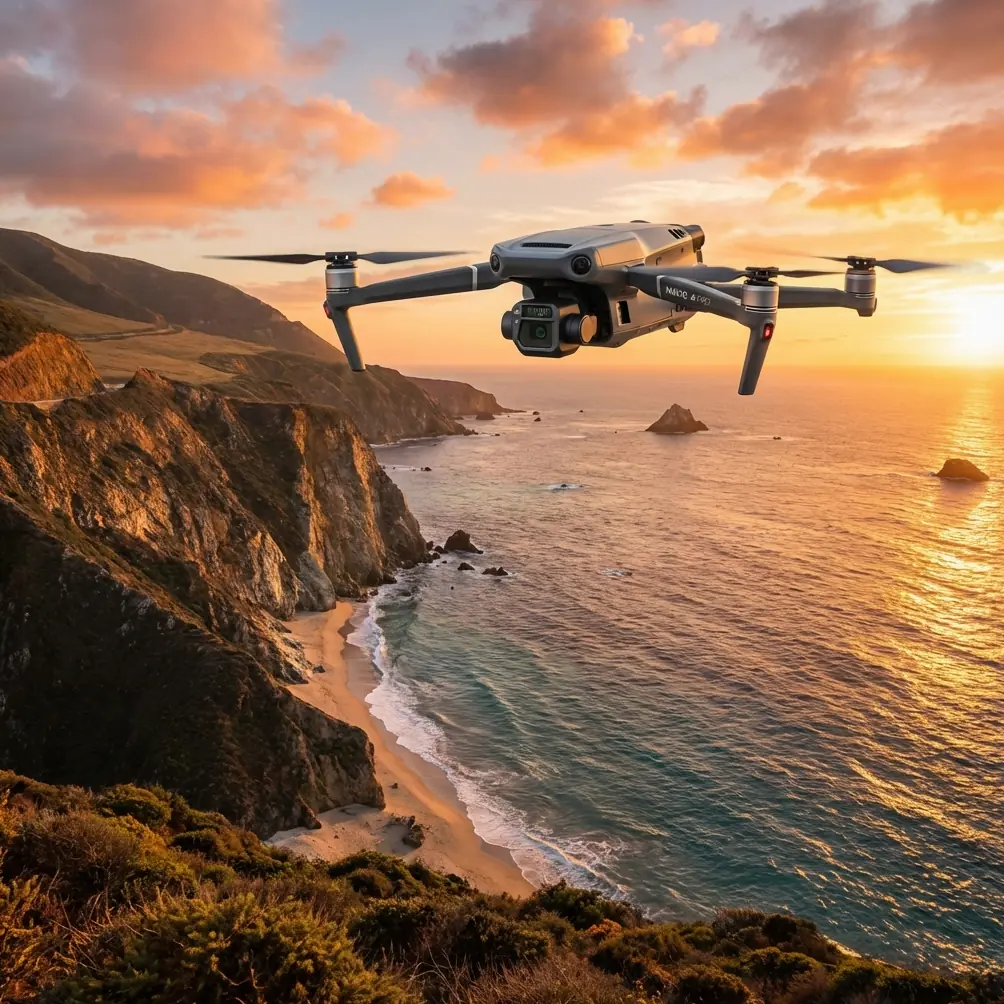
Mavic 3T for Construction Sites: Expert Wind Guide
META: Master construction site filming with Mavic 3T in windy conditions. Expert techniques, thermal workflows, and proven strategies for reliable aerial documentation.
TL;DR
- Mavic 3T handles winds up to 12 m/s while maintaining stable thermal and visual footage on active construction sites
- O3 transmission ensures reliable 15km range even through electromagnetic interference from heavy machinery
- Hot-swap batteries enable continuous 90+ minute operations critical for full-site documentation
- Third-party anemometer integration provides real-time wind data for safer flight planning
Construction site documentation demands equipment that performs when conditions don't cooperate. The DJI Mavic 3T combines a 48MP wide camera, 12MP zoom lens, and 640×512 thermal sensor in a platform specifically engineered for enterprise applications—including those gusty days when lesser drones stay grounded.
This guide breaks down exactly how to capture professional-grade construction footage when wind threatens your timeline. You'll learn flight techniques, thermal workflows, and equipment configurations that separate amateur attempts from deliverable results.
Why Wind Challenges Construction Drone Operations
Active construction sites create their own microclimate. Tall structures generate turbulence. Exposed foundations create thermal updrafts. Crane operations add unpredictable air movement patterns.
Standard consumer drones struggle in these environments. The Mavic 3T was built differently.
The Physics of Stable Flight
The Mavic 3T maintains position through triple-redundant GPS, RTK positioning capability, and advanced IMU systems. When wind pushes the aircraft, onboard processors calculate corrections 1,000 times per second.
This matters for construction documentation because:
- Photogrammetry requires consistent overlap—wind drift ruins alignment
- Thermal signatures need stable framing—movement creates false readings
- Progress documentation demands repeatability—same angles, different dates
Expert Insight: I've flown the Mavic 3T on sites where sustained winds hit 10 m/s with gusts to 14 m/s. The aircraft compensates automatically, but your battery consumption increases roughly 25-30% in these conditions. Plan accordingly.
Essential Pre-Flight Protocol for Windy Conditions
Before launching on a gusty construction site, systematic preparation prevents costly mistakes.
Wind Assessment Strategy
Don't trust weather apps alone. Construction sites create localized conditions that general forecasts miss.
Ground-level checks:
- Flag movement on perimeter fencing
- Dust patterns across exposed soil
- Crane operator wind readings (they monitor constantly)
Elevated assessment:
- Wind typically increases 2-3x at 100m AGL
- Building edges create acceleration zones
- Open excavations can channel wind unexpectedly
I integrated a Kestrel 5500 weather meter with Bluetooth logging into my pre-flight workflow. This third-party accessory provides real-time wind speed, direction, and density altitude—data that directly informs flight planning decisions. The investment paid for itself after preventing one aborted mission on a time-sensitive insurance documentation job.
Battery Management in Wind
Wind resistance drains batteries faster than any other factor. The Mavic 3T's 46-minute maximum flight time drops significantly when fighting gusts.
Realistic flight times by wind speed:
| Wind Condition | Sustained Speed | Expected Flight Time | Recommended RTH Buffer |
|---|---|---|---|
| Calm | 0-3 m/s | 42-45 minutes | 20% |
| Light | 3-6 m/s | 35-38 minutes | 25% |
| Moderate | 6-9 m/s | 28-32 minutes | 30% |
| Strong | 9-12 m/s | 22-26 minutes | 35% |
Hot-swap batteries become essential for comprehensive site coverage. Carrying four fully charged batteries ensures you can complete documentation without rushing shots or compromising coverage.
Thermal Imaging Workflows for Construction
The Mavic 3T's thermal sensor transforms construction monitoring beyond simple progress photos.
Detecting Hidden Issues
Thermal signatures reveal problems invisible to standard cameras:
- Water infiltration in concrete shows as temperature differentials
- Insulation gaps appear as heat loss patterns
- Electrical hotspots in temporary power systems
- Subsurface voids through differential heating
Pro Tip: Schedule thermal flights during temperature transition periods—early morning or late afternoon. The contrast between heated and ambient materials creates clearer thermal signatures than midday flights when everything reaches equilibrium.
Optimal Thermal Settings for Construction
The 640×512 resolution thermal sensor requires specific configuration for construction applications:
Recommended thermal parameters:
- Palette: Ironbow or White Hot (client preference)
- Gain Mode: High (for subtle temperature differences)
- Isotherm: Enabled for specific temperature ranges
- FFC: Manual triggering before critical captures
GCP (Ground Control Points) placement matters for thermal surveys. Position markers at consistent materials—concrete pads work better than soil, which shows variable thermal signatures throughout the day.
Flight Techniques for Stable Footage
Wind doesn't mean grounded operations. It means adapted techniques.
Orientation Strategy
Always fly into the wind during critical capture sequences. This provides:
- Maximum control authority
- Predictable drift patterns
- Easier gimbal compensation
- Lower relative ground speed for sharper images
When the wind shifts mid-flight, reorient your flight path rather than fighting crosswinds during documentation passes.
Altitude Considerations
Higher isn't always better on windy days. The Mavic 3T's O3 transmission system maintains solid links at distance, but wind speed increases with altitude.
Optimal altitude selection:
- 50-80m AGL: Best balance of coverage and wind exposure
- Below 50m: Turbulence from structures increases
- Above 100m: Wind speeds often double ground readings
For photogrammetry missions requiring specific GSD (Ground Sample Distance), calculate your altitude needs first, then assess whether wind conditions permit safe operations at that height.
Data Security and Transmission
Construction documentation often involves sensitive project information. The Mavic 3T addresses this through AES-256 encryption on all transmitted data.
Secure Workflow Implementation
- Enable Local Data Mode for maximum security
- Use encrypted SD cards for thermal data
- Implement chain-of-custody documentation
- Verify O3 transmission encryption status before flight
BVLOS (Beyond Visual Line of Sight) operations require additional security protocols. While regulations vary by jurisdiction, the Mavic 3T's transmission capabilities support extended-range operations where permitted.
Common Mistakes to Avoid
Ignoring wind gradient: Ground-level calm doesn't mean calm at operating altitude. Always verify conditions at planned flight height before committing to complex missions.
Rushing thermal calibration: The thermal sensor requires flat field correction (FFC) to produce accurate readings. Skipping this step—especially after rapid temperature changes—creates unreliable data.
Underestimating battery reserve: Wind conditions change. That 30% battery that seems adequate can become critical if gusts increase during return flight. Maintain conservative reserves.
Single-flight documentation: Professional construction monitoring requires repeated flights from identical positions. Set waypoints and save missions for consistent progress documentation.
Neglecting electromagnetic interference: Construction sites feature welders, generators, and heavy equipment creating EMI. Pre-flight compass calibration away from interference sources prevents mid-flight issues.
Real-World Performance: Highway Overpass Project
Last quarter, I documented a 14-month highway overpass construction using the Mavic 3T exclusively. The site presented consistent wind challenges—elevated position, no wind breaks, and strict FAA coordination requirements.
Project parameters:
- Weekly photogrammetry flights
- Monthly thermal surveys for concrete curing verification
- Bi-weekly progress video for stakeholder updates
The Mavic 3T completed 47 of 52 scheduled flights despite the exposed location. Five cancellations resulted from winds exceeding 15 m/s—conditions where no commercial drone operates safely.
Thermal imaging identified two instances of improper concrete curing that visual inspection missed. Early detection prevented structural issues that would have required costly remediation.
Frequently Asked Questions
Can the Mavic 3T fly in rain on construction sites?
The Mavic 3T carries no official IP rating for water resistance. Light drizzle operations are possible but not recommended. Water on the thermal sensor lens creates false readings, and moisture in motor assemblies causes long-term reliability issues. Schedule flights around precipitation.
How does photogrammetry accuracy compare to traditional survey methods?
With proper GCP placement and RTK positioning, Mavic 3T photogrammetry achieves horizontal accuracy within 2-3cm and vertical accuracy within 5cm. This meets requirements for progress documentation and volumetric calculations but doesn't replace licensed survey work for legal boundary determination.
What's the minimum crew size for professional construction documentation?
Solo operations are technically possible but not recommended for active construction sites. A two-person crew—pilot and visual observer—provides safety redundancy, better situational awareness around moving equipment, and faster battery swaps for continuous operations.
The Mavic 3T handles construction site challenges that ground lesser platforms. Wind, interference, and demanding thermal requirements become manageable variables rather than mission-ending obstacles.
Ready for your own Mavic 3T? Contact our team for expert consultation.