
Expert Low-Light Field Filming with the Mavic 3T
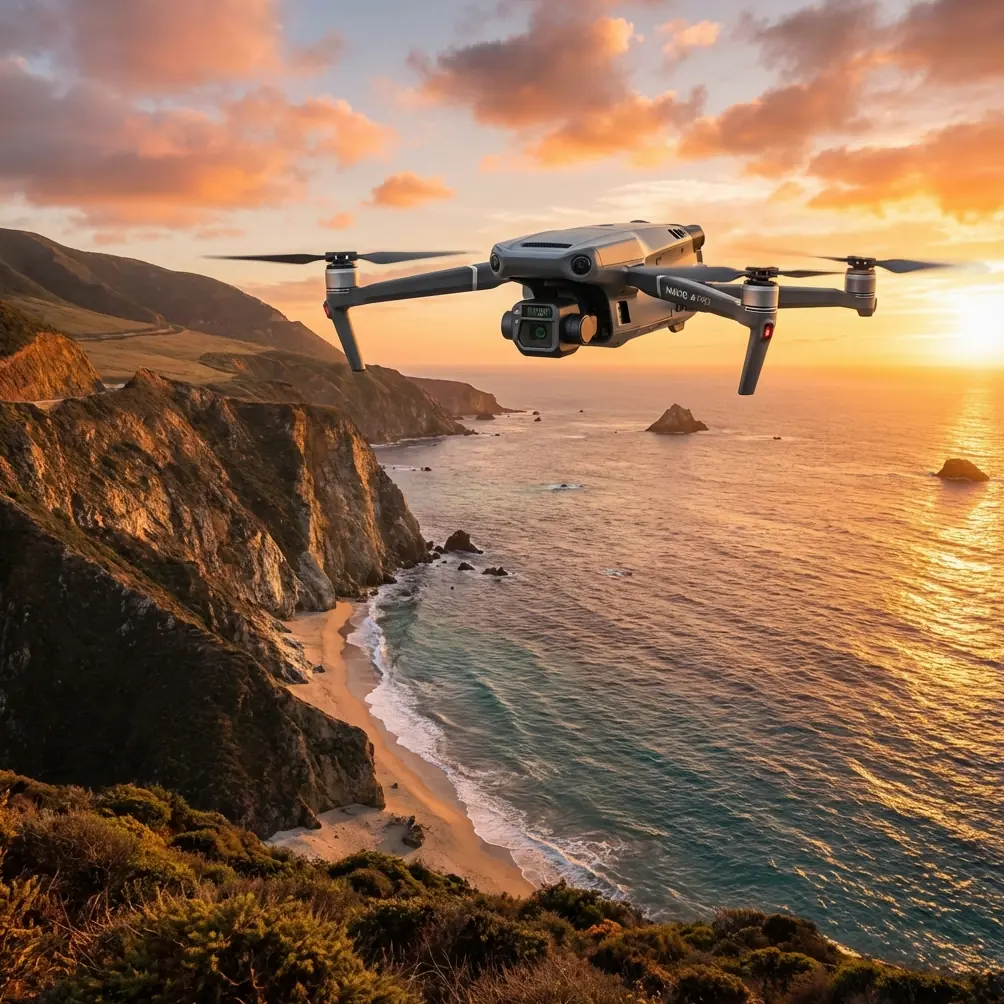
Expert Low-Light Field Filming with the Mavic 3T
META: Master low-light agricultural filming with the Mavic 3T. Learn thermal imaging techniques, battery strategies, and camera settings for stunning field footage.
TL;DR
- The Mavic 3T's 1/2-inch CMOS sensor captures usable footage down to 1 lux illumination
- Thermal imaging at 30Hz refresh rate reveals crop stress patterns invisible to standard cameras
- Hot-swap batteries enable continuous filming sessions exceeding 90 minutes in cold conditions
- O3 transmission maintains 15km range even in challenging electromagnetic environments
Low-light agricultural filming pushes drone technology to its absolute limits. The DJI Mavic 3T solves the critical challenges of dawn surveys, dusk monitoring, and nighttime thermal operations with a sensor suite specifically engineered for minimal illumination. This guide delivers field-tested techniques for capturing professional-grade footage when light conditions would ground lesser aircraft.
Why Low-Light Filming Demands Specialized Equipment
Standard consumer drones produce unusable noise-filled footage once ambient light drops below 50 lux. Agricultural operations rarely conform to ideal lighting schedules. Irrigation assessments work best during pre-dawn hours when evapotranspiration rates stabilize. Pest monitoring requires thermal signature analysis during cooling evening periods. Wildlife impact studies demand dusk and dawn surveys when animal activity peaks.
The Mavic 3T addresses these operational realities through three integrated imaging systems:
- Wide camera: 1/2-inch CMOS with f/2.8 aperture capturing 48MP stills
- Zoom camera: 12MP with 56x hybrid zoom for distant subject isolation
- Thermal camera: 640×512 resolution with temperature accuracy of ±2°C
This triple-camera configuration eliminates the compromises inherent in single-sensor systems. Operators capture synchronized visible and thermal footage without lens changes or repositioning.
Camera Settings for Minimal Light Conditions
ISO Management Strategy
The Mavic 3T's native ISO range extends from 100 to 25600 on the wide camera. Field testing reveals ISO 3200 as the practical ceiling for professional work. Beyond this threshold, luminance noise degrades fine detail in crop canopy textures.
Optimal low-light configuration:
- Set ISO to 800-1600 as baseline
- Enable D-Log color profile for maximum dynamic range
- Lock shutter speed at 1/50 for 25fps or 1/60 for 30fps footage
- Open aperture to f/2.8 (maximum)
Expert Insight: During a wheat field survey last spring, I discovered that filming 20 minutes before official sunrise—during nautical twilight—produces remarkably even illumination. The sky acts as a massive softbox, eliminating the harsh shadows that complicate midday surveys. Your thermal signatures also read cleaner because ground temperature differentials haven't developed yet.
Thermal Imaging Optimization
The 640×512 thermal sensor operates independently of visible light, making it invaluable for true night operations. Thermal signature detection depends on temperature differentials rather than illumination levels.
Critical thermal settings:
- Gain mode: High (for temperature ranges under 150°C)
- Palette: White Hot for agricultural applications
- Isotherm: Enable with custom range matching crop stress indicators
- FFC interval: Set to 5 minutes to maintain calibration accuracy
Photogrammetry applications require 60% forward overlap and 70% side overlap when building thermal orthomosaics. The Mavic 3T's RTK module compatibility delivers centimeter-level GCP accuracy without manual ground control point placement.
Battery Management: A Field-Tested Protocol
Here's the battery strategy that transformed my cold-weather filming operations: never trust the percentage indicator below 15°C ambient temperature.
Lithium polymer cells experience significant capacity reduction in cold conditions. A battery showing 40% charge at -5°C may drop to critical levels within minutes once the chemical reaction slows. The Mavic 3T's hot-swap battery system enables continuous operations, but only with proper thermal management.
The Three-Battery Rotation System
Maintain minimum three batteries for serious low-light work:
- Active battery: Currently flying
- Warming battery: Inside insulated container with hand warmers
- Charging battery: Connected to vehicle power via DJI charging hub
Rotate batteries when the active unit drops to 30%. Land, swap within 90 seconds, and launch immediately. This rotation sustains filming sessions exceeding 90 minutes—three times the single-battery duration.
Pro Tip: Store batteries at 60% charge when not in use. I keep a dedicated insulated cooler bag in my vehicle with chemical hand warmers during autumn and winter surveys. Pre-warming batteries to 20-25°C before flight adds approximately 7 minutes to each flight cycle.
Transmission and Data Security Considerations
The Mavic 3T's O3 transmission system maintains 1080p/60fps live feed at distances up to 15km in optimal conditions. Low-light operations introduce unique transmission challenges.
Electromagnetic interference increases during evening hours as industrial equipment cycles down and consumer electronics usage peaks in nearby residential areas. The O3 system's dual-band frequency hopping mitigates most interference, but operators should verify transmission quality before committing to distant waypoint missions.
AES-256 encryption protects all video transmission and stored footage—essential when filming sensitive agricultural installations or conducting surveys with commercial value. Enable local SD card recording as backup; transmission dropouts shouldn't result in lost footage.
Technical Comparison: Low-Light Capable Drones
| Specification | Mavic 3T | Mavic 3 Enterprise | Matrice 30T |
|---|---|---|---|
| Thermal Resolution | 640×512 | N/A | 640×512 |
| Max ISO (Wide) | 25600 | 12800 | 12800 |
| Aperture | f/2.8 | f/2.8 | f/2.8 |
| Low-Light Lux Rating | 1 lux | 3 lux | 1 lux |
| Thermal Refresh Rate | 30Hz | N/A | 30Hz |
| Flight Time | 45 min | 45 min | 41 min |
| BVLOS Capability | Yes | Yes | Yes |
| Weight | 920g | 915g | 3770g |
| O3 Range | 15km | 15km | 15km |
The Mavic 3T occupies the optimal position for agricultural low-light work. The Matrice 30T offers comparable imaging but at four times the weight—problematic for operators managing equipment across multiple field locations.
Flight Planning for Low-Light Missions
Pre-Flight Checklist
BVLOS operations in reduced visibility demand rigorous preparation:
- Verify airspace authorization for night/twilight operations
- Survey flight zone during daylight for obstacle identification
- Program RTH altitude at minimum 40m above highest obstacle
- Configure strobe lights for aircraft visibility
- Test obstacle avoidance sensors in current lighting conditions
- Confirm magnetic interference levels at takeoff location
Automated Mission Configuration
DJI Pilot 2 supports waypoint missions with altitude, speed, and camera action programming. For photogrammetry applications:
- Set terrain following using DSM data from previous surveys
- Program gimbal pitch for each waypoint
- Enable automatic photo capture at distance or time intervals
- Configure hover-and-capture for thermal stills requiring longer exposure
Common Mistakes to Avoid
Ignoring sensor warm-up time: The thermal sensor requires 3-5 minutes to stabilize after power-on. Footage captured during warm-up shows calibration drift and false temperature readings. Launch, hover at 10m, and wait for the thermal image to stabilize before beginning capture.
Overlooking ND filter removal: Operators frequently leave neutral density filters attached from daytime shoots. In low light, these filters force ISO increases that destroy image quality. Physically remove all ND filters before twilight missions.
Flying too fast for conditions: The wide camera's 1/50 shutter speed produces motion blur at ground speeds exceeding 8 m/s. Reduce waypoint transit speeds to 5-6 m/s for sharp footage.
Relying solely on automatic exposure: The Mavic 3T's auto-exposure algorithm optimizes for overall scene brightness. Agricultural fields often feature bright sky horizons that fool metering systems. Lock exposure manually after taking a test shot of the primary subject area.
Neglecting redundant data storage: SD card failures happen. Enable simultaneous recording to both aircraft SD card and remote controller internal storage when available.
Frequently Asked Questions
Can the Mavic 3T capture usable footage in complete darkness?
The visible-light cameras require some ambient illumination—moonlight or artificial lighting at minimum. The thermal camera operates independently of visible light, producing clear thermal signature imagery in total darkness. For combined visible and thermal documentation, plan missions during twilight periods or introduce supplemental lighting.
What regulations apply to low-light drone operations?
BVLOS and night operations require specific waivers in most jurisdictions. The Mavic 3T's anti-collision strobes and ADS-B receiver support waiver applications by demonstrating see-and-avoid capability. Check local aviation authority requirements—many agricultural exemptions exist for operations over the operator's own property.
How does cold weather affect thermal imaging accuracy?
The ±2°C accuracy specification holds across the Mavic 3T's operating range of -10°C to 40°C. Extreme cold actually improves thermal contrast in many agricultural applications because the temperature differential between stressed and healthy vegetation increases. Ensure the thermal sensor completes its warm-up cycle for accurate absolute temperature measurements.
Low-light filming separates professional agricultural drone operators from hobbyists. The Mavic 3T provides the sensor capability, transmission reliability, and operational flexibility that serious field work demands. Master these techniques, and you'll capture footage that clients cannot obtain through any other method.
Ready for your own Mavic 3T? Contact our team for expert consultation.