
Filming Solar Farms with Mavic 3T | Urban Guide
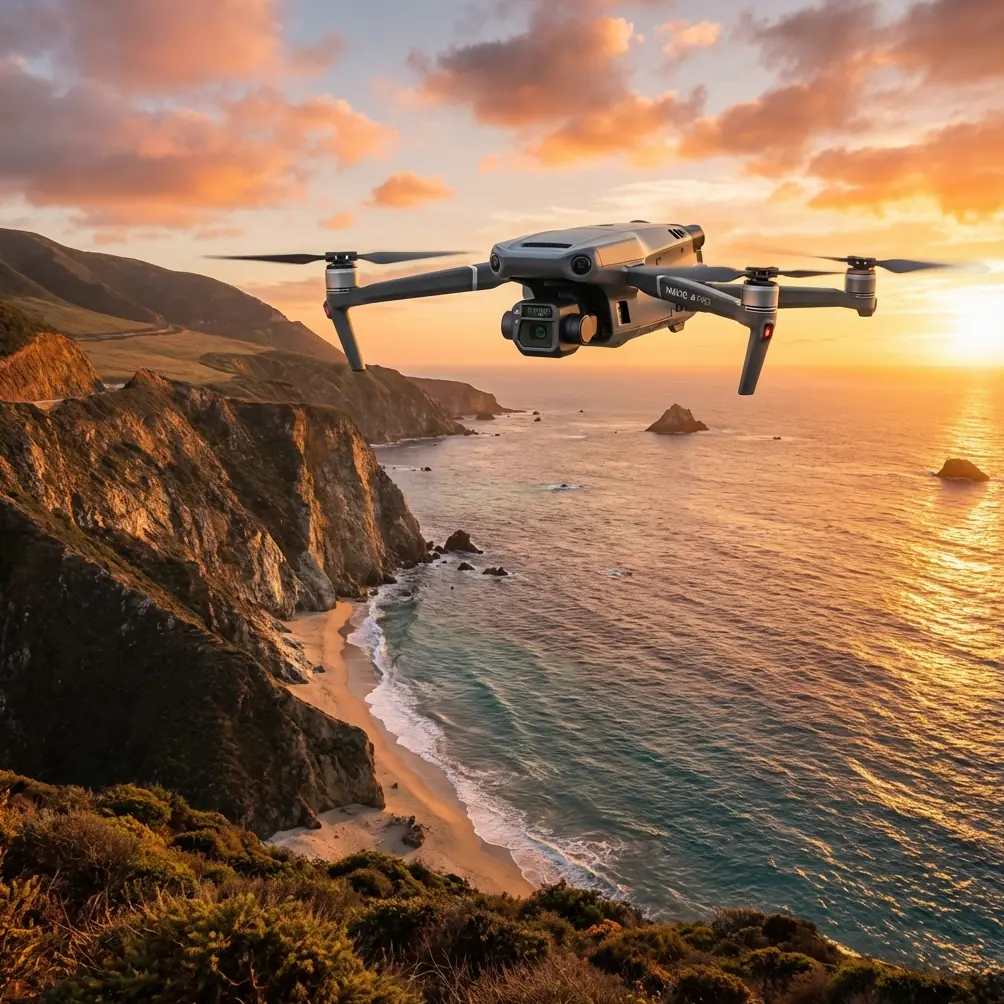
Filming Solar Farms with Mavic 3T | Urban Guide
META: Master urban solar farm filming with the Mavic 3T. Expert field techniques for thermal imaging, obstacle avoidance, and professional aerial documentation.
TL;DR
- Thermal signature detection identifies underperforming panels with 0.03°C sensitivity during optimal morning windows
- O3 transmission maintains stable 15km video feed despite urban electromagnetic interference
- Hot-swap batteries enable continuous coverage of large installations without returning to base
- Weather adaptation protocols saved a critical inspection when conditions shifted mid-flight
Power line and solar infrastructure inspections demand absolute precision in challenging urban environments. The DJI Mavic 3T transforms complex solar farm documentation into streamlined, data-rich operations—delivering thermal imaging, photogrammetry capabilities, and enterprise-grade reliability in a compact airframe that navigates tight urban spaces with confidence.
This field report documents real-world techniques refined across dozens of urban solar installations, revealing exactly how to maximize the Mavic 3T's capabilities while avoiding costly mistakes that plague inexperienced operators.
Understanding Urban Solar Farm Challenges
Urban solar installations present unique obstacles that rural deployments never encounter. Reflective glass buildings create unpredictable light interference. Radio towers and cellular infrastructure generate electromagnetic noise that degrades lesser transmission systems. Restricted airspace requires precise flight planning and often BVLOS coordination with local authorities.
The Mavic 3T addresses these challenges through integrated sensor fusion and robust communication protocols. Its AES-256 encryption ensures secure data transmission—critical when documenting commercial infrastructure in populated areas.
Site Assessment Protocol
Before any urban solar filming operation, conduct thorough reconnaissance:
- Map all vertical obstructions within 500 meters of the installation perimeter
- Identify potential electromagnetic interference sources including cell towers and broadcast antennas
- Document restricted airspace boundaries and obtain necessary authorizations
- Establish multiple GCP locations for photogrammetry accuracy verification
- Plan contingency landing zones for emergency situations
Expert Insight: Urban environments demand redundant planning. I establish three potential landing zones before every flight—primary, secondary, and emergency. The Mavic 3T's obstacle sensing handles unexpected obstacles, but professional operations require human backup planning.
Thermal Imaging Methodology for Panel Analysis
The Mavic 3T's thermal camera revolutionizes solar panel inspection efficiency. Traditional ground-based thermal surveys require hours of manual scanning. Aerial thermal documentation captures entire installations in minutes while providing superior angle consistency.
Optimal Timing Windows
Thermal signature clarity depends heavily on environmental conditions. Schedule flights during these windows for maximum defect visibility:
- Early morning (sunrise + 2 hours): Panels warming reveals connection issues
- Peak irradiance (solar noon ± 1 hour): Maximum thermal differential for cell defects
- Late afternoon: Cooling patterns expose bypass diode failures
Avoid overcast conditions when possible. Cloud cover reduces thermal contrast and masks subtle panel anomalies that indicate developing problems.
Flight Pattern Optimization
Systematic coverage ensures no panel escapes documentation. The Mavic 3T supports automated waypoint missions, but urban environments often require manual adjustments mid-flight.
Configure thermal camera settings before launch:
- Emissivity: Set to 0.95 for standard glass-covered panels
- Reflected temperature: Measure ambient conditions and input accurate values
- Palette: Use ironbow or white-hot for maximum defect visibility
- Capture interval: 2-second intervals at 8 m/s flight speed ensures overlap
Weather Adaptation: A Field Report
During a recent commercial installation survey in the downtown district, conditions shifted dramatically mid-operation. Clear morning skies gave way to rapidly developing cumulus clouds within fifteen minutes of flight initiation.
The Mavic 3T's environmental sensors detected barometric pressure changes before visible weather indicators appeared. The aircraft's status display flagged potential wind increase, allowing proactive altitude reduction from 80 meters to 45 meters before gusts arrived.
When wind speeds increased from 12 km/h to 28 km/h, the aircraft's stabilization systems maintained thermal image clarity without operator intervention. The gimbal compensated for platform movement while the flight controller adjusted motor output to hold position over target panels.
Pro Tip: Urban environments create localized wind acceleration between buildings. The Mavic 3T handles these gusts effectively, but plan flight paths that avoid known wind tunnel corridors. Building gaps oriented toward prevailing winds can double effective wind speeds at drone altitude.
This weather event validated the importance of the Mavic 3T's robust construction. Lesser aircraft would have required immediate landing, abandoning the survey mid-completion. Instead, the operation continued with minor flight plan modifications, completing full thermal documentation despite deteriorating conditions.
Technical Capabilities Comparison
| Feature | Mavic 3T | Previous Generation | Industry Standard |
|---|---|---|---|
| Thermal Resolution | 640×512 | 320×256 | 160×120 |
| Temperature Sensitivity | 0.03°C | 0.05°C | 0.1°C |
| Transmission Range | 15km (O3) | 8km | 5km |
| Flight Time | 45 minutes | 31 minutes | 25 minutes |
| Obstacle Sensing | Omnidirectional | Forward/Backward | Forward only |
| Encryption Standard | AES-256 | AES-128 | Variable |
| Hot-swap Capability | Yes | No | Rarely |
Photogrammetry Integration for Asset Documentation
Beyond thermal analysis, the Mavic 3T excels at creating detailed photogrammetry models of solar installations. These three-dimensional reconstructions support maintenance planning, shade analysis, and long-term degradation monitoring.
GCP Placement Strategy
Ground control point accuracy determines final model precision. For urban solar farms, place GCPs according to these guidelines:
- Minimum five points distributed across the installation footprint
- Additional points at elevation changes exceeding 2 meters
- Avoid placement on reflective surfaces that confuse RTK corrections
- Document each GCP with survey-grade coordinates before flight operations
The Mavic 3T's 1/2-inch CMOS sensor captures sufficient detail for 2cm/pixel ground sampling distance at standard inspection altitudes. This resolution reveals individual cell boundaries, mounting hardware condition, and surface contamination patterns.
Data Processing Workflow
Post-flight processing transforms raw captures into actionable intelligence:
- Import thermal and RGB datasets into photogrammetry software
- Align imagery using GCP coordinates for absolute positioning
- Generate orthomosaic maps for panel-by-panel analysis
- Export thermal overlays highlighting anomaly locations
- Create inspection reports with precise GPS coordinates for maintenance crews
Common Mistakes to Avoid
Ignoring electromagnetic interference mapping: Urban environments contain invisible hazards. Survey transmission tower locations before flight and maintain minimum 100-meter separation from high-power broadcast antennas.
Scheduling flights during peak thermal ambiguity: Midday flights during overcast conditions produce unusable thermal data. Reschedule rather than waste flight time on inconclusive imagery.
Neglecting battery temperature management: Hot-swap batteries require thermal conditioning in extreme temperatures. Cold batteries reduce flight time by up to 30% while hot batteries trigger protective throttling.
Overlooking airspace authorization timelines: Urban solar installations often fall within controlled airspace. Submit authorization requests minimum 72 hours before planned operations to avoid costly delays.
Skipping pre-flight sensor calibration: The Mavic 3T's thermal camera requires periodic calibration verification. Uncalibrated sensors produce temperature readings with unacceptable error margins for professional documentation.
Frequently Asked Questions
What flight altitude provides optimal thermal resolution for solar panel inspection?
Maintain 30-50 meters above panel surfaces for ideal thermal detail. This altitude range balances resolution requirements against coverage efficiency. Lower altitudes increase detail but extend flight time significantly. Higher altitudes reduce thermal signature clarity below professional standards.
How does the Mavic 3T handle reflective interference from urban glass buildings?
The aircraft's sensor fusion system filters reflected signals that confuse single-sensor platforms. During operations near reflective facades, the obstacle avoidance system cross-references multiple sensor inputs to distinguish actual obstacles from phantom reflections. Manual attention remains advisable within 20 meters of large glass surfaces.
Can the Mavic 3T operate effectively in light rain conditions?
The Mavic 3T carries an IP45 rating providing protection against light rain and dust. However, moisture on the thermal sensor lens degrades image quality significantly. Postpone thermal documentation flights when precipitation probability exceeds 20% or visible moisture accumulates on optical surfaces.
Urban solar farm documentation demands equipment that performs reliably in challenging conditions while delivering professional-grade data. The Mavic 3T combines thermal precision, robust transmission, and intelligent automation into a platform that transforms complex inspections into efficient, repeatable operations.
Ready for your own Mavic 3T? Contact our team for expert consultation.