
Mavic 3T Guide: Filming Urban Venues Like a Pro
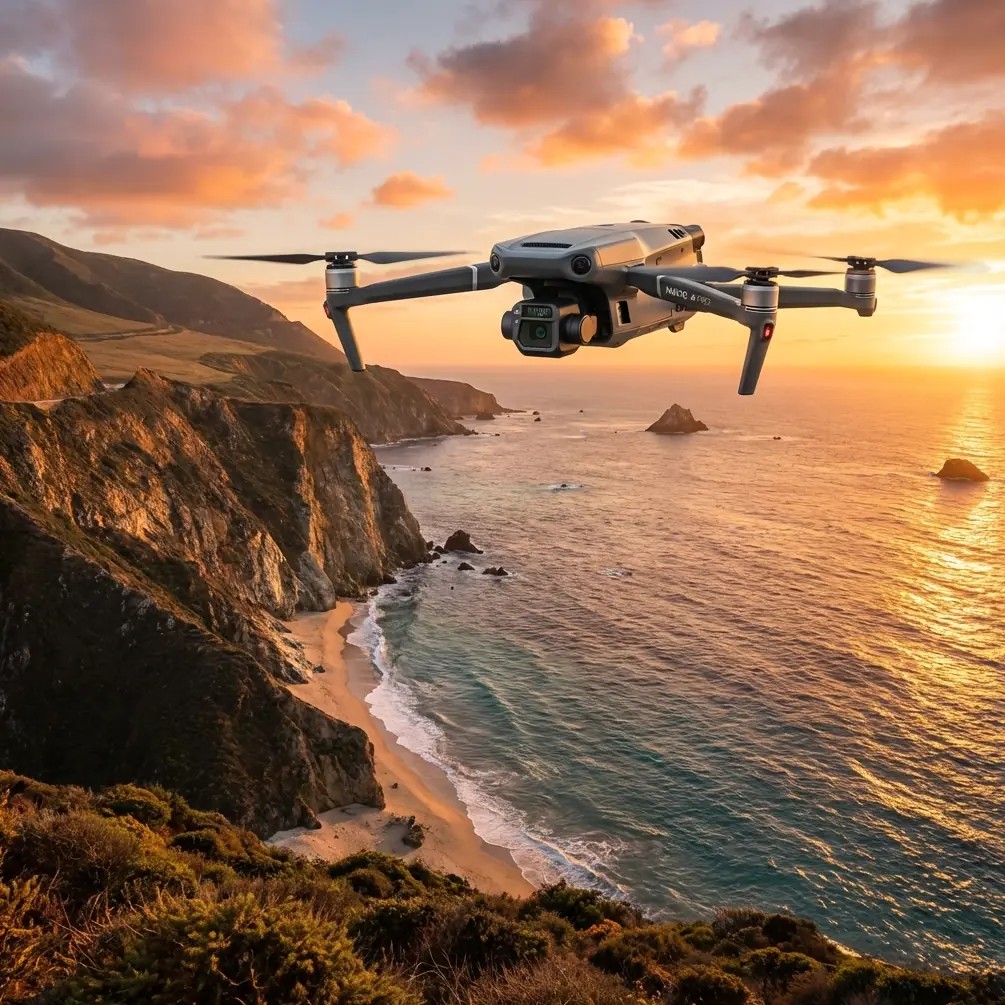
Mavic 3T Guide: Filming Urban Venues Like a Pro
META: Master urban venue filming with the Mavic 3T. Dr. Lisa Wang reveals essential techniques, pre-flight protocols, and pro tips for stunning commercial footage.
TL;DR
- Pre-flight sensor cleaning directly impacts thermal imaging accuracy and obstacle avoidance reliability in dense urban environments
- The Mavic 3T's triple-sensor payload combines wide, zoom, and thermal cameras for comprehensive venue documentation
- O3 transmission maintains stable 15km video feed even between tall buildings with signal interference
- Proper GCP placement and photogrammetry workflows transform raw footage into deliverable 3D venue models
Urban venue filming presents unique challenges that separate amateur drone operators from professionals. The DJI Mavic 3T addresses these challenges with enterprise-grade capabilities packed into a portable airframe—but only if you understand how to leverage its full potential.
This tutorial walks you through every step of filming commercial venues in urban environments, from critical pre-flight preparations to post-processing workflows that clients actually pay premium rates for.
Why Pre-Flight Cleaning Determines Mission Success
Before discussing flight techniques, let's address something most operators overlook: sensor maintenance directly affects safety systems.
The Mavic 3T relies on multiple sensors for obstacle avoidance, positioning, and image capture. In urban environments, dust, fingerprints, and debris accumulate rapidly. A smudged obstacle avoidance sensor doesn't just produce poor footage—it creates genuine collision risks near buildings, power lines, and other structures.
The 5-Minute Pre-Flight Cleaning Protocol
Follow this sequence before every urban venue shoot:
- Obstacle avoidance sensors (all six directions): Use a microfiber cloth with gentle circular motions
- Thermal sensor lens: Clean with a dedicated infrared-safe lens cloth—standard cloths can leave residue that creates false thermal signatures
- Wide and zoom camera lenses: Remove dust with a blower first, then wipe
- Gimbal mechanism: Check for debris in the gimbal motors that could cause vibration
- Propeller attachment points: Ensure clean contact surfaces for secure mounting
Expert Insight: I've seen thermal inspections completely invalidated because operators didn't realize a fingerprint on the thermal lens was creating a persistent cold spot in every frame. That single oversight cost one team a full day of re-shoots at a stadium venue.
This cleaning protocol takes five minutes but prevents hours of wasted flight time and potential safety incidents.
Understanding the Mavic 3T's Triple-Sensor Architecture
The Mavic 3T isn't just a drone with a camera—it's a synchronized imaging platform. Understanding how its three sensors work together transforms your venue filming capabilities.
Wide Camera Specifications
The 1/2-inch CMOS sensor captures 48MP stills and 4K/60fps video with a 24mm equivalent focal length. This serves as your primary establishing shot tool for venue exteriors and wide interior spaces when flying through open structures.
Telephoto Zoom Camera
The 12MP sensor with 56x hybrid zoom lets you capture architectural details from safe distances. When filming urban venues, this means documenting signage, structural features, and access points without flying dangerously close to buildings.
Thermal Imaging Sensor
The 640×512 resolution thermal camera with <50mK sensitivity detects temperature variations invisible to standard cameras. For venue filming, this reveals:
- HVAC system efficiency across building facades
- Electrical infrastructure heat patterns
- Crowd capacity indicators during events
- Water damage and insulation gaps
Essential Urban Venue Filming Techniques
Establishing the Venue Context
Start every venue shoot with contextual footage that places the location within its urban environment. The Mavic 3T's O3 transmission system maintains reliable video feed at distances up to 15km, though urban environments typically limit practical range to 3-5km due to building interference.
Fly a wide orbit at 120m AGL (Above Ground Level) to capture the venue's relationship to surrounding streets, transit access, and neighboring structures. This footage proves invaluable for client presentations and location scouting documentation.
Photogrammetry Flight Patterns for 3D Modeling
When clients need accurate 3D venue models, proper photogrammetry technique matters more than equipment specifications.
Optimal settings for venue photogrammetry:
- Flight altitude: Maintain consistent height throughout capture grid
- Overlap: 80% frontal overlap, 70% side overlap minimum
- GCP placement: Position 5-7 ground control points visible from multiple angles
- Gimbal angle: -60 to -90 degrees depending on facade complexity
- Speed: 3-5 m/s maximum for sharp image capture
Pro Tip: Place at least one GCP on the venue roof if accessible. This single reference point dramatically improves vertical accuracy in your final 3D model—something clients notice immediately when reviewing deliverables.
Thermal Documentation Workflows
Urban venues present unique thermal imaging opportunities. The Mavic 3T's thermal sensor captures data that standard video simply cannot reveal.
Best practices for venue thermal capture:
- Film during early morning (before sunrise) or evening (two hours after sunset) for clearest thermal signatures
- Maintain consistent distance from surfaces—thermal resolution degrades rapidly beyond 50m
- Capture both thermal and visible spectrum simultaneously for overlay documentation
- Note ambient temperature conditions—they affect thermal signature interpretation
Technical Comparison: Mavic 3T vs. Alternative Platforms
| Feature | Mavic 3T | Mavic 3 Enterprise | Matrice 30T |
|---|---|---|---|
| Thermal Resolution | 640×512 | 640×512 | 640×512 |
| Zoom Capability | 56x Hybrid | 56x Hybrid | 200x Hybrid |
| Flight Time | 45 minutes | 45 minutes | 41 minutes |
| Transmission Range | 15km (O3) | 15km (O3) | 15km (O3) |
| Hot-swap Batteries | No | No | Yes |
| Weight | 920g | 920g | 3770g |
| AES-256 Encryption | Yes | Yes | Yes |
| Portability | Excellent | Excellent | Moderate |
| BVLOS Capability | Limited | Limited | Enhanced |
For urban venue filming, the Mavic 3T offers the optimal balance between capability and portability. The Matrice 30T provides superior zoom and hot-swap batteries for extended operations, but its weight and size create practical challenges in congested urban environments.
Data Security Considerations
Urban venue filming often involves sensitive locations—corporate headquarters, government buildings, entertainment complexes. The Mavic 3T's AES-256 encryption protects footage during transmission, but operational security extends beyond technical specifications.
Security protocols for sensitive venue work:
- Enable Local Data Mode to prevent any network connectivity during flights
- Format SD cards using the drone's internal formatting tool before each job
- Transfer footage via direct cable connection rather than wireless methods
- Maintain chain of custody documentation for high-security clients
Common Mistakes to Avoid
Ignoring magnetic interference patterns: Urban environments contain massive amounts of steel and electrical infrastructure. Always perform compass calibration away from buildings, then verify heading accuracy before approaching the venue.
Underestimating signal reflection: O3 transmission handles multipath interference well, but flying between tall buildings creates unpredictable signal patterns. Maintain visual line of sight whenever possible, even when transmission range technically allows BVLOS operations.
Neglecting thermal calibration: The thermal sensor requires 15-20 minutes of operation to reach stable calibration. Flying immediately after power-on produces inconsistent thermal data that undermines professional deliverables.
Rushing GCP documentation: Ground control points only improve photogrammetry accuracy if you photograph them clearly from multiple angles. Spend extra time ensuring each GCP appears in at least 5-7 images from different positions.
Forgetting audio environment assessment: Urban venues mean traffic noise, HVAC systems, and crowd sounds. If your deliverable includes ambient audio, scout sound conditions before committing to flight times.
Frequently Asked Questions
What permits do I need for filming urban venues with the Mavic 3T?
Requirements vary by jurisdiction, but most urban venue filming requires Part 107 certification (in the US), property owner permission, and potentially airspace authorization through LAANC or manual FAA approval. Some municipalities require additional local permits for commercial drone operations. Always verify requirements before scheduling client shoots.
How does the Mavic 3T perform in light rain conditions?
The Mavic 3T carries an IP54 rating, providing protection against light rain and dust. However, water droplets on camera lenses severely degrade image quality, and thermal sensors can produce misleading readings when wet surfaces create artificial temperature variations. Schedule venue shoots for dry conditions whenever possible.
Can I fly the Mavic 3T indoors for large venue documentation?
Indoor flight is technically possible but requires careful consideration. Without GPS signal, the drone relies on visual positioning systems that struggle in low-light venues or spaces with reflective floors. Disable obstacle avoidance sensors that may trigger false positives from stage lighting or moving elements. Most importantly, ensure adequate ventilation—the Mavic 3T's cooling system requires airflow that enclosed spaces may not provide during extended operations.
Urban venue filming with the Mavic 3T rewards operators who invest time in proper preparation and technique refinement. The platform's capabilities far exceed what most operators actually utilize—mastering its full potential separates professional deliverables from amateur footage.
Ready for your own Mavic 3T? Contact our team for expert consultation.