
Mavic 3T Low-Light Vineyard Filming: A Field Method That
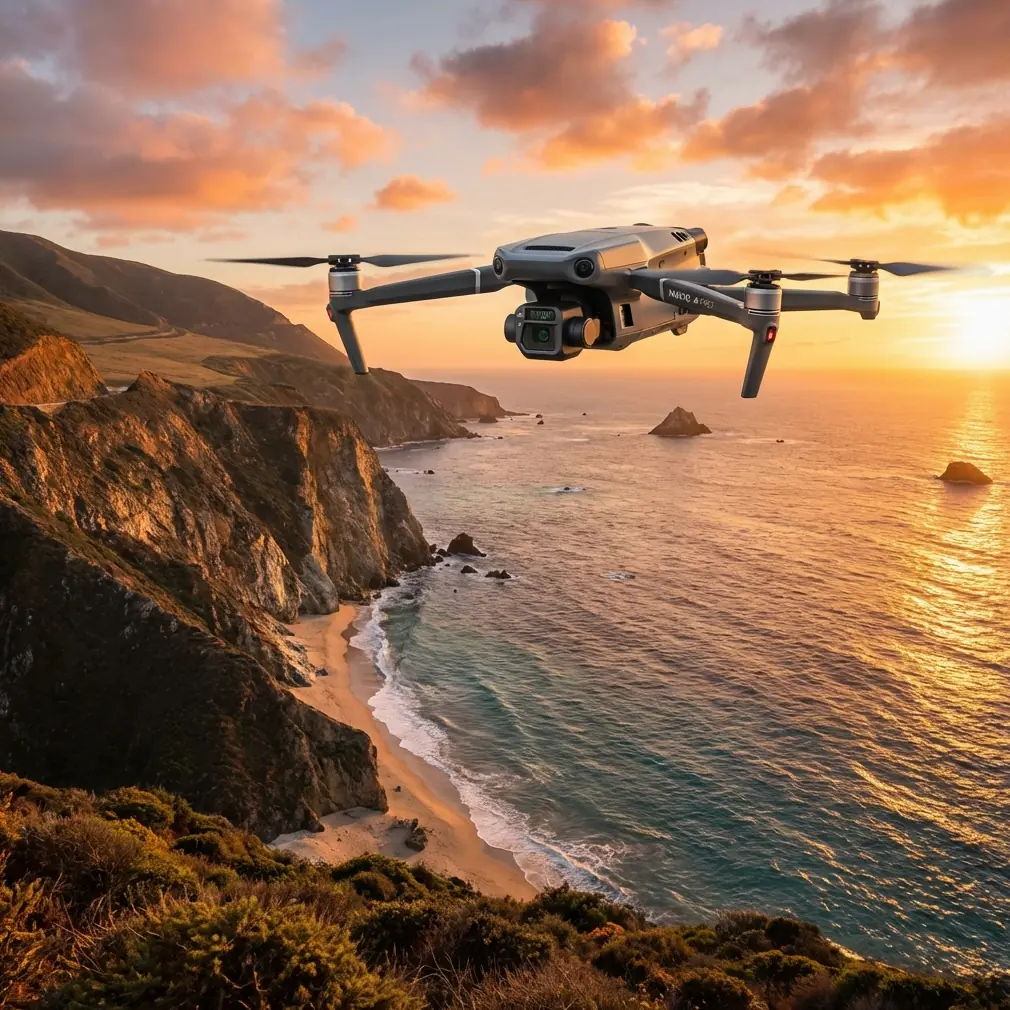
Mavic 3T Low-Light Vineyard Filming: A Field Method That Protects Detail, Data, and Wildlife
META: Practical Mavic 3T low-light vineyard filming guide with thermal workflows, O3 transmission tips, AES-256 security, GCP planning, and real field tactics for safer night operations.
Filming vineyards in low light sounds simple until you are actually in the rows. Vines create repeating patterns that can confuse autofocus and composition. Moisture shifts contrast by the minute. Terrain folds away faster than it appears on a monitor. Add workers, irrigation lines, wildlife, and the pressure to finish before first light, and the flight stops being cinematic in the casual sense. It becomes technical.
That is exactly where the DJI Mavic 3T earns its place.
I use the Mavic 3T differently from a standard camera drone because its value is not just image capture. It is layered awareness. The aircraft combines a wide camera, a tele camera, and a thermal sensor in a compact platform, which gives vineyard operators and content teams something more useful than “night footage.” It gives context. In low light, context is what prevents missed shots, bad decisions, and avoidable risk.
This guide is built for a specific scenario: filming vineyards before sunrise, after sunset, or under heavy overcast when visible detail drops and operational complexity rises.
Why the Mavic 3T Makes Sense in Vineyards After Dark
A vineyard is a structured environment, but it is not a simple one. Rows are orderly. Everything else is variable. Trellis height changes. Access roads bend around slopes. Fog settles into low blocks. Animals move along edges where vegetation thickens. In daylight, a pilot can solve many of these problems visually. In low light, that margin shrinks.
The Mavic 3T changes the equation because thermal signature becomes part of the flight language. You are no longer relying only on reflected visible light. Warm machinery, recently driven vehicles, irrigation pumps, livestock, and animals crossing between rows can stand out when the visible scene looks flat.
That matters operationally for two reasons.
First, it helps you keep the aircraft away from unplanned subjects. Second, it lets you design shots that show vineyard activity with more intent. If you are documenting frost mitigation, late harvest logistics, perimeter checks, or site conditions for an owner, thermal is not a gimmick. It is a second layer of truth.
The other detail that matters is transmission reliability. The Mavic 3T uses O3 transmission, and for vineyard work that is more than a spec sheet bullet. Vineyards often produce awkward signal conditions because rows, terrain undulation, outbuildings, and tree lines interrupt clean visual spacing between pilot and aircraft. A stable downlink helps you hold framing when you are tracking along a block edge or climbing above a slope to reveal the property gradually. In low light, confidence in link performance directly affects whether a shot feels controlled or tentative.
Start With the Mission, Not the Shot List
Most poor low-light flights begin with a creative goal and no operational hierarchy. I recommend reversing that.
Before takeoff, define which of these three missions you are actually flying:
- cinematic marketing footage of the vineyard in dawn or dusk conditions
- operational documentation, such as frost events, irrigation checks, or perimeter review
- mapping support, including photogrammetry reference capture for terrain or infrastructure context
The Mavic 3T can support all three, but the way you use sensors changes depending on priority.
If the mission is cinematic, visible-light composition leads and thermal serves safety and scene awareness.
If the mission is operational, thermal leads and visible footage becomes supporting evidence.
If the mission involves photogrammetry, you must accept an uncomfortable truth: low light is usually the wrong condition for your main mapping pass. The smarter approach is to use the Mavic 3T at low light for reconnaissance, obstacle review, and thermal context, then run the full photogrammetry mission when light is sufficient for consistent overlap and texture. Ground control points, or GCP targets, become much easier to validate when you are not forcing a camera to resolve fine detail in dim conditions.
This distinction saves time because it prevents the common mistake of trying to turn one twilight sortie into a cinematic shoot, a thermal inspection, and a mapping mission all at once.
A Real Vineyard Moment: When Thermal Changes the Plan
On one vineyard perimeter flight, we were lining up a low lateral pass along the edge of a block just after sunset. The visible feed looked clean enough to proceed. Then the thermal view showed two bright, moving shapes near the base of a row break. We paused the run, zoomed the tele camera to verify, and found a doe with a small fawn moving across the service path.
That is the kind of moment that separates sensor-rich flying from ordinary flying.
Without the thermal layer, the animals could have remained almost invisible against dark ground cover until the aircraft was much closer. Instead, we held position, adjusted the route, and waited for the pair to clear. The result was safer for wildlife, quieter for the site, and frankly better for the footage because the pilot was not suddenly improvising under pressure.
For vineyard operators, this is not just about ethics. It is about preserving steady operations. Wildlife encounters can break concentration, force abrupt stick inputs, and create unnecessary risk near trellis systems or perimeter vegetation. The Mavic 3T helps you see those problems before they become inputs.
The Low-Light Workflow I Recommend
Low-light vineyard filming needs discipline. Here is the field method I trust.
1. Walk the launch area before the aircraft leaves the ground
Do not trust memory from a daytime visit. Low-angle light and darkness make familiar terrain look different. Confirm vehicle position, worker location, irrigation hardware, loose netting, and any temporary equipment.
If you are working with a grower or estate manager, I prefer confirming the route in person and then sharing a simple communication channel before launch. A quick message thread can prevent wasted flights, and if you need coordinated access timing, this helps: message us here.
2. Use thermal first for hazard scanning
Before you chase footage, perform a short perimeter scan in thermal. Look for warm vehicles, personnel, animals, and active mechanical equipment. In vineyards, pumps and utility boxes can appear in places that matter for low passes or lateral reveals.
This scan informs route spacing. It also gives you a baseline of the site’s thermal signature before ground temperatures shift further into the evening.
3. Reserve your hero shots for the most stable light window
Low light is not one condition. It changes minute by minute. I usually divide it into three phases:
- blue hour where shape and sky color still carry visual structure
- edge darkness where contrast drops quickly and detail becomes selective
- true night where thermal and safety logic dominate over visual aesthetics
For most vineyard filming, the first phase gives the cleanest balance of atmosphere and usable image detail. Wait too long and your visible footage loses separation between vine rows, roadways, and background slopes.
4. Use tele with restraint
The Mavic 3T’s tele capability is valuable for compressing vineyard geometry and isolating workers, vehicles, or harvest activity from a safer distance. But low light punishes overuse of long focal lengths. Micro-movements become obvious. Atmospheric haze becomes more intrusive. Framing errors feel larger.
My rule is simple: use tele to inspect and confirm, not to build an entire mission around aggressive magnification in marginal light.
5. Keep your return profile conservative
Rows, wires, and poles are one problem. Fatigue is the other. Most errors happen when operators squeeze in “one more pass” as battery margins narrow and visibility worsens.
The Mavic 3T is compact enough to move quickly between launch points, so reposition instead of stretching a return route over complex ground. This is where hot-swap battery discipline matters in practice. Even if the aircraft itself is not doing a literal powered hot-swap in the enterprise sense of larger systems, your field battery rotation should function like one: organized, immediate, and predictable. Label packs, track cycle order, and never let a good light window tempt you into sloppy energy management.
Security Matters More Than Most Vineyard Teams Expect
Many vineyard flights involve more than pretty footage. You may be documenting crop stress, irrigation infrastructure, worker movement, perimeter conditions, or proprietary site layouts. In some regions, that is operationally sensitive information.
The Mavic 3T supports AES-256 encryption, and this has real significance for professional deployments. If you are capturing thermal overlays, property infrastructure, or route data, secure transmission is not a luxury feature. It reduces exposure during operations where data could reveal far more than a marketing video ever would.
This is especially relevant when estates are preparing for larger remote operations conversations, including future BVLOS pathways where governance, communication integrity, and procedural control matter much more. Even if your current mission is fully local and compliant within visual line of sight, building secure habits now prevents expensive procedural gaps later.
When to Use Thermal as the Story, Not Just the Safety Layer
Most pilots treat thermal as a checklist item: scan, verify, move on. In vineyards, that leaves value on the table.
There are legitimate storytelling uses for thermal when the client objective supports it. Frost mitigation is the obvious case. A thermal sequence can reveal how cold settles across low blocks, where equipment is active, and whether machinery or crews are concentrated in vulnerable zones. If the vineyard is evaluating site management or documenting weather response, thermal gives the footage analytical weight.
The key is not to overdo it. Thermal works best when paired with visible-light context. Show the normal scene, then reveal the heat pattern that explains what the eye cannot see. That structure is far more persuasive than filling an edit with abstract heat palettes.
Operational significance matters here. A thermal image alone can intrigue. A thermal image tied to a cold-air drainage pattern, a running fan, or a worker route can inform action.
Photogrammetry: What the Mavic 3T Can and Cannot Do at Low Light
The word photogrammetry gets used loosely, especially in agricultural media. Here is the practical view.
If your goal is accurate reconstruction, consistent overlap and clean ground texture matter more than atmospheric mood. Low light reduces the reliability of tie points, particularly in repetitive row structures where vines already challenge feature matching. That does not mean the Mavic 3T has no role. It means you should use it intelligently.
I recommend a two-stage workflow:
- low-light Mavic 3T sortie for reconnaissance, terrain awareness, thermal anomaly review, and GCP placement planning
- daylight mapping sortie for the actual photogrammetric acquisition
This preserves the strengths of both missions. Thermal can help identify wet zones, active equipment, or animal presence before crews set targets. Then, once light improves, you can validate GCP visibility and run a more dependable capture pattern.
Trying to force one twilight flight to produce both marketing footage and survey-grade reconstruction usually degrades both outputs.
Flight Technique That Looks Better on Screen
Low-light footage from a vineyard fails most often because the pilot flies too fast for the available detail. Rows become visual noise. Compression artifacts feel stronger. Even a stable aircraft can produce footage that feels nervous because the scene itself lacks clear contrast.
Slow down more than you think you need to.
Use diagonal movement sparingly. In vineyards, straight tracking moves along row edges often look cleaner because they preserve structure. Gentle ascents from below canopy line to reveal contour and horizon are also effective, especially when fog or residual ground moisture creates separation. Keep yaw inputs soft and deliberate. In dim scenes, abrupt yaw is the quickest route to footage that feels cheap.
One technical benefit of the Mavic 3T in this environment is that sensor variety lets you build the sequence in layers. Wide for geography. Tele for confirmation and selective detail. Thermal for hidden activity. If you structure the sortie that way, your footage becomes more coherent because each sensor has a job.
Final Field Checklist for Vineyard Low-Light Missions
Before launch, confirm these points:
- the mission priority is defined: cinematic, operational, or reconnaissance
- thermal scan happens before creative passes
- worker and vehicle positions are current, not assumed
- wildlife risk along row edges and tree lines is considered
- O3 transmission path is evaluated for terrain and structure interference
- AES-256 security settings and data handling procedures are understood
- battery rotation is organized well enough to support repeated short sorties
- GCP planning is separated from any serious photogrammetry capture if light is weak
That may sound strict for a compact drone mission. It is. Vineyards are deceptively technical environments, and the Mavic 3T rewards operators who treat it like a professional tool rather than a convenient camera with a thermal add-on.
The best low-light vineyard footage is not just beautiful. It is aware. It understands terrain, signal, subject separation, heat, motion, and the hidden variables that emerge after sunset. That is why the Mavic 3T remains such a strong platform for this work. Not because it makes night filming easy, but because it gives a disciplined pilot the right information to make better decisions when easy disappears.
Ready for your own Mavic 3T? Contact our team for expert consultation.