
Mavic 3T Guide: Filming Urban Wildlife Safely
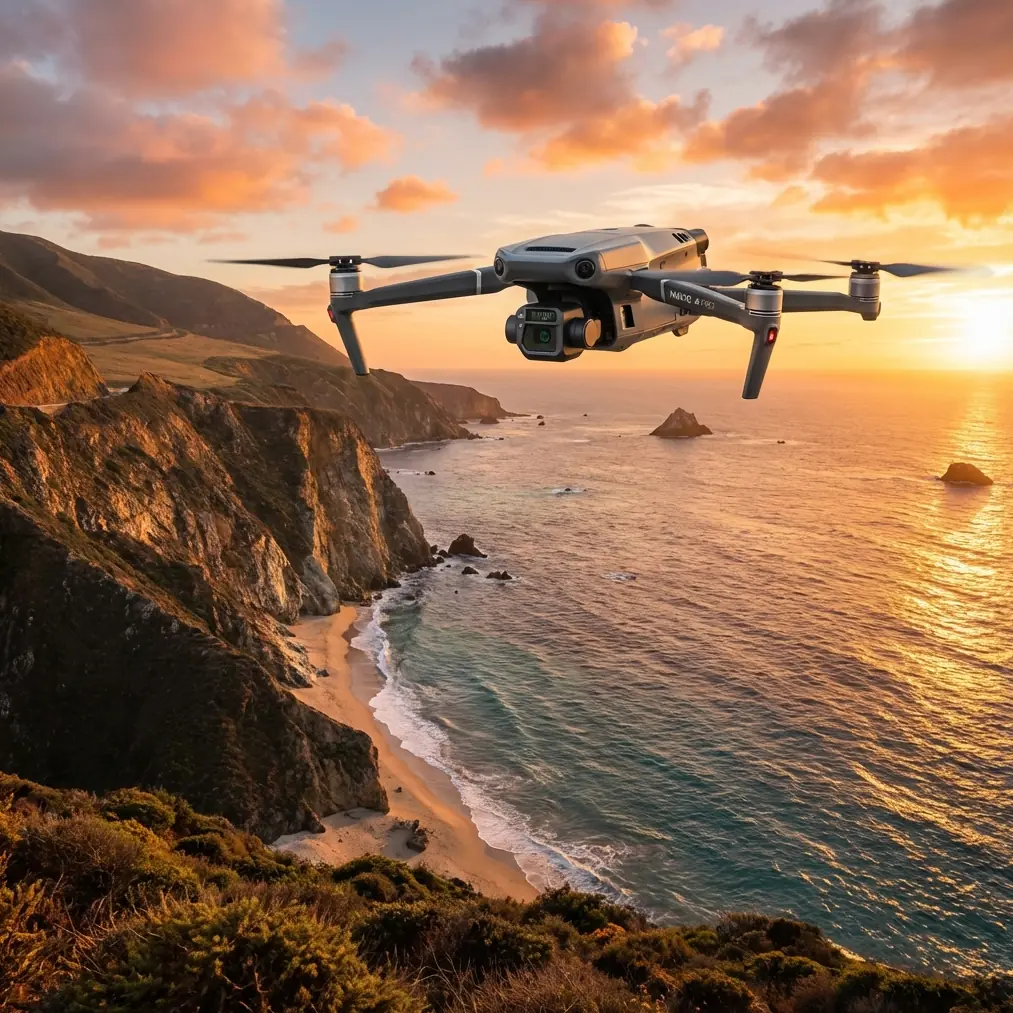
Mavic 3T Guide: Filming Urban Wildlife Safely
META: Master urban wildlife filming with the Mavic 3T's thermal imaging and quiet operation. Expert techniques for capturing stunning footage without disturbing animals.
TL;DR
- Thermal imaging reveals hidden wildlife in parks, rooftops, and urban green corridors that visible light cameras miss entirely
- 45-minute flight time enables extended observation sessions without constant battery swaps disrupting animal behavior
- O3 transmission maintains 15km video feed through urban RF interference from buildings and cell towers
- Mechanical shutter eliminates rolling shutter distortion when tracking fast-moving birds and mammals
Why Urban Wildlife Filming Demands Specialized Equipment
Cities harbor surprising biodiversity. Foxes navigate alleyways at dusk. Peregrine falcons nest on skyscrapers. Raccoons establish territories in storm drains. Capturing this hidden ecosystem requires equipment that operates quietly, sees through darkness, and maintains stable footage in challenging electromagnetic environments.
The Mavic 3T combines a 56× hybrid zoom, 640×512 thermal sensor, and wide-angle camera in a single platform weighing just 920g. This triple-camera system transforms urban wildlife documentation from guesswork into precision science.
Traditional wildlife filming relies on luck and patience. Thermal signature detection changes the equation entirely—you locate subjects before deploying visible light cameras, reducing flight time and minimizing disturbance to sensitive species.
Essential Pre-Flight Configuration for Wildlife Work
Thermal Sensor Calibration
Urban environments present unique thermal challenges. Concrete retains heat for hours after sunset. Glass reflects thermal energy unpredictably. HVAC systems create false positives that waste valuable flight time.
Configure your thermal palette before launch:
- White Hot mode works best for mammals against cool backgrounds
- Ironbow palette reveals temperature gradients in mixed environments
- Set gain mode to high for detecting small animals like squirrels and songbirds
- Enable isotherms to highlight specific temperature ranges matching your target species
Expert Insight: I learned this the hard way during a fox survey in Manchester—always perform a flat-field calibration when ambient temperature shifts more than 10°C from your last flight. The Mavic 3T's thermal sensor drifts slightly with temperature changes, and uncalibrated footage produces unreliable population counts.
Flight Parameter Optimization
Wildlife filming demands different settings than inspection or mapping work. Aggressive maneuvers spook animals. Loud motor noise triggers flight responses.
Adjust these parameters in DJI Pilot 2:
- Reduce maximum velocity to 8 m/s for approach sequences
- Set gimbal speed to 15% for smooth tracking shots
- Enable Tripod Mode for stationary observation
- Configure Return-to-Home altitude above local tree canopy height
The Mavic 3T's propeller design produces approximately 75dB at 1 meter. Maintaining 30+ meter standoff distances reduces perceived noise to levels most urban wildlife tolerates.
Mastering the Triple-Camera Workflow
Wide-Angle Scouting
The 24mm equivalent wide camera captures environmental context. Use this lens to establish habitat shots showing the relationship between wildlife and urban infrastructure.
Frame compositions that tell stories:
- Nest sites against city skylines
- Wildlife corridors connecting green spaces
- Human-animal interface zones
Thermal Detection Sequences
Switch to thermal imaging during dawn and dusk surveys when temperature differentials maximize contrast. Urban wildlife activity peaks during these transitional periods.
The 640×512 resolution thermal sensor detects animals as small as 15cm at distances up to 200 meters under optimal conditions. Factors affecting detection range include:
- Ambient temperature differential
- Target animal's metabolic rate
- Intervening vegetation density
- Atmospheric humidity levels
Telephoto Documentation
Once thermal imaging locates subjects, the 56× hybrid zoom (equivalent to 324mm at optical maximum) captures identification-quality footage without closing distance.
This zoom range enables species-level identification of:
- Bird plumage patterns
- Mammal facial markings
- Behavioral interactions
- Feeding and nesting activities
Battery Management for Extended Wildlife Sessions
Pro Tip: After burning through batteries too quickly during a three-hour owl survey, I developed a rotation system that maximizes effective flight time. Carry six batteries minimum for serious wildlife work. Keep three in an insulated bag maintaining 25-30°C—warm batteries deliver 12-15% more capacity than cold ones. While flying one battery, the next should be warming in your vehicle or a battery warmer.
Hot-swap batteries between the Mavic 3T and a portable charging station. The 100W charging capability restores batteries to 80% in approximately 35 minutes, enabling continuous operations during peak wildlife activity windows.
Monitor battery health metrics in DJI Pilot 2:
- Cycle count affects maximum capacity
- Cell voltage balance indicates degradation
- Temperature during discharge reveals internal resistance changes
Replace batteries exceeding 200 cycles for critical wildlife documentation work. Degraded batteries exhibit voltage sag under load, triggering unexpected Return-to-Home sequences during crucial filming moments.
Technical Comparison: Mavic 3T vs. Alternative Platforms
| Feature | Mavic 3T | Mavic 3 Classic | Matrice 30T |
|---|---|---|---|
| Thermal Resolution | 640×512 | None | 640×512 |
| Optical Zoom | 56× Hybrid | 7× Digital | 200× Hybrid |
| Flight Time | 45 minutes | 46 minutes | 41 minutes |
| Weight | 920g | 895g | 3770g |
| Noise Profile | Low | Low | Moderate |
| AES-256 Encryption | Yes | No | Yes |
| RTK Positioning | Optional | No | Built-in |
| BVLOS Capability | With approvals | Limited | Full |
The Mavic 3T occupies a unique position—thermal capability in a platform light enough for extended handheld launches and quiet enough for wildlife work. The Matrice 30T offers superior zoom but generates significantly more noise and requires larger launch areas.
Photogrammetry Applications for Habitat Mapping
Beyond direct wildlife observation, the Mavic 3T supports habitat assessment through photogrammetric mapping. Urban wildlife management increasingly relies on accurate vegetation surveys and corridor connectivity analysis.
Configure mapping missions with these parameters:
- 80% frontal overlap for dense vegetation
- 70% side overlap minimum
- GCP placement at habitat boundaries for georeferencing accuracy
- Nadir camera angle for orthomosaic generation
Thermal mapping during winter months reveals wildlife denning sites, roost locations, and movement corridors invisible to standard aerial photography. Combine thermal and RGB datasets in GIS software to create comprehensive habitat assessments.
Common Mistakes to Avoid
Flying too close during initial approach Urban wildlife tolerates drones at distance but flushes when aircraft descend rapidly or approach directly. Maintain 50+ meter standoff during first contact, reducing distance gradually over 5-10 minutes as animals habituate.
Ignoring wind effects on audio The Mavic 3T's microphone captures environmental audio useful for species identification. Wind speeds above 5 m/s render audio unusable. Schedule recording sessions during calm conditions or use external directional microphones on ground stations.
Neglecting O3 transmission limitations Urban environments contain significant RF interference. Buildings block line-of-sight. Cell towers create noise floors that degrade video links. Always maintain visual line of sight in dense urban areas despite the 15km theoretical range. Signal dropouts during critical filming moments lose irreplaceable footage.
Overlooking legal requirements Urban drone operations require awareness of airspace restrictions, privacy regulations, and wildlife protection laws. Many cities designate parks as no-fly zones. Nesting season restrictions may prohibit flights near certain species. Verify local regulations before every mission.
Using inappropriate thermal palettes Rainbow and Ironbow palettes look dramatic but reduce detection sensitivity. For pure wildlife detection, White Hot or Black Hot palettes maximize contrast and reveal subtle thermal signatures that colorized palettes obscure.
Frequently Asked Questions
What thermal signature characteristics help identify different urban wildlife species?
Mammals display consistent thermal signatures based on body mass and metabolic rate. Foxes present as elongated heat sources approximately 60-70cm in length with distinct head and tail differentiation. Raccoons appear as compact oval signatures with characteristic hand-like appendages visible during movement. Birds show minimal thermal contrast except during flight when wing surfaces create distinctive patterns. Learning these signature profiles dramatically improves detection efficiency during surveys.
How does AES-256 encryption protect wildlife location data?
The Mavic 3T encrypts all transmission data between aircraft and controller using AES-256 encryption. This protection prevents interception of GPS coordinates that could reveal sensitive nesting or denning locations to poachers or unauthorized parties. For endangered species documentation, this security feature represents essential protection for vulnerable populations. Encrypted flight logs also satisfy data protection requirements for research institutions and conservation organizations.
Can the Mavic 3T operate effectively for BVLOS wildlife corridor surveys?
With appropriate regulatory approvals, the Mavic 3T supports BVLOS operations for extended wildlife corridor mapping. The O3 transmission system maintains video links at distances exceeding practical visual observation. However, BVLOS wildlife work requires additional safety measures including ground-based visual observers, ADS-B receivers for manned aircraft detection, and comprehensive risk assessments. Most jurisdictions require specific waivers or certifications before conducting BVLOS operations regardless of aircraft capability.
Transform Your Urban Wildlife Documentation
The Mavic 3T bridges the gap between professional wildlife cinematography and accessible technology. Its thermal detection capabilities reveal urban ecosystems invisible to conventional cameras. The quiet operation and extended flight time enable observation sessions that capture natural behaviors rather than flight responses.
Mastering this platform requires understanding both its capabilities and limitations. Configure thermal settings for your specific targets. Manage batteries strategically for maximum effective flight time. Respect wildlife and regulatory boundaries.
Urban wildlife documentation contributes valuable data to conservation efforts while producing compelling content that connects city residents with the nature surrounding them.
Ready for your own Mavic 3T? Contact our team for expert consultation.