
Mavic 3T in Windy Wildlife Work: What Actually Holds Up
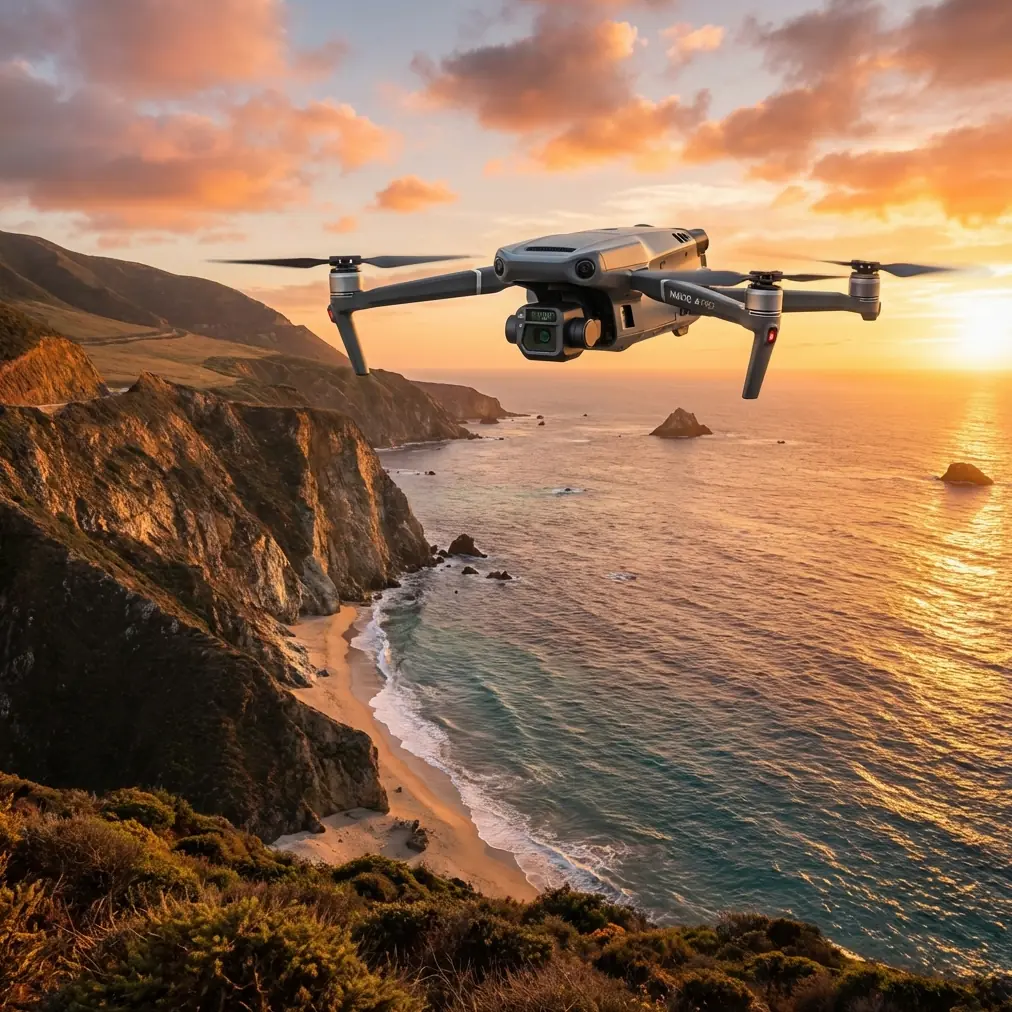
Mavic 3T in Windy Wildlife Work: What Actually Holds Up in the Field
META: A technical review of the DJI Mavic 3T for filming wildlife in windy conditions, with expert insight on thermal tracking, O3 transmission, AES-256 security, battery strategy, and field limitations.
Wind changes everything in wildlife drone work.
Not only the aircraft behavior, which most pilots expect, but also the animals, the thermal picture, the timing of takeoff, and the margin for error when you are trying to collect useful footage without disturbing the subject. That is where the Mavic 3T becomes interesting. Not as a generic “all-purpose” platform, but as a very specific tool for operators who need to read a scene fast, hold position cleanly, and switch between visual and thermal data without losing the thread of the encounter.
I have used and evaluated compact UAV systems in environmental monitoring scenarios where wind was not just an inconvenience. It was the condition that defined whether the mission produced evidence or empty files. The Mavic 3T sits in a narrow but valuable category: portable enough to deploy quickly, yet sensor-rich enough to do real work when the subject is moving through brush, shadows, and broken terrain.
For wildlife filming in windy conditions, that combination matters more than headline specs.
Why wind makes wildlife filming harder than most pilots admit
A windy day does not simply shake the image. It changes animal behavior and sensor reliability at the same time.
Birds alter their glide paths. Mammals pause less often in exposed areas. Warm air mixes unevenly over rocks, scrub, and water edges, which can flatten thermal contrast just when you need to distinguish a living target from a sun-heated background. If you are operating on a ridge, in coastal grassland, or over open plains, the aircraft may be stable enough to fly while the subject itself becomes less predictable.
That is why the Mavic 3T’s value is not just in one camera. It is in sensor pairing.
The platform’s thermal signature detection lets you find and re-find an animal after it slips under vegetation or crosses from open ground into partial cover. Then the visible imaging side gives you the context thermal alone cannot provide: posture, direction of travel, interaction with the habitat, and whether what you are seeing is actually your target rather than a warm rock face or livestock beyond the tree line.
This is especially useful in wind because animals often move in shorter, more reactive bursts. A thermal spot that appears for three seconds and vanishes is still enough to cue the pilot and camera operator to the right patch of ground.
I have seen this play out in a scenario that captures the Mavic 3T’s strengths well: a small deer group moving along the edge of a scrub corridor after a gust front passed through open grassland. The visible feed was intermittently compromised by moving vegetation and shifting contrast. The thermal channel, however, isolated the lead animal’s heat profile as it crossed behind low brush. That made it possible to keep the aircraft offset rather than pushing closer and risking disturbance. In wildlife work, that restraint is often the difference between documentation and interference.
The real advantage of thermal in wind is decision speed
People often treat thermal as a night-only feature. That is far too narrow.
In windy daytime wildlife missions, thermal gives the Mavic 3T an operational edge because it shortens search time. If your subject is already in the area but intermittently obscured, you do not need cinematic perfection from the thermal image. You need confirmation. Is the animal still there? Did it turn left into the drainage line? Did the flock lift off, or are they crouched low behind the rise?
Those decisions matter because hovering and repositioning in wind consumes time and battery margin. A compact aircraft does not have endless overhead. Every unnecessary pass works against you.
The Mavic 3T is at its best when the pilot uses thermal as a tactical layer rather than the final visual product. Acquire with heat, confirm with optics, then back off to preserve natural behavior. That sequence is efficient, and efficiency is what windy operations demand.
O3 transmission is not a luxury feature in wildlife missions
One of the most underrated practical details on this platform is O3 transmission.
For wildlife filming, especially in uneven terrain, transmission reliability is not just about convenience. It directly affects how conservatively you can fly. When wind is pushing the aircraft laterally and the subject is moving near tree lines, ravines, or rocky outcrops, a stable link helps you maintain cleaner stand-off distances. You are not tempted to overcommit the aircraft simply because you do not trust the feed.
This becomes even more relevant when filming species that react sharply to overhead movement. In those cases, you often want to hold farther out and let the sensor package do the work. A dependable live view supports that discipline.
There is also a documentation angle. Wildlife teams increasingly need more than dramatic footage. They need location-specific visual evidence, often tied to habitat observations, patrol notes, or survey logs. If the downlink is unstable, your ability to verify what you captured in the moment drops sharply. O3 transmission helps preserve confidence in the live decision chain, and that matters when you may only get one clean pass.
Why AES-256 belongs in the conversation
Most hobby-focused reviews barely mention AES-256. That is a mistake.
In professional wildlife operations, security is not abstract. Sensitive footage may reveal nesting sites, den locations, migration corridors, or the presence of protected species in areas vulnerable to poaching or human disturbance. If you are working with conservation groups, reserve managers, or field researchers, protecting the transmission and handling chain is part of responsible operations.
AES-256 matters because the Mavic 3T is often used in situations where the footage has ecological value beyond filmmaking. You are not simply shooting scenic aerials. You may be collecting data that should not circulate casually.
That shifts the platform from “useful camera drone” into “field instrument with chain-of-custody implications.” For some teams, that difference is decisive.
Battery planning in wind is where many otherwise good missions fall apart
The mention of hot-swap batteries is useful because it speaks to field rhythm, not just endurance.
In wildlife filming, especially when a weather window opens briefly, downtime between sorties matters. Wind may ease for twenty minutes near sunrise, then pick up again. If your system supports fast turnaround, you can cycle aircraft back into the air while the animals are still active in the same zone.
Hot-swap workflow is not about staying airborne forever. It is about preserving mission continuity.
That continuity becomes critical if you are building repeated observation sets or trying to capture behavior progression, such as a herd moving from sheltered cover into open feeding ground. Even a short interruption can break the narrative and leave you guessing whether the subject changed direction naturally or in response to your presence.
With the Mavic 3T, the practical lesson is simple: in wind, battery strategy should be more conservative than the aircraft’s brochure-level endurance suggests. Plan for extra reserve. Assume more energy for station-keeping. Use thermal early to reduce wasted search legs. Land before the mission becomes a battery management exercise.
Can the Mavic 3T support photogrammetry in wildlife contexts?
Yes, but with caveats.
Photogrammetry and wildlife filming are different mission types, though they sometimes overlap. Habitat documentation, erosion tracking near nesting areas, marsh edge change, and trail mapping can all benefit from aerial reconstruction. The Mavic 3T can contribute to that workflow, particularly when operators need a compact platform that can shift from scene capture to thermal reconnaissance in the same field day.
If you are using the aircraft for mapping-related work, GCP placement becomes the discipline that separates presentable imagery from defensible spatial output. Wind complicates this because vegetation movement degrades image consistency and low-level gusting can affect overlap quality. In open habitat, that means your photogrammetry pass should be planned independently from sensitive wildlife filming whenever possible.
Do not try to force one flight profile to do both jobs well.
Use the Mavic 3T for what it does best in this context: fast situational awareness, targeted observation, and selective environmental documentation. If you need high-confidence measurement products, your GCP workflow and flight timing need to be deliberate. That is not a flaw of the platform. It is simply the reality of combining ecological sensitivity with geospatial rigor.
The BVLOS question deserves a sober answer
BVLOS is often mentioned casually, but wildlife operations demand a more disciplined view.
Yes, the Mavic 3T has features that make people think beyond visual line of sight, particularly because thermal and robust transmission expand situational awareness. But capability does not equal permission, and permission does not remove operational risk. Wind, terrain masking, bird activity, and the unpredictable movement of animals all tighten the margin.
For wildlife filming, the smarter approach is usually not asking how far the aircraft can go. It is asking how much useful, ethical information you can gather while maintaining control, visibility, and minimal disturbance.
In many cases, the answer points back to structured VLOS operations with intelligent positioning rather than stretching distance. The Mavic 3T gives you enough sensing power that you often do not need to push the envelope to get meaningful results.
What the Mavic 3T does especially well in wildlife wind work
It reduces uncertainty.
That sounds simple, but it is the central issue in the field. Wind introduces ambiguity into everything: where the animal moved, whether the camera saw it correctly, whether the aircraft should reposition, whether the battery budget still supports one more pass. The Mavic 3T helps collapse that ambiguity through paired sensing, stable transmission, and field-ready deployment speed.
Its thermal signature capability is not merely a checkbox. It helps reacquire subjects in cluttered terrain. O3 transmission is not just a comfort feature. It supports safer stand-off filming in unstable air. AES-256 is not a corporate spec line. It matters when footage contains ecologically sensitive information. Hot-swap battery workflow is not convenience theater. It can preserve a narrow wildlife activity window that would otherwise be lost.
That is the difference between a spec sheet and a mission tool.
If you are trying to film wildlife in windy conditions, this aircraft rewards disciplined operators. Fly early when air is calmer if you can. Use thermal to cut search time. Keep your lateral offset generous. Avoid chasing behavior. Separate photogrammetry goals from pure observation goals unless the site and species tolerate it. Treat transmission security as part of field ethics, not an IT footnote.
And if you are building a mission kit or operating protocol around the Mavic 3T, it is worth comparing notes with someone who understands both aviation practice and ecological field constraints. I sometimes recommend operators start with a simple checklist review before they ever launch; this kind of field planning conversation tends to solve more problems than any accessory purchase.
The Mavic 3T is not magic in wind. No compact drone is.
But in the very specific case of wildlife filming where visibility shifts by the second, terrain is messy, and the subject should never be pressured for the sake of footage, it offers something more valuable than spectacle. It gives the pilot better information, sooner, with less intrusion.
That is why it earns a serious look.
Ready for your own Mavic 3T? Contact our team for expert consultation.