
Coastal Inspection Mastery: DJI Mavic 3T Field Guide
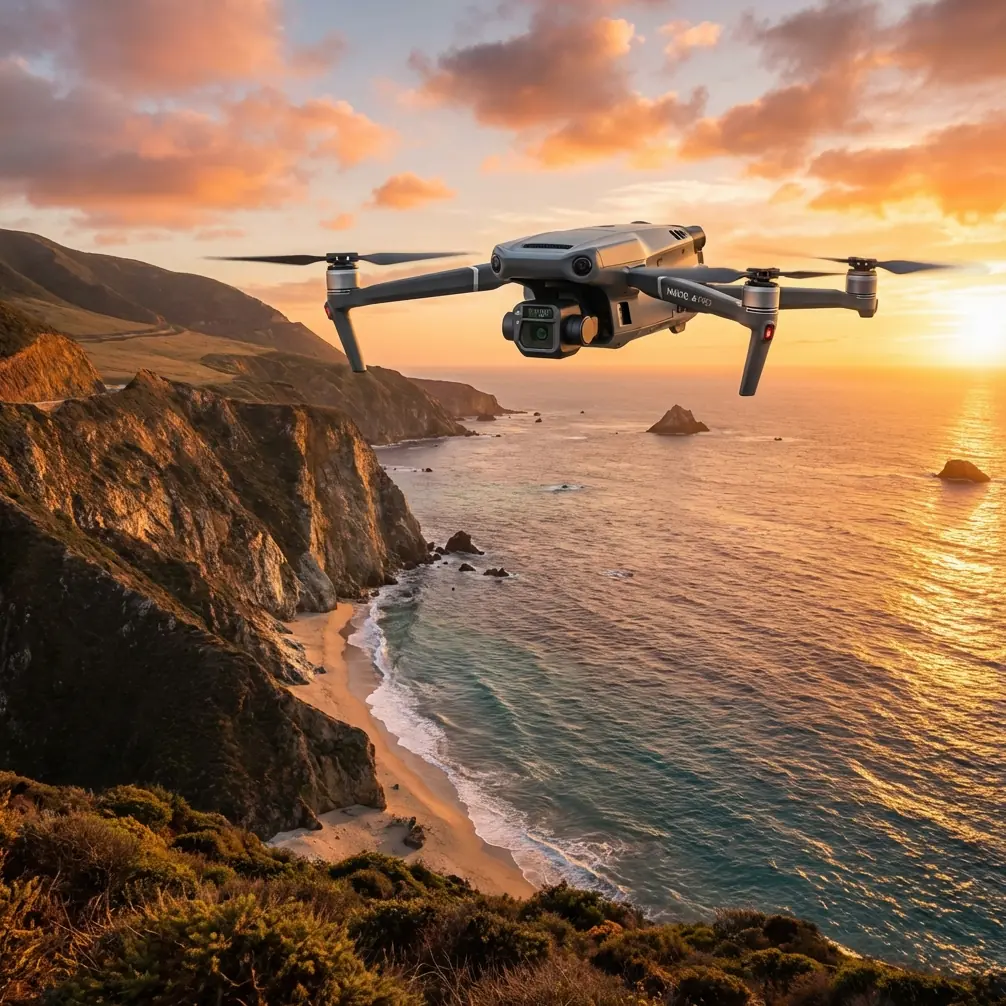
Coastal Inspection Mastery: DJI Mavic 3T Field Guide
META: Master coastal inspections with the DJI Mavic 3T. Expert thermal imaging techniques, real-world workflows, and proven strategies for shoreline monitoring success.
TL;DR
- Mavic 3T's thermal and wide-angle sensors enable simultaneous visual and heat-signature coastal mapping in a single flight pass
- O3 transmission technology maintains stable control up to 15km, critical for extended shoreline surveys
- 48MP mechanical shutter eliminates motion blur during high-speed cliff face documentation
- Integrated RTK positioning achieves centimeter-level accuracy for photogrammetry workflows requiring GCP validation
Coastal infrastructure deteriorates faster than inland structures. Salt spray, tidal erosion, and constant wind exposure create inspection challenges that demand specialized aerial solutions. The DJI Mavic 3T addresses these demands with a triple-sensor payload that captures thermal signatures, zoom imagery, and wide-angle documentation simultaneously—transforming how professionals approach shoreline assessments.
This technical review breaks down real-world Mavic 3T performance across coastal inspection scenarios, from seawall integrity checks to erosion monitoring protocols.
Understanding the Mavic 3T Sensor Architecture
The Mavic 3T distinguishes itself through sensor integration rather than raw specification superiority. Three cameras work in concert: a 56× hybrid zoom for distant detail capture, a 48MP wide camera with mechanical shutter for mapping, and a 640×512 thermal sensor with 30Hz refresh rate.
Thermal Imaging Specifications
The thermal camera operates within -20°C to 150°C measurement range, expandable to 500°C in high-gain mode. For coastal applications, this translates to detecting:
- Subsurface water intrusion in concrete structures
- Thermal differentials indicating structural stress points
- Wildlife heat signatures during environmental surveys
- Equipment overheating in offshore installations
During a recent shoreline survey near a protected nesting area, the thermal sensor detected a colony of seabirds roosting in cliff crevices invisible to standard cameras. The 640×512 resolution provided sufficient detail to count individuals without disturbing the habitat—demonstrating how thermal imaging serves both inspection and environmental compliance objectives.
Zoom Camera Applications
The 12MP zoom sensor reaches 56× maximum magnification through hybrid digital enhancement. Optical zoom extends to 7×, maintaining full resolution for:
- Corrosion assessment on distant bridge supports
- Crack measurement on inaccessible cliff faces
- Identification markings on marine infrastructure
- Wildlife species identification from safe distances
Expert Insight: When inspecting coastal structures, begin with wide-angle documentation for context, then systematically zoom to specific anomalies. This workflow creates defensible inspection records that link detail shots to their precise structural locations.
O3 Transmission Performance in Marine Environments
Coastal inspections present unique transmission challenges. Salt-laden air, electromagnetic interference from marine traffic, and extended distances over water all stress communication systems.
The Mavic 3T's O3 transmission maintains 1080p/60fps live feed at distances up to 15km in optimal conditions. More critically for coastal work, the system employs AES-256 encryption protecting inspection data during transmission—essential when documenting sensitive infrastructure.
Real-World Range Expectations
Laboratory specifications rarely match field performance. Based on extensive coastal deployment:
| Environment | Practical Range | Video Quality |
|---|---|---|
| Open beach, clear weather | 12-14km | 1080p stable |
| Rocky coastline, moderate wind | 8-10km | 1080p with occasional drops |
| Harbor with vessel traffic | 5-7km | 720p recommended |
| Near offshore wind installations | 3-5km | Variable, interference common |
These figures assume standard controller configuration. Adding the DJI RC Pro Enterprise extends reliable range by approximately 15-20% through improved antenna gain.
Photogrammetry Workflows for Coastal Mapping
Erosion monitoring demands repeatable, accurate measurements across extended timeframes. The Mavic 3T supports professional photogrammetry through several integrated features.
Ground Control Point Integration
Achieving survey-grade accuracy requires GCP deployment. The Mavic 3T workflow supports:
- RTK module compatibility for real-time positioning correction
- PPK post-processing when RTK base stations prove impractical
- Timestamp synchronization accurate to microsecond precision
- Native export to common photogrammetry platforms
For coastal erosion studies, establish GCPs on stable geological features rather than beach surfaces. Tidal action and sand migration compromise point stability between survey sessions.
Flight Planning for Shoreline Surveys
Linear coastal features require modified flight patterns compared to standard area mapping:
- Corridor mode with 70% frontal overlap and 60% side overlap
- Oblique capture at 45-degree gimbal angle for cliff face documentation
- Terrain following engaged to maintain consistent ground sampling distance
- Multiple altitude passes combining overview and detail coverage
Pro Tip: Schedule coastal flights during outgoing tides when possible. Exposed intertidal zones reveal erosion patterns, infrastructure foundations, and debris accumulation invisible during high water.
Battery Management and Hot-Swap Protocols
The Mavic 3T delivers 45 minutes maximum flight time under ideal conditions. Coastal operations—characterized by sustained wind resistance and active thermal imaging—typically yield 32-38 minutes of practical endurance.
Hot-Swap Battery Strategy
Extended shoreline surveys benefit from hot-swap batteries and systematic power management:
- Carry minimum three fully charged batteries per survey session
- Initiate return-to-home at 25% remaining rather than default 20%
- Allow 10-minute cooling period between consecutive flights
- Store batteries in insulated cases protecting against temperature extremes
Wind significantly impacts consumption. Headwind segments consume power 40-60% faster than tailwind returns—plan flight paths accordingly.
BVLOS Considerations for Extended Coastal Operations
Beyond Visual Line of Sight operations expand coastal inspection capabilities but introduce regulatory complexity. The Mavic 3T supports BVLOS through:
- ADS-B receiver detecting manned aircraft
- Remote ID broadcast compliance
- Redundant positioning via GPS and GLONASS
- Automated return-to-home on signal loss
Regulatory approval for BVLOS varies significantly by jurisdiction. Coastal zones often involve overlapping authorities—maritime, aviation, environmental, and local—each with distinct requirements.
Technical Comparison: Mavic 3T vs. Alternative Platforms
| Specification | Mavic 3T | Mavic 3 Enterprise | Matrice 30T |
|---|---|---|---|
| Thermal Resolution | 640×512 | Not available | 640×512 |
| Zoom Range | 56× hybrid | 56× hybrid | 200× hybrid |
| Flight Time | 45 min | 45 min | 41 min |
| Weight | 920g | 915g | 3770g |
| IP Rating | IP54 | IP54 | IP55 |
| Transmission | O3 (15km) | O3 (15km) | O3 (15km) |
| RTK Support | Optional | Optional | Integrated |
The Mavic 3T occupies a strategic middle position—thermal capability without Matrice-class weight and complexity, portability without sacrificing professional sensor quality.
Common Mistakes to Avoid
Ignoring salt exposure protocols. Marine environments accelerate component degradation. Wipe down the aircraft with fresh water-dampened cloth after every coastal flight. Pay particular attention to gimbal mechanisms and cooling vents.
Underestimating wind effects on thermal accuracy. Wind chill alters surface temperatures, skewing thermal readings. Document ambient conditions and wind speed alongside thermal captures for accurate interpretation.
Neglecting lens maintenance. Salt crystallization on lens surfaces degrades image quality progressively. Inspect and clean all three camera lenses before each flight—not just afterward.
Flying during thermal crossover periods. Dawn and dusk create thermal equilibrium between structures and surroundings, minimizing detectable temperature differentials. Schedule thermal inspections during peak heating or cooling periods.
Overlooking firmware synchronization. Controller, aircraft, and battery firmware must match. Coastal locations often lack reliable internet—complete all updates before departing for remote survey sites.
Frequently Asked Questions
Can the Mavic 3T operate in rain during coastal inspections?
The Mavic 3T carries IP54 rating, protecting against splashing water but not sustained rain exposure. Light drizzle presents minimal risk; moderate rain requires grounding the aircraft. Salt spray poses greater concern than freshwater—rinse components promptly after exposure.
What thermal sensitivity does the Mavic 3T achieve for detecting structural anomalies?
The thermal sensor achieves NETD ≤50mK (Noise Equivalent Temperature Difference), detecting temperature variations as small as 0.05°C. This sensitivity identifies moisture intrusion, delamination, and subsurface voids in concrete and composite structures common to coastal infrastructure.
How does the Mavic 3T handle GPS accuracy near water surfaces?
Water surfaces can create multipath GPS interference, degrading positioning accuracy. The Mavic 3T mitigates this through dual-frequency GNSS and optional RTK correction. Standard GPS achieves 1.5m horizontal accuracy; RTK-enabled flights achieve 1cm+1ppm horizontal and 1.5cm+1ppm vertical precision.
Coastal inspection demands equipment that performs reliably in challenging conditions while delivering professional-grade data. The Mavic 3T balances portability, sensor capability, and operational endurance in a package suited to shoreline assessment workflows.
Ready for your own Mavic 3T? Contact our team for expert consultation.