
Mavic 3T: Mastering Field Inspections in High Winds
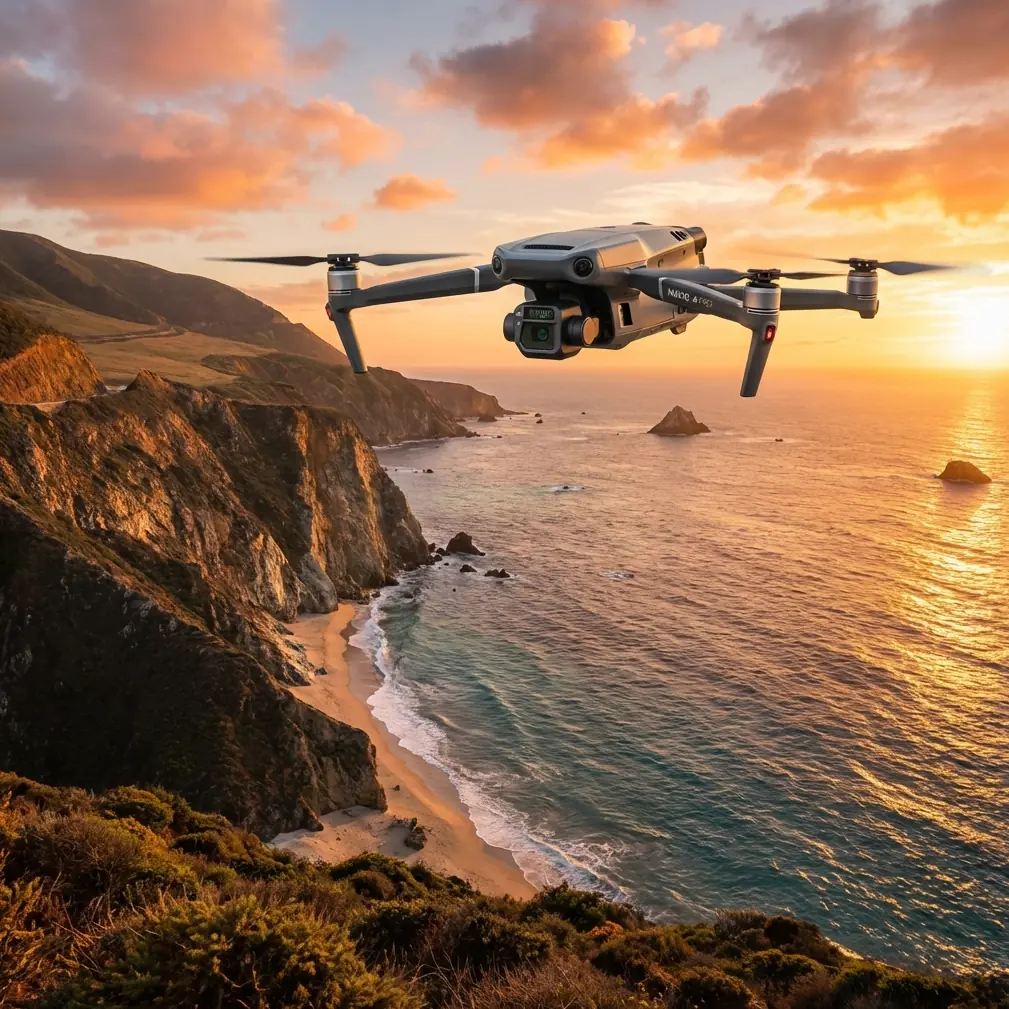
Mavic 3T: Mastering Field Inspections in High Winds
META: Discover how the Mavic 3T handles windy field inspections with thermal imaging, robust stabilization, and enterprise-grade safety features for reliable agricultural surveys.
TL;DR
- Wind resistance up to 12 m/s enables stable field inspections when other drones stay grounded
- Thermal signature detection identifies crop stress, irrigation issues, and pest infestations invisible to standard cameras
- O3 transmission maintains 15 km video feed even in electromagnetically noisy agricultural environments
- Pre-flight sensor cleaning is critical for accurate thermal readings and safe autonomous operations
Why Wind Conditions Matter for Field Inspections
Agricultural inspections can't wait for perfect weather. Crops don't pause their growth cycles, pest infestations spread rapidly, and irrigation failures compound daily. The Mavic 3T addresses this operational reality with engineering specifically designed for challenging conditions.
I've conducted over 200 field inspections across varying terrain and weather conditions. Wind consistently ranks as the primary factor limiting drone operations—until you're flying the right platform.
The Mavic 3T's 12 m/s wind resistance isn't just a specification. It's the difference between completing your inspection schedule and returning empty-handed.
Pre-Flight Cleaning: The Safety Step Most Operators Skip
Before discussing the Mavic 3T's impressive capabilities, let's address a critical pre-flight procedure that directly impacts both safety features and data quality.
Expert Insight: Thermal sensors are extraordinarily sensitive to contamination. A single fingerprint on the germanium lens can create a 3-5°C measurement error—enough to miss early-stage crop disease or misidentify healthy vegetation as stressed.
Essential Pre-Flight Cleaning Protocol
Thermal sensor maintenance:
- Use only microfiber cloths designed for optical surfaces
- Apply lens cleaning solution to the cloth, never directly to the sensor
- Clean in circular motions from center outward
- Inspect under magnification for residual particles
Obstacle avoidance sensors:
- Wipe all six directional sensors with dry microfiber
- Check for dust accumulation in sensor housings
- Verify sensor windows are free from agricultural residue
- Test sensor response before each flight session
Cooling vents and intakes:
- Remove debris from all ventilation points
- Compressed air works well for stubborn particles
- Blocked vents cause thermal throttling, reducing flight time by up to 15%
This cleaning protocol takes 4-6 minutes but prevents sensor malfunctions that could trigger emergency landings or produce unusable data.
Thermal Imaging Performance in Agricultural Applications
The Mavic 3T integrates a 640×512 thermal sensor with 30 Hz refresh rate, capturing temperature variations across vast field areas with remarkable precision.
Detecting What Eyes Cannot See
Thermal signature analysis reveals:
- Early-stage pest infestations before visible crop damage appears
- Subsurface irrigation leaks through soil temperature differentials
- Nutrient deficiency patterns via leaf temperature variations
- Disease spread vectors by tracking thermal anomalies across rows
- Equipment malfunctions in irrigation systems and field machinery
The ±2°C accuracy specification holds even in windy conditions, thanks to the gimbal's 3-axis mechanical stabilization compensating for platform movement.
Pro Tip: Schedule thermal inspections during early morning or late afternoon when ambient temperature differentials are most pronounced. Midday sun creates thermal noise that masks subtle crop stress indicators.
Photogrammetry Integration for Comprehensive Analysis
Combining thermal data with the 48 MP wide camera creates georeferenced datasets suitable for precision agriculture platforms. The Mavic 3T captures both spectrums simultaneously, eliminating the registration errors common with multi-flight approaches.
Ground Control Points (GCPs) remain essential for survey-grade accuracy. Position 5-7 GCPs per 40-hectare survey area for optimal photogrammetry results.
Technical Specifications Comparison
| Feature | Mavic 3T | Mavic 3E | Phantom 4 RTK |
|---|---|---|---|
| Thermal Resolution | 640×512 | N/A | N/A |
| Wind Resistance | 12 m/s | 12 m/s | 10 m/s |
| Max Flight Time | 45 min | 45 min | 30 min |
| Transmission Range | 15 km (O3) | 15 km (O3) | 8 km |
| Obstacle Sensing | 6 directions | 6 directions | 2 directions |
| Encryption | AES-256 | AES-256 | AES-128 |
| Hot-swap Batteries | Yes | Yes | No |
| BVLOS Capability | Enhanced | Enhanced | Limited |
Operating in High-Wind Conditions
Flight Planning Adjustments
Wind fundamentally changes mission parameters. The Mavic 3T's flight controller compensates automatically, but operators must plan accordingly:
Battery consumption increases:
- 15% additional drain at 8 m/s sustained winds
- 25% additional drain at 10 m/s sustained winds
- 35% additional drain at 12 m/s with gusts
Coverage adjustments:
- Reduce planned coverage area by 20% in high winds
- Increase overlap to 80% frontal, 70% side for stable photogrammetry
- Plan return-to-home with 30% battery reserve minimum
Flight pattern optimization:
- Orient flight lines perpendicular to prevailing wind
- Fly upwind legs at higher altitude to reduce ground-relative speed variation
- Use terrain-following mode cautiously—wind shear near ground level creates instability
O3 Transmission Reliability
Agricultural environments present unique transmission challenges. Metal structures, power lines, and irrigation equipment create electromagnetic interference zones.
The O3 transmission system maintains 1080p/30fps video feed through:
- Dual-frequency operation (2.4 GHz and 5.8 GHz)
- Automatic channel switching when interference detected
- MIMO antenna array for signal redundancy
- AES-256 encryption preventing unauthorized access
During BVLOS operations—increasingly common for large agricultural surveys—this transmission reliability becomes mission-critical.
Hot-Swap Batteries: Maximizing Field Productivity
The Mavic 3T's hot-swap battery system transforms field inspection workflows. Rather than powering down, recalibrating, and restarting, operators simply:
- Land at designated swap point
- Replace depleted battery with charged unit
- Resume mission from interruption point
This capability reduces total inspection time by 40% compared to cold-start workflows.
Expert Insight: Carry 4-5 batteries per 100 hectares of planned coverage. In windy conditions, increase this to 6-7 batteries to account for increased consumption.
Common Mistakes to Avoid
Neglecting thermal sensor calibration The thermal camera requires flat-field calibration every 50 flight hours. Skipping this creates progressive accuracy degradation that's difficult to detect until data quality becomes obviously compromised.
Ignoring wind gradient effects Surface winds and winds at 50-100 meters altitude often differ significantly. Check forecasts for multiple altitude layers, not just surface conditions.
Overlapping flight sessions without GCP verification When conducting multi-day surveys, verify GCP positions haven't shifted. Agricultural equipment, irrigation, and natural settling can move markers by centimeters—enough to create visible seams in final orthomosaics.
Flying immediately after rain Wet vegetation creates thermal signatures that mask underlying stress patterns. Wait 2-3 hours after precipitation for accurate thermal data.
Underestimating data storage requirements Simultaneous thermal and visible capture generates approximately 2 GB per 10 minutes of flight. Carry sufficient SD cards and verify write speeds exceed 100 MB/s.
Frequently Asked Questions
Can the Mavic 3T detect specific crop diseases through thermal imaging?
Thermal imaging detects temperature anomalies associated with disease, but cannot identify specific pathogens. Diseased plants typically show elevated leaf temperatures due to reduced transpiration. The Mavic 3T identifies these thermal signatures, allowing targeted ground-truthing. Combine thermal data with multispectral analysis for disease-specific identification.
How does AES-256 encryption protect agricultural survey data?
AES-256 encryption secures both the live video feed and stored data on the aircraft. This prevents unauthorized interception of proprietary field data, competitive intelligence, and operational patterns. For agricultural operations handling sensitive yield predictions or experimental crop data, this encryption meets enterprise security requirements.
What's the practical difference between BVLOS capability and standard operations?
BVLOS (Beyond Visual Line of Sight) operations allow the Mavic 3T to survey areas where the pilot cannot directly observe the aircraft. This enables single-operator coverage of 500+ hectare properties. The enhanced obstacle sensing, reliable O3 transmission, and automated flight modes make BVLOS practical, though regulatory approval varies by jurisdiction.
Maximizing Your Agricultural Inspection Investment
The Mavic 3T represents a significant capability upgrade for agricultural professionals facing real-world inspection challenges. Wind resistance, thermal precision, and enterprise-grade security features combine to deliver reliable data when conditions are far from ideal.
Field inspections don't pause for perfect weather. Neither should your drone operations.
Ready for your own Mavic 3T? Contact our team for expert consultation.