
Mavic 3T: Smarter Urban Field Inspections
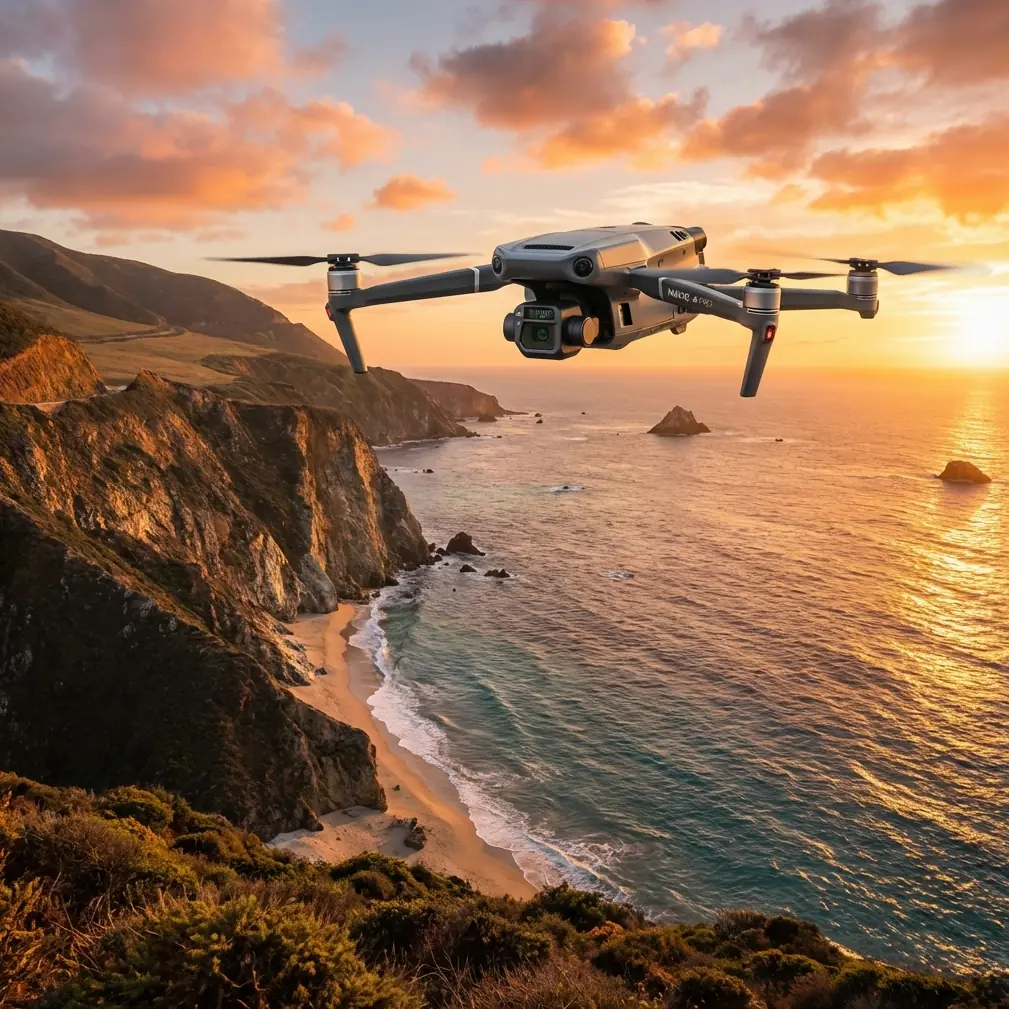
Mavic 3T: Smarter Urban Field Inspections
META: Discover how the DJI Mavic 3T transforms urban field inspections with thermal imaging, photogrammetry, and O3 transmission for faster, safer workflows.
By James Mitchell | Urban Inspection Specialist & Drone Operations Expert
TL;DR
- The Mavic 3T combines a mechanical shutter wide camera, zoom camera, and thermal sensor in a compact airframe purpose-built for urban field inspection workflows.
- O3 transmission ensures stable feeds up to 15 km, critical when navigating dense city infrastructure and electromagnetic interference.
- AES-256 encryption protects all data in transit, satisfying compliance requirements for municipal and government contracts.
- Hot-swap batteries and sub-10-minute deployment mean a single operator can cover multiple urban sites in a single morning.
The Urban Inspection Problem Nobody Talks About
Urban field inspections are brutal on equipment and operators. Between rooftop HVAC arrays, solar panel installations on commercial buildings, green infrastructure plots wedged between high-rises, and aging utility corridors running beneath city streets, inspectors face a unique cocktail of obstacles: restricted airspace, electromagnetic interference, limited launch zones, and tight timelines dictated by permit windows.
I spent three years running inspection crews across metropolitan infrastructure projects using a patchwork of single-sensor drones. We'd fly one platform for RGB data collection, land, swap to a thermal-equipped unit, recalibrate, and re-fly the same grid pattern. On a good day, a single urban lot took four hours. On a bad day—wind gusts between buildings, signal dropouts from nearby cell towers, battery swaps in a parking garage—it took the entire shift.
The DJI Mavic 3T eliminated that workflow bottleneck entirely. Here's exactly how it did it, and why it's become the standard tool in my urban inspection kit.
What Makes the Mavic 3T Built for Urban Fieldwork
Triple-Sensor Payload in a Foldable Frame
The Mavic 3T packs three cameras into a body that folds down small enough to fit in a backpack:
- Wide Camera: 48 MP, 1/2-inch CMOS sensor with a mechanical shutter — eliminates rolling shutter distortion during photogrammetry flights over structured urban environments.
- Zoom Camera: 12 MP with 56× max hybrid zoom — lets you inspect rooftop equipment, facade damage, or signage from a safe standoff distance without entering restricted zones.
- Thermal Camera: 640 × 512 resolution uncooled VOx sensor with a thermal signature sensitivity of ≤50 mK (NETD) — picks up subtle temperature differentials in insulation failures, moisture intrusion, and subsurface pipe leaks.
This triple-sensor configuration means a single flight captures everything. No swapping platforms. No recalibration. No wasted permit time.
O3 Transmission: Signal Stability Where It Matters Most
Urban environments are electromagnetic nightmares. Cell towers, Wi-Fi routers, Bluetooth devices, and broadcast antennas saturate the 2.4 GHz and 5.8 GHz bands. The Mavic 3T's O3 enterprise transmission system dynamically hops between frequencies and maintains a stable 1080p live feed at up to 15 km range.
In practice, I've flown inspections between 40-story buildings in downtown corridors without a single frame drop. The triple-antenna design on the controller ensures that even when the drone dips behind a structure momentarily, the link recovers in under a second.
Expert Insight: When flying in dense urban canyons, position yourself at the highest accessible point on-site — even a second-floor balcony or parking structure roof dramatically improves O3 link quality by reducing multipath interference from ground-level reflections.
AES-256 Encryption and Data Security
Municipal contracts, utility inspections, and government infrastructure projects increasingly mandate encrypted data pipelines. Every byte transmitted between the Mavic 3T and the DJI RC Pro Enterprise controller is protected by AES-256 encryption. Flight logs, imagery, and thermal data remain secure from capture through transfer.
This isn't a checkbox feature. I've won contracts specifically because competitors couldn't demonstrate end-to-end data security compliance. The Mavic 3T's encryption protocol satisfies NIST 800-171 and similar frameworks out of the box.
Real-World Urban Workflow: From Launch to Deliverable
Pre-Flight: GCP Placement and Mission Planning
For photogrammetry-grade outputs, ground control points (GCP) are non-negotiable in urban settings. GPS accuracy degrades near tall structures due to signal multipath. I place a minimum of five GCPs per hectare using survey-grade RTK markers, then import their coordinates into DJI Pilot 2.
The Mavic 3T supports automated waypoint missions with adjustable overlap settings. For urban field inspections, I run:
- 80% frontal overlap / 70% side overlap for RGB orthomosaic generation
- Terrain follow mode engaged to maintain consistent GSD across uneven urban topography
- Thermal camera recording simultaneously at a locked frame rate for post-flight overlay analysis
Mid-Flight: Real-Time Thermal Triage
The split-screen display on the RC Pro Enterprise controller lets me monitor RGB and thermal feeds simultaneously. During a recent municipal stormwater inspection across 12 urban bioretention cells, I identified three subsurface pipe failures in real-time by spotting anomalous thermal signatures — cool zones indicating water pooling beneath the surface where it shouldn't have been.
That real-time triage capability turned a two-week investigation into a single afternoon of fieldwork.
Post-Flight: Hot-Swap and Multi-Site Coverage
Each Mavic 3T battery delivers approximately 45 minutes of flight time. With hot-swap batteries — I carry four in a compact charging case — I can cycle through sites without returning to base.
A typical urban inspection morning looks like this:
- Site 1 (commercial rooftop solar array): 2 flights, 35 minutes total
- Transit: 15 minutes
- Site 2 (municipal green infrastructure corridor): 3 flights, 50 minutes total
- Transit: 10 minutes
- Site 3 (utility easement thermal scan): 1 flight, 18 minutes total
Three sites. One operator. One platform. Done before lunch.
Pro Tip: Label your batteries with numbered tape and rotate them in sequence. Tracking cycle counts per battery prevents unexpected mid-flight capacity drops — especially critical during BVLOS waiver operations where you can't visually monitor the aircraft.
Technical Comparison: Mavic 3T vs. Common Alternatives
| Feature | Mavic 3T | Generic Dual-Sensor Drone | Enterprise Fixed-Wing |
|---|---|---|---|
| Sensor Count | 3 (Wide + Zoom + Thermal) | 2 (Wide + Thermal) | 1–2 (varies) |
| Thermal Resolution | 640 × 512 | 320 × 256 | 640 × 512 |
| Max Flight Time | 45 min | 28–35 min | 55–90 min |
| Zoom Capability | 56× hybrid | None or 10× digital | Rarely available |
| Transmission | O3 (15 km, AES-256) | Wi-Fi or OcuSync 2.0 | Proprietary (varies) |
| Folded Portability | Backpack-ready | Pelican case required | Vehicle-mounted |
| Photogrammetry Support | Mechanical shutter, GCP workflow | Electronic shutter (distortion risk) | Limited hover capability |
| BVLOS Readiness | Yes (with waiver compliance) | Limited | Yes |
| Deployment Time | Under 10 minutes | 15–25 minutes | 30–60 minutes |
Common Mistakes to Avoid
1. Skipping GCPs in urban photogrammetry flights. GPS multipath near buildings can introduce 2–5 meter horizontal errors. Without GCPs, your orthomosaic may be geometrically useless for engineering deliverables. Always place and survey control points.
2. Ignoring thermal calibration warm-up. The Mavic 3T's thermal sensor requires 5–8 minutes of powered-on time before readings stabilize. Launching immediately after power-on produces inaccurate thermal signature data during your first pass. Power on the aircraft, let it sit, then fly.
3. Flying at noon for thermal inspections. Solar loading on urban surfaces peaks mid-day, washing out subtle temperature differentials. Schedule thermal flights for early morning or late afternoon when ambient-to-target contrast is highest.
4. Using default overlap settings for urban terrain. The factory preset overlap percentages are designed for open, flat terrain. Urban fields with vertical structures, fences, and grade changes need increased overlap — bump it up by at least 10% from your rural defaults.
5. Neglecting to check local airspace restrictions per site. Urban environments often fall within controlled airspace, temporary flight restrictions, or near heliports. Verify LAANC authorization or airspace waivers for every single site, even if they're only a few blocks apart.
Frequently Asked Questions
Can the Mavic 3T perform BVLOS operations in urban areas?
The Mavic 3T is technically capable of BVLOS operations with its O3 transmission range and automated waypoint missions. Regulatory approval, however, depends on your jurisdiction. In the United States, you'll need an FAA Part 107 waiver specifically approving BVLOS under defined conditions. The aircraft's onboard ADS-B receiver and obstacle sensing system support waiver applications, but approval is never guaranteed. Work with a Part 107 waiver consultant before planning BVLOS urban missions.
How does the Mavic 3T handle electromagnetic interference in cities?
The O3 enterprise transmission system uses dynamic frequency hopping across 2.4 GHz and 5.8 GHz bands, automatically selecting the cleanest channel in real time. In my experience across dozens of dense urban environments — including flights within 200 meters of active cell towers — the system has maintained consistent video downlink without manual intervention. The triple-antenna controller design also provides spatial diversity to combat multipath fading from reflective building surfaces.
What photogrammetry software works best with Mavic 3T data?
The Mavic 3T's mechanical shutter wide camera produces distortion-free stills that process cleanly in all major photogrammetry platforms. I've used DJI Terra for rapid field processing, Pix4Dmapper for detailed urban orthomosaics, and Agisoft Metashape for combined RGB-thermal point cloud generation. The key advantage is the embedded RTK/PPK metadata and GCP integration, which gives you survey-grade accuracy regardless of which software you prefer. Export formats include GeoTIFF, LAS, OBJ, and standard orthomosaic tiles.
Take Your Urban Inspections to the Next Level
The Mavic 3T isn't just an incremental upgrade over single-sensor platforms — it's a fundamentally different approach to urban field inspection. Three sensors, one flight, encrypted data, and a backpack-portable form factor mean you spend less time setting up and more time delivering actionable intelligence to your clients.
Ready for your own Mavic 3T? Contact our team for expert consultation.