
Mavic 3T Field Inspection in Mountain Terrain
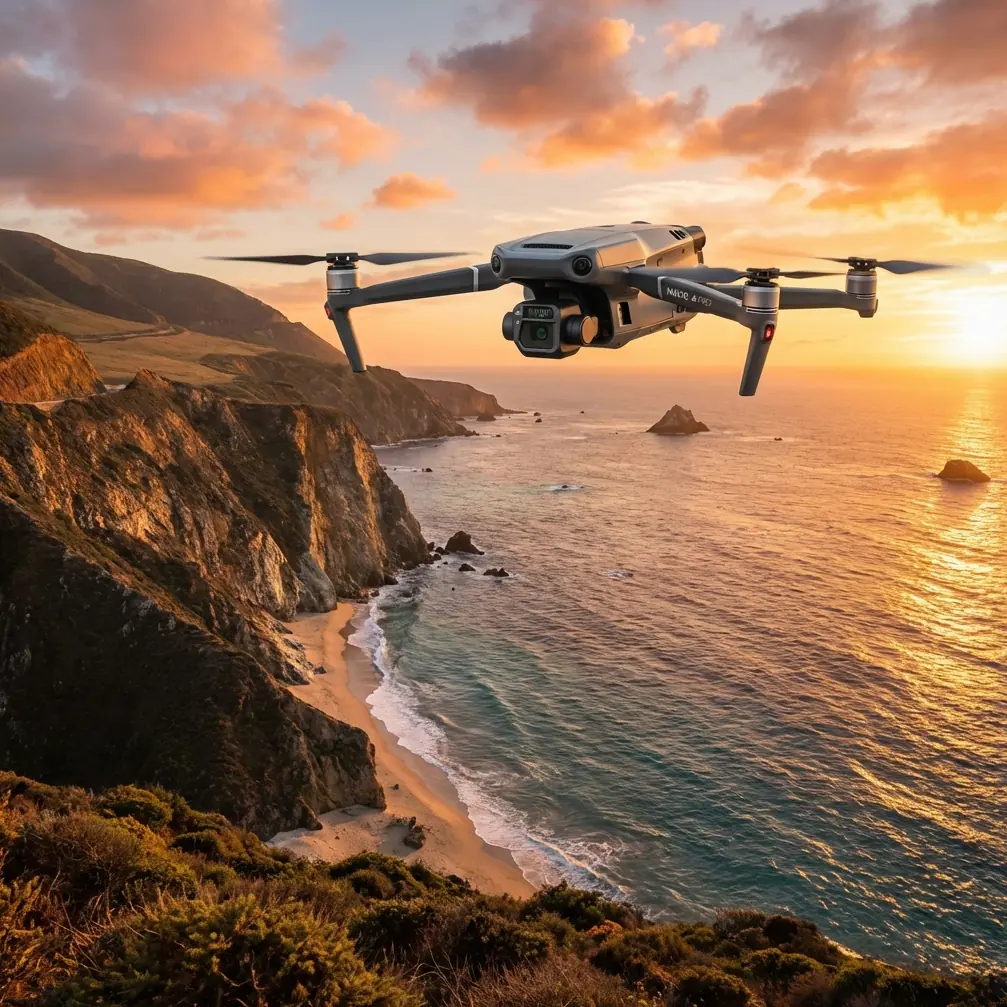
Mavic 3T Field Inspection in Mountain Terrain: A Practical Workflow That Actually Holds Up
META: Expert tutorial on using the DJI Mavic 3T for mountain field inspections, covering thermal workflow, battery management, signal reliability, mapping accuracy, and safe mission planning.
Mountain field inspections punish weak workflows. Steep elevation changes distort your sense of distance, shadows move fast, wind behaves differently on every ridgeline, and batteries seem to drain quicker than they do on flat ground. That is exactly where the Mavic 3T earns its place. Not because it makes the terrain easy, but because it gives you enough sensing, transmission stability, and thermal utility to keep a difficult inspection organized.
If your job is checking crop stress, irrigation lines, livestock movement, retaining walls, access tracks, or storm damage across mountain farmland, the Mavic 3T can be a sharp tool. But only if you use it with a field-first method. This is not a generic “how to fly a drone” overview. It is a practical approach for getting useful inspection data with the Mavic 3T when the site sits on uneven ground and the margin for error is thin.
Why the Mavic 3T makes sense in mountain inspections
The Mavic 3T is unusually well suited to mixed inspection work because it combines a thermal camera with a visual payload in a compact aircraft that can move quickly between viewpoints. In mountain terrain, that matters more than spec-sheet bragging rights. You are rarely solving one clean, isolated problem. You may need to identify a cold patch in an irrigation run, verify whether it is a leak or shadow, then swing over to the visible camera and confirm the condition of the line, road edge, fence, or crop row.
Two details shape that workflow in a meaningful way.
First, the aircraft’s thermal capability changes how you search. A thermal signature lets you scan broad areas for anomalies before committing time to a closer visual pass. In mountain fields, where shadows from slopes and trees can hide visible clues, thermal contrast often reveals what the eye misses at first glance.
Second, the Mavic 3T uses O3 transmission, which is more than a convenience in broken terrain. Signal stability becomes a mission-planning variable in hills and narrow valleys. A more robust transmission link can mean fewer interruptions while repositioning along contour lines or peeking around a ridge. It does not erase terrain masking, but it reduces the odds that your inspection falls apart the moment the aircraft drops below your line of sight.
Those two features work together. Thermal helps you find. Stable transmission helps you keep working while terrain tries to interfere.
Start with the mountain, not the drone
A common mistake is planning from the launch point outward. In the mountains, it is better to plan from the highest operational risk inward.
Ask these questions before powering up:
- Which slopes will lose sun first
- Where will shadows interfere with visual interpretation
- Which valleys or terraces may block your control link
- Where can wind shear appear after crossing a ridge
- Which section of the field matters most if weather closes in
That last point deserves emphasis. If your inspection window shortens, the first battery should collect the data you cannot afford to lose. That often means prioritizing irrigation-fed terraces, erosion-prone access roads, livestock corridors, or any section where a thermal anomaly could indicate water loss or stressed vegetation.
In flat farmland, you can often recover from poor sequencing. In mountain terrain, bad sequencing costs the mission.
A reliable mountain inspection workflow for the Mavic 3T
1. Fly an initial visual reconnaissance pass
Do not start with thermal unless the problem is already well defined. Begin with a short visual flight to understand the site dynamically. Terrain looks one way on a map and another through the aircraft.
Keep this first pass conservative. You are not chasing detail yet. You are learning:
- wind direction along the face of the slope
- whether tree lines distort your visual reference
- where access tracks, pipes, or boundaries disappear behind contours
- whether the aircraft will need lateral repositioning to maintain a reliable control link
This pass also helps you identify safe loiter zones. In mountain work, a safe hover position is not just open air. It is a location where the aircraft remains visible, signal strength stays steady, and the wind is predictable enough for a pause while you evaluate the next move.
2. Use thermal as a sorting tool
Once the site behavior makes sense, switch to thermal. This is where the Mavic 3T becomes efficient. You are not trying to produce pretty thermal imagery. You are triaging the field.
Look for temperature patterns, not isolated hot or cold spots. In mountain environments, sun angle and ground material can create misleading single-point anomalies. A useful thermal signature usually repeats along a line, clusters in a patch, or aligns with infrastructure. Examples include:
- a cooler streak tracking an irrigation leak
- warmer livestock concentrations near shelter or fencing
- temperature inconsistency across crop zones sharing the same water source
- persistent heat around mechanical components, pumps, or control boxes
The operational significance is simple: thermal narrows your search area. Instead of spending battery time on broad visual inspection, you focus your closer checks where temperature behavior suggests a real issue.
3. Confirm findings with the visual payload
Thermal tells you where to look. The visual camera tells you what you are actually seeing.
This matters in mountain fields because rock faces, wet soil, shaded vegetation, and man-made surfaces can all produce confusing thermal results. A cold section is not automatically a leak. A warm patch is not automatically stress. Cross-checking with the visible image prevents bad calls and saves repeat visits.
A disciplined rhythm works well here:
- spot anomaly in thermal
- hold position if signal and wind permit
- verify shape, edge definition, and surrounding context
- switch to visible view
- inspect for physical evidence such as damaged hose, pooled water, vehicle tracks, broken posts, exposed soil, or plant thinning
That sequence sounds basic, but it is the difference between inspection and guessing.
Battery management tip from the field
Here is the habit that saves more mountain inspections than most people realize: never let all your batteries cool down or heat up together.
In ridge-and-valley work, crews often swap batteries fast, toss depleted packs into one case, and keep moving. Later, when weather changes or you need a final confirmation flight, every remaining pack is either too cold from shade and altitude or too warm from sitting in the vehicle. Both conditions can distort performance and your confidence in the remaining flight time.
My field rule is simple. Rotate batteries in a controlled cycle and keep one “next-up” pack temperature-stable while another rests. If conditions are cold, do not leave every spare exposed while you fly. If it is hot, do not stack all recently used packs together and trap heat.
The Mavic 3T workflow benefits from hot-swap batteries in the practical sense that quick turnaround keeps you on the problem while the site conditions are still comparable. But speed only helps if the battery going in is ready for the work. In mountains, where returning uphill against wind can consume more energy than expected, battery discipline is not housekeeping. It is mission protection.
A second habit: end the battery before the battery ends your options. Leave more reserve than you would on flat ground, especially if the aircraft must climb back toward you or fight a crosswind while regaining line of sight.
When photogrammetry still matters on an inspection mission
The Mavic 3T is often discussed for thermal work, but some mountain field inspections also benefit from a photogrammetry pass. Not every job needs a full map. Some absolutely do.
If the site includes drainage changes, landslip evidence, terrace deformation, or storm runoff damage, an orthomosaic or terrain model can make the inspection more defensible. That is where GCP strategy enters the conversation.
Ground control points are especially valuable in mountain terrain because steep elevation changes and irregular surfaces can amplify small positioning errors. A map that looks visually acceptable may still misrepresent distances, edges, or grade transitions in ways that matter for agricultural planning or repair decisions.
The operational significance of GCP use is accuracy you can stand behind. If you are comparing erosion progression, checking whether a retaining edge has shifted, or measuring how runoff has cut into an access lane, better control on the ground improves trust in the output.
That said, not every mountain inspection should become a mapping mission. If the objective is identifying a leak, locating stressed crop sections, or checking fence breaches, thermal plus visual verification will often be the smarter use of battery time.
Transmission discipline in broken terrain
O3 transmission helps, but mountain operators still need to respect geometry. Terrain can block signal suddenly, and the worst place to learn that is halfway down a slope with wind pushing the aircraft sideways.
Use these habits:
- keep the controller position mobile if the terrain requires it
- avoid dropping the aircraft behind ridges just to maintain a straight flight line
- reposition yourself before signal quality degrades, not after
- build the route around sightlines rather than forcing a perfect grid
This is one area where many inspections fail quietly. The pilot becomes attached to the planned route and ignores the fact that the terrain is writing a different plan in real time.
If you are coordinating with a team on a complex site, it helps to establish a simple communication rule before launch. One person watches terrain masking risks while the pilot focuses on aircraft control and image interpretation. For teams that want a more tailored field workflow, you can always message us directly on WhatsApp and compare operating scenarios.
Data security matters more than many field crews admit
Mountain inspections are often treated as informal jobs because they happen far from urban infrastructure. That can create a false sense that data handling does not matter.
It does. If you are inspecting private agricultural property, utility-adjacent land, or infrastructure access routes, the security of captured data and the transmission chain should not be an afterthought. AES-256 support is operationally significant because it strengthens the protection of transmitted information during flight operations. For organizations working under stricter handling requirements, that is not just a technical footnote. It is part of risk control.
Even for smaller operators, good discipline helps:
- organize flights by site and date immediately after landing
- separate thermal findings from general visual media for faster review
- document any anomalies while they are fresh, especially where terrain made interpretation difficult
The less time you spend later trying to reconstruct what happened on a slope or in a shadowed ravine, the more value you get from the mission.
A note on BVLOS in mountain environments
Some mountain fields tempt operators into stretching further than they should. The valley opens, the aircraft still feels stable, and the task on the far side looks close enough. That is where discipline matters.
BVLOS considerations become serious quickly in this environment because terrain, weather, and signal geometry can shift together. Even if your operation framework allows expanded flight profiles, mountain work demands conservative judgment. A reliable inspection program is built on repeatability, not on one heroic flight that barely comes back.
If the area requires coverage beyond comfortable visual and operational margins, redesign the mission. Move the takeoff point. Split the field into sectors. Use multiple short sorties instead of one long one. The Mavic 3T is compact enough that repositioning is usually cheaper than recovering from a poor decision.
What “good” looks like after the flight
A successful Mavic 3T inspection in the mountains does not mean collecting the most footage. It means returning with evidence that supports action.
That usually includes:
- thermal frames that identify the anomaly clearly
- matching visual confirmation that explains the anomaly
- location context that helps a field team find the exact spot
- notes on terrain, wind, and lighting that influenced interpretation
- a battery log detailed enough to inform the next mission
That last item is underrated. Over time, your battery notes will reveal patterns specific to your terrain. You will learn which slopes cause longer climbs, where hover time increases due to wind, and which launch points produce the safest energy margins. That kind of field intelligence is worth more than generic flight advice.
Final thought
The Mavic 3T is not just a thermal drone with a folding frame. In mountain field inspections, it becomes a decision tool. Thermal signatures help you narrow the search. O3 transmission supports continuity when terrain complicates control. AES-256 strengthens data handling where privacy or operational sensitivity matters. And if your inspection expands into measurement or surface change analysis, photogrammetry supported by well-placed GCPs can turn a visual survey into something much more defensible.
Most of the value, though, comes from workflow. Plan around terrain, not convenience. Use thermal to sort, visible imagery to confirm, and battery management to protect your last safe option rather than your first ambitious idea.
That is how the Mavic 3T stops being interesting equipment and starts becoming reliable field infrastructure.
Ready for your own Mavic 3T? Contact our team for expert consultation.