
Mavic 3T Guide: Highway Inspections in Windy Conditions
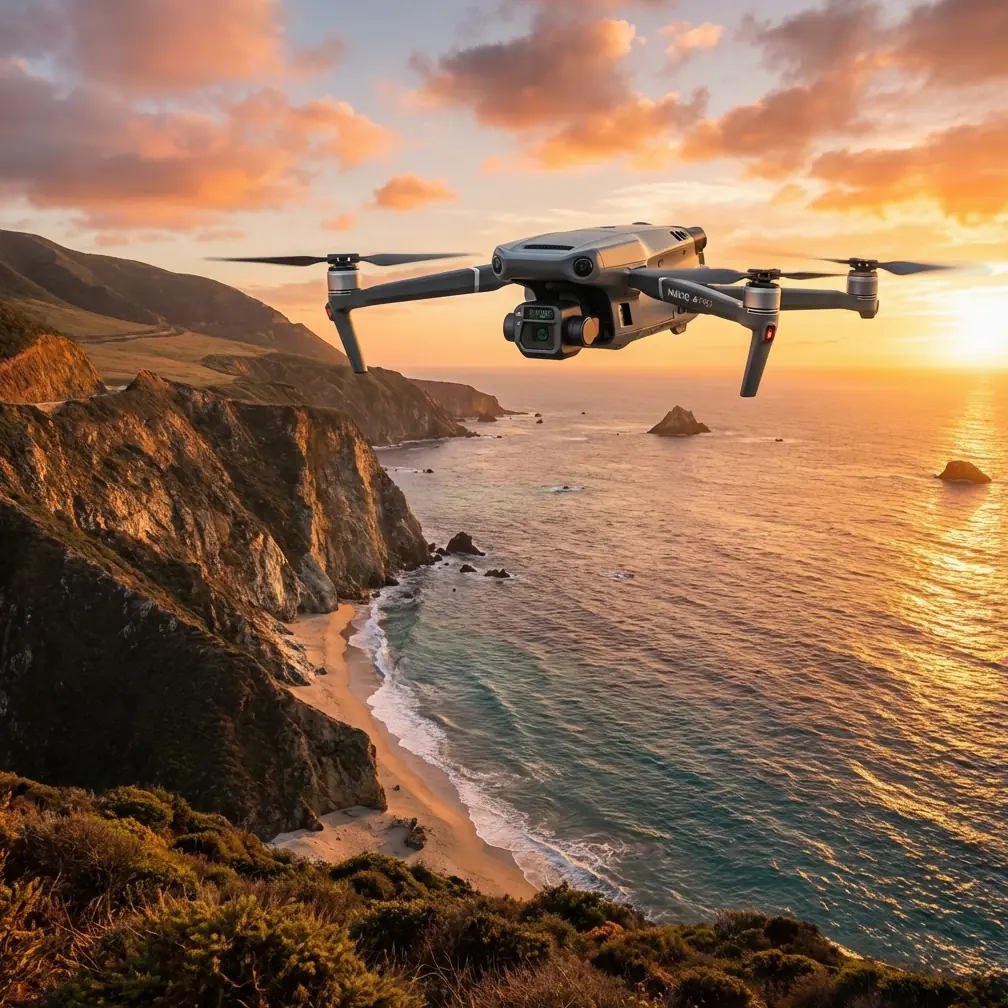
Mavic 3T Guide: Highway Inspections in Windy Conditions
META: Master highway inspections with the Mavic 3T drone. Expert guide covers thermal imaging, wind handling, and safety protocols for infrastructure surveys.
TL;DR
- O3 transmission maintains stable video feeds up to 15km even in gusty highway corridors
- Thermal signature detection identifies pavement stress fractures invisible to standard cameras
- Hot-swap batteries enable continuous coverage of 50+ lane-miles per inspection session
- Pre-flight sensor cleaning directly impacts thermal accuracy and flight safety margins
Highway infrastructure inspections present unique challenges that ground-based methods simply cannot address efficiently. The DJI Mavic 3T combines a 48MP wide camera, 12MP zoom lens, and 640×512 thermal sensor into a platform specifically engineered for demanding field conditions—including the unpredictable wind patterns common along elevated roadways and open corridors.
This technical review breaks down exactly how the Mavic 3T performs during real-world highway assessments, with particular attention to wind management, thermal imaging protocols, and the often-overlooked maintenance steps that separate professional operators from amateurs.
Why Highway Inspections Demand Specialized Drone Capabilities
Traditional highway inspection methods require lane closures, traffic management personnel, and significant safety risks for ground crews. A single drone operator can now survey miles of infrastructure in hours rather than days.
The Mavic 3T addresses three critical requirements for highway work:
- Extended range operations along linear infrastructure corridors
- Multi-sensor data capture for comprehensive condition assessment
- Wind resistance sufficient for exposed, high-traffic environments
Highway corridors create their own microclimate challenges. Vehicle traffic generates turbulent air currents. Open terrain lacks natural windbreaks. Elevated sections experience amplified wind speeds compared to ground level.
Understanding Wind Performance Specifications
The Mavic 3T handles sustained winds up to 12 m/s (approximately 27 mph) with a maximum flight ceiling of 6000 meters. These specifications matter enormously for highway work.
During morning inspections—typically the calmest period—wind speeds along highway corridors average 8-15 mph. Afternoon thermal activity can push gusts significantly higher.
Expert Insight: Schedule highway thermal scans during the two hours after sunrise when temperature differentials between pavement and subsurface anomalies reach maximum contrast, and wind speeds remain manageable.
The aircraft's GNSS positioning system works alongside downward vision sensors to maintain stable hover positions even when crosswinds attempt to push the platform off course. This stability directly affects photogrammetry accuracy and thermal image clarity.
Pre-Flight Cleaning Protocol: The Safety Step Most Operators Skip
Before discussing flight operations, addressing sensor maintenance prevents the most common cause of degraded inspection data.
The Mavic 3T's thermal sensor window accumulates dust, pollen, and road particulates during highway operations. Even microscopic contamination affects thermal signature accuracy.
Essential pre-flight cleaning sequence:
- Power down the aircraft completely—never clean sensors with the system active
- Use a rocket blower (not compressed air cans) to remove loose particles from all three camera lenses
- Apply lens cleaning solution to a microfiber cloth, never directly to sensor windows
- Clean the downward vision sensors and obstacle avoidance cameras
- Inspect propeller surfaces for debris that affects aerodynamic balance
- Verify gimbal movement through full range of motion
This five-minute routine prevents thermal calibration drift that compounds throughout extended inspection flights. Contaminated sensors may display temperature variations of 2-3°C from actual readings—enough to miss early-stage pavement delamination.
Pro Tip: Carry a dedicated cleaning kit in a sealed container. Highway environments deposit oily road film that standard lens cloths spread rather than remove. Isopropyl alcohol wipes designed for optical surfaces work effectively.
Thermal Imaging Applications for Highway Assessment
The 640×512 uncooled VOx microbolometer captures thermal data across a temperature range of -20°C to 150°C. For highway applications, this enables detection of:
- Subsurface moisture intrusion appearing as cooler zones during afternoon heating
- Delamination between pavement layers showing distinct thermal boundaries
- Bridge deck deterioration invisible to visual inspection
- Drainage system blockages identified through temperature differential mapping
Thermal Signature Interpretation
Raw thermal imagery requires contextual understanding. Pavement absorbs solar radiation at varying rates depending on material composition, age, and subsurface conditions.
Key thermal indicators for highway infrastructure:
| Thermal Pattern | Likely Cause | Priority Level |
|---|---|---|
| Cool linear features | Subsurface cracking with moisture | High |
| Warm irregular patches | Delamination/air pockets | Medium-High |
| Cool circular zones | Utility access points/voids | Medium |
| Temperature gradient bands | Material composition changes | Low |
The Mavic 3T's split-screen display mode overlays thermal data on visible imagery in real-time. This correlation helps operators identify features requiring closer examination without landing to review footage.
O3 Transmission Performance in Highway Environments
DJI's O3 transmission system delivers 1080p/60fps live feeds with automatic frequency hopping across 2.4GHz and 5.8GHz bands. Highway environments present specific RF challenges.
Vehicle electronics, roadside communication infrastructure, and power transmission lines create electromagnetic interference zones. The O3 system's AES-256 encryption maintains secure links while adaptive transmission power adjusts to local conditions.
During linear infrastructure surveys, operators typically position themselves at intervals along the route rather than attempting maximum-range flights. This approach:
- Maintains consistent video quality for real-time assessment
- Reduces battery consumption from transmission power demands
- Enables rapid response if obstacle avoidance triggers require manual intervention
- Keeps operations within visual line of sight unless BVLOS authorization exists
BVLOS Considerations for Extended Highway Surveys
Beyond Visual Line of Sight operations require specific regulatory approval but dramatically increase survey efficiency. The Mavic 3T's transmission capabilities support BVLOS methodology when authorized.
Technical requirements for BVLOS highway operations:
- Ground control points (GCP) established at 500-meter intervals for photogrammetry accuracy
- Redundant communication links through cellular backup systems
- Automated return-to-home triggers at 25% battery threshold
- Real-time airspace monitoring integration
Battery Management and Hot-Swap Efficiency
The Mavic 3T's 46-minute maximum flight time translates to approximately 35-38 minutes of practical survey time when accounting for wind resistance, sensor operation, and safety margins.
Hot-swap batteries eliminate the primary bottleneck in extended highway surveys. A three-battery rotation provides continuous coverage:
- Battery A: Active flight operations
- Battery B: Charging via vehicle inverter
- Battery C: Standby, fully charged
This rotation supports 4+ hours of continuous data collection before requiring a return to base for additional charging infrastructure.
Battery performance in windy conditions:
| Wind Speed | Flight Time Reduction | Recommended Action |
|---|---|---|
| 0-10 mph | Minimal (5-8%) | Standard operations |
| 10-18 mph | Moderate (15-20%) | Reduce survey speed |
| 18-25 mph | Significant (25-35%) | Limit to priority areas |
| 25+ mph | Severe (40%+) | Postpone operations |
Photogrammetry Workflow for Highway Documentation
Creating accurate orthomosaic maps and 3D models requires systematic flight planning. The Mavic 3T's mechanical shutter eliminates rolling shutter distortion common in infrastructure mapping.
Optimal capture parameters for highway photogrammetry:
- Front overlap: 80% minimum for pavement surface detail
- Side overlap: 70% for multi-lane coverage
- Altitude: 60-80 meters for balance between resolution and coverage
- Speed: 8-10 m/s maximum to prevent motion blur
- GCP distribution: Every 300 meters along survey corridor
The 48MP sensor produces sufficient resolution for crack detection down to 5mm width at standard survey altitudes. Higher-resolution passes at reduced altitude document specific damage areas identified during initial thermal screening.
Common Mistakes to Avoid
Ignoring wind gradient effects: Ground-level wind measurements underestimate conditions at survey altitude. Use the Mavic 3T's onboard wind estimation or launch briefly to assess actual flight conditions.
Thermal scanning during temperature transitions: Rapid ambient temperature changes—common during morning warm-up periods—create false thermal signatures. Wait for temperature stabilization before beginning thermal documentation.
Insufficient GCP placement: Skipping ground control points saves time initially but compromises photogrammetry accuracy. Highway surveys require GCPs at regular intervals regardless of visible landmarks.
Overlooking obstacle avoidance calibration: The Mavic 3T's omnidirectional sensing requires periodic calibration. Highway environments with overhead signage and bridge structures demand reliable obstacle detection.
Flying immediately after transport: Allow the aircraft and batteries to acclimate to ambient temperature for 15-20 minutes before flight. Temperature differentials affect battery performance and thermal sensor calibration.
Frequently Asked Questions
How does the Mavic 3T handle thermal calibration in variable outdoor temperatures?
The thermal sensor performs automatic flat-field correction during operation, compensating for ambient temperature changes. For maximum accuracy during highway surveys, allow 5 minutes of powered operation before beginning thermal documentation. The sensor stabilizes more quickly when protected from direct sunlight during startup.
What transmission range is realistic for highway corridor operations?
While O3 transmission supports theoretical ranges of 15km, practical highway operations typically maintain 2-3km maximum distance from the operator. RF interference from traffic, power lines, and roadside infrastructure reduces effective range. Position changes along the survey route provide more reliable coverage than attempting maximum-distance flights.
Can the Mavic 3T detect pavement problems that visual inspection misses?
Thermal imaging reveals subsurface conditions invisible to standard cameras. Moisture intrusion, delamination, and void spaces beneath pavement surfaces create distinct thermal signatures—particularly during morning hours when temperature differentials peak. Combining thermal and visible spectrum data provides comprehensive condition assessment impossible through visual inspection alone.
Highway infrastructure demands inspection methodologies that match the scale and complexity of modern transportation networks. The Mavic 3T delivers the sensor integration, transmission reliability, and environmental resilience required for professional-grade assessments.
Ready for your own Mavic 3T? Contact our team for expert consultation.