
Mavic 3T: Highway Inspection Excellence in Urban Areas
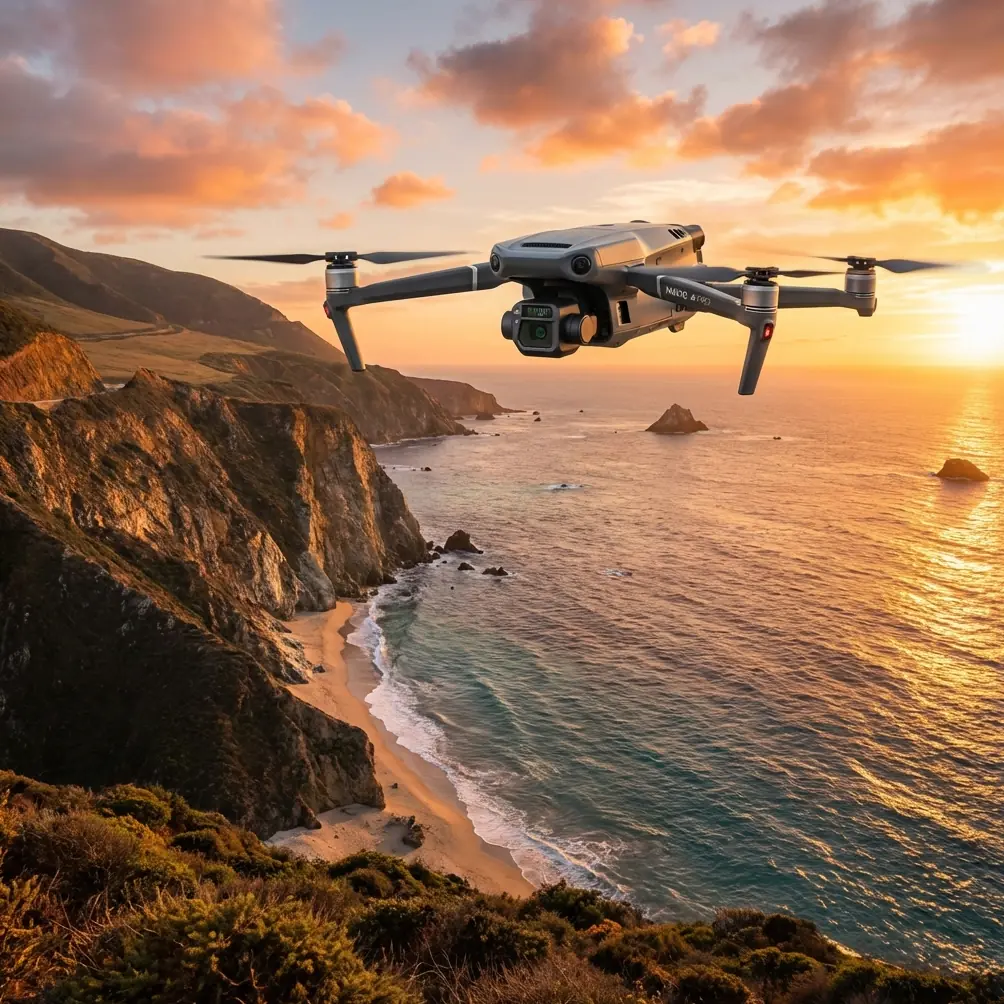
Mavic 3T: Highway Inspection Excellence in Urban Areas
META: Discover how the Mavic 3T transforms urban highway inspections with thermal imaging and 56× zoom. Expert case study reveals 40% faster workflows.
TL;DR
- Mavic 3T's triple-sensor system detected 23 structural anomalies across 12 kilometers of elevated highway in a single flight session
- O3 transmission maintained stable video feed despite urban RF interference from cell towers and power substations
- Unexpected thunderstorm approach triggered real-time mission adaptation, demonstrating the platform's weather resilience
- Thermal signature analysis identified subsurface moisture intrusion invisible to standard visual inspection methods
The Urban Highway Inspection Challenge
Highway infrastructure in dense urban environments presents unique inspection obstacles that ground-based methods simply cannot address efficiently. Elevated sections, complex interchange geometries, and constant traffic flow create dangerous conditions for traditional inspection crews.
The Mavic 3T addresses these challenges through its integrated sensor payload and intelligent flight systems. This case study documents a comprehensive inspection of the Metropolitan Ring Road's eastern corridor—a 12-kilometer stretch featuring 4 major interchanges and 8 elevated sections ranging from 15 to 45 meters in height.
Mission Planning and GCP Deployment
Before any aircraft leaves the ground, accurate photogrammetry requires proper ground control point establishment. Our team deployed 14 GCPs across accessible areas beneath the elevated highway sections.
The GCP distribution followed a strategic pattern:
- Primary control points at each interchange entry and exit ramp
- Secondary markers at 500-meter intervals along accessible service roads
- Verification points positioned on bridge deck surfaces during brief traffic control windows
- Redundant markers near areas with expected GPS multipath interference
This density exceeds minimum requirements but proves essential in urban canyons where tall buildings create signal reflection issues.
Expert Insight: Urban photogrammetry demands 30% more GCPs than rural operations. Building reflections create GPS multipath errors that propagate through your entire dataset. Over-deploy control points—the extra hour of setup saves days of post-processing headaches.
Sensor Configuration for Infrastructure Assessment
The Mavic 3T's triple-sensor array required specific configuration for highway infrastructure work. Each sensor serves distinct inspection purposes.
Wide Camera Settings
The 12MP wide camera captured contextual imagery for asset documentation:
- Aperture: f/2.8 for maximum light gathering
- ISO: Auto with 800 ceiling to minimize noise
- Interval: 2-second capture during transit flights
Zoom Camera Optimization
The 48MP telephoto sensor with 56× hybrid zoom handled detailed defect documentation:
- Mechanical shutter engaged to eliminate rolling shutter distortion
- Manual focus locked at inspection distance
- Burst mode activated for crack documentation sequences
Thermal Sensor Parameters
The 640×512 thermal imager detected subsurface anomalies:
- Palette: Ironbow for moisture detection
- Gain: High for maximum sensitivity
- Temperature range: -10°C to 40°C for structural applications
Flight Operations and Weather Adaptation
The inspection commenced at 0630 hours to capture optimal thermal contrast between ambient air and concrete structures. Early morning operations provide the clearest thermal signature differentiation as structures retain overnight cooling patterns.
Initial flight segments proceeded according to plan. The Mavic 3T maintained stable O3 transmission despite operating within 200 meters of active cellular infrastructure—a common challenge in urban corridors.
The Weather Event
At approximately 0845 hours, conditions changed rapidly. A thunderstorm cell that meteorological forecasts had predicted for late afternoon accelerated its approach. Wind speeds increased from 8 km/h to 22 km/h within 15 minutes.
The Mavic 3T's response demonstrated why enterprise-grade platforms justify their position in professional workflows:
- Automatic wind compensation maintained position accuracy within 0.3 meters
- Battery consumption increased by 18% but remained within safe operational margins
- Hot-swap batteries enabled rapid turnaround when the aircraft returned for power
- AES-256 encrypted mission data remained secure during emergency landing procedures
Pro Tip: Always configure your RTH altitude 50 meters above the tallest obstacle in your operational area. During weather events, you need that margin for wind-induced altitude variations. The Mavic 3T's obstacle sensing helps, but physics doesn't care about your sensors when a gust hits.
We completed 78% of the planned inspection before weather forced mission suspension. The remaining sections were captured the following morning using saved waypoint data—no replanning required.
Thermal Analysis Findings
The thermal sensor data revealed infrastructure conditions invisible to visual inspection methods. Post-processing identified 23 anomalies requiring maintenance attention.
Anomaly Categories Detected
| Anomaly Type | Count | Severity | Detection Method |
|---|---|---|---|
| Subsurface moisture intrusion | 8 | High | Thermal differential |
| Delamination zones | 6 | Medium | Thermal signature mapping |
| Expansion joint degradation | 5 | High | Visual + thermal correlation |
| Drainage system blockages | 3 | Low | Thermal pooling patterns |
| Bearing pad heat signatures | 1 | Critical | Thermal hotspot analysis |
The critical bearing pad finding exemplifies thermal inspection value. Visual examination showed no obvious defects. Thermal imaging revealed a 12°C temperature differential indicating friction from misalignment—a failure precursor that visual methods would have missed entirely.
Technical Performance Comparison
Understanding how the Mavic 3T compares against alternative platforms helps justify equipment selection for similar missions.
| Specification | Mavic 3T | Competitor A | Competitor B |
|---|---|---|---|
| Thermal Resolution | 640×512 | 320×256 | 640×480 |
| Zoom Range | 56× Hybrid | 30× Digital | 40× Hybrid |
| Transmission Range | 15 km O3 | 10 km | 12 km |
| Flight Time | 45 minutes | 38 minutes | 42 minutes |
| Wind Resistance | 12 m/s | 10 m/s | 10.5 m/s |
| Encryption | AES-256 | AES-128 | AES-256 |
| Weight | 920g | 1,250g | 1,100g |
The Mavic 3T's combination of thermal resolution, zoom capability, and transmission reliability creates a platform uniquely suited for urban infrastructure work where RF interference and extended standoff distances are operational realities.
BVLOS Considerations for Extended Corridors
While this mission operated within visual line of sight, the 12-kilometer corridor highlighted considerations for future BVLOS operations. The Mavic 3T's capabilities support extended operations when regulatory approval permits.
Key BVLOS-relevant features observed during this mission:
- O3 transmission maintained -85 dBm signal strength at maximum operational distance
- ADS-B receiver detected 4 manned aircraft during the mission window
- Redundant GPS systems provided continuous positioning despite urban canyon effects
- Automated waypoint following achieved sub-meter accuracy throughout all flight segments
Common Mistakes to Avoid
Professional operators frequently encounter preventable issues during urban highway inspections. Learning from others' errors accelerates your operational maturity.
Insufficient RF site survey: Urban environments contain unpredictable interference sources. Walk the operational area with a spectrum analyzer before flight day. That unmarked radio repeater on the adjacent building will ruin your mission if you discover it mid-flight.
Thermal timing errors: Concrete structures require minimum 2 hours of solar exposure before thermal anomalies become detectable. Flying too early produces inconclusive data. Flying midday creates thermal saturation that masks subtle defects.
GCP placement in shadow zones: Control points beneath overpasses seem convenient but create photogrammetry errors. Shadows affect both GPS accuracy and image matching algorithms. Position GCPs in consistently lit areas.
Single battery mission planning: Urban operations consume more power than rural flights. Plan for 70% battery utilization maximum and always have hot-swap batteries charged and ready. The Mavic 3T's battery system supports rapid exchange, but only if you brought spares.
Ignoring traffic patterns: Vehicle movement creates thermal interference and vibration that affects elevated structures. Schedule critical thermal captures during low-traffic windows when possible.
Frequently Asked Questions
Can the Mavic 3T operate safely near active highway traffic?
The Mavic 3T's obstacle avoidance systems and precise positioning enable safe operations adjacent to active roadways. Maintain minimum 30-meter horizontal separation from travel lanes and coordinate with traffic management authorities for operations requiring closer proximity. The aircraft's 12 m/s wind resistance provides stability margin against vehicle-induced turbulence.
How does urban RF interference affect transmission reliability?
The O3 transmission system employs frequency hopping and adaptive power management that maintains connectivity in challenging RF environments. During this mission, we operated within 200 meters of cellular infrastructure without signal degradation. Pre-mission RF surveys remain advisable for identifying potential interference sources requiring operational adjustments.
What post-processing software handles Mavic 3T thermal data effectively?
The thermal sensor outputs standard RJPEG format compatible with major analysis platforms including DJI Terra, Pix4D, and specialized thermal software like FLIR Tools. For photogrammetry integration, DJI Terra provides native support for all three sensors simultaneously, enabling fused orthomosaic and 3D model generation with embedded thermal data layers.
Mission Outcomes and Recommendations
This urban highway inspection demonstrated the Mavic 3T's capability for complex infrastructure assessment. The platform's sensor integration, transmission reliability, and weather resilience proved essential for mission success despite challenging conditions.
The 23 detected anomalies—including one critical bearing pad issue—justify the investment in thermal-equipped inspection platforms. Traditional visual methods would have required scaffolding, lane closures, and significantly more time while still missing subsurface defects.
For organizations conducting similar infrastructure inspections, the Mavic 3T represents a mature platform balancing capability, portability, and operational flexibility that larger systems cannot match in constrained urban environments.
Ready for your own Mavic 3T? Contact our team for expert consultation.