
Mavic 3T Guide for Solar Farm Inspections in Extreme Tempera
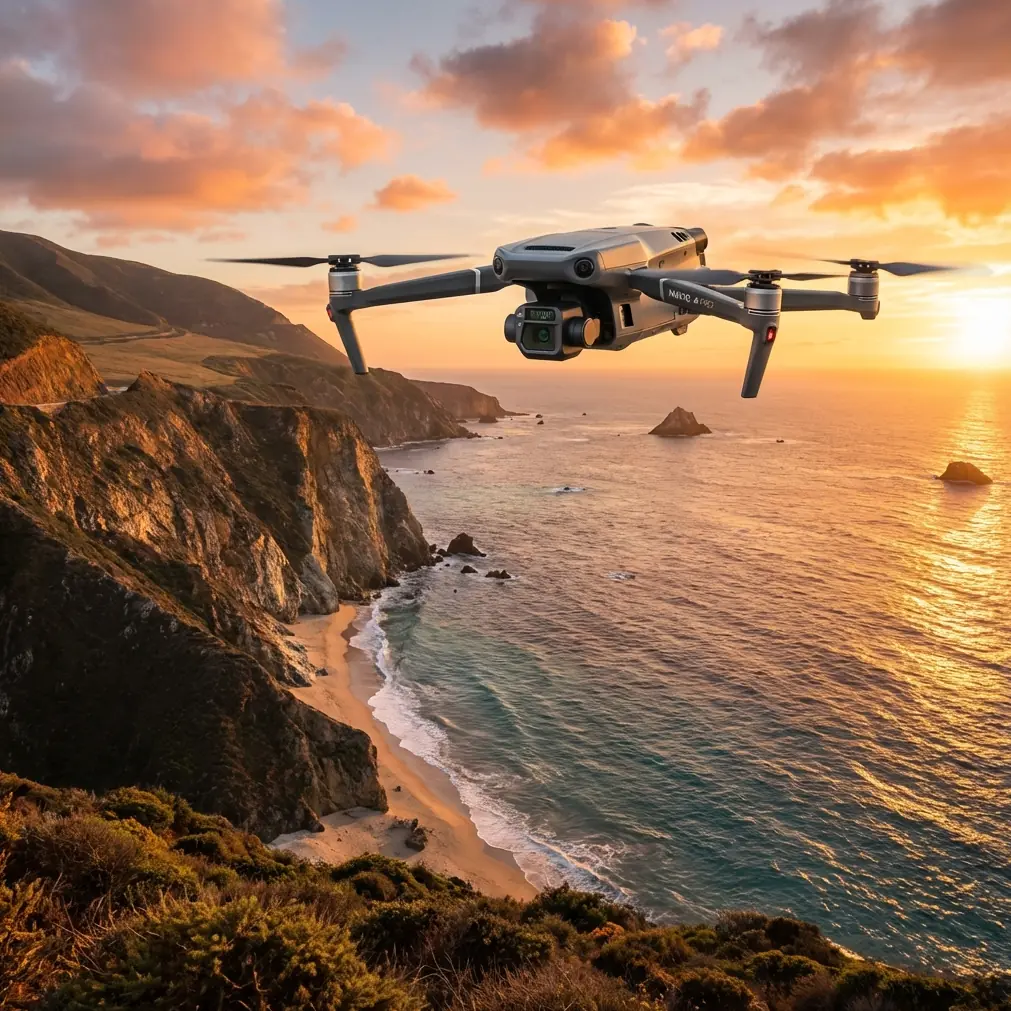
Mavic 3T Guide for Solar Farm Inspections in Extreme Temperatures
META: A practical expert tutorial on using the DJI Mavic 3T for solar farm inspections in extreme heat and cold, with thermal workflow tips, photogrammetry advice, battery planning, and data-security considerations.
Solar farms are unforgiving places to get drone operations wrong. Wide-open acreage magnifies wind. Repetitive panel geometry can confuse inexperienced pilots and weak mission plans. Then there is temperature. In summer, heat shimmer can distort what you think you are seeing. In winter, cold batteries can quietly cut short a sortie before the final string is inspected. If your aircraft is a DJI Mavic 3T, those variables do not disappear, but they do become manageable if you build the workflow around the platform’s strengths rather than forcing the drone into a generic inspection routine.
I have seen plenty of teams treat the Mavic 3T as “the thermal one” and stop there. That leaves a lot of value on the table. For solar farm work, the aircraft matters because of how its thermal payload, visual camera system, transmission reliability, and field portability combine into a practical inspection package. The trick is knowing how to sequence those features in extreme conditions so that the data is actually useful when you get back to the desk.
Start with the mission objective, not the flight app
A solar inspection has two different jobs hiding inside one work order.
The first is thermal anomaly detection: finding modules, cells, connectors, or combiner-related trouble spots that present as abnormal heat patterns. The second is site context: proving exactly where that anomaly sits within a huge field of repeating arrays so maintenance crews can locate it quickly. The Mavic 3T is effective here because it supports both thermal signature work and visual documentation in the same aircraft. That sounds obvious, but operationally it changes the whole day. You do not have to split the mission between separate thermal and RGB platforms unless the site scale or deliverable standards demand it.
In extreme temperatures, consolidation matters. Fewer launch cycles means fewer moments exposing batteries, aircraft, and crew to harsh conditions. It also means less time spent re-establishing takeoff points across a large site.
Why the Mavic 3T fits this job
The Mavic 3T is not a heavy industrial airframe, and that is exactly why many solar teams like it. You can move fast between blocks, launch from narrow service roads, and cover targeted problem areas without bringing in a truckload of kit. For dispersed or time-sensitive inspections, that agility can outweigh the advantages of larger platforms.
Two technical details matter immediately in solar work:
- O3 transmission gives you a strong live link for maintaining situational awareness over long rows of panels where line-of-sight can become visually deceptive.
- AES-256 encryption matters when you are handling infrastructure imagery, asset layouts, and thermal findings that operators do not want casually exposed.
Those are not brochure details. On a real site, O3 transmission helps the pilot keep confidence in framing and navigation when glare, dust, and repetitive terrain make visual orientation harder than expected. AES-256 matters later, when inspection files move from aircraft to reporting workflows and the site owner asks how their data is protected.
Extreme heat: your thermal camera sees more, but your process has to tighten up
Many people assume scorching weather is ideal for thermal surveys because everything “shows up better.” That is only partly true. High ambient temperature can increase the difficulty of separating meaningful defects from broader heat loading across the array. A hot panel field can make weak anomalies look normal and normal modules look suspicious if you are sloppy with timing and angle.
With the Mavic 3T, the goal is not simply to collect hot images. It is to collect comparable thermal data.
Practical heat workflow
1. Fly when solar loading supports diagnosis, but avoid the worst atmospheric distortion.
Midday often gives strong thermal contrast, but severe heat shimmer can degrade visual confirmation and make manual interpretation harder. On very hot days, a slightly earlier or later inspection window may produce cleaner cross-reference imagery while still preserving useful thermal differentials.
2. Keep altitude and angle consistent across blocks.
Consistency matters more than perfection. If one set of rows is flown lower and another higher, anomaly size and intensity can appear to change even when the underlying issue does not. The Mavic 3T rewards disciplined repetition.
3. Use thermal first, then visual confirmation immediately.
When the aircraft flags a suspect module pattern, switch into a confirmation pass before leaving the area. Extreme heat creates transient effects. If you wait until later, panel conditions may shift enough to complicate interpretation.
4. Watch battery temperature as closely as panel temperature.
Hot environments stress more than sensors. Aircraft and battery management become part of inspection quality because a forced early return can leave a thermal dataset incomplete. In a utility-scale field, incomplete often means unusable.
This is where field battery strategy matters. The Mavic 3T does not use true hot-swap batteries in the strict enterprise sense, but smart battery rotation and rapid replacement can mimic the workflow benefit if your team plans launch order, charging, and staging carefully. In hot climates, keep spare packs shaded, organized by charge state, and out of vehicle interiors. A battery that starts too warm is not helping you.
Extreme cold: the drone is ready before the battery is
Cold-weather solar inspections present the opposite challenge. Thermal differences can be easier to identify in some cases because the environment is cooler overall, but battery performance becomes the limiting factor. Many pilots blame the aircraft when the real issue is preflight energy management.
With the Mavic 3T, I recommend treating batteries as mission-critical inspection instruments, not consumables.
Cold-weather battery discipline
Warm packs before launch.
Do not let batteries sit exposed on the tailgate while you brief the job. Keep them at a stable temperature until needed.
Shorten sortie assumptions.
If your summer plan expects a certain number of rows per battery, reduce that expectation in winter. Build your mission around a conservative endurance model.
Front-load the highest-value inspection zones.
Do not save the most complex inverter block or suspect strings for the end of a cold-weather flight. Inspect them first while your energy margin is strongest.
Use immediate review between flights.
Cold can pressure teams into rushing relaunches. Resist that. A one-minute data check on the controller is better than discovering back at base that the key anomaly row was not captured cleanly.
A better solar workflow: thermal inspection plus targeted photogrammetry
Here is where many Mavic 3T operators can sharpen their results.
If the client only wants a list of hot modules, a basic thermal sweep may be enough. But if the maintenance team needs asset-level traceability across a large solar farm, pairing thermal findings with targeted photogrammetry creates a much stronger deliverable. You do not need to map the entire site every time. Often, the smarter move is selective reconstruction of suspect zones.
When photogrammetry helps
- You need precise panel-row context around thermal anomalies.
- The site has complicated block numbering or inconsistent on-ground labeling.
- The operator wants repeatable comparison over time.
- Engineering teams need visual surface condition records, not just thermal exceptions.
Ground control points, or GCPs, become useful when positional consistency matters beyond simple visual orientation. On a solar farm with repetitive geometry, GCP-backed photogrammetry can stop a small labeling error from becoming a maintenance headache across hundreds of modules. That is the operational significance: not prettier maps, but fewer mistaken truck rolls and faster technician dispatch.
For the Mavic 3T, I prefer a hybrid method. Run the thermal inspection to identify suspect areas, then capture a tighter RGB dataset over those same sections for reconstruction and panel indexing. This is lighter, faster, and often more practical than attempting a full-site photogrammetry deliverable under harsh weather conditions.
Flight planning details that actually matter on solar farms
Solar farms tempt pilots into thinking every row is the same. They are not. Drainage channels, fencing, tracker movement, inverter pads, and localized terrain shifts all affect how you should fly.
1. Build missions by electrical and maintenance logic
Do not divide flights only by geography. Divide them by block, inverter grouping, or maintenance region if possible. When a defect is found, that structure aligns the data with how the site is actually serviced.
2. Respect reflection and glare
Visual imagery over panel glass can turn messy quickly. Slight altitude and angle adjustments often improve the usefulness of your RGB confirmation shots. The best inspection image is not always the most dramatic one. It is the one a technician can act on.
3. Use repeatable launch points
In extreme temperatures, your crew gets tired faster. Repeatable launch points reduce mental load and simplify data organization. They also support future comparative inspections.
4. Do not overreach for BVLOS-style coverage
Large solar farms make pilots think in terms of distance. But unless your operation is specifically approved and structured for BVLOS, keep the inspection plan within compliant operational limits. For most commercial teams, careful segmentation of the site is the better answer than stretching a single sortie too far.
That is not just a regulatory note. It is a quality note. Thermal inspection accuracy tends to improve when the aircraft remains close enough for confident interpretation and immediate re-checks.
One third-party accessory that genuinely improves the job
A useful addition for solar work is a high-visibility landing pad with heat-resistant surface material from a third-party field accessory brand. It is not glamorous, but in extreme environments it solves real problems. On dusty summer sites, it cuts debris kicked up during takeoff and landing, which protects optics and reduces contamination risk around the gimbal area. On uneven or frozen ground, it creates a more consistent launch area and speeds up battery change cycles.
That may sound minor. It is not. Inspection efficiency on large sites is shaped by all the little friction points between flights. Cleaner launches and faster resets preserve time for the passes that matter.
If you are building out a site-ready Mavic 3T kit and want a practical recommendation list, this is a simple place to ask for it: message our field team on WhatsApp.
Data handling after the flight
Thermal surveys are only valuable if the findings survive contact with the reporting process. The Mavic 3T gives you enough onboard capability to detect and document, but your method for naming, sorting, and cross-referencing files is what turns captures into decisions.
My advice is straightforward:
- Name missions by site, block, date, and environmental condition.
- Separate thermal anomaly records from general situational imagery.
- Flag any uncertain thermal signature for secondary review rather than forcing a diagnosis in the field.
- Pair each major anomaly with at least one context image that a maintenance crew can understand instantly.
This is also where the AES-256 point earns its keep again. Solar operators increasingly care about who has access to layout data, defect records, and asset imagery. Secure transmission and storage practices help your drone operation look like a professional inspection function rather than an ad hoc flying service.
What the Mavic 3T does best on solar farms
The strongest case for the Mavic 3T in extreme-temperature solar inspection is not that it replaces every other tool. It is that it gives one field team a compact, disciplined way to detect heat-related defects, verify them visually, and produce location-aware outputs without dragging a heavy deployment model into every job.
Its thermal capability lets you identify abnormal module behavior. Its visual system helps maintenance teams find the exact panel again. O3 transmission supports stable field operation across challenging layouts. AES-256 aligns with the reality that energy infrastructure data should be handled carefully. Add selective photogrammetry with GCPs where precision matters, and the aircraft becomes more than a spot-check tool. It becomes a reliable part of the solar O&M workflow.
If you inspect solar farms in harsh heat or cold, the Mavic 3T rewards disciplined operators. Fly consistently. Manage batteries aggressively. Tie thermal findings to visual context. Use photogrammetry only where it adds operational clarity. Build the workflow around the site’s maintenance logic, not just the map on your screen.
That is how a compact thermal aircraft starts producing enterprise-grade field results.
Ready for your own Mavic 3T? Contact our team for expert consultation.