
Mavic 3T Guide: Inspecting Coastal Venues Efficiently
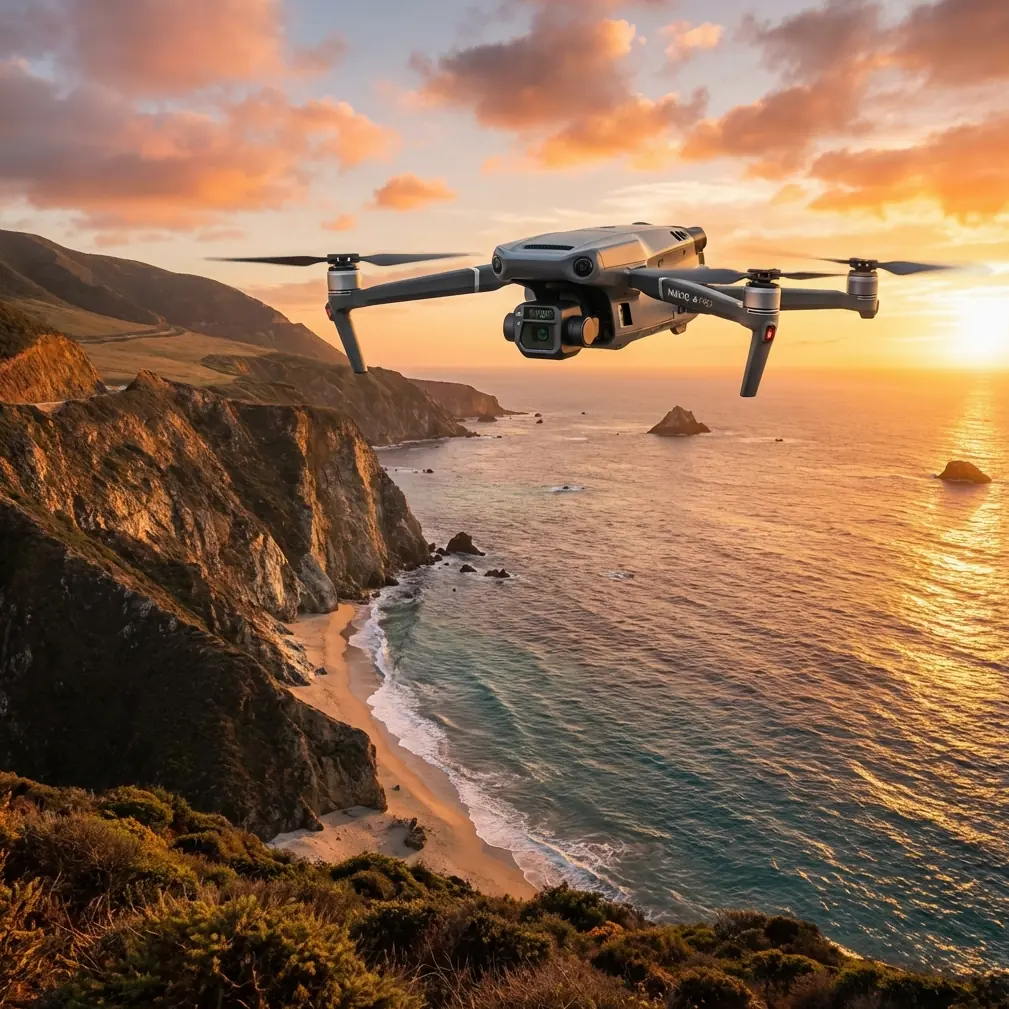
Mavic 3T Guide: Inspecting Coastal Venues Efficiently
META: Master coastal venue inspections with the Mavic 3T. Expert guide covers thermal imaging, antenna positioning, and salt-air operations for professionals.
TL;DR
- O3 transmission delivers 15km range with proper antenna positioning—critical for sprawling coastal properties
- Thermal signature detection identifies moisture intrusion, HVAC inefficiencies, and structural anomalies in minutes
- Hot-swap batteries enable continuous 45+ minute inspection sessions without returning to base
- AES-256 encryption protects sensitive venue data during transmission and storage
The Coastal Inspection Challenge
Coastal venues present unique inspection nightmares. Salt corrosion, moisture damage, wind exposure, and sprawling footprints make traditional inspection methods expensive and time-consuming.
The Mavic 3T transforms these challenges into manageable workflows. Its hybrid sensor system—combining 48MP wide camera, 12MP zoom, and 640×512 thermal imaging—captures comprehensive venue data in a single flight.
Whether you're assessing beachfront resorts, marina facilities, or oceanside event spaces, this guide delivers actionable techniques refined through hundreds of coastal inspections.
Understanding Thermal Signature Detection for Venue Assessment
Thermal imaging reveals what visible light cannot. The Mavic 3T's uncooled VOx microbolometer detects temperature differentials as small as ≤50mK (NETD)—sensitive enough to identify early-stage water intrusion before visible damage appears.
What Thermal Signatures Reveal
Coastal venues suffer from specific thermal anomalies:
- Moisture intrusion patterns appear as cool spots during daytime heating cycles
- Electrical hotspots in outdoor lighting and HVAC systems indicate imminent failures
- Insulation gaps show as thermal bridging along rooflines and wall junctions
- Subsurface water pooling creates distinct temperature gradients on flat roofs
- HVAC inefficiencies manifest as uneven heating/cooling zones
Expert Insight: Schedule thermal inspections during the 2-hour window after sunrise or before sunset. These periods maximize thermal contrast between building materials while minimizing solar reflection artifacts that plague midday scans.
Optimizing Thermal Capture Settings
The Mavic 3T offers three thermal palettes optimized for different detection scenarios:
| Palette | Best Use Case | Coastal Application |
|---|---|---|
| White Hot | General inspection | Roof membrane assessment |
| Ironbow | Temperature gradients | HVAC efficiency mapping |
| Rainbow | Precise differentials | Moisture detection |
Set your temperature span manually rather than using auto-ranging. A 10-15°C span centered on ambient temperature reveals subtle anomalies that auto-range misses entirely.
Antenna Positioning for Maximum O3 Transmission Range
The Mavic 3T's O3 transmission system delivers 15km maximum range—but only with proper antenna technique. Coastal environments introduce signal challenges that demand attention.
The Physics of Antenna Orientation
Your DJI RC Pro controller contains directional antennas. Signal strength peaks when antenna faces point directly at the aircraft. This seems obvious until you're focused on the screen during a complex inspection.
Critical positioning rules:
- Keep antennas perpendicular to the ground (vertical orientation)
- Face the flat antenna surfaces toward the drone's position
- Avoid body blocking—your torso absorbs 2.4GHz signals effectively
- Maintain line-of-sight whenever possible, especially over water
Coastal-Specific Signal Considerations
Salt water reflects radio frequencies differently than land. When flying over beaches, marinas, or waterfront areas:
- Multipath interference increases as signals bounce off water surfaces
- Humidity slightly attenuates 2.4GHz signals over long distances
- Metal structures (docks, railings, roofing) create reflection zones
- Height advantage matters more—elevate your position when possible
Pro Tip: Position yourself at the highest accessible point on the venue property. Even 3-5 meters of elevation gain dramatically reduces multipath interference from water surfaces and improves consistent signal strength throughout your inspection pattern.
Photogrammetry Workflows for Venue Documentation
Beyond thermal assessment, the Mavic 3T excels at creating photogrammetric models for venue documentation, renovation planning, and insurance purposes.
GCP Placement Strategy
Ground Control Points transform good photogrammetry into survey-grade accuracy. For coastal venues, GCP placement requires strategic thinking:
- Place minimum 5 GCPs distributed across the survey area
- Position points on stable surfaces—avoid sand, gravel, or temporary structures
- Use high-contrast targets visible in both RGB and thermal imagery
- Document GPS coordinates with RTK-level accuracy when possible
- Avoid placing GCPs in areas with standing water or reflective surfaces
Flight Planning Parameters
Optimal photogrammetry settings for venue inspection:
| Parameter | Recommended Value | Rationale |
|---|---|---|
| Overlap (Front) | 80% | Ensures feature matching |
| Overlap (Side) | 70% | Adequate stereo coverage |
| Altitude | 40-60m AGL | Balances resolution/coverage |
| Speed | 5-8 m/s | Prevents motion blur |
| Gimbal Angle | -90° (nadir) | Standard orthomosaic |
For complex structures with vertical facades, add oblique passes at -45° gimbal angle to capture wall surfaces and overhangs.
Hot-Swap Battery Strategy for Extended Operations
The Mavic 3T's 45-minute flight time per battery seems generous until you're documenting a 50-acre coastal resort. Hot-swap battery management becomes essential for efficient operations.
Pre-Flight Battery Preparation
- Charge all batteries to 100% the night before
- Store batteries in climate-controlled environment—coastal humidity affects performance
- Bring minimum 4 batteries for comprehensive venue inspections
- Pre-warm batteries in cold conditions (below 15°C)
- Label batteries and track cycle counts for replacement planning
In-Field Swap Protocol
Develop a consistent swap routine:
- Land with minimum 20% remaining—never push to critical levels
- Power down aircraft completely before battery removal
- Allow 30 seconds for capacitor discharge
- Insert fresh battery and verify secure connection
- Power up and verify GPS lock before resuming mission
This disciplined approach prevents the rushed mistakes that damage equipment or corrupt mission data.
BVLOS Considerations for Large Venue Coverage
Beyond Visual Line of Sight operations unlock the Mavic 3T's full potential for large coastal venues. However, regulatory compliance demands careful preparation.
Regulatory Framework
BVLOS operations require:
- Part 107 waiver (United States) or equivalent national authorization
- Visual observers positioned to maintain aircraft awareness
- Documented risk assessment specific to the venue and airspace
- Communication protocols between pilot and observers
- Lost link procedures programmed into the aircraft
Technical Preparation
The Mavic 3T supports BVLOS through several features:
- AES-256 encryption secures command links against interference
- Automatic RTH triggers at signal loss or low battery
- Obstacle avoidance provides backup safety layer
- Flight logging documents compliance for regulatory review
Common Mistakes to Avoid
Ignoring wind patterns: Coastal venues experience predictable wind acceleration around buildings. Plan approaches that avoid downwind building edges where turbulence concentrates.
Overlooking salt exposure: Wipe down the aircraft after every coastal flight. Salt residue corrodes motor bearings, gimbal mechanisms, and sensor surfaces within weeks if neglected.
Rushing thermal calibration: The thermal sensor requires 5-10 minutes of operation before readings stabilize. Launch early and let the sensor equilibrate before capturing critical data.
Neglecting sun position: Solar reflection off windows, metal roofing, and water creates thermal artifacts. Plan flight paths that minimize direct sun reflection into the thermal sensor.
Skipping pre-flight compass calibration: Coastal venues often contain underground utilities, reinforced concrete, and metal structures that affect compass accuracy. Calibrate at each new location.
Frequently Asked Questions
How does salt air affect Mavic 3T longevity?
Salt exposure accelerates wear on all drone components. The Mavic 3T lacks IP rating for water or salt resistance. Implement post-flight cleaning with distilled water wipes, store in sealed cases with desiccant packs, and budget for accelerated maintenance intervals—approximately 50% more frequent than inland operations.
What thermal resolution is needed for moisture detection?
The Mavic 3T's 640×512 thermal resolution exceeds minimum requirements for building moisture detection. At 40m altitude, each thermal pixel represents approximately 6cm ground sample distance—sufficient to identify moisture patterns affecting areas as small as 0.5 square meters.
Can the Mavic 3T operate in coastal fog conditions?
Fog operations present challenges. Visible cameras lose effectiveness, but thermal imaging penetrates light fog effectively. However, moisture condensation on sensors degrades image quality. Avoid flying when relative humidity exceeds 90% or visible fog density reduces ground visibility below 1km.
Ready for your own Mavic 3T? Contact our team for expert consultation.