
Mavic 3T in Dusty Venue Inspections: Practical Field
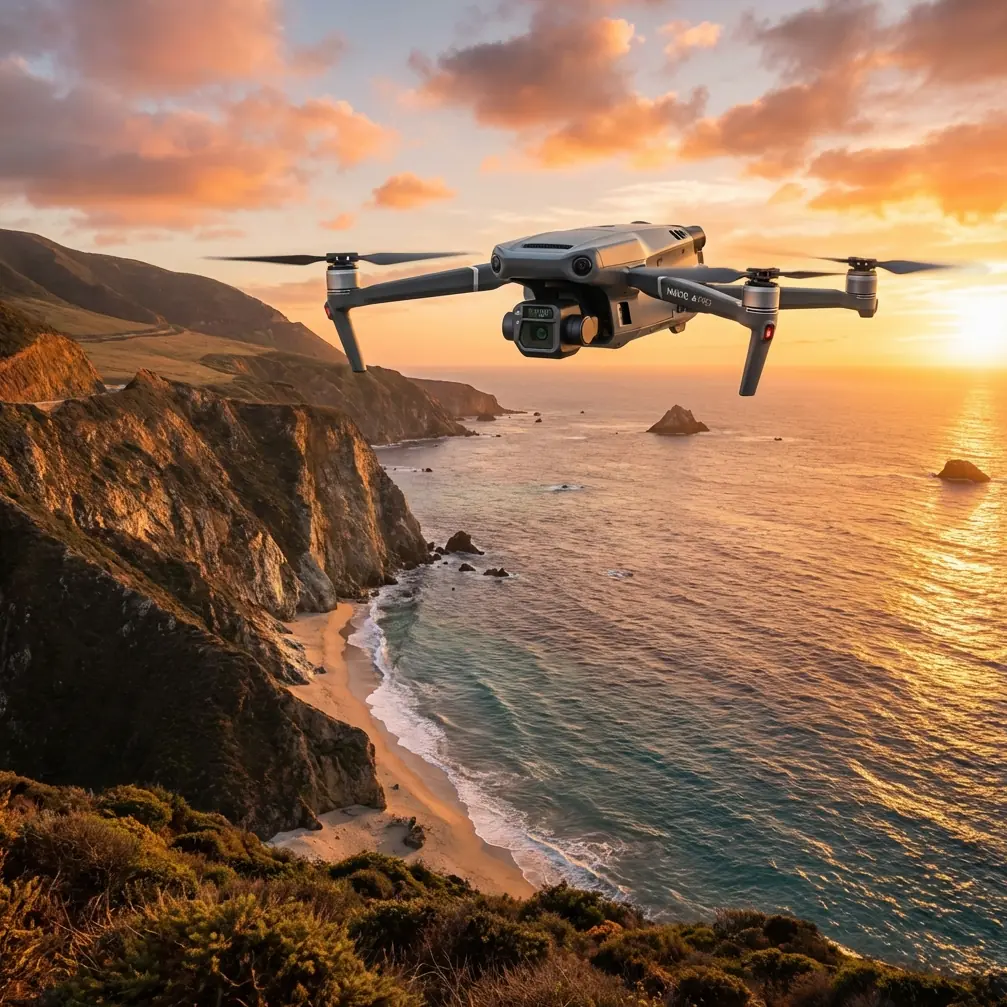
Mavic 3T in Dusty Venue Inspections: Practical Field Methods That Protect Data, Flight Time, and Thermal Accuracy
META: A field-tested Mavic 3T tutorial for dusty venue inspections, covering thermal workflow, O3 transmission discipline, battery management, fail-safe thinking, and cleaner data capture.
Dust changes how a drone job feels.
On paper, a venue inspection with the Mavic 3T can look straightforward: fly the perimeter, scan roofing and HVAC, check solar exposure, verify access routes, document heat anomalies, and leave with thermal and visual evidence. In a dusty environment, that neat sequence gets disrupted by visibility reduction, landing contamination, battery handling problems, and the quiet risk that your best thermal images are the ones most likely to be compromised by rushed decisions.
That is exactly where the Mavic 3T earns its place. It is not just a camera platform. For venue work, it is a decision tool. The value comes from how well you control the mission when conditions are less forgiving than the spec sheet suggests.
This tutorial is built around that reality: inspecting venues in dusty conditions, using the Mavic 3T with the discipline of an aviation-minded workflow rather than a casual “launch and scan” routine.
Why dusty venue inspections demand a different Mavic 3T routine
Dust affects three things at once.
First, it degrades visual interpretation. Roof textures, drainage paths, cracked sealants, and surface staining can blend together when the air is loaded with fine particulates.
Second, it complicates thermal work. A thermal signature is only useful when the operator can trust the conditions around the reading. Dust near hot machinery, vents, lighting systems, catering infrastructure, or temporary power equipment can create misleading patterns if you rush your passes or accept unstable viewing angles.
Third, it raises operational friction. Takeoff and landing become dirt-transfer events. Battery changes become contamination points. And if you are documenting a large venue with repeated short flights, those small friction points add up quickly.
For Mavic 3T operators, the answer is not simply “fly more carefully.” The answer is to build a repeatable inspection rhythm that prioritizes stable flight, clean transitions, and graceful degradation if something goes wrong.
That last idea matters more than many pilots realize.
Borrowing a real aviation principle: degrade gracefully, don’t improvise blindly
One of the most useful concepts from crewed aircraft control-system design is the “Never Give Up” approach to faults. In plain language, that means a system should avoid abrupt collapse when a problem appears. It should isolate faults, preserve usable functions, and degrade in an orderly way.
That philosophy translates well to commercial Mavic 3T venue inspection, especially in dust.
If visibility drops, don’t push through as if the mission is unchanged. Reduce the scope of the sortie. Preserve your safest and highest-value tasks first. If your visual confidence is reduced, prioritize broad thermal sweeps and roof-edge condition confirmation rather than forcing tight detail passes. If the landing area becomes contaminated, relocate and reset instead of accepting a dirty touchdown because you want to save two minutes.
This is not abstract theory. In civil flight-control design, reliability targets are discussed in hard numbers, including single-channel reliability in the range of 10^-4 to 10^-5 per flight hour and design expectations like 30,000 usage hours with a 0.95 dispatch probability. A compact drone is not designed to those exact same standards, but the operational lesson is still powerful: serious aviation systems are built around fault tolerance, threshold discipline, and controlled fallback behavior. Mavic 3T pilots should think the same way on site.
For dusty venue inspections, that means every mission should have a reduced-capability version already in your head before takeoff.
Start with the site, not the aircraft
When I arrive at a dusty venue, I do not unpack the drone first. I walk the launch and recovery options.
I want three things:
- a primary takeoff zone with minimal loose particulate
- a secondary landing area in case crowd flow or vehicles change the site
- at least one elevated clean surface for battery handling and lens checks
That simple habit prevents half the problems operators blame on “conditions.”
Dust is often worst near vehicle routes, loading bays, gravel service roads, dry grass margins, and temporary event-build zones. Those may still be the areas you need to inspect, but they should not automatically be your launch point.
If the venue is large and you expect several flights, think in legs. One launch location rarely serves the whole site efficiently. Better to move your operating position between segments than to stretch range, stress batteries, and land repeatedly in poor spots.
The Mavic 3T thermal workflow that works better in dust
The biggest mistake I see is using thermal too late.
Operators often begin with visible imagery because it feels more intuitive, then switch to thermal after conditions have worsened or the sun angle has changed. In a dusty venue, I often reverse that order.
Start with broad thermal reconnaissance while your mental picture of the site is still uncluttered. Use the Mavic 3T to identify suspect zones first: overloaded electrical areas, roof moisture indications, HVAC irregularities, insulation gaps, or equipment banks radiating differently than their neighbors. Then use visual passes to confirm structure, access, labeling, and maintenance context.
That sequence matters because thermal findings are most valuable when they guide the rest of the inspection, not when they are treated as an afterthought.
Dust also favors smoother, more deliberate orbits and lateral passes. Quick yaw inputs and aggressive repositioning make interpretation harder. A stable viewing geometry gives you cleaner comparison between adjacent surfaces.
If you are collecting imagery for photogrammetry as well, separate that task mentally from thermal diagnosis. A venue operator may want one flight to do everything, but mixed-purpose flying usually produces mediocre datasets. If you need measurable outputs later, especially where GCP-based alignment or structured mapping matters, give that mission its own spacing, overlap, and altitude discipline.
A battery management tip from the field that saves more flights than people expect
Here is the battery habit that has helped me most in dusty inspections:
Do not change batteries on the ground, even if the ground looks acceptable.
Use a clean hard case lid, fold-out work surface, or protected vehicle shelf. Every swap is an opportunity for fine dust to enter places you do not want it. The issue is not just cleanliness for its own sake. Dust changes how confidently you can inspect battery contacts, seating, and latch engagement when you are working fast.
My rule is simple: land, carry the aircraft to the clean station, then swap.
It sounds slow. It is faster over a full day because it reduces hesitation, double-checking, and unnecessary wipe-downs before relaunch.
There is another timing angle here. In classical aircraft landing analysis, even the transition from descent to level flight is treated as a short, defined phase with geometry and load implications. One of the handbook formulas describes the flare as a function of height difference and track radius, with the pull-out beginning just a few meters above ground and leveling near about 1 meter. Why mention that in a Mavic 3T article? Because it reinforces a useful operational truth: the final segment near the ground is where small judgment errors become contact events.
For dusty venue work, I apply the same mindset. The landing phase deserves its own procedure, not an improvised finish to an otherwise good mission. Keep the descent stable. Avoid rotor wash over loose dust when possible. If the touchdown zone is poor, abort the landing and reposition. Treat the last few meters as a separate risk zone.
O3 transmission discipline in dirty air
The Mavic 3T’s O3 transmission capability gives operators welcome confidence on large venues, but range confidence can turn into inspection laziness if you let it.
Dust and venue geometry create a subtle trap. Signal strength may remain usable while visual interpretation drops off. That means the aircraft can still be obedient even when your ability to judge detail, airflow around structures, and particulate density is declining.
So use O3 as a stability enabler, not an excuse to stretch standoff distance beyond what the inspection requires.
In practice, that means:
- hold shorter visual stand-off for critical roof edges and mounted equipment
- avoid inspecting through visible dust plumes if a cleaner angle is available
- reposition the pilot station when structures or event rigs are forcing awkward geometry
- keep your route simple enough that signal quality, image quality, and situational awareness all decline at different times rather than all at once
If your workflow involves sharing files or sensitive infrastructure imagery, maintaining disciplined data handling matters too. Mavic 3T users often work around energy systems, telecom assets, public venues, and private industrial sites. Secure transmission and controlled media handling should be standard practice, especially when your data includes thermal anomalies or site-access details. That is where operators who think beyond flying stand out. Features associated with secure links, including AES-256 style protection in professional workflows, only help if the team also controls what happens before upload and after export.
Build fault thresholds before the mission starts
A useful lesson from civil avionics design is the need to set sensible fault thresholds rather than relying on crude trigger logic. The source material puts it bluntly: choose thresholds carefully, minimize false judgments, reduce unnecessary monitoring burden, and isolate recurring faults instead of letting them repeatedly consume system resources.
That applies directly to Mavic 3T field operations.
Before launch, define your thresholds for:
- maximum acceptable dust at the landing zone
- minimum visual confidence for close asset interpretation
- minimum battery reserve for a return from the farthest planned point
- maximum number of repeated low-value passes over the same target
- acceptable screen clarity before you stop and clean
These thresholds stop you from drifting into bad decisions just because the aircraft still flies.
The worst missions are rarely lost in a single dramatic moment. More often, the operator keeps making tolerable choices until the accumulation becomes poor data, a dirty aircraft, or a landing that should have been avoided.
When to use thermal first, and when not to
Thermal first is usually the right move for dusty venue inspections, but not always.
Use thermal first when:
- you are screening large roof or equipment zones
- you expect hidden moisture, electrical imbalance, or HVAC irregularity
- the dust level is likely to rise later as site activity increases
Use visual first when:
- you need condition baseline imagery before surfaces heat unevenly
- the site has complex obstacles requiring a precise route before thermal work
- you are documenting signage, structural cracking, or surface damage where texture matters more than heat contrast
The key is not choosing a universal sequence. It is matching the sequence to the decision you are trying to support.
A practical sortie structure for venue inspections
For most dusty venue jobs, I use a three-sortie model with the Mavic 3T:
Sortie 1: Recon High-confidence thermal scan and broad visible orientation. No chasing details.
Sortie 2: Targeted inspection Focused passes on anomalies, mounted systems, roof transitions, drainage points, or service infrastructure.
Sortie 3: Documentation Clean visual captures, optional photogrammetry lines, and any re-shoots needed for reporting consistency.
This structure does two things. It preserves battery discipline, and it separates discovery from evidence collection. That distinction makes your final report stronger because the imagery is gathered with purpose instead of by impulse.
If you are working across multiple venue sectors and want help refining a field checklist around this method, you can message our operations desk here.
Dust, data quality, and the operator’s real job
The Mavic 3T is often discussed in terms of sensors and features, but venue inspection quality comes down to operator judgment.
A strong operator knows that thermal anomalies need visual context. Photogrammetry needs consistency. Battery changes need cleanliness. Landings need planning. Transmission confidence is not the same as inspection confidence.
That is why ideas borrowed from larger-aircraft design are surprisingly relevant. The aerodynamic reference describing a short, controlled landing transition and the avionics reference emphasizing fault thresholds, isolation, and graceful degradation both point to the same conclusion: reliable outcomes come from structured handling of small variables.
Dust is a small variable until it is not.
With the Mavic 3T, the best results come from treating a dusty venue as an environment that deserves its own method. Fly the thermal mission early when it helps. Keep your landing phase deliberate. Change batteries off the ground. Use O3 transmission to support position, not to excuse distance. Set thresholds before the site starts pressuring you to cut corners.
That is how you leave with cleaner data, fewer repeated flights, and a report that a facility manager can actually act on.
Ready for your own Mavic 3T? Contact our team for expert consultation.