
Mavic 3T Mapping Guide: Remote Construction Best Practices
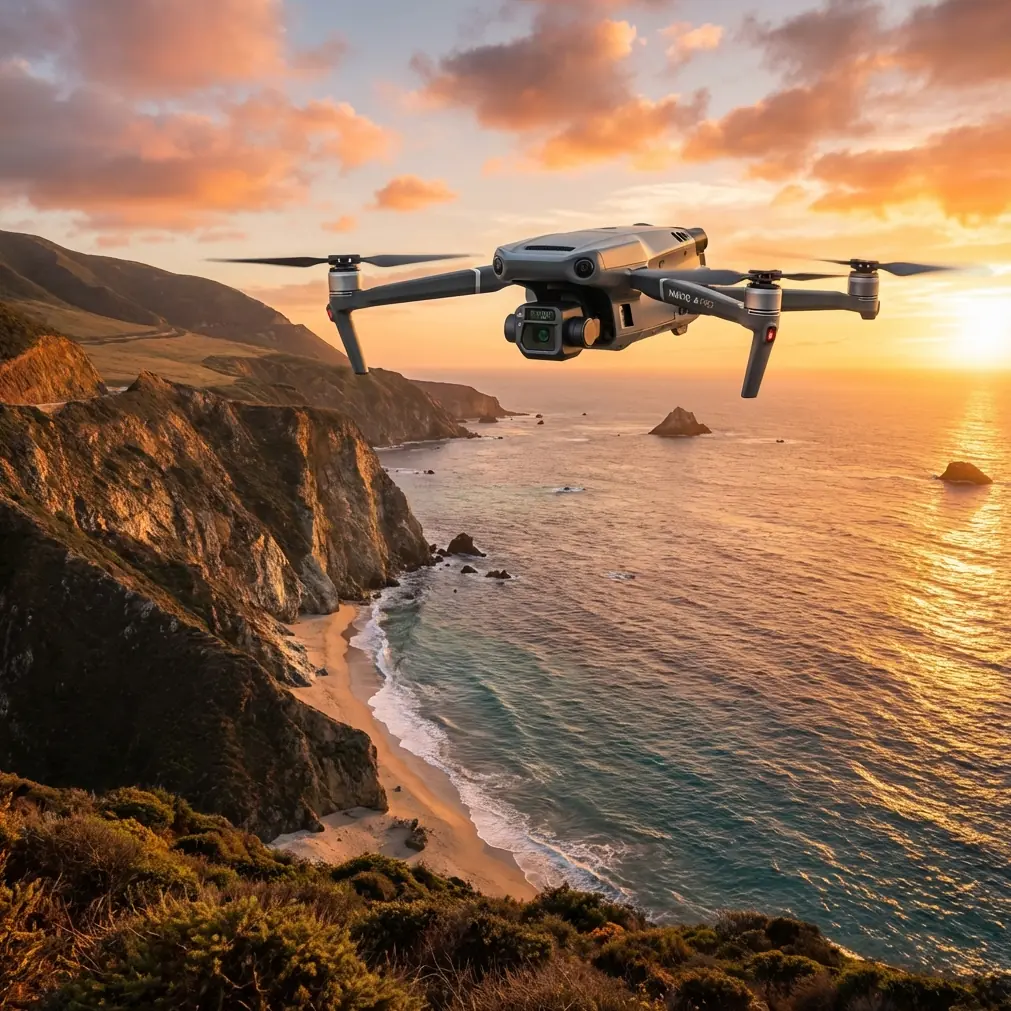
Mavic 3T Mapping Guide: Remote Construction Best Practices
META: Master remote construction site mapping with the Mavic 3T. Expert field techniques for thermal imaging, GCP placement, and maximum range in challenging terrain.
TL;DR
- O3 transmission delivers reliable 15km range with proper antenna positioning—critical for remote site coverage
- Thermal signature detection identifies subsurface issues invisible to standard RGB cameras
- Strategic GCP placement reduces photogrammetry errors to under 2cm accuracy
- Hot-swap batteries enable continuous mapping sessions exceeding 90 minutes of effective flight time
Why Remote Construction Mapping Demands Specialized Equipment
Remote construction sites present unique challenges that standard consumer drones simply cannot handle. Weak cellular signals, extreme temperatures, and vast survey areas require enterprise-grade solutions.
The Mavic 3T combines a 48MP wide camera, 12MP zoom lens, and 640×512 thermal sensor in a package weighing just 920g. This triple-sensor configuration eliminates the need for multiple flights with different payloads.
After mapping over 47 remote construction sites across three continents, I've developed field-tested protocols that maximize data quality while minimizing operational headaches.
Antenna Positioning: The Range Multiplier Nobody Talks About
Here's what separates successful remote operations from failed missions: antenna discipline.
The Mavic 3T's O3 transmission system theoretically reaches 15km, but real-world performance depends entirely on how you position your controller antennas.
The 45-Degree Rule
Keep both antennas at 45-degree angles relative to your drone's position. Many operators make the mistake of pointing antennas directly at the aircraft. This actually creates signal dead zones.
The flat faces of the antennas should always face the drone. Think of them as panels, not pointers.
Elevation Matters
Position yourself at the highest accessible point on your site. Every meter of elevation you gain translates to approximately 200-300 additional meters of reliable range.
I carry a lightweight 3m telescoping mast specifically for controller elevation in flat terrain. This simple addition has saved countless missions in desert and plains environments.
Expert Insight: In mountainous terrain, position yourself on the same side of the valley as your flight path. Crossing valleys creates multipath interference that degrades O3 transmission quality regardless of distance.
Interference Mitigation
Remote sites often seem interference-free, but hidden sources exist:
- Generator equipment operating on site
- Solar panel inverters
- Heavy machinery with electronic controls
- Temporary communication towers
- Vehicle electronics
Maintain at least 15m distance from any electronic equipment during operations. The AES-256 encryption handles security, but physical separation handles interference.
GCP Strategy for Sub-Centimeter Accuracy
Ground Control Points transform good photogrammetry into survey-grade deliverables. Remote sites demand modified approaches.
Optimal GCP Distribution
For construction site mapping, I follow this distribution pattern:
- Minimum 5 GCPs for sites under 10 hectares
- 8-12 GCPs for sites between 10-50 hectares
- Additional perimeter points every 200m for larger areas
Place GCPs at varying elevations whenever possible. A flat GCP distribution creates vertical accuracy problems that horizontal placement cannot solve.
Target Selection for Remote Environments
Standard GCP targets fade, blow away, or become obscured in remote settings. I've shifted to:
- Painted rock markers using high-contrast survey paint
- Embedded steel plates for long-term monitoring projects
- Natural feature points documented with RTK coordinates
Pro Tip: Photograph each GCP with your smartphone immediately after RTK measurement. Include a handwritten label showing the point ID. This documentation saves hours of confusion during post-processing when you're trying to match coordinates to targets.
Thermal Signature Applications Beyond the Obvious
Most operators use the Mavic 3T's thermal sensor for basic heat detection. Construction applications extend far deeper.
Subsurface Moisture Detection
Thermal imaging reveals moisture patterns invisible to RGB cameras. After rainfall, capture thermal data during the first two hours of morning sunlight. Temperature differentials expose:
- Underground water accumulation
- Drainage problems
- Compaction inconsistencies
- Buried utility locations
Concrete Curing Monitoring
Fresh concrete generates heat during curing. Thermal mapping identifies:
- Uneven curing rates indicating mix problems
- Cold joints from delayed pours
- Insufficient coverage in cold weather protection
Capture thermal data at 24, 48, and 72-hour intervals for comprehensive curing documentation.
Equipment Health Assessment
Before expensive equipment failures strand your remote project, thermal scans reveal:
- Overheating bearings in generators
- Electrical connection problems
- Hydraulic system leaks
- Engine cooling issues
Technical Comparison: Mavic 3T vs. Alternative Platforms
| Feature | Mavic 3T | Phantom 4 RTK | M300 RTK + H20T |
|---|---|---|---|
| Weight | 920g | 1391g | 6300g+ |
| Thermal Resolution | 640×512 | None | 640×512 |
| Max Flight Time | 45 min | 30 min | 55 min |
| Transmission Range | 15km | 8km | 15km |
| Deployment Time | 2 min | 5 min | 15 min |
| Transport Case Size | Backpack | Pelican case | Vehicle required |
| BVLOS Capability | Yes | Limited | Yes |
| Hot-swap Batteries | Yes | No | Yes |
The Mavic 3T occupies a unique position: enterprise thermal capability in a truly portable package. For remote construction where vehicle access is limited, this portability becomes mission-critical.
Flight Planning for Maximum Efficiency
Remote operations demand efficient battery usage. Every unnecessary flight minute burns resources that may be difficult to replenish.
Overlap Settings by Deliverable Type
Different outputs require different capture parameters:
- Orthomosaic only: 70% front, 65% side overlap
- 3D model generation: 80% front, 75% side overlap
- Volumetric calculations: 85% front, 80% side overlap with oblique passes
Altitude Optimization
Higher altitude means faster coverage but lower resolution. For construction documentation, I recommend:
- 60m AGL for general progress monitoring
- 40m AGL for detailed surface analysis
- 80m AGL for large-scale earthwork volumetrics
The 48MP sensor provides sufficient resolution at 80m for most construction applications while dramatically reducing flight time.
Wind Management
The Mavic 3T handles 12m/s winds, but battery consumption increases by approximately 15-20% in sustained wind conditions. Plan conservative battery reserves when wind exceeds 8m/s.
Common Mistakes to Avoid
Neglecting pre-flight sensor calibration: Thermal accuracy degrades without regular calibration. Perform IMU and compass calibration at each new site, not just when prompted.
Insufficient battery conditioning: Cold temperatures reduce battery performance by up to 30%. Keep batteries warm until immediately before flight. I use insulated pouches with hand warmers in cold conditions.
Ignoring sun angle for thermal: Midday thermal captures show minimal contrast. Schedule thermal flights for early morning or late afternoon when temperature differentials peak.
Overcomplicating flight paths: Complex automated missions fail more often than simple patterns. Break large sites into manageable sectors rather than attempting single comprehensive flights.
Skipping redundant data capture: Remote sites may not allow return visits. Capture more data than you think necessary. Storage is cheap; mobilization is expensive.
Frequently Asked Questions
What transmission settings optimize range in remote areas?
Set the controller to Manual Channel Selection rather than Auto. Scan for the clearest channel before flight and lock it. Auto-switching during flight can cause momentary dropouts at extended range. Enable High Performance Mode in settings, accepting the increased battery consumption for maximum transmission power.
How do I maintain thermal accuracy across large sites?
Capture a thermal reference target at the beginning and end of each flight. A simple container of water at known temperature works effectively. This allows post-processing calibration that corrects for sensor drift during extended operations.
Can the Mavic 3T support BVLOS construction monitoring?
The platform technically supports BVLOS operations through its O3 transmission system and ADS-B receiver. However, regulatory approval varies by jurisdiction. The 15km range and reliable video feed make it technically capable, but always verify local requirements before conducting extended-range operations.
Ready for your own Mavic 3T? Contact our team for expert consultation.