
Mapping Highways with Mavic 3T | Expert Guide
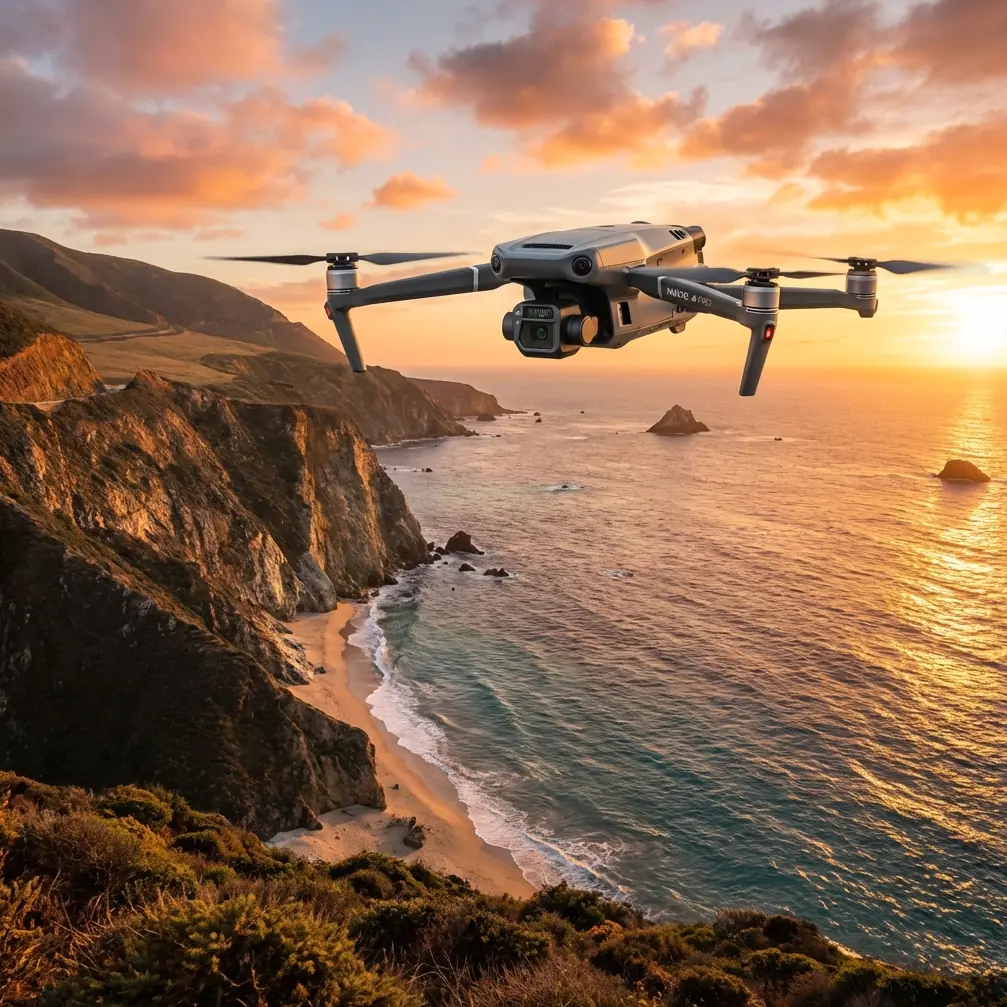
Mapping Highways with Mavic 3T | Expert Guide
META: Learn how the DJI Mavic 3T transforms highway mapping in remote areas with thermal imaging, RTK precision, and 45-min flight time. Complete tutorial inside.
TL;DR
- Mavic 3T combines a 56× hybrid zoom, thermal camera, and RTK module for centimeter-accurate highway corridor mapping
- 45-minute flight time covers up to 12 km of highway per battery in optimal conditions
- O3 transmission maintains 15 km range, critical for BVLOS operations in remote terrain
- AES-256 encryption ensures secure data handling for government infrastructure projects
Highway mapping in remote regions presents unique challenges that most enterprise drones simply cannot handle. The DJI Mavic 3T solves three critical pain points simultaneously: extended range without signal loss, thermal signature detection for subsurface analysis, and photogrammetry-grade accuracy—all in a 895g airframe you can deploy from a truck bed.
This tutorial walks you through the complete workflow for mapping highway corridors using the Mavic 3T, from mission planning to deliverable generation.
Why the Mavic 3T Dominates Remote Highway Mapping
When comparing the Mavic 3T against competitors like the Autel EVO II Dual 640T or the senseFly eBee X, one specification immediately stands out: the O3 transmission system delivers 15 km of reliable range while competitors typically max out at 9-10 km.
For highway mapping, this translates directly to operational efficiency. A single takeoff point can cover significantly more linear distance, reducing the number of ground control stations required along a corridor.
The integrated sensor suite eliminates the need for multiple flights:
- 48MP wide camera captures RGB orthomosaics at 2.5 cm/pixel GSD from 100m altitude
- 12MP telephoto with 56× hybrid zoom inspects signage, guardrails, and pavement markings
- 640×512 thermal sensor detects subsurface moisture, drainage issues, and thermal signature anomalies in asphalt
Expert Insight: When mapping highways in mountainous remote areas, thermal imaging reveals water infiltration beneath pavement surfaces hours before visible damage appears. Schedule flights during early morning when temperature differentials between saturated and dry sections peak at 8-12°C.
Pre-Flight Planning for Highway Corridors
Establishing Ground Control Points
Accurate photogrammetry requires properly distributed GCPs. For highway mapping, I recommend a modified corridor layout:
- Place GCPs every 500 meters along the centerline
- Add lateral GCPs at 100-meter intervals on alternating sides
- Position additional points at all intersections and bridge approaches
- Use high-contrast targets (black and white checkerboard, minimum 30cm)
The Mavic 3T's RTK module connects to NTRIP networks, achieving 1 cm + 1 ppm horizontal accuracy and 1.5 cm + 1 ppm vertical accuracy. In remote areas without cellular coverage, deploy a D-RTK 2 base station.
Mission Configuration in DJI Pilot 2
Configure your corridor mission with these optimized parameters:
| Parameter | Recommended Setting | Rationale |
|---|---|---|
| Flight altitude | 100-120m AGL | Balances GSD with coverage efficiency |
| Forward overlap | 80% | Ensures tie points on uniform pavement |
| Side overlap | 70% | Accounts for corridor geometry |
| Gimbal pitch | -90° (nadir) | Standard for orthomosaic generation |
| Speed | 10-12 m/s | Prevents motion blur at 1/1000s shutter |
| White balance | Sunny/Cloudy preset | Avoids auto-WB color shifts between images |
For thermal capture, enable simultaneous recording and set the thermal palette to White Hot for maximum contrast during post-processing.
Field Execution: The Complete Workflow
Battery Management with Hot-Swap Strategy
The Mavic 3T's 45-minute flight time allows coverage of approximately 12 km of highway per battery at optimal settings. For longer corridors, implement a hot-swap batteries protocol:
- Configure waypoint missions with 30% overlap between segments
- Set automatic RTH at 25% battery (not the default 20%)
- Pre-warm replacement batteries to 20-25°C in cold conditions
- Land, swap, and resume within 90 seconds to maintain thermal sensor calibration
Pro Tip: The Mavic 3T's battery heating system activates automatically below 10°C, but pre-warming batteries in your vehicle reduces the 3-5 minute warm-up delay that cuts into your flight window.
Maintaining O3 Transmission in Challenging Terrain
Remote highway corridors often wind through valleys, forests, and mountainous terrain that challenge radio links. The O3 transmission system uses dual-band frequency hopping between 2.4 GHz and 5.8 GHz, but you can optimize performance:
- Position the controller antenna perpendicular to the aircraft's direction of travel
- Avoid placing the controller near vehicle metal surfaces or running engines
- Enable Strong Interference mode in areas with known RF noise
- Monitor the transmission quality indicator—maintain above 4 bars for reliable BVLOS operations
For BVLOS highway mapping, coordinate with local aviation authorities and maintain visual observers at 2 km intervals as required by most jurisdictions.
Post-Processing Highway Mapping Data
Photogrammetry Workflow
Import your RGB dataset into Pix4Dmapper, DroneDeploy, or Agisoft Metashape. For highway corridors, adjust default settings:
- Enable rolling shutter correction (the Mavic 3T uses a rolling shutter sensor)
- Set tie point density to High for uniform pavement surfaces
- Apply GCP constraints before initial processing
- Generate outputs at native GSD rather than resampling
Expected deliverables from a single corridor flight:
- Orthomosaic at 2.5 cm/pixel resolution
- Digital Surface Model with ±5 cm vertical accuracy
- 3D point cloud with ~500 points/m² density
- Contour lines at 0.25m intervals
Thermal Data Analysis
The thermal imagery requires separate processing. Export thermal frames as RJPEG files (radiometric JPEG) to preserve temperature data. Key analysis targets for highway assessment:
- Subsurface moisture: Appears as cooler zones (darker in White Hot palette)
- Delamination: Shows as warmer patches where air pockets trap heat
- Drainage issues: Thermal signature patterns reveal water flow paths
- Bridge deck analysis: Temperature differentials indicate structural concerns
Technical Comparison: Mavic 3T vs. Competing Platforms
| Specification | DJI Mavic 3T | Autel EVO II Dual 640T | senseFly eBee X |
|---|---|---|---|
| Max flight time | 45 min | 42 min | 90 min |
| Transmission range | 15 km (O3) | 9 km | 10 km (LTE) |
| Thermal resolution | 640×512 | 640×512 | N/A (add-on) |
| RGB sensor | 48MP (4/3") | 50MP (1/1.28") | 20MP |
| RTK accuracy | 1 cm + 1 ppm | 1 cm + 1 ppm | 3 cm |
| Weight | 895g | 1191g | 1300g |
| Encryption | AES-256 | AES-256 | AES-128 |
| Deployment time | <2 min | <2 min | 5-7 min |
The Mavic 3T's combination of compact form factor, extended transmission range, and integrated triple-sensor payload makes it the optimal choice for highway corridor mapping where rapid deployment and extended range matter most.
Common Mistakes to Avoid
Flying too fast for thermal capture: The thermal sensor requires slower speeds than RGB. At 12 m/s, you risk thermal blur. Reduce to 8 m/s when thermal data is critical.
Insufficient overlap on uniform surfaces: Highway pavement lacks distinct features for photogrammetry software to match. The standard 75/65 overlap fails on highways—use 80/70 minimum.
Ignoring sun angle: Shadows from guardrails, signage, and vehicles create processing artifacts. Schedule flights within 2 hours of solar noon or on overcast days.
Skipping GCPs in "RTK-only" missions: RTK provides excellent relative accuracy, but absolute accuracy requires ground truth. Always deploy at least 5 GCPs per kilometer for engineering-grade deliverables.
Neglecting AES-256 encryption settings: Government highway projects require secure data handling. Enable encryption in DJI Pilot 2 settings before capturing any data on public infrastructure.
Frequently Asked Questions
Can the Mavic 3T map highways in high-wind conditions?
The Mavic 3T handles sustained winds up to 12 m/s (Level 6), but mapping quality degrades above 8 m/s. Wind causes micro-vibrations that reduce thermal image sharpness and increase RGB motion blur. Monitor wind forecasts and plan flights for calm morning windows when possible.
How many batteries do I need for a 50 km highway corridor?
At optimal settings covering 12 km per battery, you need a minimum of 5 batteries for a 50 km corridor. I recommend carrying 7-8 batteries to account for wind resistance, terrain-following altitude adjustments, and the hot-swap overlap zones. This also provides redundancy for unexpected battery issues.
Is the Mavic 3T suitable for BVLOS highway mapping operations?
Yes, with proper authorization. The 15 km O3 transmission range and AES-256 encrypted link meet technical requirements for most BVLOS waivers. You must still comply with local regulations, which typically require visual observers, detect-and-avoid systems, or restricted airspace coordination. The Mavic 3T's ADS-B receiver (in some regions) provides additional situational awareness for BVLOS operations.
Dr. Lisa Wang specializes in infrastructure mapping and remote sensing applications for transportation engineering projects.
Ready for your own Mavic 3T? Contact our team for expert consultation.