
Mavic 3T Mapping Tips for Complex Venue Terrain
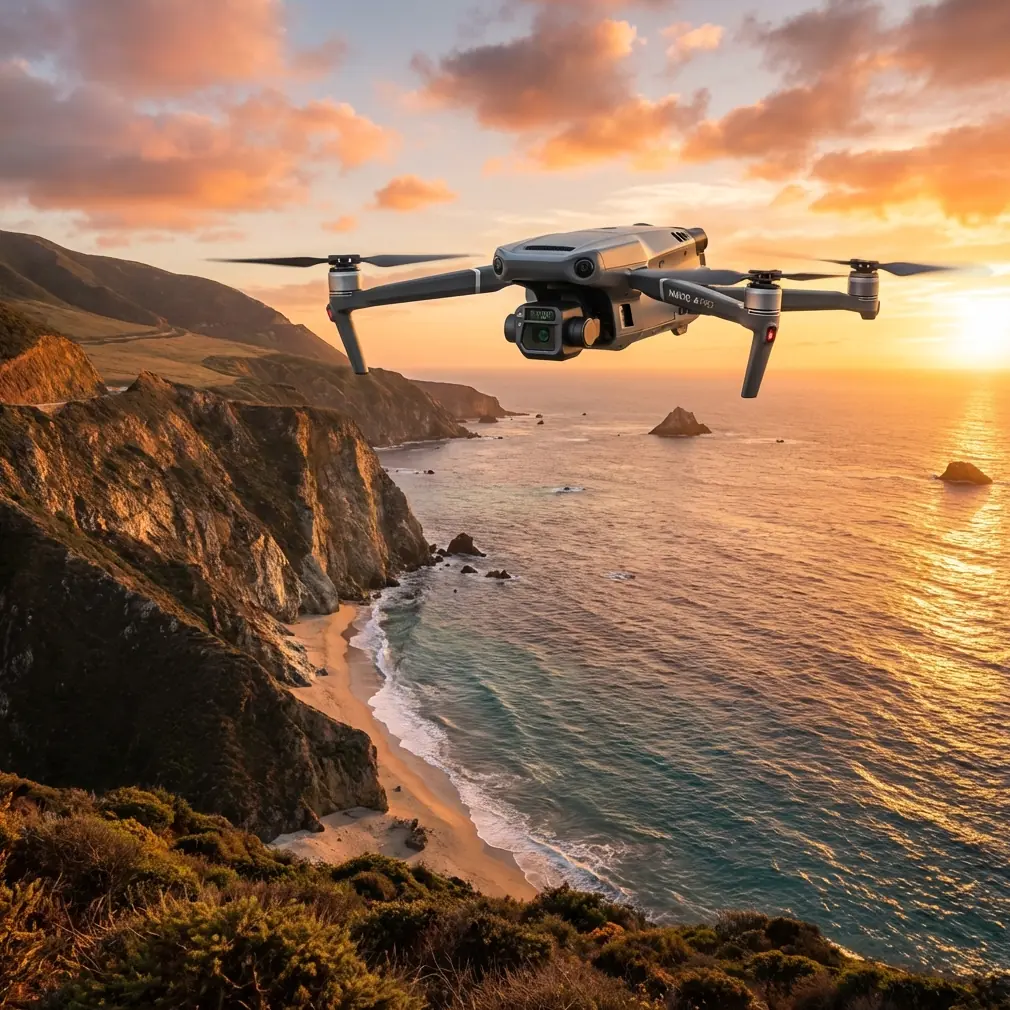
Mavic 3T Mapping Tips for Complex Venue Terrain
META: Master venue mapping in challenging terrain with the Mavic 3T. Expert tips on thermal imaging, photogrammetry workflows, and GCP placement for accurate results.
TL;DR
- Thermal signature detection helps identify hidden obstacles and wildlife before they compromise your mapping mission
- Strategic GCP placement across elevation changes ensures sub-centimeter accuracy in final orthomosaics
- The O3 transmission system maintains solid connectivity even when mapping venues surrounded by dense infrastructure
- Hot-swap batteries enable continuous coverage of large venues without data gaps or mission restarts
Complex venue mapping separates professional drone operators from hobbyists. The Mavic 3T combines a 48MP wide camera, 12MP zoom lens, and 640×512 thermal sensor into a platform that handles terrain challenges most enterprise drones struggle with. This guide breaks down field-tested techniques for capturing accurate, deliverable-ready data in environments where elevation changes, obstacles, and unpredictable conditions threaten mission success.
Understanding Venue Terrain Challenges
Mapping stadiums, amphitheaters, racetracks, and outdoor event spaces introduces variables that flat-terrain missions never encounter. You're dealing with dramatic elevation shifts between seating areas and field levels, reflective surfaces that confuse standard photogrammetry workflows, and structural elements that create GPS shadows.
The Mavic 3T addresses these challenges through sensor fusion. Its mechanical shutter eliminates rolling shutter distortion when capturing steep angles, while the thermal camera reveals temperature differentials that indicate structural concerns or drainage issues invisible to RGB sensors.
Elevation Management Strategies
Traditional grid patterns fail in venues with significant vertical relief. A stadium bowl might span 40 meters of elevation change from field level to upper concourse. Flying a single-altitude mission produces inconsistent ground sampling distance (GSD) that degrades orthomosaic quality.
Instead, plan tiered flight patterns that maintain consistent altitude above ground level (AGL) rather than mean sea level (MSL). The Mavic 3T's terrain follow mode helps, but complex venues require manual waypoint altitude adjustments based on your pre-mission site survey.
Expert Insight: Before any venue mapping mission, walk the site with a laser rangefinder. Document elevation at minimum 8 points across the coverage area. These measurements become your altitude adjustment references when programming waypoints.
Thermal Signature Applications Beyond Inspection
Most operators think of thermal imaging as an inspection tool. For venue mapping, the 640×512 thermal sensor serves a different purpose: obstacle and hazard identification during pre-mission reconnaissance.
During a recent amphitheater mapping project in mountainous terrain, the thermal camera detected a family of deer bedded down in tall grass near the stage area. Standard RGB preview showed nothing but vegetation. The thermal signature—clearly warmer than surrounding ground—allowed mission adjustment before the aircraft's approach startled the animals into the flight path.
This wildlife detection capability proves invaluable for dawn and dusk missions when animals are most active. The thermal sensor identifies heat signatures at distances exceeding 400 meters, giving operators time to modify approach vectors or pause missions until wildlife clears the area.
Thermal Data for Drainage Analysis
Venue managers increasingly request thermal overlays to identify drainage problems. After rainfall, the Mavic 3T's thermal camera captures moisture retention patterns invisible to standard cameras. Standing water appears distinctly cooler than surrounding surfaces, while subsurface drainage issues show as thermal gradients across paved areas.
Capture thermal data 2-4 hours after precipitation for optimal contrast. Earlier captures show uniform cooling; later captures lose the temperature differential as surfaces equilibrate.
GCP Placement for Complex Terrain
Ground Control Points determine whether your deliverables achieve survey-grade accuracy or remain useful only for visualization. Venue terrain demands strategic GCP distribution that accounts for both horizontal extent and vertical variation.
Minimum GCP Requirements by Venue Type
| Venue Type | Minimum GCPs | Recommended GCPs | Critical Placement Areas |
|---|---|---|---|
| Stadium (open roof) | 6 | 10-12 | Field corners, concourse level, press box elevation |
| Amphitheater | 5 | 8-10 | Stage, seating bowl edges, lawn areas |
| Racetrack | 8 | 15-20 | Start/finish, apex of each turn, elevation changes |
| Festival grounds | 6 | 12-15 | Perimeter, stage areas, vendor zones |
| Golf course | 10 | 20+ | Tee boxes, greens, significant elevation changes |
Place GCPs at elevation extremes within your coverage area. A stadium mapping mission needs points at field level AND upper deck level. Photogrammetry software interpolates elevation between GCPs; without vertical distribution, your model compresses or stretches in the Z-axis.
Pro Tip: Use AeroPoints or similar smart GCPs that log their own RTK positions. Traditional GCPs require separate survey equipment and add hours to site preparation. Smart GCPs achieve 8mm horizontal accuracy autonomously while you focus on flight planning.
O3 Transmission Performance in Venue Environments
The Mavic 3T's O3 Enterprise transmission maintains 15km maximum range in ideal conditions. Venues rarely offer ideal conditions. Steel structures, concrete seating bowls, and nearby broadcast equipment create interference that degrades signal quality.
Position your takeoff point with clear line-of-sight to the majority of your coverage area. For enclosed stadiums, this often means launching from mid-bowl elevation rather than field level. The additional height reduces signal occlusion from seating structures.
Monitor transmission quality indicators throughout the mission. The Mavic 3T displays real-time signal strength; if quality drops below three bars, reduce distance or altitude to restore connection stability before continuing data capture.
Interference Mitigation Techniques
Venues with active broadcast infrastructure—especially during events—generate significant RF interference. Schedule mapping missions during venue dark periods when broadcast equipment is powered down. If active-period mapping is unavoidable, coordinate with venue technical staff to identify frequency conflicts.
The O3 system operates on 2.4GHz and 5.8GHz bands with automatic frequency hopping. However, dense interference environments can exhaust available clean channels. Pre-mission spectrum analysis using a handheld RF scanner identifies problematic frequencies before you're mid-flight with degraded control.
Photogrammetry Workflow Optimization
Raw imagery from the Mavic 3T requires processing workflows optimized for its specific sensor characteristics. The 4/3 CMOS sensor produces files with different noise profiles and color science than competing platforms.
Camera Settings for Maximum Processing Quality
Lock these settings before venue mapping missions:
- ISO 100-200 (never auto-ISO for mapping)
- Shutter speed 1/500 or faster to eliminate motion blur
- Aperture f/4-f/5.6 for optimal sharpness across the frame
- White balance manual (measure on-site with gray card)
- File format DNG+JPEG for processing flexibility
The mechanical shutter eliminates rolling shutter compensation requirements in processing software, reducing computation time by approximately 15-20% compared to electronic shutter captures.
Overlap Requirements for Venue Terrain
Standard 75% frontal / 65% side overlap works for flat terrain. Venue mapping demands increased overlap to maintain tie-point density across elevation transitions.
Increase to 80% frontal / 75% side overlap for venues with elevation changes exceeding 10 meters. This overlap increase adds approximately 30% more images to your dataset but dramatically improves reconstruction quality in challenging areas.
Data Security Considerations
Venue mapping often involves sensitive infrastructure. The Mavic 3T supports AES-256 encryption for data stored on the aircraft and transmitted to the controller. Enable encryption before missions involving:
- Sports venues with security-sensitive layouts
- Entertainment facilities with proprietary stage designs
- Corporate campuses with confidential infrastructure
- Government facilities requiring data protection compliance
Encrypted data requires the paired controller for access. If the aircraft is lost or stolen, captured imagery remains protected from unauthorized extraction.
Common Mistakes to Avoid
Flying single-altitude missions over varied terrain. This produces inconsistent GSD that degrades deliverable quality. Plan tiered altitudes that maintain consistent AGL across elevation changes.
Neglecting thermal sensor calibration. The thermal camera requires flat-field calibration every 50 flight hours. Uncalibrated sensors produce banding artifacts that compromise thermal data accuracy.
Placing all GCPs at ground level. Vertical GCP distribution matters as much as horizontal spread. Include points at multiple elevations within your coverage area.
Ignoring battery temperature. The Mavic 3T's hot-swap battery system enables continuous operations, but swapping a cold battery into a warm aircraft causes condensation. Allow replacement batteries to equilibrate to ambient temperature before installation.
Skipping pre-mission thermal reconnaissance. The thermal sensor identifies wildlife, personnel, and obstacles invisible to RGB cameras. A 30-second thermal scan before committing to your flight pattern prevents mission-compromising surprises.
Frequently Asked Questions
What flight altitude produces optimal results for venue mapping?
Maintain 60-80 meters AGL for most venue mapping applications. This altitude balances GSD quality (approximately 2cm/pixel at 60m) with efficient coverage rates. Increase altitude for initial reconnaissance; decrease for detail captures of specific structures.
How many batteries does a typical stadium mapping mission require?
A 45,000 square meter stadium requires approximately 3-4 batteries for complete coverage at recommended overlap settings. The Mavic 3T's 45-minute flight time per battery provides substantial coverage, but factor in positioning flights, thermal reconnaissance, and safety margins when planning battery quantities.
Can the Mavic 3T operate in BVLOS conditions for large venue mapping?
The aircraft is technically capable of BVLOS operations, but regulatory approval varies by jurisdiction. In the United States, BVLOS requires specific waivers from the FAA. The O3 transmission system and return-to-home capabilities support extended-range operations once proper authorizations are obtained.
Venue mapping in complex terrain demands equipment that matches environmental challenges with capable solutions. The Mavic 3T's combination of imaging sensors, transmission reliability, and flight endurance handles terrain variables that compromise lesser platforms.
Ready for your own Mavic 3T? Contact our team for expert consultation.