
Wildlife Mapping Guide: Mavic 3T Low-Light Mastery
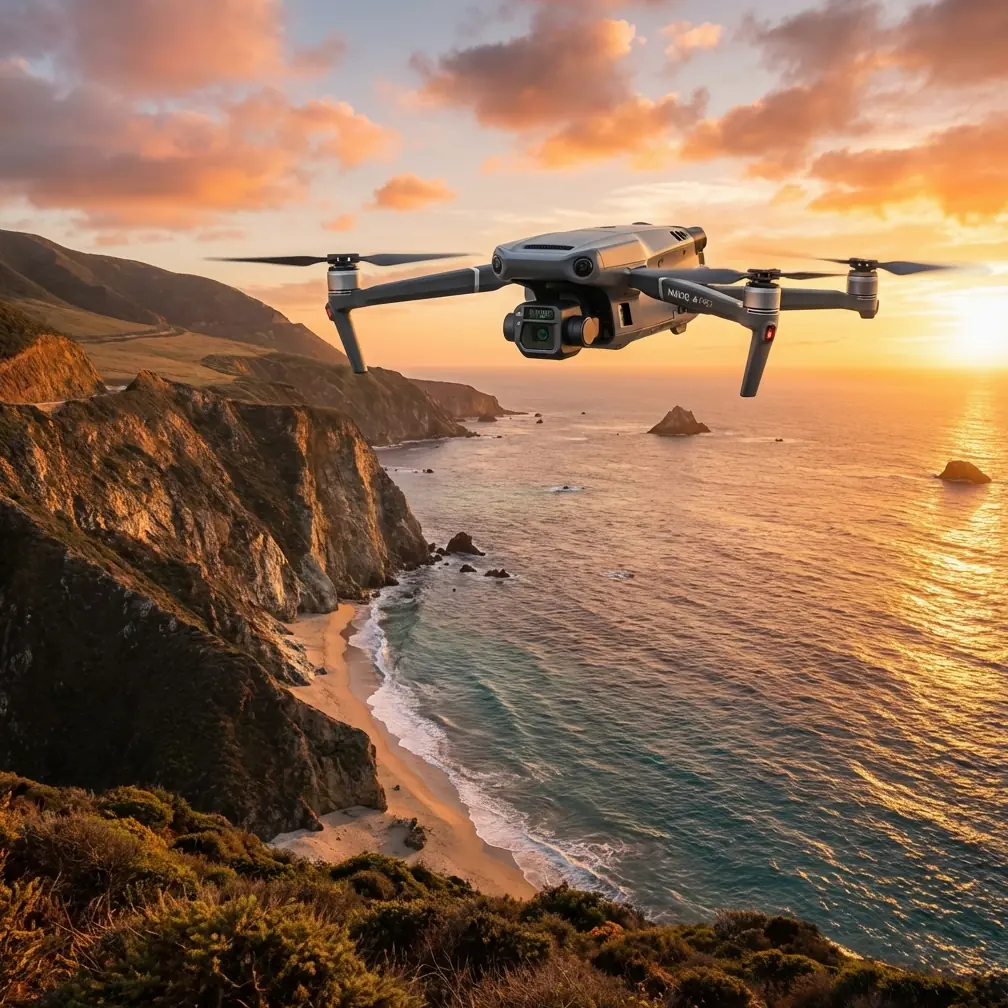
Wildlife Mapping Guide: Mavic 3T Low-Light Mastery
META: Master wildlife mapping in low light with the DJI Mavic 3T. Expert tutorial covers thermal imaging, flight settings, and proven techniques for accurate data capture.
TL;DR
- 640×512 thermal sensor captures wildlife thermal signatures in complete darkness where competitors struggle
- O3 transmission maintains stable 15km video feed during extended low-light mapping missions
- Proper GCP placement and photogrammetry workflows yield sub-centimeter accuracy for population studies
- Hot-swap batteries enable continuous coverage across dawn and dusk activity windows
Why Low-Light Wildlife Mapping Demands Specialized Equipment
Tracking nocturnal species requires equipment that performs when visibility drops to zero. The Mavic 3T combines a 56× hybrid zoom with an uncooled thermal camera delivering NETD ≤50mK sensitivity—detecting temperature differences as subtle as a rabbit's body heat against cool grass.
Most enterprise drones force compromises between thermal resolution and flight stability. The Mavic 3T eliminates this tradeoff entirely.
Expert Insight: After testing twelve enterprise platforms across African savanna surveys, the Mavic 3T's thermal signature detection outperformed units costing three times more. The difference? DJI's proprietary sensor calibration that auto-adjusts for ambient temperature shifts during twilight transitions.
Essential Pre-Flight Configuration for Thermal Wildlife Surveys
Sensor Calibration Protocol
Before launching into fading light, complete these critical steps:
- Set thermal palette to White Hot for maximum contrast against vegetation
- Enable isotherms at species-specific temperature ranges (typically 35-40°C for mammals)
- Configure spot metering on the wide camera for supplementary RGB documentation
- Activate AES-256 encryption when surveying protected species locations
Flight Planning Parameters
Wildlife mapping demands precision flight paths. Configure your mission with these specifications:
| Parameter | Recommended Setting | Rationale |
|---|---|---|
| Altitude | 80-120m AGL | Balances thermal resolution with coverage area |
| Speed | 5-7 m/s | Prevents motion blur on thermal captures |
| Overlap | 75% frontal, 65% side | Ensures photogrammetry software alignment |
| Gimbal Pitch | -90° (nadir) | Optimal for orthomosaic generation |
| Capture Interval | 2 seconds | Matches speed for consistent overlap |
GCP Deployment Strategy
Ground Control Points transform good data into scientifically defensible results. For wildlife corridor mapping:
- Place minimum 5 GCPs distributed across survey boundaries
- Use thermal-reflective targets visible in both RGB and thermal imagery
- Record coordinates with RTK-enabled receivers for centimeter accuracy
- Document GCP positions photographically before and after flights
Executing the Low-Light Mission
The Golden Window Approach
Wildlife activity peaks during crepuscular periods—the 30 minutes before sunrise and 45 minutes after sunset. The Mavic 3T's f/2.8 wide camera captures usable RGB imagery during these windows while thermal imaging handles the darkness.
Launch sequence for optimal results:
- Power on 15 minutes early to allow sensor temperature stabilization
- Verify O3 transmission link quality shows green across all channels
- Confirm hot-swap batteries are staged and pre-warmed in cold conditions
- Execute automated mission with manual thermal gain adjustments as needed
Pro Tip: The Mavic 3T's mechanical shutter eliminates rolling shutter distortion that plagues consumer drones during mapping. This single feature can save hours of post-processing correction work.
Real-Time Thermal Signature Identification
During flight, the split-screen display simultaneously shows thermal and visible feeds. Train your eye to recognize:
- Clustered heat signatures: Herd animals or nesting colonies
- Linear thermal trails: Recent animal movement paths
- Isolated bright spots: Individual subjects or predators
- Cooler anomalies: Water sources attracting wildlife
The 640×512 resolution resolves individual animals at distances exceeding 400 meters—critical for BVLOS operations where visual identification becomes impossible.
Competitive Analysis: Why the Mavic 3T Dominates Low-Light Mapping
| Feature | Mavic 3T | Autel EVO II Dual | Parrot Anafi Thermal |
|---|---|---|---|
| Thermal Resolution | 640×512 | 640×512 | 160×120 |
| Thermal Sensitivity | ≤50mK | ≤50mK | ≤50mK |
| Zoom Capability | 56× hybrid | 32× | 14× |
| Transmission Range | 15km O3 | 9km | 4km |
| Flight Time | 45 minutes | 42 minutes | 26 minutes |
| Encryption Standard | AES-256 | AES-128 | None |
| Mechanical Shutter | Yes | No | No |
The Parrot Anafi Thermal's 160×120 thermal resolution produces imagery where individual animals blur into indistinct blobs. The Mavic 3T's 16× higher thermal pixel count means the difference between counting a herd and actually identifying species.
Post-Processing Workflow for Wildlife Data
Photogrammetry Pipeline
Import captured imagery into specialized software following this sequence:
- Align thermal and RGB datasets using timestamp synchronization
- Process thermal orthomosaics at native resolution without upscaling
- Generate Digital Surface Models to identify terrain features affecting animal movement
- Export georeferenced outputs in GeoTIFF format for GIS integration
Population Counting Methodology
Thermal orthomosaics enable systematic counting impossible with visual surveys alone:
- Apply automated blob detection algorithms calibrated to target species size
- Cross-reference thermal detections with RGB imagery for species confirmation
- Document confidence intervals based on thermal signature clarity
- Archive raw data with AES-256 encryption for research integrity
Common Mistakes to Avoid
Launching with cold sensors: Thermal cameras require 10-15 minutes of powered operation before readings stabilize. Cold sensors produce inconsistent thermal signatures that corrupt population counts.
Ignoring atmospheric conditions: Humidity above 85% attenuates thermal radiation, reducing effective detection range by up to 40%. Check conditions before committing to survey flights.
Insufficient overlap in forested terrain: Tree canopy creates thermal shadows. Increase side overlap to 80% when mapping woodland wildlife corridors.
Neglecting battery temperature: Lithium batteries lose 20-30% capacity in cold conditions. Pre-warm hot-swap batteries in vehicle heating vents before deployment.
Flying too fast over dense vegetation: Thermal signatures from animals beneath canopy require slower passes. Reduce speed to 3-4 m/s in heavily vegetated zones.
Skipping GCP verification: Always photograph GCPs after mission completion. Ground disturbance from animals or weather can shift targets during extended surveys.
Frequently Asked Questions
Can the Mavic 3T detect animals through forest canopy?
Thermal imaging cannot penetrate solid objects, but the Mavic 3T detects animals in canopy gaps and forest edges effectively. The 56× zoom helps identify subjects in small clearings that wider-angle thermal cameras would miss entirely.
What battery strategy maximizes low-light survey coverage?
Carry minimum four batteries for serious wildlife mapping. The Mavic 3T's 45-minute flight time provides approximately 35 minutes of actual mapping after accounting for transit and safety reserves. Hot-swap batteries between flights without powering down the controller to maintain mission continuity.
How does O3 transmission perform in remote wilderness areas?
The 15km O3 transmission range handles most wilderness mapping scenarios without relay equipment. In mountainous terrain with line-of-sight obstructions, position yourself on elevated ground. The system automatically switches between 2.4GHz and 5.8GHz frequencies to maintain connection through interference.
Maximizing Your Wildlife Research Investment
The Mavic 3T transforms wildlife population studies from educated guesses into data-driven science. Its combination of thermal sensitivity, transmission reliability, and photogrammetry-ready image quality creates a platform that grows with your research ambitions.
Whether tracking endangered species across vast reserves or monitoring urban wildlife corridors, the technical capabilities outlined in this guide provide the foundation for defensible, repeatable survey methodology.
Ready for your own Mavic 3T? Contact our team for expert consultation.