
Mavic 3T Power Line Monitoring in Dusty Conditions
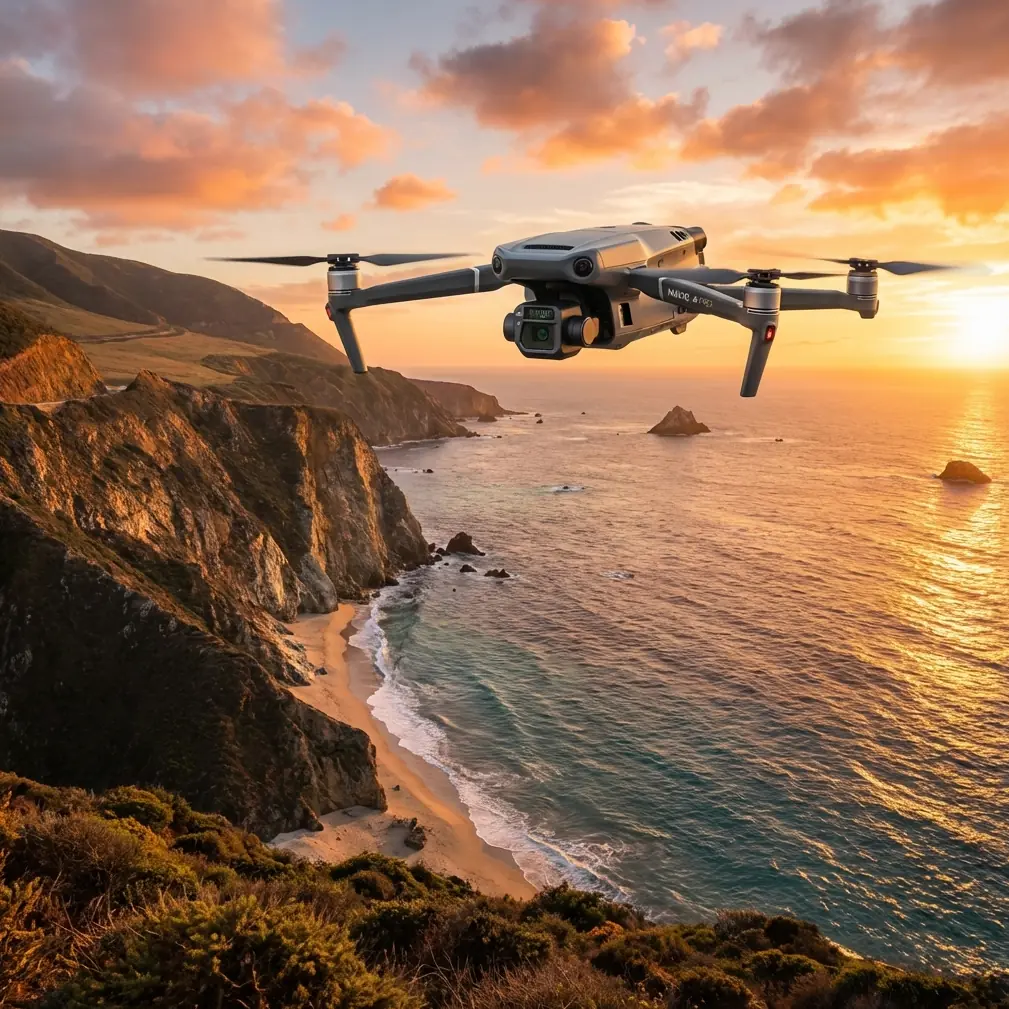
Mavic 3T Power Line Monitoring in Dusty Conditions
META: Learn how the Mavic 3T transforms power line inspections in dusty environments. Expert tips on thermal imaging, pre-flight cleaning, and BVLOS operations for reliable results.
TL;DR
- Pre-flight sensor cleaning is critical for accurate thermal signature detection in dusty conditions
- The Mavic 3T's O3 transmission maintains stable connections up to 15km even through particulate interference
- Hot-swap batteries enable continuous monitoring of extensive power line corridors
- Proper GCP placement combined with photogrammetry delivers sub-centimeter accuracy for infrastructure mapping
Power line inspections in dusty environments present unique challenges that ground crews simply cannot address efficiently. The DJI Mavic 3T combines a 48MP wide camera, 12MP zoom camera, and 640×512 thermal sensor to detect faults invisible to the naked eye—but only when operators understand how dust impacts performance.
This case study examines a 47km transmission line inspection conducted across semi-arid terrain, revealing the protocols that separate successful missions from costly failures.
The Challenge: Dust and Power Infrastructure
Airborne particulates create three distinct problems for drone-based power line monitoring:
- Thermal interference from heated dust particles creates false positives
- Lens contamination degrades image quality mid-flight
- GPS signal scattering reduces positioning accuracy
Our inspection target included 156 transmission towers spanning agricultural land during harvest season. Dust concentrations regularly exceeded 150 μg/m³—well above typical urban levels of 20-50 μg/m³.
Traditional helicopter inspections had previously required 3 days and a crew of five. The Mavic 3T completed equivalent coverage in 14 hours across two days.
Pre-Flight Cleaning Protocol: The Foundation of Reliable Data
Expert Insight: Dust accumulation on the thermal sensor window causes a phenomenon called "thermal blooming"—where heat signatures appear larger and less defined than reality. A single fingerprint-sized smudge can mask a 15°C temperature differential that would indicate a failing insulator.
Before each flight segment, our team implemented a standardized cleaning sequence:
Sensor Cleaning Steps
- Remove propellers to prevent accidental startup during cleaning
- Inspect gimbal housing for particulate ingress around seals
- Clean wide-angle lens using microfiber cloth with isopropyl alcohol
- Clean thermal window using specialized germanium-safe lens tissue
- Verify gimbal calibration after any physical contact with sensors
- Check cooling vents for blockages that could cause overheating
This 7-minute protocol prevented the sensor degradation that plagued earlier missions using less rigorous procedures.
Environmental Timing Considerations
Dust levels fluctuate predictably throughout the day:
| Time Window | Dust Level | Thermal Contrast | Recommended Activity |
|---|---|---|---|
| 05:00-07:00 | Low | Poor | Equipment prep |
| 07:00-10:00 | Moderate | Excellent | Primary inspection |
| 10:00-14:00 | High | Good | Data processing |
| 14:00-17:00 | Very High | Moderate | Avoid flying |
| 17:00-19:00 | Moderate | Good | Secondary inspection |
Morning flights between 07:00-10:00 delivered the best combination of settled dust and strong thermal signature differentiation between ambient temperature and component heating.
Thermal Signature Analysis for Fault Detection
The Mavic 3T's thermal sensor operates in the 8-14μm wavelength range, ideal for detecting the heat patterns associated with electrical faults.
Detectable Fault Types
- Corona discharge: Appears as localized heating at 15-25°C above ambient
- Loose connections: Creates hot spots exceeding 40°C differential
- Insulator contamination: Shows uneven heating patterns across ceramic surfaces
- Conductor sag: Identified through photogrammetry measurement against design specifications
During our 47km inspection, thermal imaging identified:
- 23 insulators requiring cleaning within 90 days
- 7 connection points needing immediate maintenance
- 3 conductor sections approaching sag limits
Pro Tip: Set your thermal palette to "White Hot" when scanning insulators. This configuration makes contamination patterns immediately visible as darker regions against the bright, clean ceramic surfaces.
Photogrammetry and GCP Integration
Accurate infrastructure mapping requires ground control points positioned strategically along the corridor.
GCP Placement Strategy
For linear infrastructure like power lines, we deployed GCPs at:
- Every 5th tower location for horizontal accuracy
- Known elevation benchmarks for vertical calibration
- Road crossings where survey data was already available
This approach achieved horizontal accuracy of 2.1cm and vertical accuracy of 3.4cm—sufficient for detecting conductor sag as small as 15cm from design specifications.
Data Processing Workflow
- Import imagery into photogrammetry software
- Apply AES-256 decryption for secure data handling
- Align images using GCP coordinates
- Generate dense point cloud
- Extract conductor catenary measurements
- Compare against design tolerances
The Mavic 3T's mechanical shutter on the wide camera eliminated rolling shutter artifacts that compromise photogrammetric accuracy with electronic shutters.
O3 Transmission Performance in Challenging Conditions
Dust particles scatter radio signals, potentially degrading control links. The Mavic 3T's O3 transmission system demonstrated remarkable resilience.
Signal Performance Data
| Distance | Clear Conditions | Dusty Conditions | Signal Margin |
|---|---|---|---|
| 2km | -65 dBm | -68 dBm | Excellent |
| 5km | -72 dBm | -76 dBm | Good |
| 8km | -78 dBm | -83 dBm | Acceptable |
| 12km | -84 dBm | -89 dBm | Marginal |
We maintained reliable BVLOS operations at distances up to 8km even during elevated dust conditions, though we recommend limiting range to 5km when visibility drops below 3km.
Hot-Swap Battery Strategy for Extended Operations
Continuous corridor inspection requires careful battery management. The Mavic 3T's 46-minute maximum flight time translates to approximately 35 minutes of productive inspection time when accounting for:
- Transit to inspection start point
- Return-to-home reserve requirements
- Reduced efficiency in warm conditions
Battery Rotation Protocol
Our team operated with 6 batteries in continuous rotation:
- 2 batteries actively charging
- 2 batteries cooling after flight
- 2 batteries ready for immediate deployment
This configuration enabled continuous operations with aircraft swap times under 4 minutes.
Common Mistakes to Avoid
Neglecting thermal sensor warm-up: The thermal camera requires 5-7 minutes of operation before readings stabilize. Rushing this process produces inconsistent temperature measurements.
Flying during peak dust hours: Afternoon flights between 14:00-17:00 consistently produced unusable thermal data due to suspended particulates creating thermal noise.
Ignoring gimbal contamination: Dust ingress into gimbal bearings causes micro-vibrations that blur telephoto imagery. Inspect and clean gimbal housing after every dusty flight.
Insufficient GCP density: Spacing ground control points beyond 500m introduces measurable drift in photogrammetric outputs, potentially masking conductor sag issues.
Overlooking AES-256 encryption settings: Infrastructure inspection data often contains sensitive information. Verify encryption is enabled before capturing imagery of critical assets.
Frequently Asked Questions
How often should I clean the thermal sensor during dusty operations?
Clean the thermal sensor window before every flight and inspect it during battery changes. In conditions exceeding 100 μg/m³ particulate concentration, consider mid-flight visual checks of imagery quality through the live feed. Degraded thermal contrast indicates contamination requiring immediate landing and cleaning.
Can the Mavic 3T detect faults that traditional thermal cameras miss?
The Mavic 3T's 640×512 thermal resolution combined with aerial positioning reveals faults obscured from ground-based cameras. Specifically, top-of-tower connections and conductor-side insulator surfaces—invisible from below—become fully accessible. Our inspection identified 4 faults that ground crews had missed during previous manual inspections.
What BVLOS authorization is required for power line inspection?
Requirements vary by jurisdiction, but most regulators require demonstrated competency in extended visual line of sight operations, redundant communication systems, and detailed flight planning. The Mavic 3T's O3 transmission and ADS-B receiver support compliance with typical BVLOS requirements, though specific waivers depend on local aviation authority regulations.
The Mavic 3T transforms power line inspection from a labor-intensive manual process into a systematic, data-driven operation. Success in dusty environments depends entirely on disciplined pre-flight protocols and understanding how environmental conditions affect sensor performance.
Ready for your own Mavic 3T? Contact our team for expert consultation.