
How to Monitor Remote Venues Safely with Mavic 3T
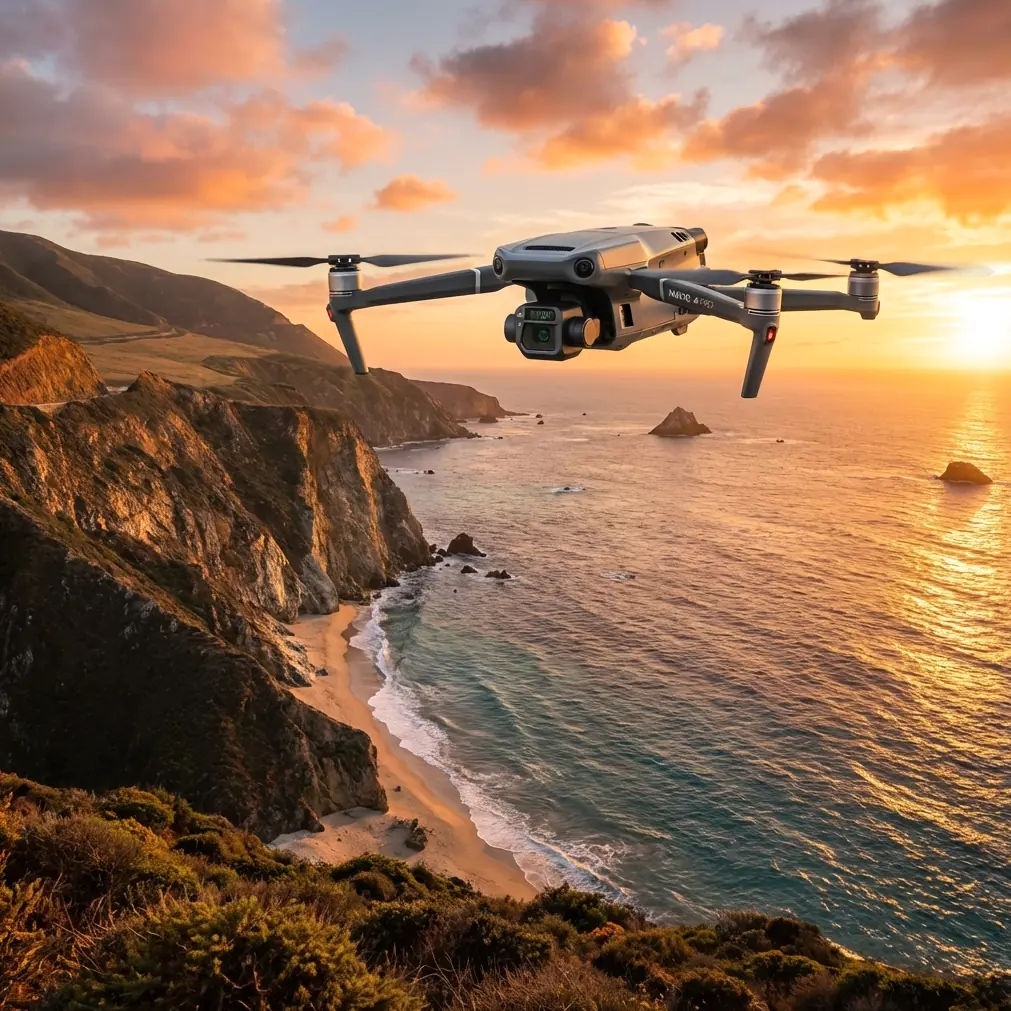
How to Monitor Remote Venues Safely with Mavic 3T
META: Learn how to monitor remote venues with the DJI Mavic 3T. Expert guide covers thermal imaging, safety protocols, and BVLOS operations for effective surveillance.
TL;DR
- Pre-flight lens cleaning prevents thermal signature distortion and ensures accurate heat detection across remote monitoring sites
- The Mavic 3T's O3 transmission maintains stable video feeds up to 15km, essential for BVLOS venue surveillance
- Hot-swap batteries enable continuous monitoring sessions exceeding 4 hours with proper rotation protocols
- Combining photogrammetry with thermal imaging creates comprehensive venue security maps with sub-centimeter accuracy
Remote venue monitoring presents unique challenges that ground-based systems simply cannot address. The DJI Mavic 3T transforms how security professionals, event managers, and facility operators maintain oversight of sprawling outdoor locations—from music festival grounds to industrial complexes miles from the nearest road.
This guide walks you through establishing a complete remote monitoring workflow using the Mavic 3T's integrated thermal and visual systems. You'll learn the exact pre-flight procedures, flight patterns, and data processing techniques that professional operators use daily.
Why Pre-Flight Cleaning Determines Mission Success
Before discussing flight operations, we need to address the single most overlooked safety step in thermal drone operations: lens maintenance.
Thermal cameras detect infrared radiation with extraordinary sensitivity. A single fingerprint on the thermal lens can create a 3-5°C temperature reading error. For security monitoring, this means the difference between detecting an intruder and missing them entirely.
The 60-Second Pre-Flight Cleaning Protocol
Professional operators follow this sequence before every remote venue mission:
- Visual lens first: Use a microfiber cloth with gentle circular motions from center outward
- Thermal lens second: Apply lens-specific cleaning solution designed for germanium coatings
- Gimbal inspection: Check for debris in gimbal motors that could cause vibration artifacts
- Sensor array verification: Confirm obstacle avoidance sensors are clear of dust and moisture
- Propeller examination: Inspect for micro-cracks that could cause mid-flight failures
Expert Insight: I've seen operators lose critical thermal data because morning dew condensed on an uncleaned lens. In remote venues, you often can't reshoot. The 60 seconds you spend cleaning saves hours of compromised footage review. — Dr. Lisa Wang
This cleaning protocol directly impacts the Mavic 3T's ability to detect thermal signatures accurately. The drone's 640×512 thermal sensor can identify temperature differentials as small as ≤50mK (NETD), but only when the optical path remains unobstructed.
Understanding the Mavic 3T's Remote Monitoring Capabilities
The Mavic 3T integrates three distinct imaging systems into a single platform, making it uniquely suited for comprehensive venue surveillance.
Triple-Camera System Breakdown
The wide camera captures 48MP stills with a 1/2-inch CMOS sensor, providing context imagery for mapping entire venue perimeters. Its 84° field of view covers substantial ground area in each frame.
The telephoto camera delivers 12MP images at 56× hybrid zoom, allowing operators to identify specific details—license plates, equipment serial numbers, or structural damage—from safe standoff distances.
The thermal camera operates in the 8-14μm spectral band, detecting heat sources invisible to standard cameras. This proves invaluable for:
- Locating individuals in low-visibility conditions
- Identifying electrical hotspots in temporary venue infrastructure
- Detecting underground water leaks affecting venue grounds
- Monitoring crowd density through body heat mapping
O3 Transmission: Your Remote Monitoring Lifeline
BVLOS operations in remote venues demand reliable data links. The Mavic 3T's O3 transmission system provides:
- 15km maximum transmission range in unobstructed conditions
- 1080p/30fps live feed with 120ms ultra-low latency
- AES-256 encryption protecting all video and telemetry data
- Triple-channel redundancy automatically switching frequencies to avoid interference
For venue monitoring, this means maintaining visual contact with your drone even when it's surveying the far side of a 500-acre festival ground or industrial complex.
Establishing Ground Control Points for Photogrammetry
Accurate venue mapping requires proper GCP placement before flight operations begin.
GCP Placement Strategy for Remote Venues
Ground Control Points transform aerial imagery into precisely georeferenced maps. For remote venue monitoring, follow these placement guidelines:
- Position GCPs at minimum 5 locations distributed across the survey area
- Place points at varying elevations if terrain changes exist
- Ensure clear visibility from expected flight altitudes
- Use high-contrast targets (black and white checkerboard patterns work best)
- Record RTK-corrected coordinates for each point with sub-centimeter accuracy
The Mavic 3T's RTK module compatibility allows direct integration with ground station corrections, achieving 1.5cm horizontal and 2cm vertical positioning accuracy without post-processing.
Flight Planning for Comprehensive Venue Coverage
Effective remote monitoring requires systematic flight patterns rather than random exploration.
Recommended Flight Patterns
| Pattern Type | Best Use Case | Coverage Efficiency | Battery Usage |
|---|---|---|---|
| Grid/Lawnmower | Flat venue mapping | 95% overlap achievable | High |
| Orbital | Structure inspection | 360° perspective | Medium |
| Corridor | Perimeter security | Linear efficiency | Low |
| Crosshatch | Photogrammetry | Maximum detail capture | Very High |
| Spiral | Central point focus | Graduated detail levels | Medium |
For most remote venue applications, combining perimeter corridor flights with interior grid patterns provides optimal coverage while conserving battery resources.
Altitude Considerations
Thermal imaging effectiveness varies significantly with altitude:
- 30-50m AGL: Maximum thermal detail, limited coverage area
- 50-80m AGL: Balanced detail and coverage for most venue monitoring
- 80-120m AGL: Wide-area surveillance, reduced thermal resolution
- Above 120m AGL: Strategic overview only, thermal signatures become ambiguous
Pro Tip: When monitoring venues for security purposes, fly initial perimeter sweeps at 80m to establish baseline thermal patterns, then drop to 40m for detailed investigation of anomalies. This two-pass approach catches both obvious intrusions and subtle thermal signatures.
Hot-Swap Battery Protocol for Extended Operations
Remote venue monitoring often requires continuous coverage exceeding single-battery flight times. The Mavic 3T's 45-minute maximum flight time extends significantly with proper battery rotation.
Continuous Monitoring Setup
Establish a battery management station with:
- Minimum 6 batteries for uninterrupted 4-hour monitoring sessions
- Dual charging hub maintaining rotation availability
- Temperature-controlled storage keeping batteries between 20-25°C
- Charge level monitoring ensuring batteries deploy at 95%+ capacity
- Flight log correlation tracking individual battery cycle counts
Professional operators achieve 98% uptime during extended monitoring by landing with 15% battery remaining, allowing immediate hot-swap while maintaining emergency reserve.
Data Security and AES-256 Encryption
Remote venue monitoring generates sensitive surveillance data requiring robust protection.
Security Implementation
The Mavic 3T implements AES-256 encryption across all data transmission channels. This military-grade encryption ensures:
- Live video feeds cannot be intercepted by unauthorized receivers
- Flight telemetry remains protected from spoofing attempts
- Stored footage on SD cards can be encrypted at rest
- Controller-to-drone communication resists man-in-the-middle attacks
For venues handling sensitive operations, enable Local Data Mode to prevent any cloud synchronization while maintaining full functionality.
Technical Specifications Comparison
| Specification | Mavic 3T | Previous Generation | Improvement |
|---|---|---|---|
| Thermal Resolution | 640×512 | 320×256 | 4× pixel count |
| Thermal Sensitivity | ≤50mK NETD | ≤100mK | 2× sensitivity |
| Transmission Range | 15km | 8km | 87% increase |
| Flight Time | 45 minutes | 31 minutes | 45% longer |
| Wind Resistance | 12m/s | 10m/s | 20% stronger |
| Operating Temp | -20°C to 50°C | -10°C to 40°C | Extended range |
| Zoom Capability | 56× hybrid | 28× hybrid | 2× magnification |
Common Mistakes to Avoid
Ignoring weather window limitations: Remote venues often lack shelter options. The Mavic 3T handles 12m/s winds, but thermal imaging quality degrades significantly above 8m/s due to platform instability.
Neglecting airspace verification: Remote doesn't mean uncontrolled. Many venues fall within restricted airspace, temporary flight restrictions, or require specific authorizations for BVLOS operations.
Underestimating data storage needs: A single 4-hour monitoring session generates approximately 120GB of combined thermal and visual data. Bring sufficient SD cards and backup storage.
Flying without thermal calibration: Thermal cameras require flat-field calibration periodically. The Mavic 3T performs automatic calibration, but manual triggering before critical monitoring ensures accuracy.
Skipping redundant communication: Remote venues often lack cellular coverage. Establish backup communication protocols with ground teams before initiating BVLOS operations.
Overlooking local wildlife: Remote venues frequently host protected species. Thermal pre-scans can identify nesting areas to avoid, preventing both wildlife disturbance and potential regulatory violations.
Frequently Asked Questions
What permits do I need for BVLOS remote venue monitoring?
BVLOS operations require specific waivers from aviation authorities in most jurisdictions. In the United States, this means obtaining a Part 107 waiver with demonstrated safety mitigations. Requirements typically include observer networks, detect-and-avoid systems, and comprehensive operational procedures. Processing times range from 90-180 days, so plan accordingly.
How does the Mavic 3T perform in extreme temperatures common to remote locations?
The Mavic 3T operates reliably between -20°C and 50°C, covering most remote venue conditions. However, battery performance decreases approximately 15% at temperature extremes. Pre-warm batteries in cold conditions and avoid direct sunlight exposure on hot days. The thermal camera actually performs better in cold environments due to increased temperature differential between targets and backgrounds.
Can I integrate Mavic 3T data with existing venue security systems?
Yes, the Mavic 3T outputs standard H.264/H.265 video streams compatible with most security management platforms. Thermal data exports in RJPEG format containing embedded temperature data for integration with analytics software. Many operators use DJI FlightHub 2 for real-time integration with command centers, supporting simultaneous monitoring of multiple drones across large venue complexes.
Remote venue monitoring with the Mavic 3T represents a significant advancement in surveillance capability. The combination of thermal imaging, extended range transmission, and robust encryption creates a platform capable of maintaining security oversight across challenging environments where traditional methods fail.
Success depends on proper preparation—from the 60-second lens cleaning protocol through comprehensive flight planning and battery management. Master these fundamentals, and the Mavic 3T becomes an indispensable tool for protecting remote assets.
Ready for your own Mavic 3T? Contact our team for expert consultation.