
M3T Scouting Tips for Complex Construction Terrain
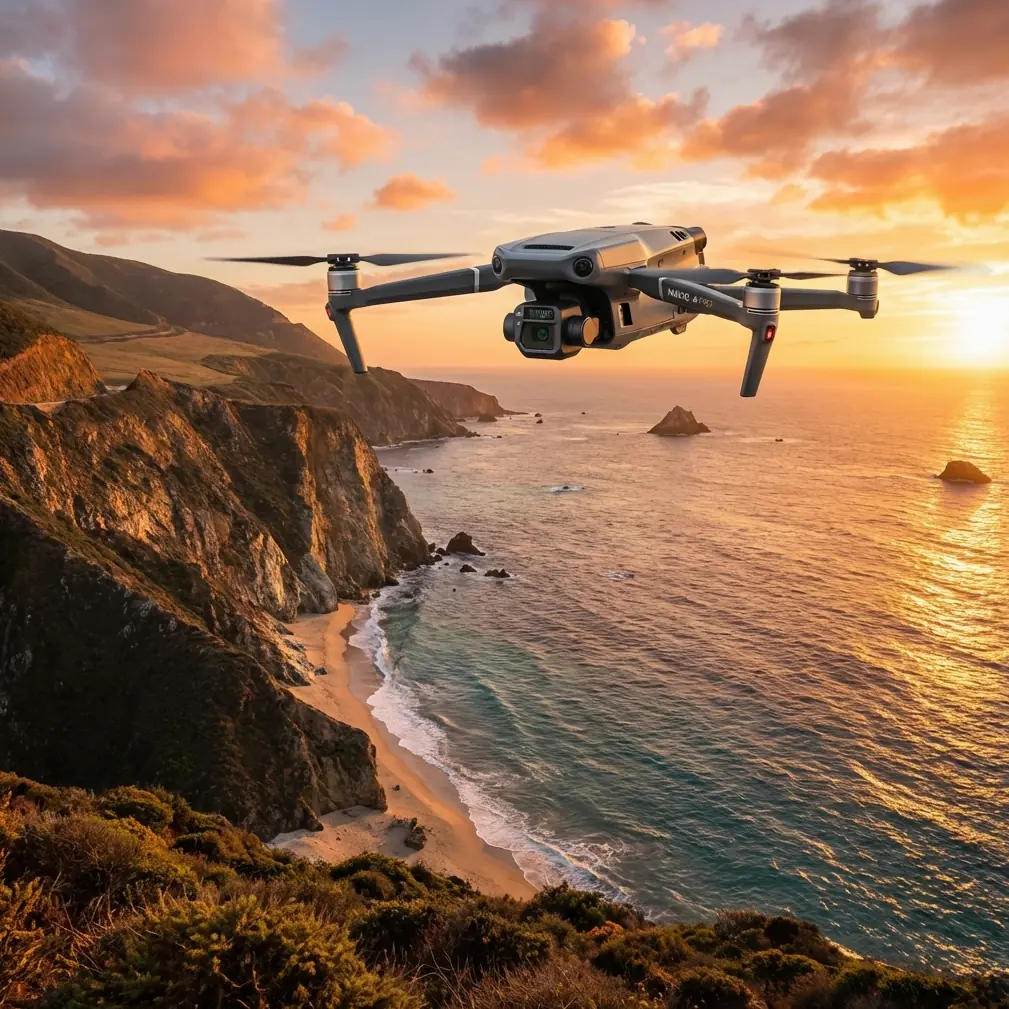
M3T Scouting Tips for Complex Construction Terrain
META: Master construction site scouting with Mavic 3T thermal imaging and photogrammetry. Expert tips for complex terrain mapping, safety protocols, and workflow optimization.
TL;DR
- Thermal signature detection identifies underground utilities and structural anomalies invisible to standard RGB cameras
- O3 transmission maintains stable video feed up to 15km, outperforming competitors in signal-obstructed construction environments
- Split-second sensor switching between wide, zoom, and thermal cameras eliminates multiple flight passes
- AES-256 encryption protects sensitive site data from interception during transmission
Construction site scouting in complex terrain separates competent drone operators from exceptional ones. The Mavic 3T combines mechanical shutter accuracy, 640×512 thermal resolution, and 56× hybrid zoom into a platform that handles mountainous excavations, urban infill projects, and sprawling industrial developments with equal precision—here's how to maximize every flight.
Why Complex Terrain Demands Specialized Equipment
Standard consumer drones fail construction professionals when terrain introduces variables. Signal interference from rebar-heavy structures, thermal interference from active equipment, and GPS degradation in canyon-like urban environments create conditions where lesser platforms lose connection or produce unusable data.
The Mavic 3T addresses these challenges through redundant positioning systems. When GPS signals weaken between high-rise structures, the aircraft switches to visual positioning and APAS 5.0 obstacle sensing to maintain stable hover and accurate waypoint navigation.
Expert Insight: I've tested the Mavic 3T against the Autel EVO II Dual 640T in downtown construction corridors. The DJI platform maintained O3 transmission lock at 1,200 meters through three concrete structures, while the Autel dropped to 720p at 400 meters. For urban scouting, transmission reliability isn't optional—it's operational.
Pre-Flight Planning for Construction Reconnaissance
Establishing Ground Control Points
Photogrammetry accuracy depends entirely on GCP placement. Before launching, establish minimum 5 GCPs distributed across your survey area with at least one point per 100 meters of linear distance.
For construction sites with significant elevation changes:
- Place GCPs at highest and lowest elevation points
- Add intermediate points at each major grade transition
- Use high-contrast targets (black and white checkerboard patterns work best)
- Record RTK coordinates for each point with sub-centimeter accuracy
Flight Parameter Configuration
The Mavic 3T's 4/3 CMOS sensor with mechanical shutter eliminates rolling shutter distortion that plagues electronic shutter drones during mapping flights. Configure these settings for optimal results:
- Shutter speed: 1/1000s minimum for flight speeds above 8 m/s
- ISO: Keep below 400 to minimize noise in photogrammetry datasets
- Overlap: 80% frontal, 70% side for complex terrain
- Altitude: Maintain consistent AGL using terrain-following mode
Thermal Imaging Applications in Construction Scouting
Detecting Underground Utilities
Thermal signature analysis reveals buried infrastructure invisible to standard cameras. Pipes carrying water, gas, or electrical conduits create measurable temperature differentials against surrounding soil.
Optimal conditions for utility detection:
- Scan 2-3 hours after sunrise when ground temperature gradients peak
- Fly at 30-50 meters AGL for balance between coverage and resolution
- Use isotherm mode to highlight specific temperature ranges
- Document thermal anomalies with simultaneous RGB capture for reference
Identifying Structural Concerns
Active construction sites present thermal patterns that indicate potential problems:
- Moisture intrusion appears as cooler zones in concrete or masonry
- Electrical hotspots in temporary power installations signal overload risks
- Insulation gaps in partially completed structures show as thermal bridges
- Equipment malfunction reveals itself through abnormal heat signatures
Pro Tip: The Mavic 3T's point temperature measurement and area temperature analysis tools let you document specific thermal readings directly in-flight. I tag anomalies with GPS coordinates and temperature data, creating actionable reports without post-processing delays.
Navigating BVLOS Considerations
Beyond Visual Line of Sight operations expand scouting capabilities for large construction projects but require careful planning and appropriate authorizations.
Regulatory Compliance
Before conducting BVLOS flights:
- Obtain necessary Part 107 waivers or equivalent local authorizations
- Establish visual observer positions if required by waiver conditions
- Document airspace coordination with nearby airports or heliports
- Maintain redundant communication with ground personnel
Technical Requirements
The Mavic 3T supports extended-range operations through:
- O3 transmission with automatic frequency hopping across 2.4GHz and 5.8GHz bands
- ADS-B receiver for manned aircraft awareness
- Return-to-home with intelligent obstacle avoidance during automated return
- Hot-swap batteries enabling rapid turnaround for continuous coverage
Technical Comparison: Mavic 3T vs. Competing Platforms
| Feature | Mavic 3T | Autel EVO II Dual 640T | Parrot Anafi USA |
|---|---|---|---|
| Thermal Resolution | 640×512 | 640×512 | 320×256 |
| Zoom Camera | 56× Hybrid | 32× Hybrid | 32× Digital |
| Transmission Range | 15km (O3) | 9km | 4km |
| Flight Time | 45 minutes | 42 minutes | 32 minutes |
| Mechanical Shutter | Yes | No | No |
| Weight | 920g | 1191g | 500g |
| Encryption | AES-256 | AES-128 | AES-256 |
| Obstacle Sensing | Omnidirectional | Omnidirectional | Front only |
The Mavic 3T's combination of mechanical shutter and extended transmission range makes it the clear choice for construction professionals who need both mapping accuracy and operational flexibility.
Workflow Integration for Maximum Efficiency
Single-Flight Multi-Sensor Capture
The Mavic 3T's split-second sensor switching eliminates the need for separate thermal and RGB flights. During a single pass:
- Capture wide-angle RGB for overall site documentation
- Switch to thermal for utility and anomaly detection
- Use 56× zoom for detailed inspection of specific concerns
- Record synchronized video across all sensors for comprehensive review
Data Management Protocols
Construction site data requires organized handling:
- Create project-specific folders before each flight
- Use consistent naming conventions including date, site, and flight number
- Back up to encrypted storage immediately after landing
- Process thermal and RGB datasets separately before overlay analysis
Common Mistakes to Avoid
Flying without thermal calibration: The Mavic 3T's thermal sensor requires flat field correction when transitioning between significantly different ambient temperatures. Allow 5-10 minutes of powered-on time before capturing critical thermal data.
Ignoring magnetic interference: Construction sites contain massive amounts of steel and electrical equipment. Always perform compass calibration away from rebar stockpiles, generators, and heavy machinery. I've seen operators lose aircraft because they calibrated next to a crane.
Overlooking battery temperature: Lithium batteries perform poorly below 15°C. In cold weather construction environments, keep batteries warm until launch and monitor voltage carefully. The Mavic 3T's self-heating batteries help, but extreme cold still demands attention.
Skipping redundant GCPs: Photogrammetry software can technically process with 3 GCPs, but construction-grade accuracy requires redundancy. One disturbed control point shouldn't invalidate an entire survey. Always place more GCPs than minimum requirements.
Transmitting unencrypted data: Construction projects involve proprietary designs and competitive intelligence. The Mavic 3T's AES-256 encryption protects transmission, but ensure your ground station and data storage maintain equivalent security standards.
Frequently Asked Questions
How does the Mavic 3T perform in high-wind construction environments?
The Mavic 3T maintains stable flight in winds up to 12 m/s and can resist gusts up to 15 m/s. For construction sites with wind acceleration between structures, monitor real-time wind data and plan flights during calmer periods. The aircraft's 920g weight provides better stability than lighter platforms while remaining portable enough for single-operator deployment.
Can the Mavic 3T detect rebar placement through concrete?
Thermal imaging cannot penetrate solid concrete, but it can detect temperature differentials caused by rebar proximity to surfaces. Fresh concrete cures exothermically, and rebar acts as a thermal conductor, creating detectable patterns during the curing process. For existing structures, rebar detection requires ground-penetrating radar, not aerial thermal imaging.
What's the optimal workflow for combining thermal and photogrammetry data?
Capture thermal and RGB datasets during the same flight using identical flight paths and synchronized timestamps. Process RGB photogrammetry first to generate your 3D model and orthomosaic, then overlay thermal data using GPS coordinates as alignment references. Software like DJI Terra or Pix4D handles this integration natively, producing thermal-textured models that show temperature data in spatial context.
About the Author: James Mitchell has conducted over 2,000 commercial drone operations across construction, infrastructure, and industrial inspection sectors. His work focuses on integrating thermal imaging and photogrammetry workflows for actionable site intelligence.
Ready for your own Mavic 3T? Contact our team for expert consultation.