
Mavic 3T Guide: Scouting Forests in Low-Light Conditions
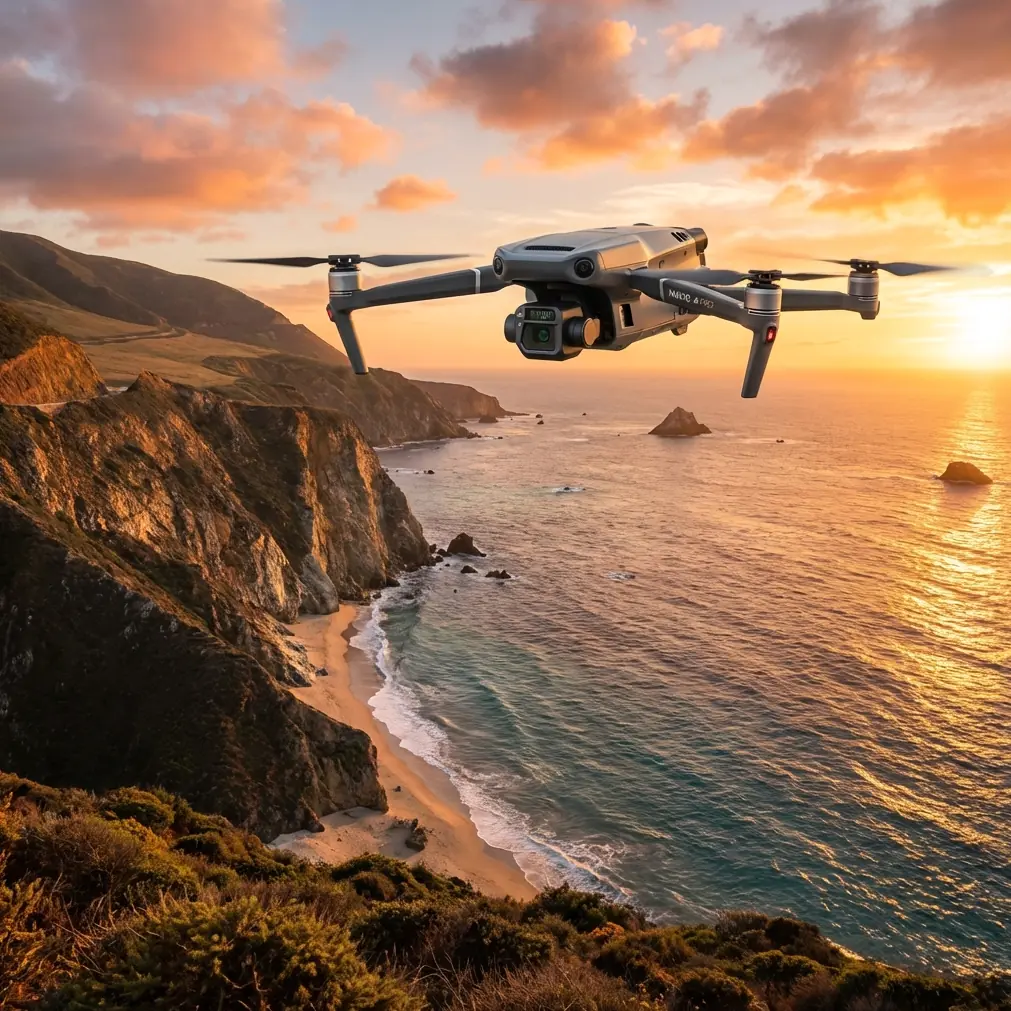
Mavic 3T Guide: Scouting Forests in Low-Light Conditions
META: Master low-light forest scouting with the DJI Mavic 3T. Expert thermal imaging techniques, EMI solutions, and pro tips for reliable woodland surveillance operations.
TL;DR
- Thermal signature detection through dense canopy requires specific gimbal angles and flight patterns optimized for forest environments
- O3 transmission maintains stable video feed up to 15km even when electromagnetic interference disrupts standard frequencies
- Hot-swap batteries enable continuous 90+ minute operations critical for comprehensive forest surveys
- AES-256 encryption protects sensitive wildlife monitoring and security reconnaissance data
Forest scouting operations fail when pilots underestimate low-light challenges. The DJI Mavic 3T combines a 640×512 thermal sensor with a 48MP wide camera and 12MP zoom lens—a triple-sensor system engineered specifically for environments where visibility drops and obstacles multiply. This technical review breaks down exactly how to configure, deploy, and troubleshoot the Mavic 3T for woodland reconnaissance when daylight fades.
Understanding the Mavic 3T Sensor Array for Forest Operations
The Mavic 3T's thermal imaging capabilities transform forest scouting from guesswork into precision science. Unlike consumer drones with bolted-on thermal accessories, this platform integrates its uncooled VOx microbolometer directly into the gimbal assembly.
Thermal Signature Detection Through Canopy
Dense forest canopy presents unique thermal imaging challenges. Tree coverage creates temperature differentials that can mask or distort heat signatures from wildlife, personnel, or equipment below.
Key thermal specifications for forest work:
- NETD of <50mK detects temperature differences as small as 0.05°C
- Adjustable gain modes (high/low) optimize for ambient temperature ranges
- 8-14μm spectral band penetrates light fog and smoke common in woodland environments
- 30Hz refresh rate captures movement without motion blur
Expert Insight: When scouting forests at dusk, switch to high-gain thermal mode approximately 20 minutes before sunset. This transition period creates maximum temperature differential between warm-bodied targets and cooling vegetation—your optimal detection window.
Wide and Zoom Camera Integration
The 48MP 1/2-inch CMOS sensor captures 4K/60fps video with an equivalent focal length of 24mm. For forest work, this wide perspective maps terrain features and identifies potential landing zones.
The 12MP zoom camera reaches 56× hybrid zoom, enabling species identification or equipment inspection from safe distances above the treeline.
Handling Electromagnetic Interference: Antenna Adjustment Protocols
Last autumn, during a search-and-rescue training exercise in the Pacific Northwest, our team encountered severe electromagnetic interference from a nearby radio tower. The Mavic 3T's signal dropped repeatedly until we implemented systematic antenna positioning adjustments.
Diagnosing EMI Sources in Forest Environments
Common interference sources in woodland areas include:
- Power transmission lines running through forest corridors
- Communication towers positioned on elevated terrain
- Underground mineral deposits affecting compass calibration
- Dense wet foliage absorbing radio frequencies
The O3 transmission system operates on 2.4GHz and 5.8GHz dual bands, automatically switching when interference degrades one frequency. However, physical antenna orientation remains critical.
Step-by-Step Antenna Optimization
Step 1: Position controller antennas perpendicular to the drone's location—flat tops facing the aircraft.
Step 2: Maintain antenna separation of at least 45 degrees between the two paddles.
Step 3: If signal drops below three bars, rotate your body position 90 degrees while keeping visual contact.
Step 4: For persistent interference, reduce altitude to use terrain as a natural RF shield between the drone and interference source.
Pro Tip: Carry a portable spectrum analyzer during critical forest operations. Identifying interference frequencies before launch allows you to pre-configure the controller's preferred band, reducing mid-flight signal hunting.
Flight Planning for Low-Light Forest Reconnaissance
Photogrammetry missions in forests demand different parameters than open-terrain surveys. Tree height variation, shadow patterns, and limited GPS visibility under canopy all affect mission success.
GCP Placement Strategies
Ground Control Points in forested areas require strategic positioning:
- Place GCPs in natural clearings or along fire roads
- Use high-contrast targets (white/orange checkerboards) visible through canopy gaps
- Minimum 5 GCPs per survey zone for sub-centimeter accuracy
- Document GCP coordinates using RTK-enabled ground receivers
Optimal Flight Parameters
| Parameter | Open Terrain | Forest Canopy | Dense Woodland |
|---|---|---|---|
| Altitude AGL | 80-120m | 60-80m | 40-60m |
| Speed | 12-15 m/s | 8-10 m/s | 4-6 m/s |
| Overlap (Front) | 70% | 80% | 85% |
| Overlap (Side) | 65% | 75% | 80% |
| Gimbal Angle | -90° | -70° to -80° | -60° to -70° |
The reduced gimbal angle in dense woodland captures tree trunk data and understory features often missed in standard nadir photography.
BVLOS Operations: Regulatory and Technical Considerations
Beyond Visual Line of Sight operations multiply forest scouting efficiency but require specific preparations. The Mavic 3T supports BVLOS through its ADS-B receiver and extended transmission range.
Technical Requirements for Extended Range
- O3 transmission maintains 1080p/30fps live feed at distances exceeding 15km in optimal conditions
- AES-256 encryption secures video and telemetry data during transmission
- Dual-operator mode allows separate camera and flight control management
- Automatic RTH triggers at 25% battery or signal loss exceeding 20 seconds
Battery Management for Extended Missions
Hot-swap batteries transform single-flight limitations into continuous operations. The Mavic 3T's 46-minute maximum flight time per battery extends to 90+ minutes with proper rotation protocols.
Battery management best practices:
- Pre-warm batteries to 20°C minimum before forest operations in cold conditions
- Maintain three battery sets per aircraft for continuous coverage
- Store spares in insulated cases during winter scouting missions
- Monitor individual cell voltages—retire batteries showing >0.1V variance between cells
Common Mistakes to Avoid
Ignoring compass calibration in new locations: Forest terrain contains mineral deposits that affect magnetometer readings. Calibrate before every operation in unfamiliar areas.
Relying solely on GPS for positioning: Tree canopy degrades satellite signal quality. Enable visual positioning systems and reduce autonomous flight speeds accordingly.
Overlooking thermal calibration drift: The Mavic 3T's thermal sensor requires 15 minutes of powered operation to stabilize readings. Launch early and hover before beginning survey patterns.
Flying identical patterns for thermal and visual surveys: Thermal imaging benefits from oblique angles that visual photogrammetry doesn't require. Plan separate flight paths for each sensor type.
Neglecting SD card speed ratings: Forest surveys generate massive datasets. Use V30-rated cards minimum; V60 recommended for simultaneous thermal and 4K visual recording.
Frequently Asked Questions
What thermal detection range can I expect through forest canopy?
Detection range depends on target size and temperature differential. A human-sized heat signature remains detectable through moderate canopy at altitudes up to 60 meters AGL. Smaller wildlife requires closer approaches—typically 30-40 meters—and slower flight speeds to ensure adequate thermal pixel coverage on target.
How does the Mavic 3T handle sudden GPS loss under dense tree cover?
The aircraft transitions to ATTI mode when GPS satellite count drops below 6 satellites. Visual positioning sensors maintain stability up to 50 meters AGL over textured surfaces. For forest operations, maintain manual control readiness and avoid aggressive maneuvers when satellite indicators show degraded signal quality.
Can I conduct photogrammetry surveys during twilight conditions?
The 48MP wide camera performs adequately until approximately 30 minutes after sunset with ISO adjustments. Beyond this window, switch to thermal-only surveys or deploy supplemental lighting for specific target areas. Photogrammetry processing software requires consistent lighting—mixed daylight/artificial illumination degrades reconstruction accuracy.
The Mavic 3T represents a significant capability upgrade for forest reconnaissance operations. Its integrated sensor array, robust transmission system, and extended flight endurance address the specific challenges woodland environments present. Mastering antenna positioning, thermal calibration timing, and battery rotation protocols transforms this platform from capable hardware into a reliable operational tool.
Ready for your own Mavic 3T? Contact our team for expert consultation.