
Mavic 3T for Solar Farms in Low Light: What Actually
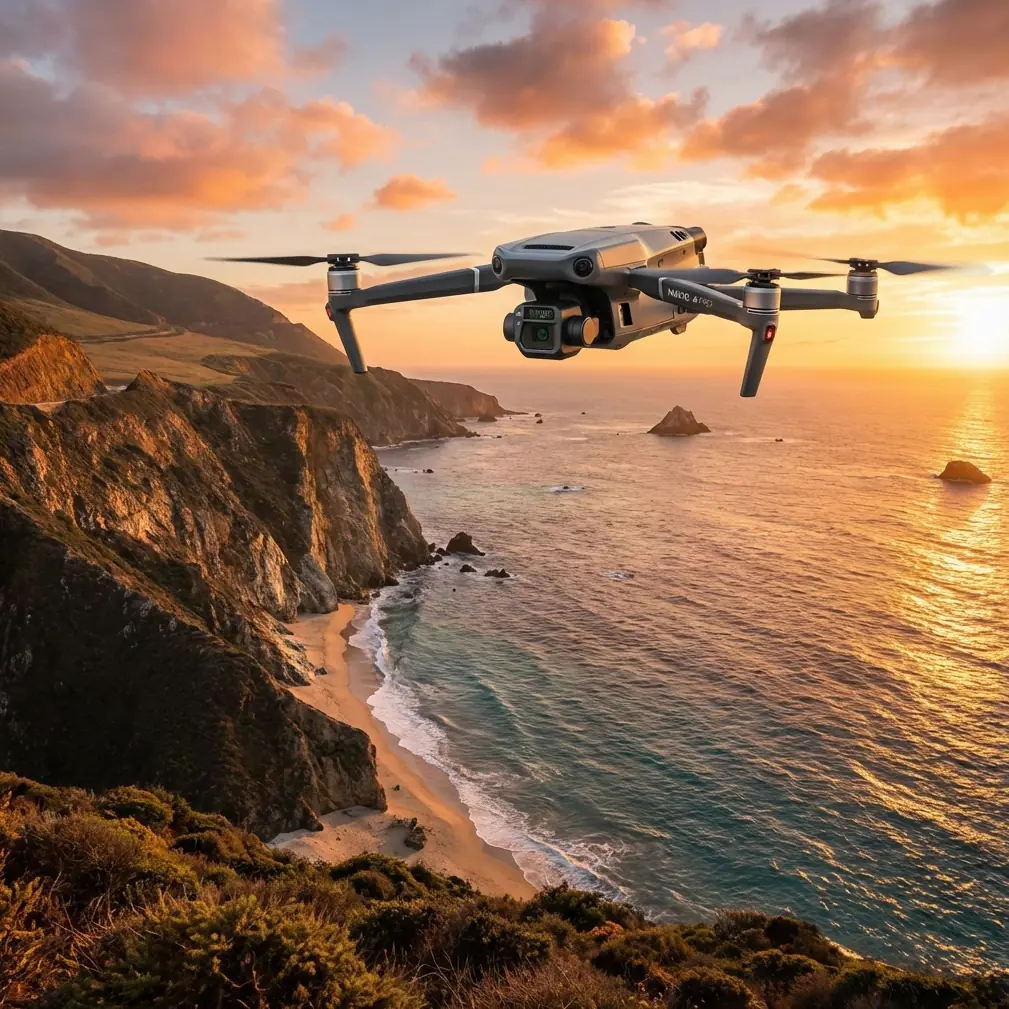
Mavic 3T for Solar Farms in Low Light: What Actually Matters in the Field
META: Expert analysis of using the DJI Mavic 3T for low-light solar farm scouting, with thermal workflow insights, transmission reliability, wildlife-aware operations, and why new heavy-lift drone trends matter for the wider low-altitude economy.
By James Mitchell
Solar farms look orderly from the access road. Row after row, predictable geometry, open sky, clean spacing. Then dawn arrives, temperature gradients sharpen, dew collects in odd places, animals move through the arrays, and the site stops behaving like a neat diagram. That is where the Mavic 3T earns its place.
For low-light scouting, the attraction is not simply that the aircraft has thermal capability. Plenty of people stop there, and that misses the operational point. The value of the Mavic 3T is that it lets a crew make decisions before full daylight without turning the mission into a cumbersome deployment. On a solar site, that means catching thermal signature anomalies when they are easier to separate from surrounding conditions, moving quickly across large blocks, and keeping enough visual context to avoid false interpretation.
I’ve seen this play out on utility-scale arrays where the first pass of the morning tells you more than a late-morning inspection ever will. A module string with elevated heat, a combiner area that is warming unevenly, or a suspicious hotspot along a cable route often stands out best when ambient conditions are still relatively cool. With the Mavic 3T, you can build that early scan into a practical workflow rather than a special-event operation.
The real problem with low-light solar scouting
Low-light work on solar farms sounds simple until you do it repeatedly. The challenge is never just “seeing in the dark.” It is balancing four things at once:
- thermal detection
- safe navigation around repetitive infrastructure
- stable link performance across a broad site
- useful data that can feed into maintenance decisions
In darkness or pre-sunrise conditions, a pilot can lose visual reference more easily over long, uniform panel rows. Wildlife activity also increases at the edges of many solar farms during those same hours. On one site inspection, a group of deer emerged between inverter pads just as the aircraft was transitioning to the next block. The Mavic 3T’s sensor suite and stable hover behavior made that moment routine instead of messy. That matters more than spec-sheet bragging. The aircraft did not just detect heat on equipment; it helped the crew maintain spatial awareness and avoid pressuring animals moving through the corridor.
That is an underappreciated point in civilian drone work. Thermal is not only for finding faults. Used properly, it helps crews understand the whole scene.
Why the Mavic 3T fits this use case
The Mavic 3T sits in a sweet spot for solar scouting because it combines portability with enough mission capability to be credible on commercial sites. For low-light operations, that mix is critical. A larger aircraft can certainly do more in some roles, but not every dawn inspection needs a big platform, larger launch footprint, or a more complicated support chain.
That wider industry context is becoming clearer. One recent UAV industry release highlighted two newly launched heavy-payload drones aimed at future large-load transport scenarios, with the argument that next-generation heavy-lift aircraft will expand the low-altitude economy and support industries and public life across broader spaces. That matters even if you are flying a Mavic 3T over solar arrays rather than moving cargo.
Here’s why: the low-altitude economy is diversifying. Heavy-lift drones are pushing one side of the market toward transport and larger-scale logistics. At the same time, compact enterprise aircraft like the Mavic 3T are defining the inspection side by making frequent, high-value, lower-friction missions realistic. Solar operators benefit from that split. They do not need every drone to carry more. They need the right drone to reveal more, sooner, with fewer delays.
In other words, the Mavic 3T is part of a broader maturation of commercial UAV work. Bigger drones may reshape logistics. The M3T keeps turning inspection into a repeatable operating habit.
Thermal signature is only useful if you can trust the context
A thermal image without context is where bad maintenance decisions begin.
On solar farms, a hotspot can mean a damaged cell, connector resistance, mismatch, contamination, or simply changing environmental conditions. In low light, thermal contrast can be favorable, but interpretation still depends on perspective, consistency, and location accuracy. This is where pairing thermal data with visual reference and disciplined flight paths matters far more than marketing buzzwords.
The Mavic 3T gives teams a practical way to correlate thermal signature findings with visible panel layout and surrounding conditions. If you are running structured repeat missions, that becomes even stronger when combined with photogrammetry outputs from daytime captures and clearly marked GCP-supported map products. Strictly speaking, not every dawn scouting mission needs a full mapping deliverable. But on large sites, historical geospatial consistency reduces confusion when maintenance teams need to revisit the exact string or row where an anomaly first appeared.
This is the workflow I usually recommend:
- pre-dawn thermal scout for anomaly screening
- daytime follow-up where needed for visual confirmation
- photogrammetry or orthomosaic update on affected blocks if the issue appears systemic
- GCP-backed reporting when exact asset traceability matters
That is how you keep thermal from becoming a collection of interesting pictures.
Transmission reliability matters more than people admit
Solar farms can be deceptively challenging for link confidence. The terrain may look open, but site size, metallic infrastructure, inverter buildings, and long cross-site distances create moments where transmission quality becomes a real operational variable.
That is why O3 transmission matters in this context. Not because it sounds advanced, but because stable video and command link performance support lower-stress flying during low-light reconnaissance. On a site with repeating visual patterns, any drop in confidence multiplies pilot workload. If you are trying to inspect a suspected thermal anomaly near the far edge of a block while maintaining awareness of fencing, service roads, and moving wildlife, robust transmission is not a luxury feature. It is part of safe, useful data capture.
For operators managing sensitive site data, AES-256 support also has practical value. Solar farms are critical business assets. Inspection imagery may reveal layout details, equipment placement, maintenance status, and operational priorities. Secure transmission and data handling are not abstract IT concerns. They are part of professional flight operations, especially for contractors working under utility or EPC oversight.
Battery strategy changes the quality of the mission
Low-light inspection windows are short. The best thermal contrast may exist for a narrow period after first launch, especially before the site warms unevenly with sunrise. That means continuity matters.
Hot-swap batteries help preserve that window. The advantage is not merely saving a little time at the vehicle. The real gain is keeping your mission logic intact. You can finish one section, land, change power quickly, and resume before environmental conditions drift too far. On a large solar site, those lost minutes often matter more than people expect.
Crews that treat batteries as simple endurance accessories tend to get uneven results. Crews that treat battery swaps as part of thermal timing generally produce cleaner inspection intelligence.
A note on BVLOS planning without overstating it
Some solar farms are large enough that operators naturally think about BVLOS. That is understandable. Broad acreage and long linear assets make extended coverage attractive.
But the operational significance here is planning discipline, not bravado. Even when a site is ideal in shape, low-light work raises the standard for route design, communication reliability, observer coordination where required, and site-specific risk controls. The Mavic 3T can fit into future-facing inspection programs that are moving toward more scalable operations, but on solar farms, the smartest teams build repeatable VLOS and permitted workflows first. They standardize anomaly classification, battery sequencing, launch points, and data handoff. Then they expand.
That gradual approach mirrors what is happening across the low-altitude economy. As new heavy-lift platforms open one frontier, inspection aircraft like the M3T are refining another: highly structured industrial intelligence at manageable operational cost and complexity.
Why field ergonomics still matter
People who write from the office tend to underrate handling and setup speed. On a cold morning at a remote site, those details decide whether the drone gets used well or gets used reluctantly.
The Mavic 3T’s strength is that it lowers the threshold for getting airborne quickly while still capturing the data that matters. For solar teams, that often means one pilot, one visual observer if required by the operation, a vehicle-based staging point, and a narrow mission objective: screen the site, flag the outliers, document enough evidence to direct ground follow-up.
That is very different from bringing in a larger system every time. Again, this is why the recent heavy-lift drone announcements are relevant as industry background but not as a prescription for solar scouting. Commercial UAV fleets are becoming more specialized. Heavy-payload aircraft are being shaped for transport-heavy scenarios. The Mavic 3T remains useful because most solar inspections do not need payload mass. They need speed, thermal interpretation, and dependable deployment in real site conditions.
Wildlife, false positives, and better pilot judgment
Back to that deer encounter.
At daybreak, a warm-bodied animal crossing between rows can appear suddenly in thermal view and briefly distract attention from equipment analysis. On poorly managed missions, moments like that lead to rushed repositioning or sloppy interpretation. On well-managed Mavic 3T operations, they become part of the scene the crew is trained to read. The aircraft’s sensing and stable control response help the pilot stay calm, hold position, and continue without creating unnecessary disturbance.
This is operationally significant for two reasons.
First, solar farms are not sterile environments. Birds, rabbits, deer, and livestock near perimeter areas can all influence flight choices. Second, a pilot who understands non-equipment heat sources is less likely to misclassify what the thermal feed is showing. Better thermal work starts with better judgment, not just better cameras.
Building a better reporting chain
If the mission stops at flight, the value leaks out quickly.
The best Mavic 3T solar workflows create a direct line from anomaly detection to maintenance action. That means:
- identifying the row, string, or equipment zone clearly
- saving thermal and visual references together
- noting environmental conditions
- prioritizing anomalies by probable severity
- deciding which findings justify daytime verification or electrical testing
If your team is trying to tighten that handoff between field capture and actionable reporting, it helps to compare workflow notes with operators who run these inspections regularly. A direct message can sometimes solve more than another generic checklist, so if that would help, use this field support line: message an M3T workflow specialist.
What the broader drone market tells us about the M3T’s staying power
The most useful signal from the latest drone industry developments is not that every operator should move bigger. It is that the commercial UAV sector is becoming structurally deeper.
When a manufacturer publicly emphasizes future heavy-load transport scenarios and ties them to growth in the low-altitude economy, it is really describing a larger ecosystem taking shape. Different aircraft classes are being matched to different layers of work. Cargo movement, infrastructure inspection, mapping, agriculture, and industrial monitoring are no longer being squeezed into the same assumptions.
For Mavic 3T users in the solar segment, that is good news. It means inspection aircraft are not side players. They are one of the core tools through which this low-altitude infrastructure creates value. A dawn thermal mission that helps a solar operator isolate faults faster is part of the same economic story as a transport drone moving supplies somewhere else. Different mission. Same larger system maturity.
Final assessment
If your job is scouting solar farms in low light, the Mavic 3T makes sense when you use it for what it is best at: rapid deployment, disciplined thermal screening, strong situational awareness, and repeatable industrial workflow.
The key is not to romanticize the aircraft. It will not eliminate the need for interpretation, good flight planning, or follow-up verification. What it does is reduce friction at the exact point where solar inspections often fail: the gap between wanting early thermal insight and actually collecting it consistently enough to drive maintenance decisions.
That is why the M3T remains relevant even as the drone industry celebrates larger transport platforms. The future of commercial UAV work is not one-size-fits-all. It is specialization. Heavy-lift aircraft may expand what the low-altitude economy can carry. The Mavic 3T expands what a solar team can see before the day fully begins.
Ready for your own Mavic 3T? Contact our team for expert consultation.