
Mavic 3T Scouting Tips for Solar Farms in Extreme Temperatur
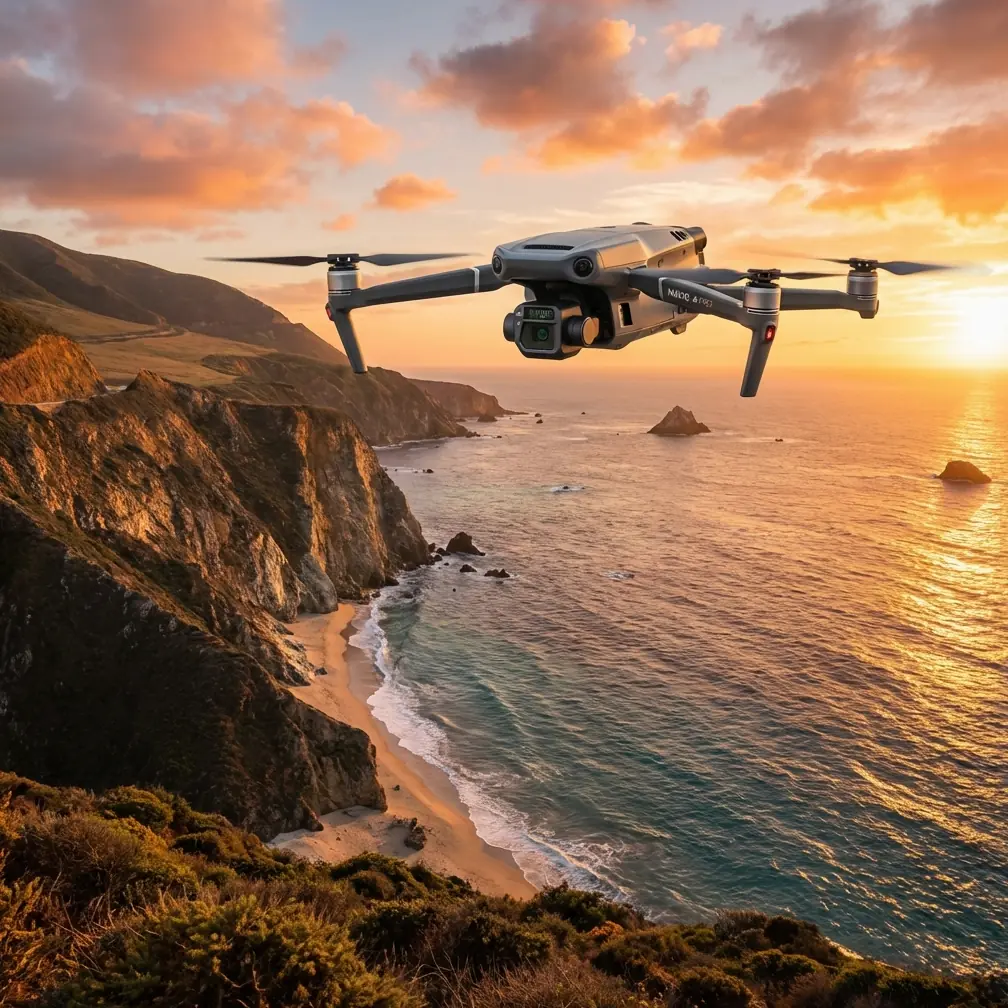
Mavic 3T Scouting Tips for Solar Farms in Extreme Temperatures
META: A field-focused technical review of Mavic 3T solar farm scouting in extreme heat and cold, with thermal workflow insights, battery management advice, and maintenance-planning logic drawn from proven aviation support principles.
Solar farm scouting looks simple from a distance. Long rows of modules. Repeatable geometry. Open sky. Then you arrive on site in peak summer heat or before sunrise in winter and discover what actually matters: battery behavior changes, thermal contrast shifts by the minute, image consistency becomes fragile, and small workflow mistakes multiply across hectares.
That is where the Mavic 3T earns its place.
I do not mean that in the shallow sense of “it has a thermal camera, so use it for PV inspections.” Serious solar scouting is less about having a thermal payload and more about building a repeatable technical process around it. The interesting part is that some of the best lessons for doing this well do not come only from drone marketing or even from drone operations. They come from older civil aviation thinking about maintenance, system reliability, and how to structure inspection work so that the result is usable, auditable, and safe over time.
Two reference ideas are especially useful here.
The first comes from the Boeing 757 maintenance planning framework described around MRB-approved initial maintenance requirements and MSG-3 logic. The core operational idea is not about airliners specifically. It is about organizing inspection tasks based on the effect of failures, using a top-down analysis rather than treating checks as isolated box-ticking exercises. The second comes from civil aircraft conceptual design methods: use engineering estimates first, then correct them with data from real tests or close analogs, because raw models alone always leave error on the table. That same discipline applies directly to thermal scouting with the Mavic 3T.
If you are using the Mavic 3T to scout solar farms in extreme temperatures, those two principles will improve your results more than another page of feature recitation.
Why extreme temperatures expose weak inspection workflows
In temperate conditions, many teams can produce acceptable imagery. Extreme heat or cold is less forgiving.
In summer, panel temperatures climb quickly. Reflections become harder to interpret. The thermal delta between a genuine fault signature and normal heating can narrow in some zones and exaggerate in others. Air shimmer can also interfere with visual confirmation. In winter, the opposite problem appears: batteries begin the day less willing to deliver consistent output, and thermal patterns can change abruptly once sunlight starts loading the array.
This is why a scouting flight should not be treated as a generic “capture mission.” It should be treated as a structured maintenance intelligence task.
That sounds abstract, so let’s make it practical.
A useful solar-farm mission with the Mavic 3T should answer three questions:
- Where are the anomalies worth escalating?
- How reliable is the evidence?
- Can the same method be repeated later for comparison?
The Mavic 3T is a strong platform for this because it allows rapid thermal and visual correlation in one compact aircraft. But the aircraft alone does not solve thermal ambiguity, energy-management drift, or inconsistent repeatability across hot and cold operating windows.
The overlooked lesson from MSG-3: inspect by consequence, not by habit
One of the most valuable details in the reference material is the explanation that MSG-3 differs from earlier methods because failure effects are analyzed from the top down, and maintenance tasks are arranged to match that logic. In airline practice, that means the maintenance program is not just a list of things to look at. It is a system shaped by operational significance.
For solar scouting with the Mavic 3T, this translates into a better route plan and a better anomaly triage model.
Instead of flying every section of a site with the same priority and same settings, structure the mission around the consequences of missing a fault. For example:
- inverter-adjacent strings with a history of thermal imbalance deserve tighter revisit logic,
- sections with known soiling or drainage issues may need lower-altitude confirmation passes,
- edge rows exposed to unusual wind or dust loading should be evaluated differently from interior rows,
- recently repaired zones should be treated as verification tasks, not routine scanning.
That is MSG-3 thinking applied to drone work. You are not just collecting images. You are assigning inspection effort according to operational effect.
This matters because extreme temperatures compress your margin for wasted flight time. In hot conditions, every unnecessary hover is battery you would rather spend on confirmation passes. In cold conditions, every redundant leg adds risk to your power reserve planning. A top-down inspection structure keeps the mission focused on findings that change maintenance decisions.
The Mavic 3T advantage is speed of correlation, not just thermal visibility
For solar farms, thermal signatures only become useful when they can be interpreted in context. A hotspot without visual correlation can be a fault, reflection artifact, load condition effect, or even a transient mismatch. The practical value of the Mavic 3T is that it enables fast switching between thermal interpretation and visual verification during the same operational window.
That reduces one of the biggest causes of bad reporting in solar inspections: delayed correlation. When thermal imagery is reviewed long after capture, teams often discover that they need a closer visual angle, a different sun position, or another pass over the same row. In extreme conditions, returning later can mean the thermal scene has already changed.
This is why the aircraft works well as a scouting platform. It helps narrow the list of suspect assets before a more formal inspection or maintenance visit.
For operators working large sites, O3 transmission stability also matters in a very practical sense. It is not just about range on a spec sheet. On a solar farm, you often work across repetitive visual terrain where situational awareness can degrade if the link quality becomes inconsistent. Stable transmission helps maintain confidence during long row transitions and lets the pilot assess thermal/visual cues without second-guessing feed interruptions. For teams planning toward more advanced workflows, that consistency is also part of the foundation needed before any BVLOS discussion becomes operationally realistic within the local regulatory framework.
Field note: the battery management habit that saves flights in heat and cold
The most useful battery tip I give Mavic 3T operators working solar farms is not glamorous: stop treating all batteries as interchangeable on the day.
Create a simple live rotation log and rank packs by behavior, not by label.
In extreme heat, one pack will often start showing slightly faster voltage sag after repeated cycles, even if its preflight status looks fine. In cold weather, another may recover more slowly after landing. If you rotate purely by numbering sequence, you can accidentally assign your weakest pack to the most demanding segment of the site.
Here is the field method I prefer:
- mark each battery with a large visible ID,
- log ambient temperature at launch,
- note landing percentage and any unusual discharge pattern,
- reserve the strongest-performing packs for longest transit legs or for follow-up confirmation flights,
- keep a “do not deploy until warmed/cooled appropriately” category rather than forcing every pack into immediate reuse.
If your operation supports hot-swap batteries in the broader logistical sense — meaning the team is set up to replace packs quickly without interrupting the inspection rhythm — use that speed carefully. Fast swaps are helpful, but rushed swaps create avoidable errors: warm batteries left in direct sun, cold batteries inserted before reaching a healthy operating state, or mission restarts launched without confirming expected endurance for the next leg.
On large solar sites, the battery table is part of the inspection system. Treat it that way.
Why model-based planning should be corrected by real site data
The second reference source gives another excellent lesson. In aircraft design, engineering estimates are useful, but they should be corrected using flight-test or wind-tunnel results from similar aircraft to reduce the gap between predicted and actual behavior. The source also highlights practical weight analysis, including whole-aircraft metrics such as maximum takeoff weight and landing weight.
For Mavic 3T solar scouting, the parallel is clear: your pre-mission assumptions are only a starting point.
You may estimate flight time, thermal effectiveness, route density, and revisit requirements based on previous sites. Then the real-world data arrives:
- the site is hotter than expected by noon,
- panel layout creates stronger reflective interference on one axis,
- crosswinds near an embankment alter groundspeed consistency,
- thermal contrast is best in a narrower time window than planned,
- battery endurance differs from last week because the airframe is carrying dust and operating in harsher conditions.
A disciplined team does not keep flying the original plan blindly. They adjust the model with fresh field evidence.
That is the same logic as calibrating engineering estimates with close real-world samples. If one section of a solar farm reveals that your selected altitude is producing ambiguous thermal data, revise the rest of the mission early. If the morning run shows better anomaly separation than the afternoon run, shift future schedules accordingly. Operational maturity is not having a perfect plan at takeoff. It is having a correction loop.
Thermal signature quality depends on timing more than many teams admit
When people discuss Mavic 3T workflows for solar farms, they often focus on image capture settings but neglect time-of-day discipline. In extreme temperatures, timing can matter more than one more menu adjustment.
A panel anomaly is only meaningful if the thermal signature is distinguishable from its surroundings under a relevant load condition. Midday heat can flatten differences in some scenarios while accentuating others. Dawn can offer cleaner contrast in certain fault classes, but only for a limited period before environmental loading shifts the pattern.
This is where scouting and full inspection should be separated mentally.
Use the Mavic 3T first to identify where meaningful thermal irregularities cluster. Then decide whether those findings justify a tighter follow-up flight, ground verification, or a photogrammetry pass to support maintenance planning. That is more efficient than trying to force one sortie to do every job.
For documentation-heavy operations, adding GCP-supported mapping logic to adjacent workflows can also help, especially when anomaly locations need to be tied precisely into asset management records. The Mavic 3T is not only about spotting hot cells; it can be part of a broader evidence chain that links thermal observations to georeferenced maintenance actions. In large portfolios, that traceability becomes more valuable than a dramatic thermal image.
Data protection is not a side issue on energy sites
Solar farms are infrastructure assets, and data handling should be treated seriously. If your team is moving site imagery, layout information, and inspection annotations between field crews and back-office systems, encryption matters. AES-256 is not something to mention as a decorative technical term. It is operationally relevant for organizations that need to protect inspection records, maintenance planning files, and site-specific vulnerability information from casual exposure.
This does not change how you fly. It changes how professional your program is from capture to report.
The same goes for communications discipline. If you need to coordinate field procedures or compare thermal findings across sites, build a controlled support channel rather than scattering screenshots through unmanaged apps. If you want a direct line for operational discussion, I recommend setting up a dedicated field contact like this M3T solar workflow chat so flight teams are not improvising their information flow during active deployments.
What a strong Mavic 3T scouting workflow looks like on a solar farm
The best crews I see do a few things consistently.
They pre-classify zones by maintenance significance rather than geographic convenience. They watch battery behavior as a live performance variable. They compare predicted and actual endurance segment by segment. They treat thermal findings as hypotheses until visual context supports them. They preserve repeatability so that the next flight can answer “has this changed?” instead of merely “did we see something?”
That philosophy echoes the aviation references more than it may seem.
One source describes approved maintenance requirements, user responsibilities, and a structured program guided by regulatory logic. Another explains that design estimates gain value only after correction by test data from comparable cases. Together, those ideas point toward a mature Mavic 3T inspection practice: build a framework, then continuously calibrate it against reality.
For solar farms in extreme temperatures, that is the difference between collecting images and generating maintenance intelligence.
The Mavic 3T is very good at the first task. With the right operating method, it becomes reliable at the second.
Ready for your own Mavic 3T? Contact our team for expert consultation.