
Scouting High-Altitude Venues With the Mavic 3T
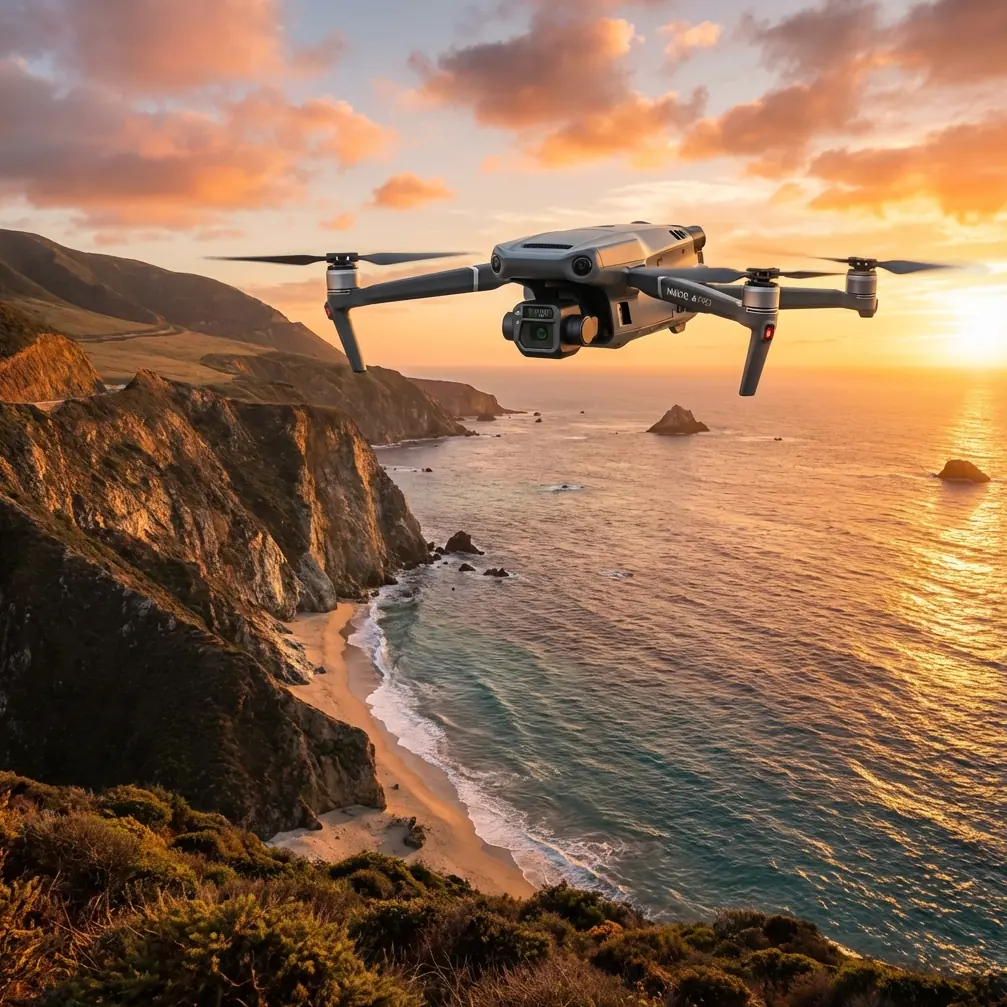
Scouting High-Altitude Venues With the Mavic 3T: Practical Flight Altitude, Thermal Reads, and Site Workflow
META: A practical tutorial on using the DJI Mavic 3T to scout venues at high altitude, including optimal flight altitude, thermal signature interpretation, O3 transmission limits, photogrammetry workflow, and battery planning.
High-altitude venue scouting looks simple on paper. Fly up, take a look, collect thermal data, build a map, go home. In practice, mountain wind, thin air, changing light, and irregular terrain can turn a routine pre-event survey into a messy data set.
This is where the Mavic 3T earns its place. Not because it does one thing unusually well, but because it combines visual reconnaissance, thermal signature analysis, and mapping-friendly capture into a compact aircraft that can move quickly across uneven sites. For anyone assessing ski venues, hillside resorts, alpine festival grounds, ridge-top infrastructure event spaces, or remote hospitality developments, the challenge is not just “Can the drone see the site?” The real question is: at what altitude should you fly to get useful information without compromising image quality, thermal interpretation, battery planning, or transmission stability?
That is the operational heart of venue scouting with the Mavic 3T.
Why high-altitude venue scouting is different
A venue in the mountains behaves differently from a flatland site. Terrain rises into your flight path. Wind funnels through saddles and cuts across ridgelines. Shadows move earlier and more aggressively. Ground teams may be spread across multiple elevation bands, which makes line-of-sight and comms planning more demanding.
The Mavic 3T helps because it gives you several data layers in one platform. You can inspect visible features, review thermal anomalies, and capture structured imagery that can support photogrammetry. Those three tasks often happen on the same mission, but they should not happen at the same flight altitude.
That distinction matters.
A pilot who tries to do everything from one height often gets mediocre results in all three categories. Venue scouting is more effective when flight altitude is chosen by task, not convenience.
The most useful altitude rule: fly relative to the subject, not just above takeoff point
For high-altitude venues, the best working habit is to think in terms of height above the target area, not merely aircraft altitude above your launch location. In mountain environments, those are often very different numbers.
If you launch from a lower staging area and climb toward a venue terrace, your display may show a large altitude value while your aircraft is actually much closer to the terrain than expected. The reverse is also true if you launch from an upper slope and scan a basin below.
For the Mavic 3T, I typically separate venue scouting into three altitude bands:
1. Initial situational pass: about 80 to 120 meters above the venue surface
This is the most productive starting point for broad assessment. At this height, you can read circulation routes, parking access, utility corridors, staging zones, roof conditions, and terrain constraints without losing too much detail.
For many high-altitude venues, around 100 meters above local ground level is the sweet spot for the first pass. It is high enough to reveal how the site works as a system, yet low enough for the zoom and thermal views to remain operationally useful.
Why this matters: if you fly much higher too early, the thermal signature of smaller problem areas can flatten visually, and your visual data may stop answering the practical questions venue planners care about: Where will equipment accumulate? Which access road is partially blocked? Which service structure is heat-loading unusually fast in afternoon sun?
2. Thermal verification pass: about 40 to 70 meters above the specific area of interest
Thermal data is powerful, but only when the aircraft is close enough for the scene to have interpretive value. At high altitude, the environment itself can create misleading patterns: cold air drainage, wind-chilled surfaces, sun exposure differences, and heat retention in rock or roofing materials.
If you identify suspicious areas during the broad pass, drop to roughly 50 meters above the target zone and rescan. This lower working height is often where thermal signature data becomes actionable rather than merely interesting.
Operational significance: at this altitude, you can better distinguish between a true equipment shelter heat source, a sun-warmed metal surface, and a temporary thermal artifact caused by changing weather. For venue scouting, this helps with locating overloaded electrical points, HVAC imbalance around temporary structures, or moisture-related roof irregularities before crews arrive.
3. Photogrammetry capture pass: typically 60 to 100 meters AGL depending on required map resolution
If the venue needs a map, 3D model, or planning orthomosaic, the best altitude depends on required ground detail and terrain complexity. The Mavic 3T can support photogrammetry-style capture, but a mountain site usually needs careful overlap and more terrain awareness than a level industrial yard.
For many venue planning jobs, 70 to 90 meters above ground is a practical middle range. It balances area coverage against image detail and helps maintain overlap consistency. If you need to tie the outputs to survey control, use GCP markers where accessible. GCPs matter even more in high-altitude terrain because elevation changes and sloped surfaces can exaggerate geometric error if you rely on uncorrected imagery alone.
This is not just a mapping detail. It affects whether planners can trust measured clearances, drainage assumptions, and temporary structure placement.
Why the Mavic 3T is well suited to this scenario
The Mavic 3T is especially strong for venue scouting because it compresses multiple workflows into one field kit. That matters at altitude, where carrying less equipment often means working faster and more safely.
A few features become particularly relevant in mountain operations.
Thermal plus visual context
Thermal without context can mislead. Visual without thermal can miss hidden stress points. On a high-altitude venue, combining both helps you understand not only what is present, but how the site is behaving.
For example, two service buildings may look identical in the visible feed. A thermal scan can reveal that one is venting heat unevenly or carrying a stronger load around electrical entry points. That is useful for pre-event resilience checks, temporary power planning, and identifying maintenance priorities before foot teams are sent uphill.
O3 transmission in terrain-challenged environments
The Mavic 3T uses O3 transmission, which is highly relevant in mountain venue scouting. Terrain is brutal on signal paths. You may have a clear sky overhead but still lose link quality when the aircraft slips behind a ridge shoulder or descends into a depression.
Operational significance: O3 helps maintain a more reliable live feed when scouting broad venue footprints with topographic interruptions, but it is not a substitute for route planning. Pilots should avoid letting the aircraft track behind terrain features just because the map view suggests the distance is short. In mountains, geometry matters more than horizontal range.
A simple habit improves results: move your own pilot position if needed. A launch point that is perfect for takeoff may be poor for sustained reconnaissance once the aircraft starts examining lower bowls or lateral access roads.
AES-256 for data-sensitive venue work
Many venue surveys involve private developments, restricted construction zones, utility layouts, or guest infrastructure that operators do not want casually exposed. AES-256 matters here because site reconnaissance often produces sensitive imagery even when the use case is entirely civilian.
Operational significance: if you are scouting resorts, private estates used for events, or utility-supported hospitality sites, secure transmission and handling standards are part of professional practice, not a technical footnote.
Battery planning is stricter at altitude than most teams expect
High-altitude scouting punishes loose battery discipline. Even when the Mavic 3T performs well, cold air, elevation, and wind can reduce your practical mission margin. This is one reason many experienced teams build their venue workflow around shorter, purpose-specific sorties instead of one long do-everything flight.
The keyword in your brief, hot-swap batteries, points to a useful field reality: rapid battery turnover keeps momentum during changing mountain weather windows. While the aircraft itself is not magically immune to altitude penalties, an organized battery rotation system can preserve continuity between wide-area scans, thermal verification runs, and structured mapping passes.
My recommendation is simple:
- Use one battery cycle for broad visual orientation.
- Use the next for thermal confirmation of priority zones.
- Reserve another for photogrammetry if mapping quality matters.
That sequence reduces rushed decisions. It also helps prevent the common mistake of trying to finish a mapping grid on a battery already partially spent during exploratory hovering.
A tutorial workflow for scouting venues with the Mavic 3T
Here is the field method I would use.
Step 1: Establish the highest-risk questions before takeoff
Do not launch just to “look around.” Define the operational asks:
- Is the site accessible for crew vehicles?
- Are there heat irregularities in service structures?
- Is the slope stable enough for temporary staging?
- Can the venue footprint support mapping for layout planning?
These questions determine your altitude plan.
Step 2: Choose a launch point for signal geometry, not convenience
At mountain venues, the best launch point is often the one with the cleanest line to the main work area, not the nearest parking pull-off. Because O3 transmission is strong but terrain-sensitive, prioritize a position with visibility to both the upper and lower portions of the venue if possible.
Step 3: Run the first pass at about 100 meters above local ground
This broad pass is where you establish:
- circulation paths
- usable staging surfaces
- crowd flow pinch points
- roof and utility placement
- terrain obstacles
Keep the aircraft moving methodically. Do not hover too long unless wind is manageable. High-altitude gusts can create drift that subtly ruins your frame consistency.
Step 4: Drop to about 50 meters for thermal signature confirmation
Now work the areas that raised questions in the first pass. Look for:
- uneven heat around power equipment
- roofing zones retaining unusual heat
- utility trenches or buried infrastructure traces
- occupancy-related patterns in temporary structures
The key here is interpretation. Thermal differences do not always indicate defects. At high altitude, sun angle and wind exposure can create convincing false positives. Cross-check with the visual feed every time.
Step 5: Capture a mapping set if the project needs measurable output
If the client needs a planning base map, fly a repeatable grid at around 70 to 90 meters AGL with good overlap. If precision matters, deploy GCPs on accessible flat zones and record them properly. This gives your photogrammetry output a stronger geometric foundation, especially where steep relief would otherwise distort assumptions.
Step 6: Review edge zones before landing
Many venue issues appear at the margins, not the center. Check:
- service roads entering from lower slopes
- drainage edges
- retaining features
- temporary utility corridors
- parking spillover surfaces
These peripheral areas often decide whether a venue is merely scenic or actually workable.
Step 7: Plan for legal and operational limits, including BVLOS concerns
The mention of BVLOS is a useful reminder. High-altitude venues tempt operators to stretch farther because open terrain creates a false sense of freedom. Stay within your regulatory framework and authorization limits. Even where distance looks manageable, terrain can hide aircraft position and degrade situational awareness quickly.
For teams building repeatable mountain scouting programs, a short operational review before each mission is worth more than another battery in the case.
Common mistakes when scouting alpine or elevated venues
Flying too high too early
A dramatic overview image is not the same thing as a usable site survey. Start where you can still read detail.
Treating thermal like a truth machine
Thermal is interpretive data. On a cold, windy slope, many surfaces will lie to you unless you compare angles, timing, and material types.
Mapping without control
Photogrammetry over sloping terrain can look convincing while still carrying alignment error. If the map will influence layout or engineering decisions, use GCPs.
Ignoring transmission geometry
O3 is strong, but a ridge is still a ridge. Reposition the pilot when needed.
Using one battery plan for every task
Visual scouting, thermal verification, and mapping consume energy differently. Segment the mission.
The best altitude insight to remember
If you only take one operational rule from this tutorial, let it be this:
For high-altitude venue scouting with the Mavic 3T, start near 100 meters above the venue surface for broad assessment, then move down toward 50 meters for thermal confirmation, and use 70 to 90 meters for photogrammetry when mapping quality matters.
That sequence matches how the aircraft’s strengths are best used in the field. It also respects the reality that no single altitude gives you the clearest visual context, the strongest thermal interpretation, and the best mapping geometry at the same time.
Venue scouting in the mountains rewards discipline. The Mavic 3T gives you the tools, but the result depends on how deliberately you layer them. If you want to compare flight planning notes for an alpine site, you can message our team here.
Ready for your own Mavic 3T? Contact our team for expert consultation.