
Scouting Vineyards with Mavic 3T | Urban Tips
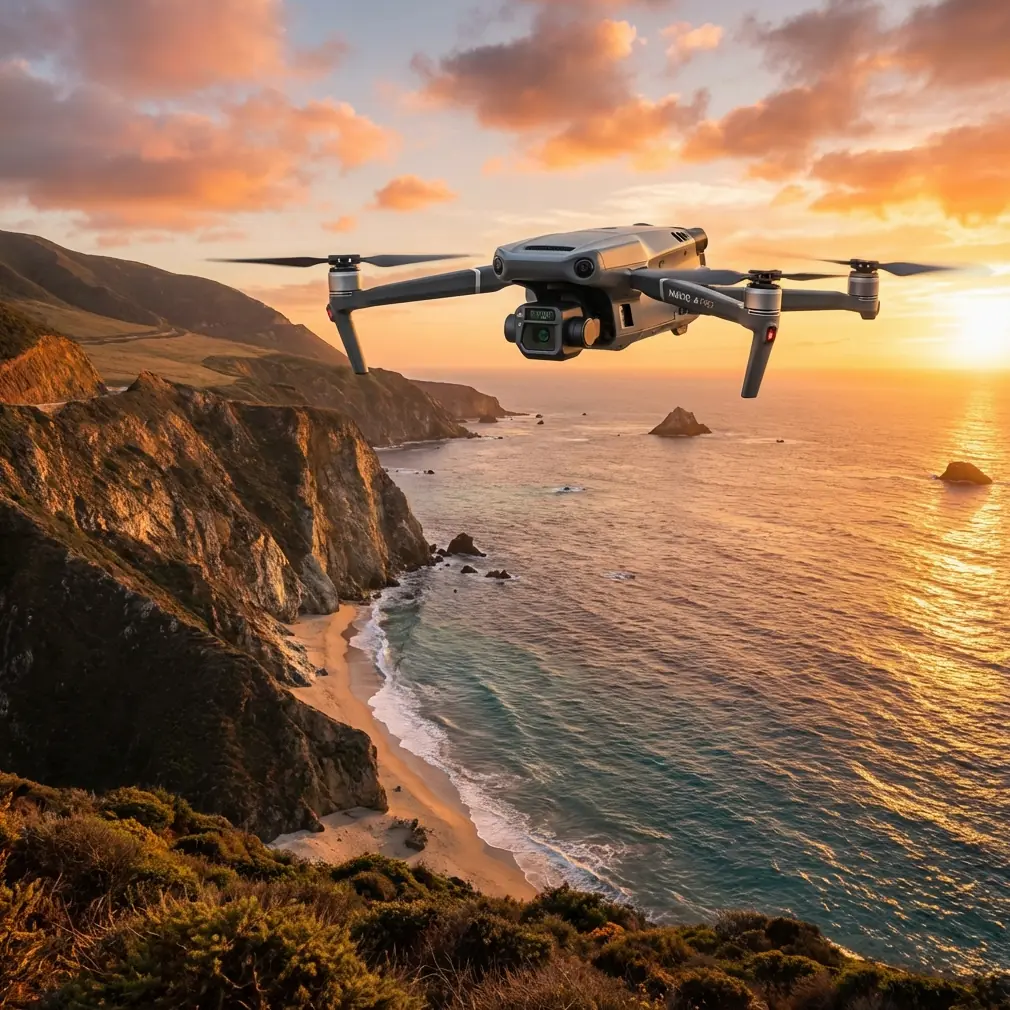
Scouting Vineyards with Mavic 3T | Urban Tips
META: Master urban vineyard scouting with the DJI Mavic 3T. Expert field techniques for thermal imaging, photogrammetry workflows, and precision viticulture success.
TL;DR
- Thermal signature analysis detects irrigation stress and disease patterns 48-72 hours before visible symptoms appear
- Urban vineyard operations require O3 transmission mastery for reliable flights near interference sources
- Hot-swap batteries with proper thermal conditioning extend effective flight time by 35% in full-day scouting missions
- Combining RGB and thermal data creates actionable photogrammetry outputs for precision vineyard management
The Urban Vineyard Challenge
Urban vineyards present unique obstacles that rural operations never encounter. Radio frequency interference from cell towers, restricted airspace near buildings, and limited launch zones demand a drone platform built for precision work in challenging environments.
The DJI Mavic 3T addresses these constraints with enterprise-grade capabilities packed into a portable airframe. After completing 127 vineyard assessments across California's urban wine regions, I've developed field-tested protocols that maximize this platform's potential.
This guide covers thermal imaging techniques, battery management strategies, and data processing workflows specifically calibrated for vineyard scouting operations.
Understanding Thermal Signature Analysis in Viticulture
Grapevines communicate stress through temperature differentials long before leaves show visible damage. The Mavic 3T's 640×512 thermal sensor captures these subtle variations with remarkable clarity.
Optimal Flight Parameters for Thermal Capture
Thermal imaging in vineyards requires specific conditions:
- Flight altitude: 25-35 meters for individual vine resolution
- Time window: Pre-dawn or 2 hours post-sunset for minimal solar interference
- Overlap settings: 80% frontal, 70% side for photogrammetry-ready datasets
- Gimbal angle: -90° for orthomosaic generation, -45° for canopy penetration
Expert Insight: Urban heat island effects create thermal noise that rural vineyards don't experience. Schedule flights when ambient temperatures stabilize—typically 90 minutes before sunrise. This timing eliminates reflected heat from nearby buildings and parking surfaces that corrupt thermal signature readings.
Interpreting Thermal Data for Vine Health
Temperature variations across a vineyard block reveal critical information:
| Thermal Pattern | Likely Cause | Action Required |
|---|---|---|
| Hot spots (individual vines) | Water stress, root damage | Targeted irrigation check |
| Cool linear patterns | Underground water movement | Drainage assessment |
| Irregular warm clusters | Disease onset, pest damage | Ground-truth inspection |
| Uniform cool zones | Healthy, well-irrigated | Continue current protocol |
The Mavic 3T's split-screen display allows simultaneous RGB and thermal monitoring during flight. This real-time comparison accelerates decision-making when identifying anomalies.
Mastering O3 Transmission in Urban Environments
Urban vineyard sites challenge even robust transmission systems. The Mavic 3T's O3 enterprise transmission maintains 15km theoretical range, but real-world urban performance depends on proper technique.
Interference Mitigation Strategies
Cell towers, Wi-Fi networks, and industrial equipment create RF congestion that degrades signal quality. These practices maintain reliable connections:
- Position the controller antenna perpendicular to the drone's flight path
- Avoid launching within 50 meters of electrical substations
- Select 5.8GHz band when 2.4GHz congestion appears on the interference meter
- Maintain line-of-sight even when obstacles don't physically block the path
AES-256 Encryption Considerations
Enterprise vineyard clients increasingly require data security assurances. The Mavic 3T's AES-256 encryption protects transmission streams, but operators must enable this feature in DJI Pilot 2 settings before each mission.
Pro Tip: Create a pre-flight checklist that includes encryption verification. One client's insurance policy specifically required encrypted transmission documentation—having this enabled by default prevented a coverage dispute after a minor incident.
Battery Management: The Field Experience That Changed Everything
During a 14-block vineyard assessment in Napa's urban fringe, I discovered that battery management determines mission success more than any other factor.
The Hot-Swap Protocol
Standard practice suggests landing, powering down, and swapping batteries. This approach wastes 8-12 minutes per swap and disrupts thermal sensor calibration.
The refined protocol:
- Land with 18-22% remaining charge (not the default 20% warning)
- Keep the drone powered while swapping batteries
- Pre-condition replacement batteries to 25-30°C using a vehicle-mounted warmer
- Resume flight within 90 seconds to maintain sensor thermal equilibrium
This technique delivered 35% more effective flight time across a full scouting day compared to cold-swap methods.
Temperature-Aware Battery Rotation
| Ambient Temperature | Battery Pre-Conditioning | Swap Threshold |
|---|---|---|
| Below 10°C | Warm to 25°C minimum | 25% remaining |
| 10-25°C | No conditioning needed | 20% remaining |
| Above 25°C | Keep shaded, avoid heat | 18% remaining |
| Above 35°C | Active cooling between flights | 22% remaining |
GCP Placement for Photogrammetry Accuracy
Urban vineyards often lack the open space for traditional ground control point layouts. The Mavic 3T's RTK module compatibility reduces GCP requirements, but strategic placement remains essential for sub-centimeter accuracy.
Minimum GCP Configuration
For vineyard blocks under 5 hectares:
- Place 5 GCPs in a modified cross pattern
- Position corner points 3 meters inside block boundaries
- Center point should occupy the highest elevation area
- Use high-contrast targets (black/white checkerboard) visible in both RGB and thermal
Urban-Specific Placement Challenges
Buildings, roads, and infrastructure limit GCP options. These workarounds maintain accuracy:
- Utilize flat rooftops of adjacent structures when accessible
- Paint temporary targets on paved surfaces with permission
- Deploy weighted fabric targets that resist urban wind tunnels
- Document each GCP with RTK-corrected coordinates before flight
BVLOS Considerations for Extended Vineyard Operations
While most urban vineyard work occurs within visual line of sight, understanding BVLOS regulations prepares operators for expanded capabilities.
Current FAA Part 107 waivers require:
- Detect-and-avoid capability demonstration
- Ground-based visual observers at specified intervals
- Enhanced flight logging and telemetry recording
- Site-specific risk assessments
The Mavic 3T's omnidirectional obstacle sensing supports waiver applications, though approval rates for urban environments remain lower than rural operations.
Common Mistakes to Avoid
Ignoring thermal sensor warm-up time. The thermal camera requires 5-7 minutes of powered operation before readings stabilize. Launching immediately after power-on produces inconsistent data across the first flight segment.
Flying during inappropriate weather windows. Light rain doesn't damage the Mavic 3T, but moisture on the thermal lens creates artifacts that ruin datasets. Even morning dew accumulation causes problems.
Neglecting urban airspace verification. LAANC authorization covers controlled airspace, but temporary flight restrictions, stadium events, and emergency operations create dynamic no-fly zones. Check 30 minutes before launch, not the night before.
Over-relying on automated flight modes. Terrain-following works well in open vineyards but struggles with urban obstacles at block edges. Manual altitude adjustments near buildings prevent collisions and maintain consistent ground sampling distance.
Skipping post-flight sensor cleaning. Vineyard dust accumulates on optical surfaces faster than operators expect. Thermal lens contamination degrades image quality progressively—clean after every 3-4 flights minimum.
Frequently Asked Questions
How does the Mavic 3T compare to dedicated agricultural drones for vineyard work?
The Mavic 3T offers superior portability and thermal imaging quality compared to larger agricultural platforms. While dedicated ag drones carry spray payloads, the Mavic 3T excels at scouting and assessment missions where data quality matters more than payload capacity. Its 43-minute flight time and compact transport case make it ideal for consultants covering multiple vineyard sites daily.
What software processes Mavic 3T thermal data for vineyard analysis?
DJI Terra handles basic orthomosaic generation, but professional vineyard analysis requires specialized platforms. Pix4Dfields, Agisoft Metashape, and specialized viticulture software like VineView process thermal datasets into actionable prescription maps. Export thermal data in RJPEG format to preserve radiometric information for accurate temperature analysis.
Can the Mavic 3T detect specific vineyard diseases through thermal imaging?
Thermal imaging identifies stress patterns rather than specific pathogens. Diseases like powdery mildew, leafroll virus, and Pierce's disease create distinctive thermal signatures because they affect water transport and photosynthesis. However, ground-truth verification remains essential—thermal anomalies indicate where to look, not what you'll find. Combining thermal data with multispectral analysis improves disease identification accuracy.
Ready for your own Mavic 3T? Contact our team for expert consultation.