
Mavic 3T Around Dusty Power Lines: A Field Tutorial
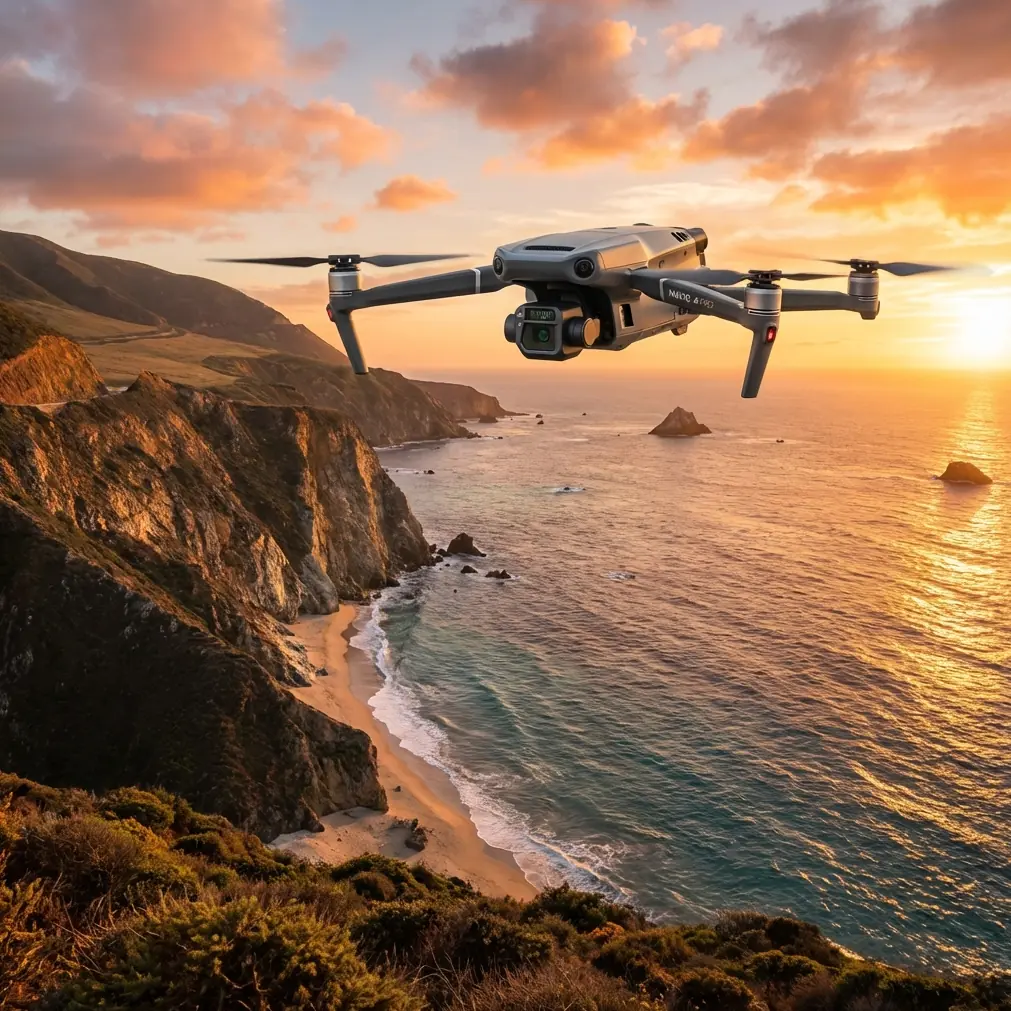
Mavic 3T Around Dusty Power Lines: A Field Tutorial on Signal Discipline, Surface Reality, and Stable Data
META: Practical Mavic 3T tutorial for dusty power-line work, covering antenna adjustment, electromagnetic interference, thermal signature interpretation, O3 transmission stability, and why aircraft-grade drawing standards matter in repeatable inspection workflows.
Dust changes everything.
On paper, a Mavic 3T mission near power infrastructure can look straightforward: define the corridor, check the thermal payload, confirm link quality, and fly. In the field, dust, reflective hardware, and electromagnetic interference turn a clean plan into a test of discipline. The pilot who succeeds is rarely the one with the most aggressive settings. It is the one who understands how small technical details compound.
I want to frame this around a practical scenario: using the Mavic 3T around dusty power lines, with special attention to antenna adjustment under interference. Not because antenna position is glamorous. It is not. But because weak link management is often where otherwise capable inspections unravel.
This also connects to two reference points from classical aircraft engineering practice that deserve more attention in drone operations than they usually get. One comes from manufacturing standards on surface roughness notation. The other comes from weight-property calculation discipline. At first glance, those subjects seem far removed from a compact UAV. They are not. They shape how reliable your observations are and how repeatable your workflow becomes.
Start with the environment, not the aircraft menu
Dusty power-line corridors are unforgiving for optical and thermal interpretation. Fine airborne particulates soften visible edges, reduce contrast, and can create false impressions of heat concentration when sunlight, dirty insulators, and hot fittings overlap in the same frame. If you skip environmental reading and jump directly into camera settings, you are already behind.
With the Mavic 3T, your first task is to separate three things that operators often blur together:
- actual thermal anomalies
- visually dirty or textured surfaces
- signal degradation caused by corridor interference rather than aircraft fault
That distinction matters because each problem demands a different response. A thermal signature that stays consistent through multiple viewing angles is one kind of evidence. A dusty clamp that only appears suspicious from one angle is another. A temporary image breakup while passing a line structure may have nothing to do with the payload at all and everything to do with RF geometry.
Why antenna adjustment matters more near power structures
The Mavic 3T platform benefits from O3 transmission, which gives pilots a strong digital link for commercial inspection work. In open space, operators get used to that resilience and become casual. Near power lines, that habit can punish you.
Electromagnetic interference is rarely solved by panic inputs. Usually it is reduced by changing geometry.
When the aircraft moves near towers, conductors, or dense metal assemblies, do not only watch the bars on the controller. Watch when the degradation happens. Does it occur during a bank? While crossing a structure? While yawing and presenting a different aircraft orientation? Those patterns tell you whether the issue is environmental blockage, multipath reflection, or poor controller antenna alignment.
A simple field habit helps:
- Keep the controller antennas oriented to maintain the strongest broadside relationship with the aircraft, not pointed like a spear.
- Reposition your body before assuming the aircraft needs to reposition.
- If the corridor bends, anticipate where your own line of sight degrades and move early.
- In dusty work zones, avoid standing where vehicle traffic or rotor wash keeps particulates suspended directly between you and the aircraft.
This is where the narrative spark in your brief becomes operationally real. Handling interference with antenna adjustment is not a side tip. It is often the difference between a stable thermal pass and a compromised one.
The irony is that many pilots trust encryption and transmission specs more than fieldcraft. AES-256 protects data security. Good. It does not improve a poorly managed RF angle. O3 gives a robust link. Good. It does not repeal the physics of obstruction and reflected energy around metallic infrastructure.
The surface problem: why an old aircraft drawing standard still matters
One of the reference documents discusses surface roughness notation in engineering drawings and points out that American and Chinese standards can differ significantly in both symbol meaning and practical application. It also gives a very specific example: an Ra value of 1.6 μm placed to the left of the symbol, and a sampling or cutoff length such as 2.5 mm placed to the right. Another note explains that roughness symbols do not always need a numeric value if the drawing uses annotations. It also shows that different zones on the same surface can carry different surface-finish requirements, separated and called out individually.
Why bring this into a Mavic 3T article?
Because dusty power-line inspection is full of surfaces whose finish, texture, and contamination state affect what your sensors show you. If you treat every metallic fitting as a uniform object, you will misread data. Surface finish influences reflectivity. Reflectivity influences visible and thermal interpretation. And different areas of the same part can behave differently under dust loading, sun angle, and heat dissipation.
The reference detail about different regions of the same surface being annotated separately has direct field relevance. On power hardware, one side of a clamp or connector may be polished by contact or weathering while another side has a rougher, more particulate-holding texture. That difference can make one region look thermally or visually abnormal when the underlying condition is ordinary. A disciplined Mavic 3T operator does not simply ask, “Is it hot?” They ask, “Is the thermal appearance stable across zones and angles, or am I seeing a surface-condition artifact?”
That is not academic. It is what keeps a thermal survey from becoming a collection of false positives.
A practical pre-flight workflow for dusty corridor work
Here is the workflow I use and teach.
1. Build the mission around repeatability
Before launch, decide what “repeatable evidence” will look like. For example:
- at least two viewing angles per point of interest
- one wider context frame and one tighter thermal frame
- a controlled stand-off distance for comparison points
- a fixed naming convention for suspect components
If the mission may feed photogrammetry later, identify whether you need GCP-backed mapping accuracy or just relative visual documentation. Mavic 3T users sometimes overpromise map precision from an inspection flight that was never designed for survey discipline.
2. Check the actual dust behavior
Not just “wind speed acceptable.” Watch the particulate flow at ground level and around nearby structures. Dust columns can drift differently near poles, substations, and service roads. This helps you choose takeoff position and first-leg direction.
3. Set up for signal geometry
Stand where you can preserve line of sight through the most interference-prone segment. If you know a tower structure will shadow the aircraft on the outbound leg, begin from a position that minimizes that blind geometry. Small moves on the ground can produce outsized improvements in controller link quality.
4. Confirm battery logic, not just battery percentage
For repetitive corridor tasks, hot-swap batteries are less about convenience and more about consistency. Swap on your schedule, not when fatigue and dust force the issue. If one section is your highest-priority thermal segment, do not enter it with a battery state that invites rushed decision-making.
5. Define no-fly assumptions around infrastructure
In civilian utility work, caution is not optional. Maintain safe clearance and follow local operating rules and utility procedures. If your project contemplates BVLOS, that changes planning, permissions, risk controls, and observer logic entirely. Do not let a technically capable aircraft tempt you into operational shortcuts.
In-flight: reading weak link symptoms correctly
Once airborne, weak transmission and image noise can look similar to a stressed operator. They are not the same.
If the visible feed breaks up but the aircraft holds a stable hover and telemetry remains coherent, suspect transmission path quality first. Adjust your own position and antenna alignment before changing the aircraft’s mission path dramatically.
If the feed is stable but the thermal image seems inconsistent around dusty fittings, suspect angle and surface condition first. Orbit slightly, compare a second pass, and evaluate whether the anomaly tracks the object or the viewpoint.
A good habit is to make one deliberate “verification pass” on any suspect hotspot. Same object, different angle, steady speed. That single extra pass often saves hours of post-flight argument.
Weight discipline is not bureaucracy
The second reference document comes from an aircraft design manual section on part mass characteristics calculation. The extracted page is fragmentary, but the context is clear: weight-property accounting matters because control depends on it. Even when the table itself is not fully readable, the engineering lesson is obvious.
For Mavic 3T operators, this matters in a less dramatic but still practical way. Accessories, payload configuration assumptions, battery state, and environmental loading all affect how the aircraft feels in tight infrastructure work. You are not recalculating full aircraft center-of-gravity tables in the field, but you should think the same way aircraft engineers think: every configuration change should have a known operational consequence.
Dust accumulation, landing gear contamination, external add-ons, and rushed battery swaps can all nudge performance margins in ways pilots dismiss until hover stability or power consumption starts drifting. The value of the weight-and-balance mindset is not the spreadsheet. It is the refusal to improvise blindly.
That same mentality improves your data quality. If one sortie was flown with a different pace, battery reserve philosophy, or accessory setup than the next, your comparisons become noisier. Repeatable inspection depends on repeatable aircraft behavior.
Thermal signature interpretation in dusty utility scenes
A thermal camera is honest, but not literal. It records radiance, not your assumptions.
In dusty power-line work, thermal signature review should account for:
- dust-coated surfaces that hold or release heat differently
- mixed materials in one assembly
- sun-heated hardware masquerading as load-related heating
- texture-related emissivity differences across the same component
- airflow changes around exposed structures
This is where the reference discussion of roughness and differing surface zones becomes operationally valuable again. A rougher zone can trap more dust. A smoother zone can reflect differently. If a component shows contrast, do not immediately interpret that contrast as fault-related. Validate it against angle, timing, and neighboring hardware.
The best Mavic 3T pilots are not the ones who collect the most thermal images. They are the ones who know which thermal images can survive scrutiny.
Documentation habits that make post-processing easier
If your mission includes any mapping or measured visual context, be realistic about what the dataset can support. Photogrammetry from an inspection-oriented flight can be useful, but only if overlap, angle, and scene texture cooperate. If the client expects location traceability beyond rough visual context, bring GCP discipline into the planning stage rather than trying to rescue accuracy afterward.
For field notes, tie each suspect observation to:
- pole or tower identifier
- viewing angle
- approximate stand-off distance
- visible dust condition
- whether the thermal anomaly repeated on a second pass
- any signal-quality degradation at the moment of capture
That last point is often missed. A weak transmission episode during image capture can affect confidence in what the operator thought they saw in real time.
If your team wants to compare workflows or troubleshoot corridor-specific interference behavior, sharing a concise mission outline with annotated screenshots is far more useful than a pile of unstructured media. If you need a direct field conversation on setup details, use this quick WhatsApp line: message Dr. Lisa Wang’s team.
The real lesson: technical neatness beats bravado
Dusty power-line work with the Mavic 3T rewards operators who think like engineers.
From the manufacturing reference, the lesson is that surfaces are not generic. A value as specific as Ra 1.6 μm, paired with a 2.5 mm sampling length, exists because how a surface is defined changes how it should be read. In drone inspection terms, that translates into caution around texture, reflectivity, and localized surface differences.
From the weight-property reference, the lesson is that configuration discipline underpins controllability. In drone terms, every sortie should begin with a known setup and a repeatable battery, positioning, and capture logic.
Put those ideas together and the antenna-adjustment problem becomes easier to understand. Transmission stability is not only a radio feature. It is part of a bigger operating style built on geometry, consistency, and respect for physical detail.
That is how the Mavic 3T earns trust in utility inspection: not by flashy flight behavior, but by producing stable, defensible observations under messy real-world conditions.
Ready for your own Mavic 3T? Contact our team for expert consultation.