
Mavic 3T Guide for Windy Solar Farm Spraying Missions
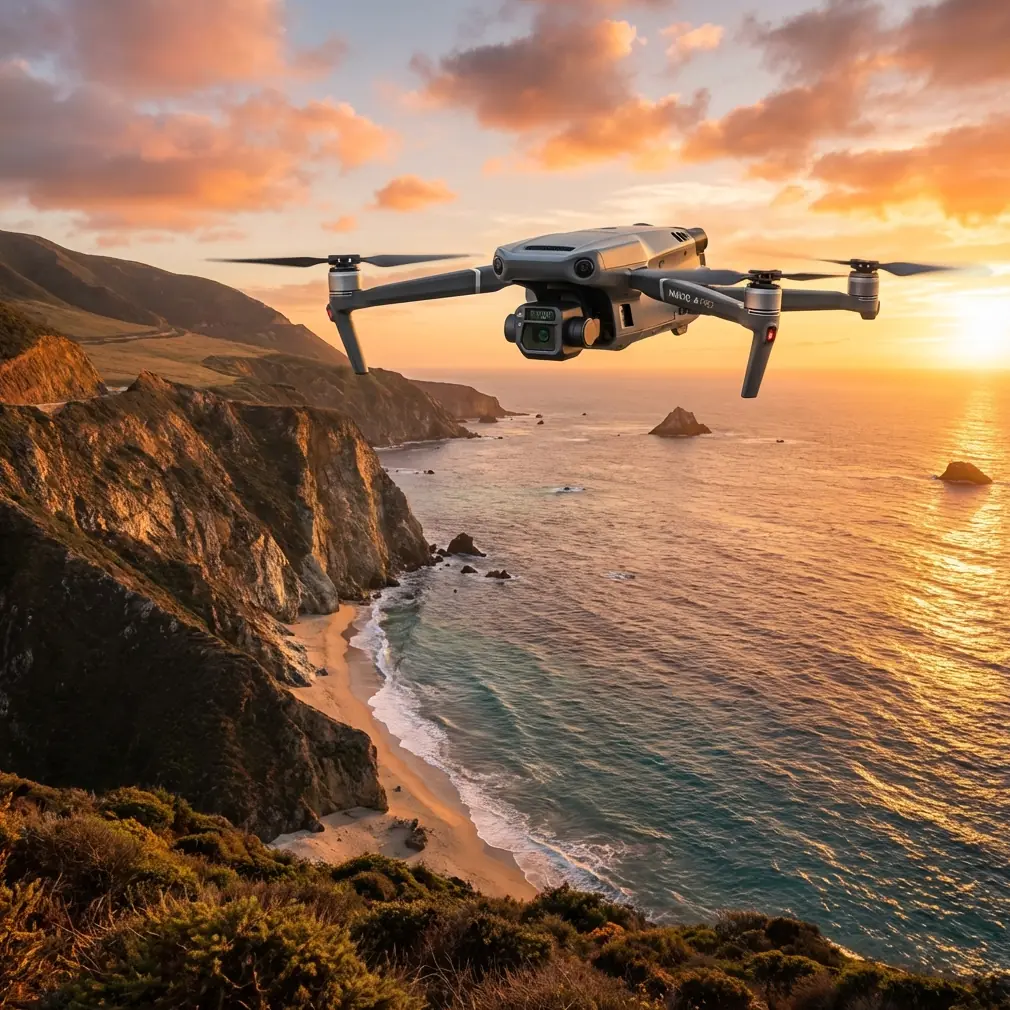
Mavic 3T Guide for Windy Solar Farm Spraying Missions
META: A field-focused Mavic 3T tutorial for windy solar farm operations, covering thermal signature reading, flight planning, O3 transmission, battery strategy, and accessory upgrades.
Solar farms look simple from the access road. Long rows, repeat geometry, wide open spaces. In practice, they are some of the most punishing environments for small UAV operations—especially when wind starts pushing across exposed ground and heat shimmer rolls off dark panel surfaces. If your mission involves spraying around solar infrastructure in windy conditions, the Mavic 3T can be a highly practical aircraft in the workflow, but only if you use it for the tasks it actually excels at.
Let’s be precise at the outset. The Mavic 3T is not a dedicated heavy-lift agricultural sprayer. It is, however, an extremely useful decision-making and site-intelligence platform that can sharpen spraying accuracy, reduce rework, and help crews avoid treating the wrong areas. On solar sites, that distinction matters. A rushed team that sends a spray platform out without recent thermal and visual reconnaissance can waste chemical, miss problem zones, or drift too close to sensitive equipment. A properly deployed Mavic 3T helps prevent that.
I approach this as a field operations problem, not a spec-sheet exercise. If your scenario is spraying solar farms in wind, the Mavic 3T earns its place before the spray mission, during spot verification, and after treatment for inspection. Its value comes from a few specific capabilities: thermal signature interpretation, stable situational awareness at stand-off distance, and secure, dependable link performance through DJI’s O3 transmission system with AES-256 protection. Those details are not marketing filler. They directly affect whether your crew sees the right anomalies, keeps command link integrity across a large site, and handles operational data responsibly.
Step 1: Use the Mavic 3T for reconnaissance, not brute-force spraying
A solar farm is full of airflow traps. Wind rarely moves evenly across the whole site. Panel rows can create channeling. Substations, perimeter fencing, and elevation changes introduce turbulence. The first operational mistake I see is assuming the weather reading at the vehicle is representative of conditions across the array field. It often isn’t.
The Mavic 3T is the aircraft you send up first to map the situation. Fly a short reconnaissance pattern across the upwind edge, central corridors, and downwind perimeter. You are not just checking whether the aircraft can hold position. You are observing how vegetation moves, where dust plumes drift, and whether thermal contrast is clean enough to identify hot components or stressed ground conditions that may affect the spraying plan.
This is where thermal signature becomes more than a buzzword. On a solar farm, thermal imaging can help you distinguish between normal solar heating and abnormal hotspots that need technician review rather than a nearby spray pass. If a crew treats an area aggressively without recognizing that the real issue is electrical or mechanical, they solve nothing and create new risk. The Mavic 3T gives you a fast way to separate maintenance concerns from vegetation-management concerns.
Step 2: Read thermal correctly in a high-reflectance environment
Solar sites can fool inexperienced pilots. Panels reflect light, hold heat unevenly, and create patterns that look significant until you understand what you are seeing. Wind adds another layer. Convective cooling may mute one hotspot while exposed mounting hardware throws off another apparent anomaly.
The practical method is straightforward:
- Fly the same corridor from at least two angles.
- Compare thermal view against the visible image before flagging a target.
- Avoid making decisions from a single pass near solar noon if conditions are gusty.
- Recheck suspect zones after a short interval if the pattern could be wind-driven surface cooling.
The Mavic 3T is especially useful here because it lets the operator quickly shift from broad scanning to targeted inspection. That matters when crews are waiting on the ground. You do not want the spray team idling while the pilot conducts a long, uncertain diagnosis. A decisive thermal verification workflow reduces downtime.
Operationally, this can prevent two expensive errors: spraying areas that do not need treatment, and sending personnel into the wrong section of the farm for manual follow-up. Even when your primary goal is vegetation control around panel rows, the thermal pass often reveals adjacent issues worth documenting for the asset owner.
Step 3: Build a wind-aware map before anyone sprays
If your farm operator requires documented planning, the Mavic 3T also fits into a photogrammetry-led pre-mission workflow. Strictly speaking, thermal inspection and photogrammetry are different jobs, but on a windy solar farm they reinforce each other. A current site model helps you identify drift-sensitive boundaries, service roads, drainage cuts, equipment pads, and no-fly obstacles before the spray platform launches.
If you need more accurate mapping output, use GCPs. Ground control points are not always necessary for quick operational awareness, but they become valuable when the site is large, irregular, or contract documentation demands repeatable geospatial alignment. On solar farms with phased construction or ongoing maintenance work, small positional errors can create confusion fast. GCP-backed mapping reduces that ambiguity.
Why does that matter to spraying? Because drift management depends on boundaries being real, not approximate. A map that is off by several meters can turn a conservative spray corridor into an encroachment problem. When wind is already complicating the mission, inaccurate geometry is the last thing you want to add.
A practical workflow many teams use is:
- Quick Mavic 3T site survey at low to moderate altitude
- GCP verification for key corners and access lanes
- Orthomosaic or base map review
- Wind-sensitive zone marking
- Spray route adjustment for the heavier application aircraft
This is one of the clearest examples of the Mavic 3T doing high-value work without pretending to be the spray ship itself.
Step 4: Take advantage of O3 transmission when the site is sprawling
Large solar farms can stretch much farther than operators expect, especially when visual monotony makes distance judgment difficult. The Mavic 3T’s O3 transmission system is not just a convenience on these sites. It is a safety and continuity tool.
On a solar farm, RF behavior can be tricky. Long open corridors may look ideal, but reflective surfaces, terrain breaks, and service structures can still affect signal behavior. A robust transmission link gives the pilot more confidence when repositioning along rows or inspecting infrastructure from offset angles. It also helps the visual observer and operations lead maintain a cleaner picture of what the aircraft is seeing in real time.
The AES-256 element matters for a different reason. Solar facilities are critical infrastructure in many regions. Inspection imagery, thermal findings, and site layouts may be operationally sensitive. If you are collecting data that shows fault locations, access patterns, or maintenance status, secure transmission and careful data handling are part of professional practice, not optional extras.
For teams preparing for more advanced operations, this also feeds into BVLOS planning culture. I am not suggesting operators simply stretch the mission beyond authorization. I am saying the habits you build with stable link management, route discipline, observer coordination, and secure data workflows are the same habits that matter when an organization grows into more formal BVLOS-capable programs.
Step 5: Solve battery timing before wind turns it into a problem
Wind punishes battery planning. Everyone knows that in theory, but many crews still plan as if calm-air endurance will hold. On solar farms, return legs are often the real issue. An aircraft that looked efficient downwind can become a different machine on the way back.
The Mavic 3T rewards conservative power management. Keep sorties shorter than you think you need. Segment the site. Treat each section as a self-contained task rather than trying to “finish one more row.” If you are coordinating with a spray crew, battery swaps should happen on your schedule, not after the operation is already lagging.
This is where a good field setup helps. The phrase “hot-swap batteries” comes from larger industrial systems more often than from the Mavic line, but the operational lesson still applies: make battery exchange fast, clean, and predictable. Organize packs in a strict rotation, log wind conditions with each sortie, and avoid mixing partially depleted batteries into a mission sequence just because the site is busy.
A crew that manages power well gets better data. A crew that stretches batteries in gusty conditions gets rushed decisions.
Step 6: Add one accessory that actually changes field performance
Most accessories sold to drone teams are clutter. One third-party upgrade that genuinely improves Mavic 3T field utility on solar farms is a high-visibility landing pad with weighted edges from a reputable accessory maker. It sounds simple, almost too simple, until you operate on dusty, wind-exposed ground next to sensitive electrical infrastructure.
A stable landing surface reduces rotor wash debris during takeoff and recovery. That means less dust on optics, cleaner thermal imaging, and lower risk of blowing grit toward exposed equipment cabinets or maintenance areas. On a windy solar site, that is not cosmetic. It directly improves repeatability and protects the aircraft’s sensors from avoidable contamination.
I have also seen teams pair the Mavic 3T with third-party tablet sun hoods or controller mounting systems for brighter, more reliable screen viewing in high-glare conditions. That can help, but if I had to pick one accessory that consistently improves mission quality for this exact scenario, it would be the weighted landing pad first.
Step 7: Coordinate the Mavic 3T with the spraying platform
The best results come when the Mavic 3T is treated as the scout, verifier, and recorder in a multi-aircraft workflow. Before spraying, it identifies sensitive zones and confirms where treatment is justified. During the operation, it can be used for quick stand-off checks if drift, wind shifts, or equipment concerns emerge. After spraying, it documents coverage conditions and records anomalies that need another pass or a different intervention.
This approach is especially effective on solar farms because the treatment objective is rarely uniform. Some areas need careful vegetation suppression near cable runs or supports. Others may require exclusion buffers near equipment or recently serviced assets. Wind changes the calculus by the hour. The Mavic 3T lets you keep updating that calculus instead of committing to a stale plan.
If your team is building a repeatable SOP, create a simple handoff rule: no spray sortie launches until the Mavic 3T reconnaissance is complete, tagged, and briefed. That one discipline prevents a surprising amount of operational drift.
Step 8: Know when not to fly
Experienced operators gain credibility by stopping missions at the right time. If wind is causing unstable hover behavior at inspection altitudes, if thermal imagery is too noisy to support confident interpretation, or if glare and dust are degrading situational awareness, delay the mission. A weak data set is worse than no data because it creates false confidence.
This is particularly true around energized infrastructure. The Mavic 3T is compact and capable, but solar farms demand a sober mindset. Wide-open space can trick teams into treating the site as low consequence. It is not. The stakes are higher than they look.
A practical field checklist
Here is the short version I give crews:
- Start with a reconnaissance pass, not a treatment pass.
- Use thermal and visible imagery together.
- Confirm boundaries with mapping, and use GCPs when precision matters.
- Treat O3 transmission as a safety asset, not a convenience feature.
- Respect secure workflows; AES-256 matters on critical sites.
- Rotate batteries conservatively in wind.
- Launch and recover from a weighted landing pad.
- Use the Mavic 3T to sharpen spraying decisions, not replace a true spray aircraft.
If you are setting up a repeatable procedure for solar farm work and want a second opinion on your mission design, this is a good point to message a field specialist directly.
The Mavic 3T is at its best when used with discipline. In windy solar farm operations, that means thermal verification, boundary clarity, reliable link management, and a workflow that respects what the aircraft is actually built to do. Used that way, it becomes one of the most useful force multipliers on site—not because it does everything, but because it helps the rest of the operation do the right things in the right places.
Ready for your own Mavic 3T? Contact our team for expert consultation.