
Mavic 3T in Extreme-Temperature Vineyards
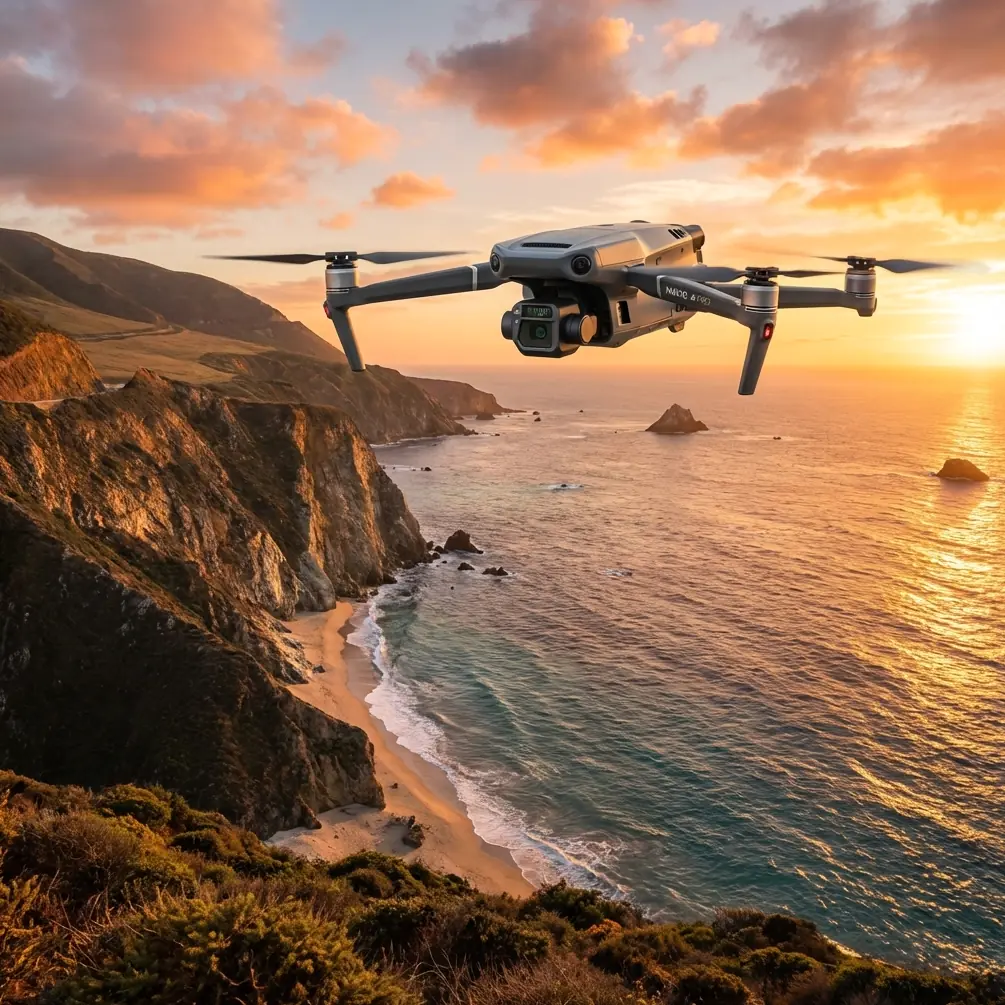
Mavic 3T in Extreme-Temperature Vineyards: What Actually Matters in the Field
META: Expert analysis of using the DJI Mavic 3T around vineyard spraying operations in extreme temperatures, with practical guidance on thermal interpretation, battery discipline, transmission reliability, and workflow planning.
By Dr. Lisa Wang, Specialist
Vineyard work at temperature extremes punishes weak assumptions. Summer heat distorts surfaces, drains batteries faster than many crews expect, and can turn a clean morning plan into an afternoon of rushed compromises. Cold conditions create a different set of problems: reduced battery performance at launch, inconsistent sensor behavior if equipment is moved too quickly between storage and field conditions, and shortened decision windows when you are trying to assess blocks before spraying teams move in.
That is why the Mavic 3T has become interesting in vineyards even when it is not the aircraft doing the spraying itself. For growers and contractors operating around spraying windows, its value is in rapid thermal assessment, visual confirmation, and pre-operation intelligence. Used properly, it helps teams decide where stress is emerging, where water distribution is uneven, and which rows deserve attention before machinery enters the block. Used poorly, it becomes a nice camera that tells you very little.
The hard truth is that extreme-temperature vineyard work is not mainly about flight time. It is about disciplined data capture.
The real vineyard problem: temperature changes faster than your assumptions
In vineyards, a thermal image is never just “hot” or “cold.” It is a picture of how the canopy, soil, irrigation pattern, row orientation, and local airflow are interacting at a specific moment. In extreme heat, a weak operator may see a bright patch and call it stress. An experienced operator asks whether that thermal signature reflects true vine stress, exposed soil between rows, reflective background heating, or simply a time-of-day artifact.
This is where the Mavic 3T earns its place. Its thermal and visual pairing lets you compare heat anomalies against what the canopy actually looks like, rather than guessing from one data source alone. That matters most when spraying decisions are time-sensitive. If a vineyard manager is about to send equipment into a block, they do not need abstract aerial beauty. They need confidence that the hot zone they are seeing is operationally meaningful.
A thermal anomaly beside a damaged irrigation emitter means one thing. A thermal anomaly on a row edge after direct sun exposure means another. The difference is expensive.
Why public aviation education matters more than people think
A recent aviation-themed carnival in Shanghai offered something surprisingly relevant to commercial drone adoption. The event opened on March 28 at the foot of Twin Hills in Shanghai Expo Culture Park, ran for nearly a month, and closed on April 19. It featured an open-display setup where visitors could not only see aircraft, but also touch the fuselage, board the aircraft, sit in the cockpit, and talk directly with technical staff. The exhibit included eVTOL aircraft, amphibious aircraft, and light sport aircraft, all presented in a way that removed some of the usual distance between the public and aviation technology.
Why bring that up in a serious article about the Mavic 3T and vineyards?
Because this kind of open exposure changes how agricultural teams think about advanced air systems. Adoption rarely starts with a specification sheet. It starts when operators, farm owners, and technical managers feel that aviation tools are understandable, inspectable, and practical. The Shanghai event did not just showcase machines. It normalized direct engagement with them. That same shift is happening in agriculture. Vineyard managers who once viewed thermal UAVs as specialist-only equipment are increasingly willing to integrate them into routine decision-making, especially when the aircraft can be deployed quickly and interpreted clearly.
For vineyard operations in extreme temperatures, that cultural shift is operationally significant. Better acceptance means faster approval to fly before a spray window, easier cooperation between field crews and aerial teams, and less resistance when introducing repeatable monitoring workflows.
The overlooked lesson from aircraft engineering: flow discipline matters
The second reference source looks unrelated at first glance: an aircraft design manual discussing fuel system calculation. But one detail is extremely useful as a mental model for vineyard UAV work. The manual describes a K diagram for flow-modulus structure, where black solid lines represent pipe segments, small circles represent nodes, and linked shapes represent series and parallel branch relationships in a fueling system. It is a method for understanding how flow behavior changes across a network rather than at one isolated point.
That is exactly how a smart vineyard team should think about spraying support with the Mavic 3T.
A vineyard is not one field. It is a branching network of microclimates and operational nodes. Each block influences the next. Row orientation, elevation changes, sheltering, irrigation layout, and heat retention all create a distributed system. If you fly one hot corner and generalize to the entire property, you are making the same mistake as evaluating one pipe segment without understanding the full flow structure.
The practical implication is simple: build your flight planning around vineyard “nodes.” Map decision points such as exposed upper slopes, low-lying frost pockets, rows near road dust, and historically uneven irrigation zones. Do not just fly because the aircraft can. Fly because each segment answers a different question.
That is also where photogrammetry can help, even with a thermal-focused mission. A consistent visual base layer, especially when tied to GCP control points for repeatability, gives your thermal observations context over time. If the same row-end shows recurring stress signatures across multiple flights, you are not just observing weather. You are documenting a pattern.
Extreme heat: what the Mavic 3T helps you catch before spraying starts
When heat is severe, vineyard teams often lose time because they discover problems too late. A tractor crew enters the block, then learns coverage plans need adjusting, or that part of the canopy is already under stress and should not be treated on the same assumptions as the cooler rows nearby.
The Mavic 3T can tighten that loop if you use it early enough in the day and compare thermal observations with visual structure. In practical terms, this means:
- identifying rows with uneven canopy temperature before the spray team commits
- spotting irrigation irregularities that may affect how vines tolerate treatment
- checking edge conditions where reflected ground heat can push leaf temperatures higher
- documenting pre-treatment conditions so later complaints or quality issues are not based on memory
None of this replaces agronomy. It sharpens it.
The key is timing. In extreme heat, I generally prefer a disciplined baseline flight near the cooler part of the operational window, then a second targeted flight only if conditions justify it. Random midday thermal flights are often noisy. The image looks dramatic, but the decision value may be poor.
Cold mornings: battery mistakes create bad data long before they create safety issues
Here is the battery management tip I give every vineyard team because I have watched this mistake repeat itself for years.
Do not treat all batteries equally just because they read similarly before takeoff.
In cold conditions, I rotate packs based not only on charge but also on temperature history. A battery moved from vehicle storage into cold morning air can appear ready, yet sag earlier under load than the next pack that had a more stable preflight temperature. That early sag changes pilot behavior. Crews cut corners, shorten passes, or skip a confirming orbit over an anomaly because they are suddenly worried about reserve margin. The result is not merely shorter flight time. It is compromised inspection quality.
My field rule is simple: let packs stabilize, label them by sequence, and do not use your “best reading” pack first if it has had the worst temperature transition.
In high heat, the opposite problem appears. Operators launch repeatedly without enough cooldown discipline between turnaround cycles. The convenience of hot-swap batteries can tempt teams into treating the aircraft like a nonstop appliance. It is not. Fast battery changes are valuable only when the overall thermal load on the system is being managed intelligently. In vineyards, where flights are often short and repetitive, that discipline matters more than advertised endurance.
If your team wants a practical checklist for battery rotation in hot or cold vineyard work, I usually share it directly during setup calls: message me here.
Transmission reliability matters because vineyards hide signal problems in plain sight
Many users talk about range as if it were a vanity metric. In vineyards, it is a workflow metric. Reliable O3 transmission matters not because you want to push distance for its own sake, but because row geometry, terrain variation, and vegetation edges can create intermittent confidence loss even during relatively modest operations.
When crews are trying to validate a thermal anomaly before a spraying decision, a stable downlink changes behavior. It lets the pilot hold position, zoom with intent, compare thermal and visual views, and communicate with the ground lead without rushing. In uneven terrain, that stability often matters more than raw top speed or broad marketing claims about coverage.
For teams handling sensitive crop data, transmission security also deserves more attention than it gets. AES-256 encryption is not a decorative acronym when you are recording operational conditions tied to field performance, contractor timing, and farm management decisions. Many vineyard operators now treat aerial data as a business record. That is the right mindset.
Building a repeatable Mavic 3T vineyard workflow
The most effective extreme-temperature workflow I have seen is not complicated, but it is disciplined:
1. Define the question before you launch
Are you checking canopy stress, irrigation uniformity, pre-spray conditions, or post-heat-event triage? One flight cannot answer every question equally well.
2. Segment the vineyard into decision nodes
Borrow the engineering mindset from the aircraft fuel-system manual. Think in branches and nodes, not in one continuous blur. Focus on the blocks where a decision will actually change.
3. Capture both thermal and visual context
Never rely on thermal imagery alone when temperature extremes are involved. A bright thermal area without visual interpretation can mislead even experienced crews.
4. Keep flight geometry consistent
If you plan to compare flights over time, consistency beats improvisation. This is where photogrammetry habits, and when necessary GCP support, become useful even if your main goal is not a formal map.
5. Control battery temperature history
This sounds small until it ruins your best flight of the day. Good power management protects data quality, not just aircraft uptime.
6. Communicate findings in operational language
Do not tell a vineyard manager “there is a thermal anomaly in the southeast quadrant.” Tell them three eastern rows near the upper slope are running hotter than adjacent canopy and should be checked before dispatching the spray team.
That translation step is where professionals separate themselves from gadget operators.
What the Mavic 3T is really good at in spraying-related vineyard work
Let’s be precise. For vineyards facing extreme temperatures, the Mavic 3T is strongest when used as a rapid intelligence platform around spraying operations, not as a magic answer to every crop problem.
Its real strengths include:
- fast identification of uneven canopy temperature patterns
- confirmation of visible versus thermal causes
- short-notice pre-spray reconnaissance
- post-event documentation after heat spikes
- repeatable monitoring of blocks that routinely behave differently from the rest of the vineyard
It can also support broader site planning, especially when visual imagery contributes to terrain understanding and repeatable route planning. For some larger estates, that opens the door to more advanced remote workflows and eventually more structured operations that edge toward BVLOS planning frameworks where regulations and local approvals allow. But even then, the point is not distance for distance’s sake. The point is maintaining decision quality at scale.
The bigger shift
The Shanghai aviation carnival showed what happens when advanced aircraft are taken out of closed technical spaces and placed into public view. People touched them, climbed in, spoke with specialists, and turned abstract technology into something tangible. That same shift is happening in precision agriculture. Thermal UAVs are no longer curiosities reserved for isolated experts. They are becoming working tools inside real operational systems.
For vineyard teams dealing with heat waves, cold starts, and narrow spray windows, that is good news. But the aircraft alone is not the answer. The value comes from combining sensor interpretation, repeatable planning, battery discipline, and communication that field crews can act on immediately.
If you approach the Mavic 3T that way, it stops being a “drone with thermal.” It becomes a field instrument that helps you make better decisions before conditions get expensive.
Ready for your own Mavic 3T? Contact our team for expert consultation.