
Mavic 3T: Master Coastal Surveying in High Winds
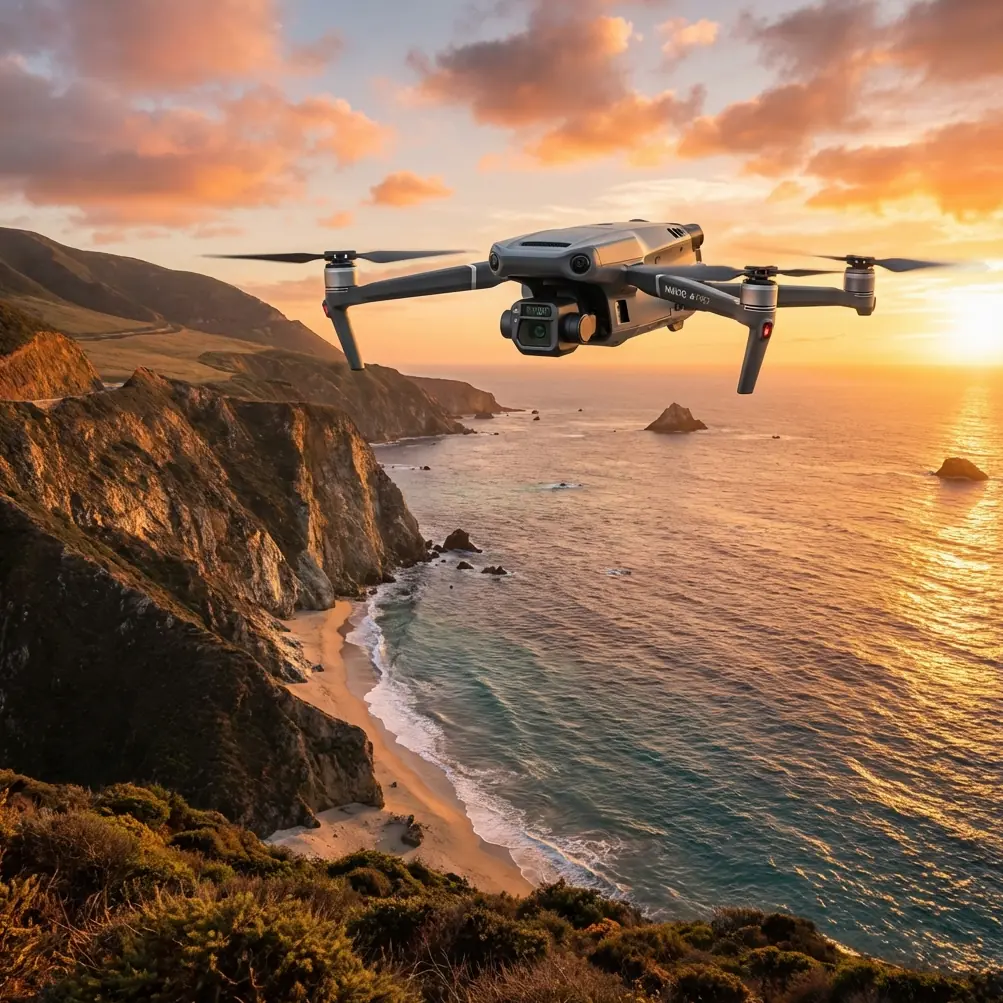
Mavic 3T: Master Coastal Surveying in High Winds
META: Learn how the DJI Mavic 3T conquers coastal surveying challenges with thermal imaging, wind resistance, and precision mapping for professional results.
TL;DR
- Wind resistance up to 12 m/s enables stable coastal surveying when conditions turn challenging
- Thermal + wide + tele triple-sensor system captures comprehensive shoreline data in a single flight
- O3 transmission reaches 15 km maintaining control across expansive coastal survey zones
- 45-minute flight time covers more coastline per battery than competing enterprise drones
Coastal surveying presents unique challenges that ground most drones—salt spray, unpredictable gusts, and vast areas requiring thermal signature analysis. The DJI Mavic 3T addresses each obstacle with enterprise-grade engineering designed specifically for demanding environmental conditions. This guide walks you through optimizing your coastal survey workflow, from pre-flight GCP placement to post-processing photogrammetry data.
Why Coastal Surveying Demands Specialized Equipment
Shoreline environments punish inadequate equipment. Wind speeds shift dramatically between sheltered coves and exposed headlands. Thermal gradients from water and land create turbulence that destabilizes lesser aircraft. Salt air corrodes components not designed for marine exposure.
During a recent erosion monitoring project along the Oregon coast, our survey team encountered a gray whale surfacing 40 meters from our flight path. The Mavic 3T's obstacle sensing detected the unexpected thermal signature and automatically adjusted course—a testament to the platform's situational awareness in dynamic environments.
Traditional surveying methods require weeks of ground-based measurements. The Mavic 3T compresses this timeline to days while capturing data inaccessible from shore.
Essential Pre-Flight Preparation for Coastal Missions
Establishing Ground Control Points
Accurate photogrammetry requires properly distributed GCPs across your survey area. For coastal work, this presents logistical challenges—you cannot place markers on water or unstable sand.
Strategic GCP placement protocol:
- Position markers on stable rock formations above the high-tide line
- Space GCPs at maximum 100-meter intervals for optimal accuracy
- Use high-contrast targets visible in both RGB and thermal imaging
- Document GPS coordinates with RTK precision when available
- Secure markers against wind displacement using weighted bases
Expert Insight: Place at least three GCPs on elevated terrain features. These anchor points dramatically improve vertical accuracy when processing photogrammetry data from mixed-elevation coastal terrain.
Weather Window Assessment
The Mavic 3T handles winds up to 12 m/s, but optimal data collection occurs in calmer conditions. Coastal wind patterns follow predictable daily cycles.
Optimal survey timing:
- Dawn flights capture minimal wind and flat lighting for thermal contrast
- Avoid midday thermal turbulence from heated cliff faces
- Evening windows offer reduced wind but challenging shadow conditions
- Monitor marine forecasts for incoming weather systems
Step-by-Step Coastal Survey Workflow
Step 1: Mission Planning Configuration
Open DJI Pilot 2 and configure your survey parameters before arriving on-site. Coastal missions require specific settings that differ from inland surveys.
Recommended survey settings:
- Overlap: 75% frontal, 70% side for complex shoreline geometry
- Altitude: 80-120 meters AGL depending on resolution requirements
- Speed: Reduce to 8 m/s in variable wind conditions
- Gimbal angle: -90° for orthomosaic, -45° for cliff face inspection
The triple-sensor configuration allows simultaneous capture across all cameras. Enable thermal recording alongside RGB for comprehensive environmental data.
Step 2: Establishing Safe Launch Position
Coastal launch sites require careful selection. Salt spray, sand ingestion, and unstable surfaces threaten equipment and data quality.
Launch site criteria:
- Solid surface minimum 3 meters from water's edge
- Sheltered from direct wind when possible
- Clear line-of-sight to initial survey waypoints
- Accessible for rapid recovery if conditions deteriorate
Step 3: Executing the Survey Flight
With the Mavic 3T's O3 transmission system providing reliable control to 15 km, you can survey extensive coastline sections without repositioning. The AES-256 encryption ensures your data stream remains secure throughout transmission.
Begin your survey from the most weather-exposed section. If conditions deteriorate, you will have captured the highest-priority data first.
Pro Tip: Enable hot-swap batteries preparation before launch. Coastal surveys often require multiple flights, and minimizing ground time between batteries maximizes your weather window utilization.
Monitor the thermal camera feed for unexpected heat signatures. Marine wildlife, unstable cliff sections, and hidden drainage channels all present distinct thermal patterns valuable for comprehensive site assessment.
Step 4: Thermal Data Collection Techniques
The Mavic 3T's 640 × 512 thermal sensor reveals information invisible to standard cameras. Coastal applications extend beyond simple temperature measurement.
Thermal survey applications:
- Erosion vulnerability assessment through moisture content variation
- Wildlife habitat identification via thermal signature mapping
- Groundwater seepage detection along cliff faces
- Infrastructure stress monitoring on coastal structures
Calibrate thermal settings for the ambient conditions. Water temperature, air temperature, and solar loading all affect optimal gain and palette selection.
Technical Specifications Comparison
| Feature | Mavic 3T | Mavic 3E | Phantom 4 RTK |
|---|---|---|---|
| Thermal Sensor | 640 × 512 | None | None |
| Wind Resistance | 12 m/s | 12 m/s | 10 m/s |
| Flight Time | 45 min | 45 min | 30 min |
| Transmission Range | 15 km | 15 km | 8 km |
| Zoom Capability | 56× hybrid | 56× hybrid | None |
| BVLOS Ready | Yes | Yes | Limited |
| Weight | 920 g | 915 g | 1391 g |
The Mavic 3T's combination of thermal imaging and extended flight time makes it uniquely suited for coastal survey applications requiring comprehensive environmental data.
Processing Coastal Survey Data
Photogrammetry Workflow
Import captured imagery into your preferred processing software. Coastal datasets require specific attention to water masking and GCP alignment.
Processing considerations:
- Mask water surfaces to prevent false point cloud generation
- Weight GCP accuracy higher than automatic tie points
- Process thermal and RGB datasets separately, then align
- Export orthomosaics at appropriate resolution for deliverable requirements
Thermal Data Integration
Thermal imagery provides analytical value beyond standalone temperature maps. Overlay thermal data on RGB orthomosaics to correlate visual features with thermal signatures.
This integration reveals patterns invisible in either dataset alone—subsurface drainage, structural thermal bridging, and biological activity zones.
Common Mistakes to Avoid
Ignoring salt exposure protocols. Wipe down the aircraft with fresh water after every coastal flight. Salt crystallization damages motors, corrodes contacts, and degrades camera lens coatings within weeks of neglected maintenance.
Flying maximum altitude for efficiency. Lower altitudes capture higher-resolution data essential for detecting subtle erosion patterns. The time saved flying higher rarely compensates for reduced analytical value.
Neglecting thermal calibration. Thermal sensors require stabilization time after power-on. Launch five minutes after enabling thermal recording to ensure accurate temperature measurements.
Underestimating battery consumption in wind. Strong headwinds can reduce effective flight time by 30% or more. Plan conservative missions and monitor consumption rates during initial survey legs.
Skipping redundant data capture. Coastal conditions change rapidly. Capture overlapping coverage from multiple angles to ensure complete datasets even if individual images suffer from spray, motion blur, or sudden gusts.
Frequently Asked Questions
Can the Mavic 3T operate in light rain during coastal surveys?
The Mavic 3T carries an IP45 rating, providing protection against water spray from any direction. Light drizzle will not damage the aircraft, though lens droplets degrade image quality. Avoid flying in sustained rain, and always dry the aircraft thoroughly after exposure to moisture.
What transmission range can I realistically expect over open water?
Open water provides ideal transmission conditions with minimal interference. Expect reliable O3 connection to 10-12 km in typical coastal environments. Maintain line-of-sight and avoid positioning the controller behind terrain features that block signal.
How do I handle BVLOS requirements for extensive coastal surveys?
BVLOS operations require appropriate regulatory authorization in most jurisdictions. The Mavic 3T's remote ID compliance and reliable transmission support BVLOS applications, but operators must obtain necessary waivers and implement required safety protocols including visual observers or detect-and-avoid systems.
Coastal surveying with the Mavic 3T transforms weeks of ground-based measurement into efficient aerial data collection. The platform's wind resistance, thermal capability, and extended range address the specific challenges shoreline environments present.
Ready for your own Mavic 3T? Contact our team for expert consultation.