
Mavic 3T in Dusty Forest Surveys: A Field Report on Thermal
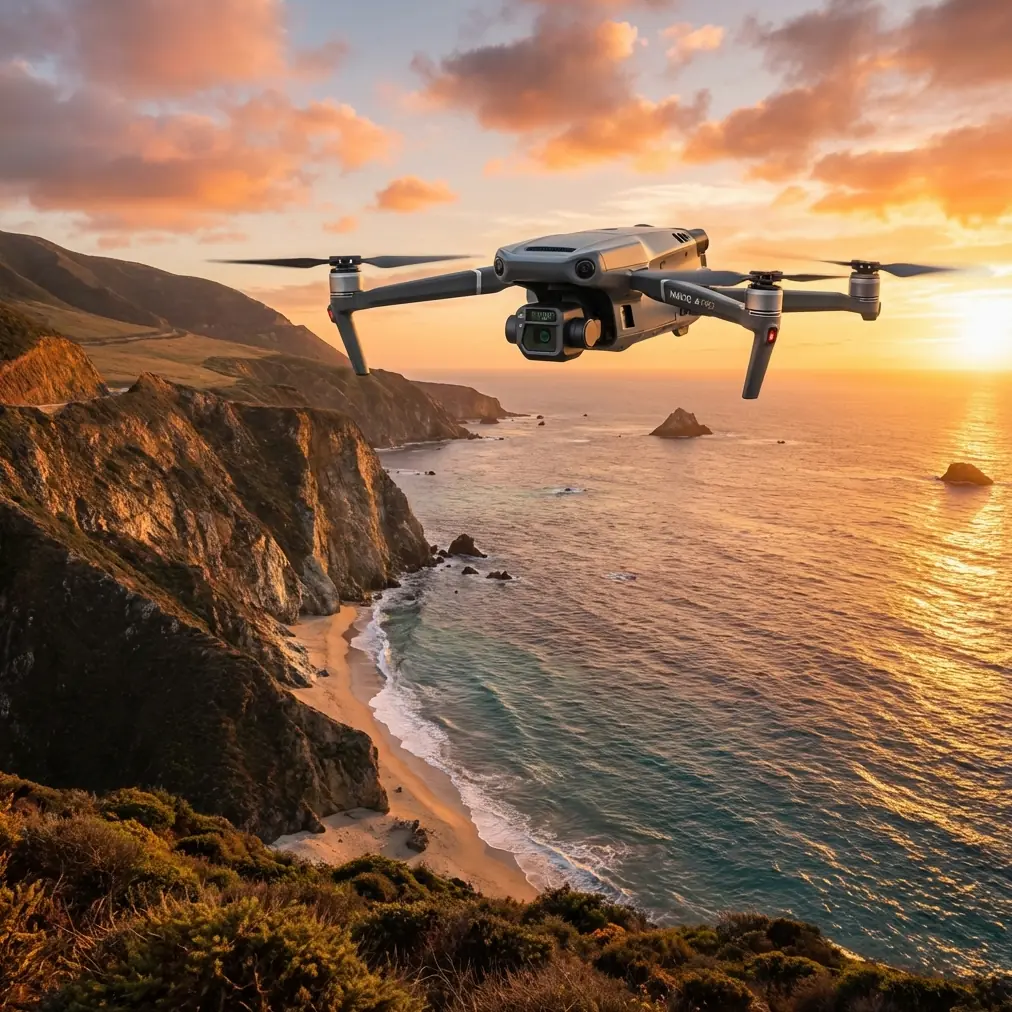
Mavic 3T in Dusty Forest Surveys: A Field Report on Thermal Reliability, Clean Sensors, and Better Data
META: Expert field report on using the DJI Mavic 3T for dusty forest surveying, with practical guidance on thermal work, photogrammetry limits, O3 transmission, battery workflow, and pre-flight cleaning steps.
The Mavic 3T earns attention for its thermal payload, compact airframe, and ability to cover ground fast. In a dusty forest survey, though, the real story is not the spec sheet. It is how the aircraft behaves after repeated launches from dry clearings, how well the thermal signature holds up when fine debris starts collecting around the vision and obstacle sensing surfaces, and whether your workflow still produces dependable results when the terrain blocks line of sight and the canopy changes the light every few minutes.
That is where this aircraft becomes interesting.
I have used the Mavic 3T mindset in the kind of operations that punish small details: dry forestry corridors, logging edges, access tracks with powdery soil, and mixed canopy where thermal contrast can shift quickly from one patch of ground to the next. In those environments, people often focus first on thermal resolution or transmission range. Those matter. But in practice, one of the most valuable habits is a basic pre-flight cleaning step. Not glamorous. Absolutely operationally significant.
Before every launch in dusty forest conditions, clean the forward, rear, upward, and downward sensing surfaces, as well as the camera windows and thermal lens cover area, using the correct lens-safe materials. A few seconds here can prevent false obstacle behavior, degraded positioning confidence, and softer image capture. On the Mavic 3T, those safety and imaging systems are not isolated conveniences. They shape how confidently you can fly near tree lines, along cutblocks, and over uneven terrain where branches, dust, and changing light all work against consistency.
That single ritual changes the rest of the day.
Why dust matters more in forest survey work
Open farmland dust is one thing. Forest dust is another. In wooded survey zones, you often launch from disturbed roads, skid trails, or temporary clearings. Rotor wash pulls fine particles into the air just as you are depending on the aircraft’s sensors to stabilize, avoid obstacles, and record clean imagery. If your mission includes thermal inspection of stressed vegetation, smoldering debris, drainage issues, or wildlife exclusion checks for civilian land management, a dirty lens or sensing window can quietly ruin confidence in the data without producing an obvious failure.
The Mavic 3T is especially useful in this context because it combines a thermal camera with a visual camera in a package that can be deployed quickly. That matters when crews need to move between sites, document conditions, and get off location before afternoon winds pick up. But speed without discipline is where bad datasets begin. The more compact the aircraft, the easier it is for operators to treat it casually. That is a mistake in dusty forest work.
A clean aircraft is not just about maintenance. It is about survey integrity.
Thermal signature in the forest: what the Mavic 3T does well
Thermal work in a forested area is rarely about dramatic hotspots. Most civilian jobs involve subtler patterns: moisture variation in drainage corridors, warm mechanical components near fixed infrastructure, residual heat in disturbed soil, or canopy stress that appears as a small temperature difference rather than a glaring anomaly. The Mavic 3T helps because it gives the pilot fast access to thermal context without forcing a larger deployment footprint.
That compact deployment model matters more than many teams realize. In dust-heavy forestry environments, every minute spent setting up is another minute of contamination risk for gear laid out in the open. The Mavic 3T reduces that exposure. You can stay more mobile, reposition quickly, and launch from tighter spaces.
The thermal signature itself only becomes meaningful when paired with operational discipline. Midday forest flights can flatten temperature contrast, while early morning can exaggerate some features and hide others. With the Mavic 3T, I treat thermal as a decision layer, not a magic truth layer. It is there to identify patterns worth examining, not to replace field judgment. That approach is especially important in woodland surveys where shaded ground, sunlit bark, rocks, and retained heat from machinery can all create misleading heat maps.
This is also where cleaning comes back into the story. Dust on optics does not just make imagery less attractive. It can reduce confidence when comparing one thermal pass against another. If you are trying to verify whether a warmer patch on a service road shoulder is a genuine issue or simply a viewing artifact, the last thing you want is uncertainty introduced by poor lens hygiene.
Photogrammetry and the honest limits of the platform
The Mavic 3T can support useful visual documentation and site understanding, but serious survey teams need to be honest about where thermal convenience ends and dedicated mapping starts. In forest work, photogrammetry is already challenged by repetitive canopy texture, shadows, elevation changes, and partial ground visibility. Add dust and you raise the penalty for any inconsistency in lens condition or flight execution.
That does not make the aircraft unsuitable. It means you use it intelligently.
For corridor reviews, site progression records, and targeted visual overlays, the Mavic 3T is efficient. When absolute positional confidence matters, bring disciplined ground control into the workflow. GCP placement remains one of the simplest ways to protect output quality when visual references in the landscape are inconsistent. Dense tree cover can interfere with the clean geometry that photogrammetry likes, so any opportunity to anchor the project with clear control points pays off. In mixed forest and open-track terrain, that difference becomes obvious when you compare edge zones to heavily shaded sections.
This is where a lot of operators oversimplify. They assume the aircraft’s smart systems will rescue a weak capture plan. They will not. A good platform still needs a good survey design. The Mavic 3T shines when used as part of a method, not as a substitute for one.
O3 transmission and forested terrain: stable link, realistic expectations
The Mavic 3T benefits from O3 transmission, and that matters in wooded survey environments because signal quality is constantly negotiating with terrain, trunks, branches, and moisture in the landscape. A robust link helps the pilot maintain situational awareness and react cleanly when flying around irregular edges or conducting slow thermal passes over fragmented clearings.
Still, forests are masters of signal degradation.
Operators who work near the boundary of visibility often talk loosely about BVLOS as if technology alone settles the issue. It does not. In practical commercial work, the transmission system gives you stronger operational confidence within a properly managed mission envelope, but vegetation and terrain still need to be treated as active constraints. O3 is valuable because it reduces link fragility in challenging conditions. Its operational significance is not that it invites riskier flight. It is that it supports steadier control and cleaner video feedback while you stay inside the mission plan and local rules.
In dusty forest surveys, I would add one more layer to that: clean antennas, clean airframe surfaces, and a conservative launch position. If you take off from a hollow ringed by trees and loose dust, you are creating two problems at once. You reduce your signal geometry and contaminate the aircraft immediately. A slightly better launch point can improve both transmission behavior and sensor reliability.
AES-256 and why data security matters in commercial forestry
Most discussion around drone security becomes abstract fast. It should not. In commercial forestry, land management, utilities, and environmental consulting, you are often collecting imagery tied to private assets, access roads, operational infrastructure, or ecological findings that clients do not want casually exposed. The relevance of AES-256 is straightforward: it supports stronger protection of transmitted or stored operational data within a professional workflow.
That matters on jobs where thermal imagery may reveal site activity patterns, equipment placement, or sensitive environmental conditions. Security is not a side note for enterprise work. It is part of professionalism. The Mavic 3T fits serious teams partly because it does not treat data handling as an afterthought.
For operators building a defensible process, the aircraft’s security posture should sit alongside your standard field rules: controlled device access, clean data handoff, structured file naming, and rapid post-flight backup. If your forestry surveys feed into compliance reviews or landowner reporting, secure handling is part of the deliverable quality.
Battery rhythm in the field: the real value of hot-swap workflow
Dusty forest sites rarely reward long interruptions. Teams are moving between clearings, monitoring light changes, and trying to complete flight windows before weather or site traffic interferes. That is why hot-swap batteries are not just a convenience item in conversation. They shape mission tempo.
When battery changes are fast and organized, the aircraft spends more time collecting consistent data and less time sitting open in a dirty environment. That reduces contamination risk. It also helps preserve continuity in thermal comparison work, where long delays between flights can change the temperature story you are trying to document.
The best battery workflow on a Mavic 3T job is boring by design. One set cooling, one set ready, one person confirming state, and no loose gear exposed on the ground longer than needed. Fast swaps keep the mission moving, but the operational significance is consistency. Dust does not care whether the delay came from poor planning or unavoidable conditions. It settles either way.
The pre-flight cleaning step I would not skip
If I had to choose one field habit that prevents the most avoidable problems in dusty forest Mavic 3T work, it would be this sequence:
Power down. Move away from the rotor wash zone. Inspect the camera glass, thermal window, obstacle sensing surfaces, and landing gear area. Use an air blower or approved soft brush first, then lens-safe cleaning materials if needed. Check for packed dust near seams and vents. Confirm the gimbal moves freely. Only then restart and calibrate if conditions call for it.
That sequence does two things. First, it protects the hardware. Second, it gives the pilot a deliberate pause before launch. In real operations, rushed launches create more issues than difficult terrain does.
The Mavic 3T is capable, but it rewards methodical crews. In dusty forests, that is not a preference. It is the difference between trusting your data and hoping it is fine.
A field-minded workflow that suits this aircraft
For most civilian forestry survey tasks, I prefer to use the Mavic 3T in layers. Start with a visual understanding of the site and identify obstacles, dust sources, and launch alternatives. Then plan thermal passes around the time of day when the target condition is most likely to separate from the background. If the project needs surface modeling or measured outputs, establish GCPs before chasing coverage. Protect your transmission path by choosing takeoff locations with the cleanest corridor to the work area. Between sorties, clean first, swap batteries second, and review samples before committing to the next flight block.
That approach sounds simple because it is. Simplicity scales well in the field.
If you are building your own Mavic 3T forest survey routine and want a second opinion on payload settings, flight structure, or maintenance habits, this is a practical place to message a field specialist.
What makes the Mavic 3T a serious forestry tool
The strongest argument for the Mavic 3T in dusty forest surveys is not that it does everything. It is that it covers several critical jobs well enough, fast enough, and with enough operational polish to stay useful in the real world. Thermal helps you spot patterns that visual inspection misses. O3 transmission supports steadier control in obstructed terrain. AES-256 aligns with professional data handling. A disciplined hot-swap battery routine keeps your capture window intact. And a basic pre-flight cleaning habit protects the safety features and sensors that the whole mission depends on.
That last point is easy to underestimate because it is not flashy. Yet in field conditions, reliability is built from small acts repeated consistently.
The crews who get the most from the Mavic 3T are usually not the ones chasing the most aggressive flights. They are the ones who understand that forest surveying, especially in dust, is a battle against tiny compromises. A dirty sensor. A rushed launch. A weak control point plan. A poor takeoff position under trees. Each seems minor on its own. Together, they erode the value of the aircraft.
Used properly, the Mavic 3T remains one of the most practical platforms for forestry teams that need thermal awareness, rapid deployment, and a compact operational footprint. Not because it removes complexity, but because it handles complexity cleanly when the operator does the same.
Ready for your own Mavic 3T? Contact our team for expert consultation.