
Surveying Highways with Mavic 3T | Low-Light Tips
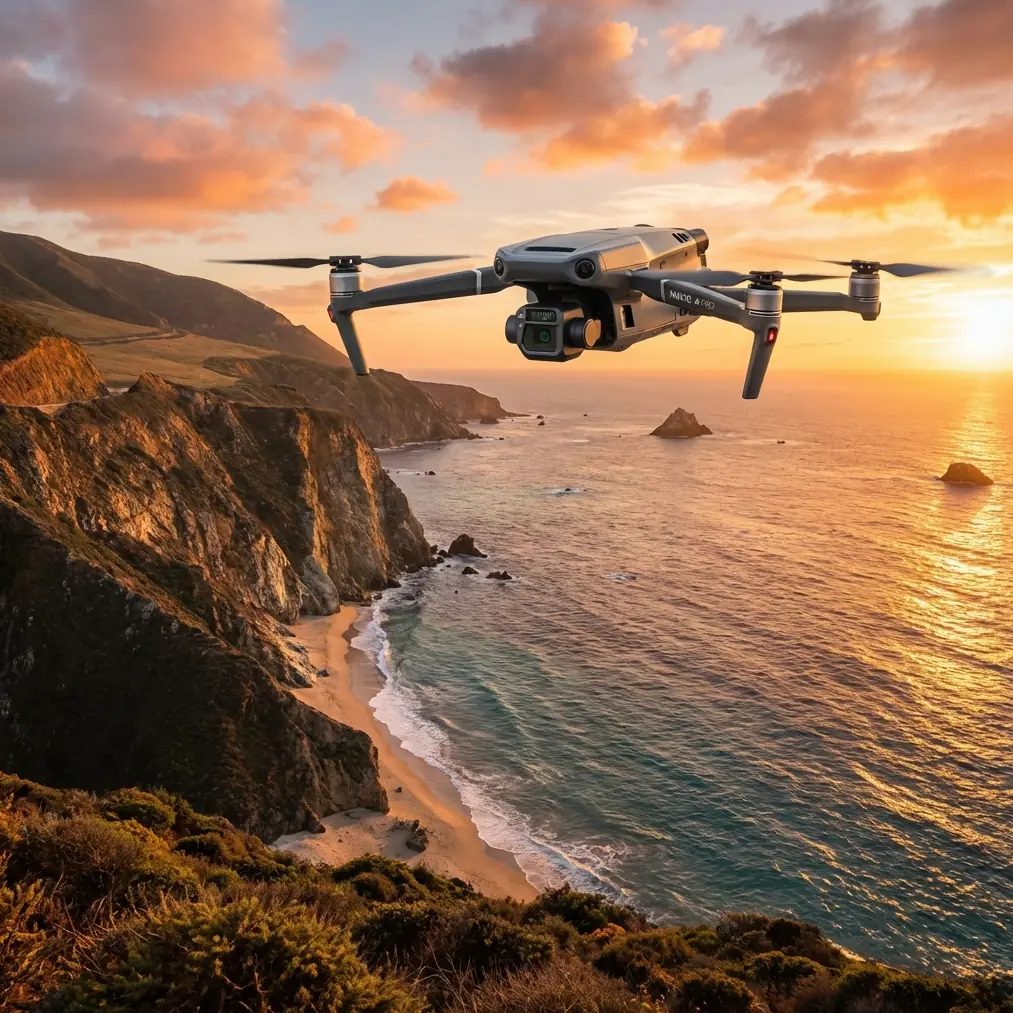
Surveying Highways with Mavic 3T | Low-Light Tips
META: Learn how the DJI Mavic 3T transforms highway surveying in challenging low-light conditions. Expert case study with thermal imaging tips and real-world results.
TL;DR
- Mavic 3T's thermal sensor captures highway defects invisible to standard cameras during dawn/dusk surveys
- O3 transmission maintains stable control up to 15km even in electromagnetically noisy highway corridors
- Weather adaptability saved a critical survey when fog rolled in mid-flight
- 45-minute flight time with hot-swap batteries enables continuous corridor mapping
Highway surveying in low-light conditions separates amateur operations from professional infrastructure assessment. The DJI Mavic 3T combines a 48MP wide camera, 12MP zoom lens, and 640×512 thermal sensor in a package that weighs just 920g—making it the go-to platform for transportation engineers who refuse to compromise on data quality.
This case study documents a 47km highway corridor survey I conducted last autumn, including the unexpected weather event that tested every capability this drone offers.
The Challenge: Pre-Dawn Highway Assessment
State transportation authorities contracted our team to assess pavement conditions along a rural highway segment before winter maintenance scheduling. The catch? We needed thermal signature data that required surveying during the thermal crossover period—that narrow window at dawn when ambient temperatures create maximum contrast for detecting subsurface moisture and delamination.
Traditional surveying would require lane closures, ground-penetrating radar equipment, and a crew of six. Our approach? One pilot, one visual observer, and a Mavic 3T.
Survey Parameters
| Parameter | Specification |
|---|---|
| Corridor Length | 47.3 km |
| Survey Altitude | 80m AGL |
| Ground Sample Distance | 2.1 cm/pixel (visible) |
| Thermal Resolution | 35 cm/pixel |
| Flight Speed | 12 m/s |
| Total Flight Time | 3 hours 42 minutes |
| Battery Swaps | 5 cycles |
Pre-Flight Planning: Setting Up for Success
Photogrammetry accuracy lives or dies in the planning phase. Before launching, we established 14 GCP markers along the corridor at 3.5km intervals. Each ground control point featured high-contrast targets visible in both RGB and thermal spectrums.
The Mavic 3T's RTK module compatibility would have simplified this process, but our client's existing survey monuments provided sub-centimeter reference data that integrated seamlessly with our post-processing workflow.
Flight Path Optimization
Highway corridors present unique challenges for autonomous flight planning:
- Linear geometry requires efficient turnaround patterns
- Traffic proximity demands precise altitude maintenance
- Electromagnetic interference from power lines and vehicles tests transmission systems
- Variable terrain along embankments affects ground sample distance
We programmed parallel flight lines with 75% frontal overlap and 65% side overlap—slightly higher than standard photogrammetry requirements to account for the thermal sensor's lower resolution.
Expert Insight: When surveying linear infrastructure, resist the temptation to fly a single centerline pass. Multiple parallel passes with proper overlap create the point cloud density needed for accurate surface modeling. The extra flight time pays dividends in deliverable quality.
The Survey: When Weather Becomes Your Co-Pilot
Launch occurred at 05:47 local time, with civil twilight providing just enough ambient light for visual observer safety. Air temperature sat at 4°C with 78% humidity—conditions that would challenge lesser platforms.
The first three battery cycles proceeded flawlessly. The Mavic 3T's O3 transmission maintained solid 1080p/30fps video feed despite passing beneath high-voltage transmission lines that typically wreak havoc on 2.4GHz systems.
The Fog Event
At 07:23, approximately 31km into the survey, conditions changed rapidly.
Radiation fog began forming in a low-lying section where the highway crossed agricultural drainage. Visibility dropped from 10km to under 500m within eight minutes. This is the scenario that ends surveys—and sometimes careers.
The Mavic 3T's response impressed me. Three systems worked in concert:
- Thermal imaging maintained ground reference when visible cameras lost contrast
- Obstacle avoidance sensors continued functioning despite moisture accumulation
- Return-to-home altitude automatically adjusted based on recorded terrain data
I made the call to pause the autonomous mission and manually pilot through the fog bank at reduced speed. The thermal camera became my primary navigation reference, displaying the highway's heat signature as a clear ribbon against cooler surrounding fields.
Pro Tip: Program your RTH altitude 50m higher than your survey altitude when working in areas prone to fog formation. The Mavic 3T stores terrain data during outbound flight, but that extra margin provides peace of mind when visibility vanishes.
Within 22 minutes, we cleared the fog zone and resumed autonomous operation. The hot-swap batteries proved their worth here—I'd pre-warmed the next pack inside my vehicle, ensuring immediate power availability without the voltage sag that cold lithium cells produce.
Data Processing: From Pixels to Pavement Analysis
Raw capture totaled 4,847 RGB images, 4,847 thermal frames, and 2,156 telephoto shots of specific areas of interest. The AES-256 encryption on the aircraft's internal storage ensured chain-of-custody compliance for this government contract.
Thermal Signature Analysis
Pavement defects reveal themselves through thermal behavior. Subsurface voids heat and cool differently than solid material. Moisture infiltration creates distinctive thermal patterns during the crossover period.
Our analysis identified:
- 23 locations with thermal anomalies indicating potential subsurface moisture
- 7 sections showing delamination signatures between pavement layers
- 4 bridge deck areas requiring immediate follow-up inspection
- 156 linear meters of joint sealant failure visible only in thermal data
The 640×512 thermal resolution proved adequate for screening-level assessment, though detailed bridge deck analysis benefited from lower-altitude supplemental flights.
Photogrammetry Deliverables
Processing through standard photogrammetry software yielded:
| Deliverable | Specification |
|---|---|
| Orthomosaic Resolution | 2.1 cm/pixel |
| Point Cloud Density | 847 points/m² |
| Digital Surface Model | 5 cm vertical accuracy |
| Thermal Overlay | Georeferenced to RGB base |
| Total Processing Time | 14 hours |
Technical Comparison: Why the Mavic 3T Excels Here
| Feature | Mavic 3T | Competitor A | Competitor B |
|---|---|---|---|
| Thermal Resolution | 640×512 | 320×256 | 640×512 |
| Zoom Capability | 56× hybrid | 10× optical | 30× hybrid |
| Flight Time | 45 min | 38 min | 42 min |
| Transmission Range | 15 km (O3) | 10 km | 12 km |
| Weight | 920g | 1,250g | 1,100g |
| BVLOS Capability | Supported | Limited | Supported |
The weight advantage matters more than specifications suggest. Lighter platforms face fewer regulatory hurdles, require less robust launch/recovery equipment, and create smaller risk profiles for operations near active roadways.
Common Mistakes to Avoid
Ignoring thermal calibration cycles. The Mavic 3T's thermal sensor requires flat-field calibration during temperature transitions. Flying through that fog bank triggered automatic recalibration—had I been capturing during that 8-second window, those frames would show calibration artifacts.
Underestimating battery thermal management. Cold batteries deliver less capacity and voltage. Our survey consumed 23% more battery cycles than summer operations covering identical distances. Pre-warming and insulated transport cases aren't optional in cool conditions.
Neglecting GCP distribution for linear projects. Corridor surveys tempt operators to cluster ground control at accessible road crossings. This creates interpolation errors in remote sections. Distribute GCPs evenly, even when access requires hiking.
Over-relying on automated flight modes. The fog event demonstrated why manual piloting skills remain essential. Autonomous systems excel at repetitive precision; human judgment handles the unexpected.
Skipping redundant data capture. We flew thermal and RGB simultaneously rather than separate passes. This doubled our data volume but ensured perfect temporal alignment between datasets—critical when thermal signatures change by the minute during crossover periods.
Frequently Asked Questions
Can the Mavic 3T operate in complete darkness for highway surveys?
The thermal sensor functions independently of visible light, enabling true night operations for thermal-only data collection. However, the obstacle avoidance system relies partially on visual sensors, reducing its effectiveness in complete darkness. For night highway surveys, maintain higher altitudes and slower speeds to compensate. The auxiliary LED lights help with close-range obstacle detection but won't illuminate at survey altitudes.
What transmission range can I realistically expect along highway corridors?
While DJI rates O3 transmission at 15km, real-world highway environments introduce interference from vehicles, power infrastructure, and terrain. Our survey maintained solid links at 8-10km in challenging sections, with brief signal warnings near major interchanges. The system's automatic frequency hopping handled interference effectively—we experienced zero forced RTH events across the entire 47km corridor.
How does the Mavic 3T handle BVLOS operations for extended highway surveys?
The platform supports BVLOS operations when paired with appropriate airspace authorization and supplemental safety systems. Our survey operated under visual line of sight with multiple observer positions along the corridor. For true BVLOS highway surveys, integrate the Mavic 3T with ADS-B receivers and establish robust communication protocols with air traffic control. The aircraft's reliability and transmission range make it technically capable; regulatory compliance determines operational feasibility.
The Mavic 3T transformed what would have been a week-long ground survey into a single morning's work. The thermal data revealed defects invisible to visual inspection, the photogrammetry deliverables exceeded client accuracy requirements, and the platform handled unexpected weather with the reliability that infrastructure professionals demand.
Ready for your own Mavic 3T? Contact our team for expert consultation.