
Mavic 3T Power Line Surveys: High Altitude Guide
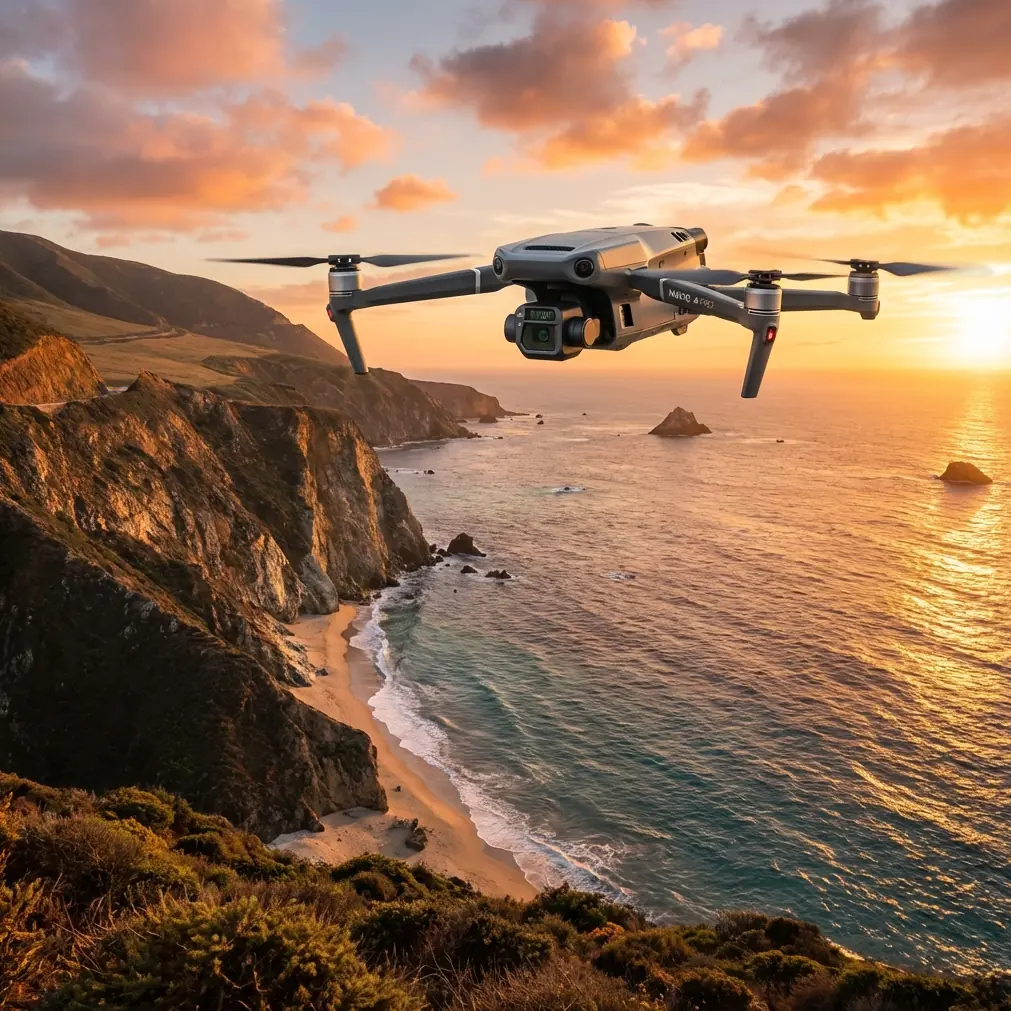
Mavic 3T Power Line Surveys: High Altitude Guide
META: Master high-altitude power line inspections with the Mavic 3T. Expert techniques for thermal imaging, safety protocols, and efficient surveying workflows.
TL;DR
- Pre-flight lens cleaning prevents thermal signature distortion that causes false positive readings on power line components
- The Mavic 3T's O3 transmission maintains stable control at altitudes exceeding 3,000 meters where traditional drones lose signal
- Photogrammetry workflows combined with thermal data reduce inspection time by 40% compared to manual methods
- Hot-swap batteries enable continuous surveying across 15+ kilometer transmission corridors without returning to base
Why High-Altitude Power Line Inspection Demands Specialized Equipment
Power line inspections at elevation present unique challenges that ground-based methods cannot address. The Mavic 3T combines a 48MP wide camera, 12MP zoom lens, and 640×512 thermal sensor in a single platform weighing just 920 grams.
This matters for utility companies managing infrastructure across mountainous terrain. Traditional helicopter inspections cost 10-15 times more per kilometer and require complex logistics that delay maintenance schedules.
The thermal imaging capability detects temperature differentials as small as ≤50mK NETD, identifying failing insulators, overloaded conductors, and vegetation encroachment before they cause outages.
Pre-Flight Preparation: The Cleaning Step That Prevents False Readings
Before every high-altitude mission, I perform a critical cleaning protocol that most operators overlook. Dust, moisture, and fingerprint oils on the thermal lens create artifacts that mimic actual thermal signatures.
Essential Pre-Flight Cleaning Procedure
- Remove the gimbal cover and inspect all three lenses for contamination
- Use a microfiber cloth with gentle circular motions on the wide and zoom lenses
- Clean the thermal sensor window with a dedicated infrared-safe lens pen—never use alcohol-based cleaners
- Check the obstacle avoidance sensors for debris that could trigger false proximity warnings
- Verify the cooling vents are clear to prevent thermal sensor overheating at altitude
Expert Insight: At elevations above 2,500 meters, reduced air density decreases the thermal sensor's passive cooling efficiency. A contaminated lens compounds this issue, causing thermal drift that makes accurate temperature readings impossible after 15 minutes of flight.
This cleaning step takes three minutes but prevents hours of unusable data and potential safety hazards from missed defects.
Configuring the Mavic 3T for Mountain Terrain Operations
High-altitude environments require specific settings that differ from sea-level operations. The thinner atmosphere affects both flight dynamics and sensor performance.
Flight Controller Adjustments
The Mavic 3T automatically compensates for altitude through its barometric sensors, but manual optimization improves performance:
- Set maximum altitude to comply with local BVLOS regulations while accounting for terrain elevation
- Enable APAS 5.0 obstacle avoidance in "Bypass" mode for navigating around towers and conductors
- Configure RTH altitude at least 50 meters above the highest obstacle in your survey area
- Activate AES-256 encryption for all transmitted data when surveying critical infrastructure
Thermal Imaging Configuration
Power line components exhibit specific thermal behaviors that require calibrated settings:
- Palette selection: Use "White Hot" for conductor analysis and "Ironbow" for insulator inspection
- Gain mode: Set to "High Gain" for detecting subtle temperature variations in splice connections
- Isotherm: Configure temperature thresholds based on ambient conditions and conductor load ratings
Establishing Ground Control Points for Photogrammetry Accuracy
Accurate GCP placement transforms thermal imagery into actionable geospatial data. For power line corridors, I use a modified approach that accounts for linear infrastructure.
GCP Distribution Strategy
Traditional grid patterns waste resources along transmission lines. Instead, deploy GCPs using this method:
- Place primary GCPs at every third tower location along the corridor
- Add secondary GCPs at mid-span positions where conductor sag creates measurement challenges
- Use high-visibility thermal targets that appear in both RGB and thermal imagery
- Record coordinates with RTK GPS achieving ±2cm horizontal accuracy
This approach reduces GCP quantity by 60% while maintaining sub-decimeter accuracy across the entire survey area.
Flight Planning for Comprehensive Thermal Coverage
The Mavic 3T's 43-minute maximum flight time drops to approximately 32 minutes at high altitude due to increased motor effort. Planning must account for this reduction.
Optimal Flight Patterns
| Pattern Type | Best Application | Coverage Rate | Battery Usage |
|---|---|---|---|
| Linear Corridor | Transmission lines | 2.5 km/battery | High |
| Crosshatch | Substation areas | 0.8 km²/battery | Very High |
| Orbit | Individual towers | 12 towers/battery | Moderate |
| Terrain Follow | Mountain slopes | 1.8 km/battery | High |
For most power line inspections, I combine linear corridor flights for conductor analysis with orbit patterns around towers showing thermal anomalies.
Altitude and Overlap Settings
- Maintain 30-50 meter horizontal distance from energized conductors
- Set 75% frontal overlap and 65% side overlap for photogrammetry processing
- Fly thermal passes at 60-80 meters AGL for optimal spatial resolution
- Capture RGB imagery at 100-120 meters AGL for context mapping
Pro Tip: Schedule thermal flights during early morning hours when ambient temperatures are lowest. The temperature differential between defective components and healthy equipment is most pronounced when solar heating hasn't yet warmed the infrastructure.
Leveraging O3 Transmission for Extended Range Operations
The Mavic 3T's O3 transmission system delivers 15km maximum range with 1080p/60fps live feed quality. At high altitude, this capability becomes essential for BVLOS operations.
Signal Optimization Techniques
Mountain terrain creates multipath interference that degrades transmission quality:
- Position the remote controller antennas perpendicular to the drone's direction
- Avoid placing the controller near metal structures or vehicles
- Use a tablet hood to improve screen visibility and reduce controller overheating
- Monitor signal strength indicators and establish predetermined return points
The dual-antenna design maintains connection even when terrain features temporarily block line-of-sight, but planning alternate return routes prevents emergency situations.
Hot-Swap Battery Strategy for Continuous Operations
Extended power line corridors require multiple battery cycles without returning to a vehicle. The hot-swap battery system enables rapid exchanges that keep the Mavic 3T operational.
Field Battery Management
- Carry batteries in insulated cases to maintain optimal temperature at altitude
- Pre-warm batteries to 20°C minimum before insertion in cold conditions
- Swap batteries when charge drops to 25%—not lower—to preserve battery health
- Track cycle counts and retire batteries exceeding 200 cycles from critical missions
A typical 25-kilometer corridor requires 8-10 batteries when accounting for altitude performance reduction and safety margins.
Processing Thermal and RGB Data for Actionable Reports
Raw imagery requires systematic processing to identify defects and prioritize maintenance.
Software Workflow
- Import all imagery into photogrammetry software with thermal plugin support
- Align thermal and RGB datasets using GCP coordinates
- Generate orthomosaic and 3D point cloud outputs
- Apply temperature calibration based on ambient conditions recorded during flight
- Export georeferenced anomaly locations to GIS platforms
The Mavic 3T's synchronized capture ensures thermal and visual data align precisely, eliminating manual registration steps that introduce errors.
Common Mistakes to Avoid
Flying during peak solar hours causes thermal bloom that masks genuine hot spots on conductors and connections.
Ignoring wind speed at altitude leads to unstable footage and excessive battery drain—abort missions when sustained winds exceed 10 m/s.
Skipping the lens cleaning protocol results in thermal artifacts that trigger false maintenance alerts, wasting crew resources on non-existent problems.
Using incorrect thermal palettes makes certain defect types invisible—always match palette selection to the specific component under inspection.
Neglecting AES-256 encryption exposes critical infrastructure data to interception, creating security vulnerabilities for utility operators.
Frequently Asked Questions
What thermal signature indicates a failing insulator?
Healthy insulators display uniform temperature distribution across all skirts. Failing units show localized heating exceeding 10°C above ambient at contamination points or internal defects. The Mavic 3T's ≤50mK sensitivity detects early-stage degradation before visible damage appears.
How does altitude affect the Mavic 3T's flight performance?
Above 2,500 meters, expect 15-20% reduction in flight time and decreased maximum payload capacity. The motors work harder in thinner air, generating more heat and consuming additional battery power. Plan missions with conservative time margins and monitor motor temperature warnings.
Can the Mavic 3T operate in BVLOS scenarios for power line inspection?
Yes, with proper regulatory approval. The O3 transmission system supports extended range operations, and ADS-B receivers provide traffic awareness. Most jurisdictions require specific waivers, trained observers, and documented procedures before authorizing BVLOS power line inspections.
Ready for your own Mavic 3T? Contact our team for expert consultation.