
Mavic 3T for Solar Farm Surveys in Extreme Temperatures
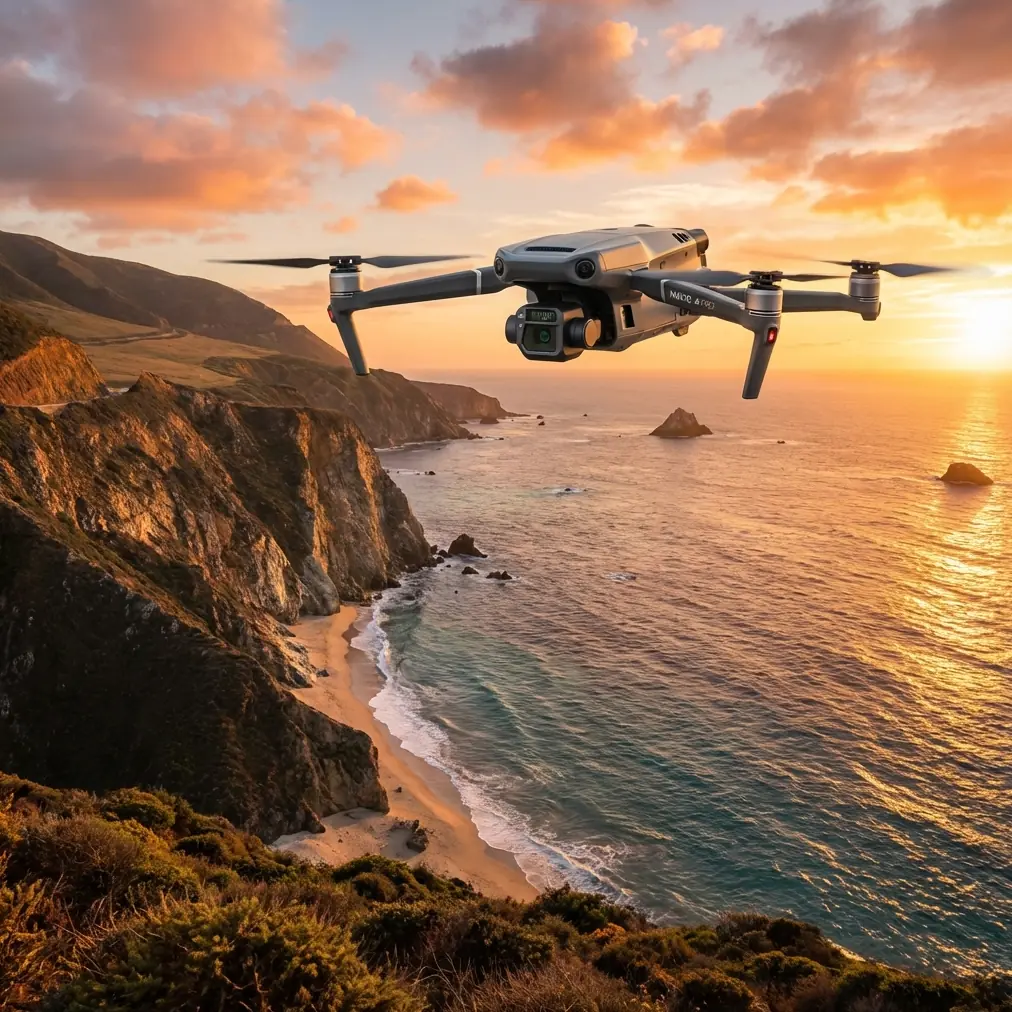
Mavic 3T for Solar Farm Surveys in Extreme Temperatures: A Field Case Study
META: Expert case study on using the DJI Mavic 3T to inspect solar farms in extreme heat and cold, with thermal workflows, photogrammetry, GCP strategy, and operational lessons from the field.
When people talk about drone inspections for utility-scale solar, they often focus on speed. That matters, but it is not the whole job. On a large site, speed without dependable data just creates a faster path to bad decisions. The real challenge is collecting thermal and visual evidence that stands up under harsh conditions, then turning it into something an operations team can use before production losses compound.
I learned that the hard way on a solar farm inspection years ago, long before the Mavic 3T became part of my regular kit. We were working through a punishing heat cycle. By mid-morning, the panel surface temperatures had climbed enough to distort what looked obvious at sunrise. We had image inconsistencies, too much wasted movement between arrays, and a constant fight to keep sorties efficient while the site team waited for answers about suspected underperforming strings. The drone did the basic job. The workflow did not.
That is where the Mavic 3T changed the conversation for me, especially on sites that swing between freezing starts and punishing afternoon heat. It is not just a thermal drone with a compact airframe. It is a practical bridge between fast reconnaissance and evidence-grade field documentation, which is exactly what solar operators need when the weather is working against them.
The assignment: thermal anomalies in a hostile temperature window
A recent job reminded me why this aircraft fits the solar use case so well. The site had a familiar problem: inconsistent output across several blocks, combined with concern about hidden defects that were not obvious from ground-level checks. The catch was timing. The inspection had to happen during a period of wide temperature variation, with a cold early-morning start giving way to intense radiant heat later in the day.
Those conditions are not a side note. They shape the entire mission. Solar thermography depends on more than simply “seeing heat.” A valid thermal signature has to be interpreted in context. Module temperature differentials can point to cracked cells, bypass diode issues, connection faults, or soiling patterns, but the confidence of that interpretation drops if your collection window is sloppy or your imagery is not properly aligned to the site layout.
That is why the Mavic 3T’s combination of thermal imaging, visual imaging, and stable transmission mattered more than any single headline spec. On a solar farm, you are not flying for cinematic footage. You are building a chain of evidence.
Why the Mavic 3T fits this kind of work
The Mavic 3T earns its place on solar sites because it handles two jobs at once. First, it lets you detect heat-related anomalies quickly. Second, it gives you enough visual context to verify what you are seeing without sending the ground team chasing false positives across hundreds of rows.
That dual-sensor workflow is where a lot of efficiency is won or lost.
On earlier jobs with more fragmented tools, the thermal pass and the follow-up confirmation pass often felt like separate operations. With the Mavic 3T, the transition is cleaner. You can identify a suspect hotspot, compare it against the visible view, and decide whether the issue is likely tied to a damaged module, connector, combiner-related pattern, or environmental contamination. On a large solar farm, shaving minutes off each verification step adds up fast.
The other operational detail that matters more than most people admit is transmission reliability. DJI’s O3 transmission is not just a comfort feature on expansive utility sites. It helps preserve decision-making quality when you are flying long rows and trying to maintain a confident live view across distance. Solar farms are deceptively repetitive environments. Once you are working across block after block, losing visual confidence or introducing video instability can lead to misidentification, repeated passes, or poor tagging discipline.
If your workflow includes sensitive asset data or site documentation that should not travel loosely through your systems, the Mavic 3T’s support for AES-256 also deserves attention. For critical infrastructure and energy clients, security is part of the operation, not an IT afterthought. That becomes even more relevant when inspection outputs feed maintenance records, investor reporting, or insurance-related documentation.
Extreme temperatures expose weak workflows
Heat changes pilot behavior. Cold changes battery behavior. Both affect survey quality.
In severe heat, the biggest operational mistake is assuming that once you are airborne, the mission is basically won. It is not. Heat shimmer, changing module temperatures, and pilot fatigue all begin to tax the quality of the inspection. The Mavic 3T helps here because it is compact enough to deploy quickly and flexible enough to support targeted follow-up flights without turning each revisit into a full reset.
In cold weather, the challenge starts before takeoff. Batteries demand more planning, and sortie timing becomes less forgiving. This is where a disciplined battery rotation process matters. A lot of teams casually refer to “hot-swap batteries” as if the phrase itself solves downtime. It does not. The real value is operational continuity: pre-staged battery sets, tight landing-to-relaunch timing, and a mission design that preserves coverage logic even when environmental conditions are working against you.
On one especially cold morning inspection, the difference between a clean operation and a messy one came down to battery handling discipline. We segmented the farm into manageable blocks, cycled batteries with minimal ground delay, and used the Mavic 3T for rapid thermal identification before the thermal profile of the site shifted too far with the rising sun. That approach gave the asset team defect locations they could trust, rather than a broad claim that “some panels appear warmer.”
That distinction matters. Maintenance crews do not repair general impressions.
Thermal signature without context is a trap
One of the most misunderstood parts of solar drone work is the assumption that every hot module is the same kind of problem. It is not. A thermal signature only becomes useful when matched to array position, environmental conditions, and visible evidence.
This is why I do not treat the Mavic 3T as a simple thermal spotting tool. Its value is in how quickly it helps you move from detection to interpretation.
For example, a localized hotspot on a single module may suggest one class of fault, while a linear pattern across multiple connected modules can point to a very different issue upstream or downstream in the electrical path. The visual payload helps eliminate easy misreads, such as shadows, debris, vegetation effects, or irregular reflection patterns that can confuse less disciplined inspection workflows.
On solar farms, false positives have a cost. They pull technicians away from confirmed faults, complicate maintenance planning, and can weaken confidence in drone-based reporting altogether. The best Mavic 3T missions do not just find anomalies. They narrow uncertainty.
Where photogrammetry still matters on a thermal job
A lot of operators treat thermal inspection and photogrammetry as separate disciplines. On paper, that makes sense. In the field, especially on large solar assets, they overlap more than many teams expect.
Photogrammetry adds value when the client needs a structured site record rather than isolated thermal findings. If the operator wants a map-based defect register, array-level planning support, drainage observations, perimeter changes, or a baseline model for future comparison, the Mavic 3T can sit inside a broader data-capture workflow rather than acting as a one-off diagnostic tool.
This is where GCP strategy becomes useful. Ground control points are not always necessary for every inspection deliverable, but when you need stronger spatial confidence in defect mapping or repeatable site comparison, GCPs help anchor the dataset. On one multi-block solar survey, careful GCP placement made post-processing cleaner and made it easier to communicate defect locations to the engineering team without the usual back-and-forth over row references and access points.
That may sound procedural, but it has real operational significance. The faster the maintenance team can translate your output into a truck roll and a repair sequence, the more valuable the drone mission becomes.
The Mavic 3T and the limits of distance
People often bring up BVLOS when discussing utility inspections, and for good reason. Solar farms can stretch over enormous footprints, and the economics of inspection improve when coverage becomes more efficient. Still, BVLOS is not a casual box to tick. It is a framework involving regulation, risk assessment, procedures, and supporting infrastructure.
The Mavic 3T enters that conversation because it is capable enough to be relevant in advanced inspection programs, especially where operators are pushing toward more scalable asset coverage. Its O3 transmission and compact field footprint support efficient line-of-sight operations today while also fitting into the operational thinking of teams preparing for more advanced approvals tomorrow.
That matters because solar operators are not only asking, “Can we inspect this site?” They are increasingly asking, “Can we inspect all our sites on a repeatable schedule without drowning in logistics?”
The Mavic 3T is not the whole answer to that question, but it is a credible part of it.
What changed in my own workflow
The biggest change was not better imagery alone. It was lower friction.
Before using the Mavic 3T regularly for solar work, inspections in extreme temperatures involved too many compromises. You either flew broad and sacrificed depth, or you chased detail and lost efficiency. On sites with time pressure, those trade-offs were brutal.
Now the workflow is tighter:
- Early passes establish thermal outliers before the site heats unevenly.
- Visible imagery verifies whether the anomaly likely reflects a true equipment issue.
- Structured flight segmentation keeps battery cycles manageable.
- Mapping logic and GCP-backed reference points improve handoff quality for the client.
That sounds simple written out. In the field, it is the difference between delivering a stack of interesting images and delivering a usable maintenance document.
I have also found that client communication improves when the aircraft can support both rapid triage and more formal documentation. Operations managers do not want to hear abstract drone talk. They want to know which arrays need attention, how certain the findings are, and whether the results can be trusted enough to guide crew deployment. The Mavic 3T makes that conversation easier because the evidence chain is stronger from the start.
If you are working through a similar inspection planning problem, it helps to compare notes with someone who has dealt with harsh-site workflows before. I usually point teams to this quick field contact: message me here for mission planning.
What solar teams should pay attention to before flying
The aircraft matters. The mission design matters more.
For extreme-temperature solar surveys with the Mavic 3T, I focus on five practical questions before launch:
First, what is the ideal capture window for meaningful thermal contrast on this specific site? There is no universal answer. Module condition, irradiance, ambient temperature, and the client’s diagnostic goal all shape that timing.
Second, how will anomalies be verified in the visible dataset? If your process does not clearly connect thermal flags to visible evidence, you are inviting confusion later.
Third, how will battery rotations protect continuity? In both hot and cold environments, sortie interruptions can quietly erode consistency.
Fourth, does the client need map-anchored outputs? If yes, think through photogrammetry overlap, GCP placement, and defect indexing before you arrive.
Fifth, how will data be handled after collection? On infrastructure projects, security expectations are getting stricter, which is one reason AES-256 support is not just a checkbox feature.
Those questions are not glamorous, but they are where professional inspection work lives.
Final take on the Mavic 3T for solar farms
For surveying solar farms in extreme temperatures, the Mavic 3T is at its best when used as a decision tool rather than a flying camera. Its thermal and visual pairing helps isolate true defects faster. O3 transmission supports steadier work across large, repetitive sites. AES-256 aligns with the reality that energy-sector data often needs stronger handling discipline. And when combined with sound photogrammetry planning, GCP use, and well-managed battery swaps, it becomes far more than a spot-check platform.
That is why this aircraft has become one of the most practical options I have used for solar inspections under tough conditions. Not because it removes every field constraint. It does something more valuable than that. It reduces the number of weak links between detection, verification, and action.
On a solar farm, that is what counts.
Ready for your own Mavic 3T? Contact our team for expert consultation.