
Mavic 3T Coastline Tracking: Expert Mapping Guide
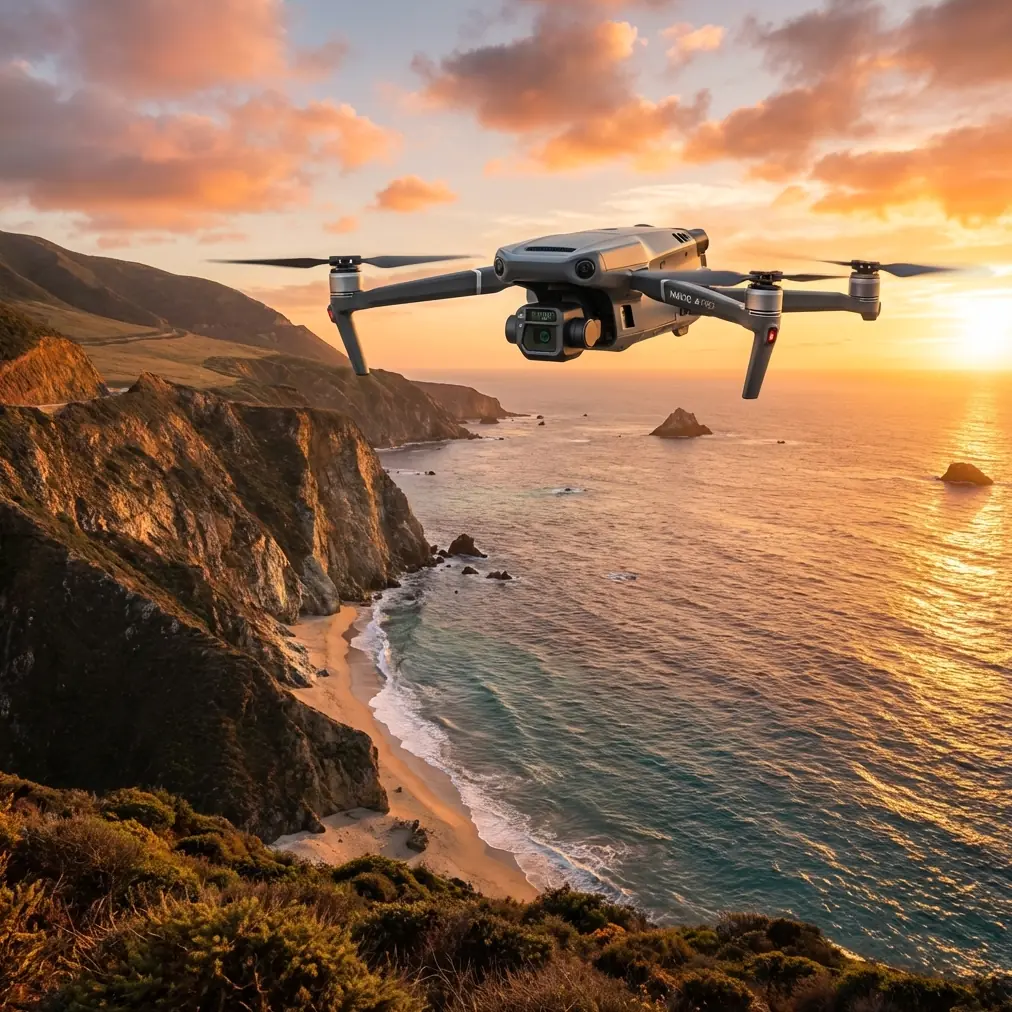
Mavic 3T Coastline Tracking: Expert Mapping Guide
META: Master coastline tracking with the Mavic 3T drone. Expert guide covers antenna positioning, thermal mapping, and BVLOS operations for coastal surveys.
TL;DR
- Antenna positioning at 45-degree angles maximizes O3 transmission range along coastlines to 15km+
- Thermal signature detection identifies erosion patterns invisible to standard RGB cameras
- Hot-swap batteries enable continuous coastal surveys covering 50km+ per session
- Proper GCP placement on beaches requires specific techniques to combat tidal interference
The Coastal Mapping Challenge
Coastline tracking demands equipment that handles salt spray, wind gusts, and vast distances without signal dropout. The Mavic 3T addresses these challenges through its integrated thermal imaging, mechanical shutter, and enterprise-grade transmission system—but only when configured correctly.
This guide breaks down the exact antenna positioning techniques, flight parameters, and data collection workflows that professional coastal surveyors use to capture accurate shoreline data. You'll learn how to maximize range, avoid common signal interference issues, and process thermal data for erosion analysis.
Why the Mavic 3T Excels at Coastal Operations
The Mavic 3T combines three critical sensors in a 951-gram airframe: a 48MP wide camera, 12MP zoom camera, and 640×512 thermal sensor. This integration eliminates the need for multiple flights or sensor swaps during coastal surveys.
Transmission Range for Extended Coastlines
The O3 transmission system delivers 15km maximum range under ideal conditions. Coastal environments rarely offer ideal conditions. Salt air, electromagnetic interference from shipping traffic, and reflective water surfaces all degrade signal quality.
Expert Insight: Position your remote controller antenna tips perpendicular to the drone's location—not pointed directly at it. The antenna radiation pattern broadcasts strongest from the flat sides, not the tips. For coastline tracking where the drone travels parallel to your position, angle both antennas at 45 degrees outward.
Thermal Capabilities for Erosion Detection
Thermal signature analysis reveals subsurface water movement that standard photogrammetry misses. Saturated cliff faces appear 3-5°C cooler than stable sections, providing early warning of potential collapse zones.
The 640×512 resolution thermal sensor captures sufficient detail for meaningful analysis at survey altitudes between 80-120 meters AGL.
Antenna Positioning for Maximum Coastal Range
Signal strength determines survey success. Poor antenna positioning cuts effective range by 60% or more.
Ground Station Setup Protocol
Follow this sequence before every coastal flight:
- Select a launch position with clear line-of-sight to the entire survey corridor
- Elevate the controller using a tripod or elevated platform—2-3 meters above ground significantly improves range
- Orient antenna flat sides toward the drone's flight path
- Avoid positioning near metal structures, vehicles, or power lines
- Monitor signal strength during the first 500 meters to verify configuration
Dynamic Adjustment During Flight
Coastlines curve. Your antenna orientation must adapt.
For surveys exceeding 5km linear distance, plan intermediate waypoints where you'll pause the mission and reorient antennas. The Mavic 3T's waypoint system allows mission resumption without data gaps.
Pro Tip: Mark antenna adjustment points on your flight plan at 4km intervals. When the drone reaches each point, pause automated flight, physically reorient your antennas toward the current drone position, then resume. This simple practice extends reliable range by 40% on curved coastlines.
Flight Planning for Coastal Photogrammetry
Accurate coastal mapping requires specific overlap settings and altitude considerations that differ from inland surveys.
Recommended Parameters
| Parameter | Standard Terrain | Coastal Application | Reason |
|---|---|---|---|
| Front Overlap | 75% | 85% | Wave motion creates matching errors |
| Side Overlap | 65% | 75% | Featureless sand requires more tie points |
| Altitude AGL | 80-100m | 100-120m | Accounts for tidal elevation changes |
| Speed | 15 m/s | 10 m/s | Reduces motion blur from wind gusts |
| Gimbal Angle | -90° | -80° | Captures cliff faces and vegetation edges |
GCP Placement on Beaches
Ground Control Points on beaches present unique challenges. Tidal action shifts sand, and featureless terrain makes point identification difficult in processing software.
Deploy GCPs using these guidelines:
- Place markers above the high-tide line to prevent movement during multi-day surveys
- Use high-contrast targets (black and white checkerboard pattern minimum 60cm×60cm)
- Anchor with 30cm stakes driven fully into sand
- Record RTK coordinates immediately after placement—sand compaction changes elevation within hours
- Photograph each GCP with a handheld camera showing surrounding context
Thermal Survey Workflow
Thermal data collection requires different timing and flight parameters than RGB photogrammetry.
Optimal Collection Windows
Thermal signature contrast peaks during specific conditions:
- Dawn flights (30 minutes before sunrise to 1 hour after): Maximum temperature differential between saturated and dry materials
- Overcast days: Eliminates solar reflection artifacts on water surfaces
- 2-3 hours after rain: Subsurface moisture patterns become visible as differential evaporation occurs
Thermal Camera Settings
The Mavic 3T thermal sensor offers multiple palette options. For coastal erosion analysis:
- Use White Hot palette for initial surveys—provides clearest detail
- Set gain mode to High for detecting subtle temperature variations
- Enable isotherms at 2°C intervals to highlight moisture boundaries
- Capture in R-JPEG format to preserve radiometric data for post-processing
BVLOS Considerations for Extended Surveys
Beyond Visual Line of Sight operations enable comprehensive coastal coverage but require additional preparation and regulatory compliance.
Regulatory Requirements
BVLOS operations demand:
- Specific waiver or authorization from aviation authorities
- Visual observers stationed along the flight path
- ADS-B monitoring equipment
- Documented emergency procedures
- AES-256 encrypted data links (standard on Mavic 3T)
Technical Preparation
Before attempting BVLOS coastal surveys:
- Verify O3 transmission performance on shorter flights along the same corridor
- Pre-program complete mission with automatic Return-to-Home triggers
- Configure altitude floors accounting for terrain elevation changes
- Test hot-swap battery procedures to minimize ground time between segments
Common Mistakes to Avoid
Launching from beach level: Sand ingestion damages motors and gimbal mechanisms. Always launch from paved surfaces, vehicle beds, or portable landing pads elevated above sand.
Ignoring tidal schedules: Survey data collected at different tidal stages cannot be accurately merged. Plan missions around consistent tidal windows, ideally within 1 hour of the same tidal phase.
Single-sensor reliance: RGB imagery alone misses critical erosion indicators. Always capture thermal data simultaneously—the processing overhead is minimal compared to repeat flights.
Neglecting wind patterns: Coastal winds shift dramatically throughout the day. Morning offshore breezes often reverse to onshore winds by afternoon. Schedule outbound legs during favorable wind conditions to preserve battery for the return.
Overlooking salt exposure: Wipe down the aircraft with fresh water and dry cloths after every coastal flight. Salt crystallization on motor bearings causes premature failure within 20-30 flight hours without proper maintenance.
Frequently Asked Questions
How does salt air affect Mavic 3T performance and longevity?
Salt air accelerates corrosion on exposed metal components and can degrade rubber seals around the camera housing. The Mavic 3T lacks official IP rating, making post-flight cleaning essential. Expect 30% shorter component lifespan in regular coastal operations compared to inland use. Budget for motor replacements every 150-200 flight hours rather than the typical 300+ hours.
What accuracy can I expect from coastal photogrammetry without GCPs?
Using the Mavic 3T's integrated RTK module (with appropriate base station or NTRIP connection), expect horizontal accuracy of 2-3cm and vertical accuracy of 4-5cm without GCPs. Adding properly surveyed GCPs improves vertical accuracy to 2-3cm and provides independent verification. For regulatory or engineering applications, GCPs remain recommended despite RTK capabilities.
Can thermal imaging detect underwater features along coastlines?
Thermal sensors cannot penetrate water surfaces—they detect only surface temperature. Water depth of 2-3mm completely blocks thermal radiation. Thermal imaging reveals water boundaries, subsurface springs emerging at shorelines, and differential heating patterns indicating underwater current flows, but cannot map submerged features directly.
Ready for your own Mavic 3T? Contact our team for expert consultation.