
Tracking Construction Sites in Windy Conditions With the Mav
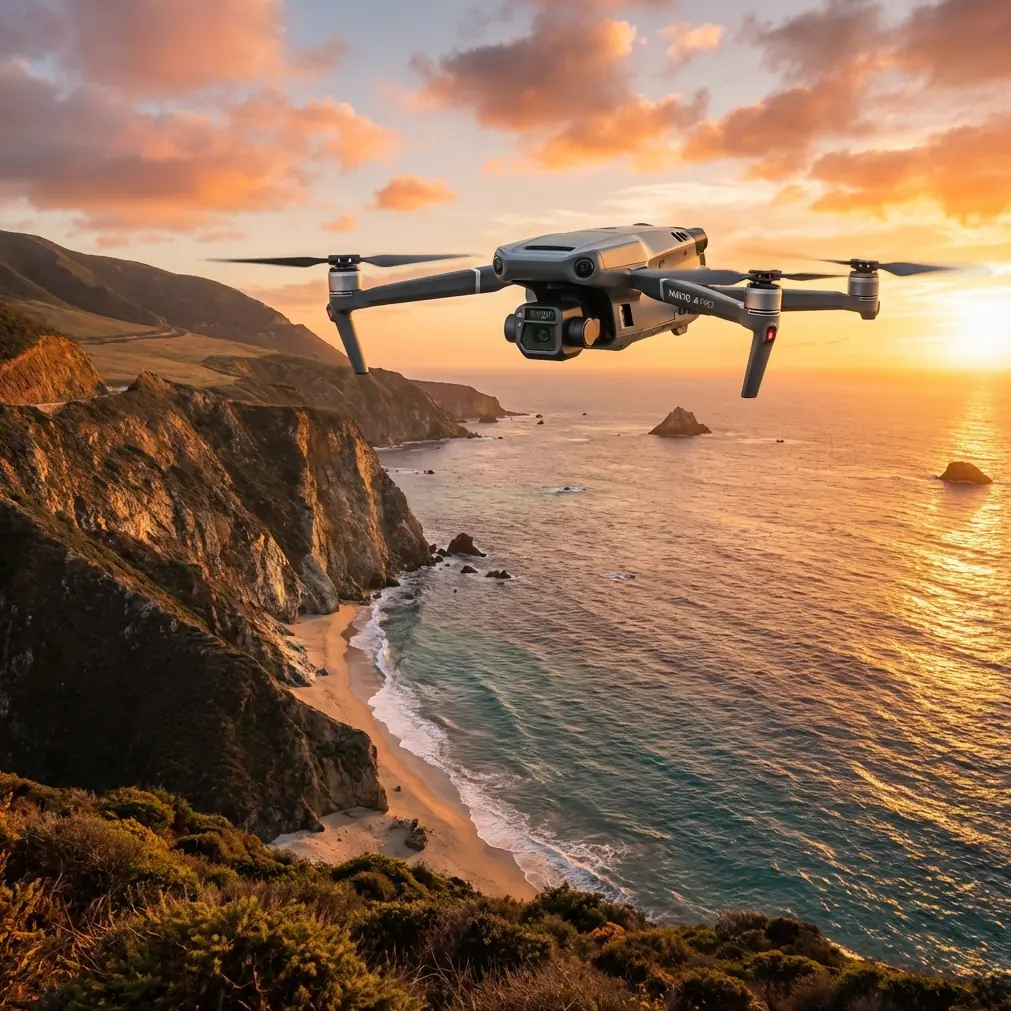
Tracking Construction Sites in Windy Conditions With the Mavic 3T
META: Expert field tips for using the DJI Mavic 3T on windy construction sites, including thermal checks, O3 transmission stability, EMI antenna positioning, GCP planning, and safer repeatable mapping workflows.
Wind changes everything on a construction site. It changes how dust moves, how tower cranes behave, how loose materials migrate, and how a drone pilot has to think. If you are using a DJI Mavic 3T to monitor site progress, inspect rooflines, check stockpiles, or verify perimeter activity, wind is rarely the only problem. The harder issue is wind combined with a messy radio environment: steel framing, temporary power systems, generators, site trailers, telecom hardware, and reflective surfaces that can destabilize signal quality right when you need a clean pass.
That is where the Mavic 3T earns its place. Not because it ignores bad conditions, but because it gives experienced operators enough sensing, transmission stability, and imaging flexibility to keep producing usable data when the site is less than cooperative.
From my perspective in field operations, the real value of the Mavic 3T on construction projects is not just that it carries a thermal sensor alongside a visual camera. It is that the aircraft can document a dynamic site in multiple ways during a single deployment, then repeat that process with enough consistency to make weekly comparisons meaningful. For a site manager tracking schedule drift, moisture intrusion, equipment placement, or after-hours heat anomalies, that matters more than flashy specifications.
The actual problem on windy job sites
A windy construction site creates three operational headaches at once.
First, the aircraft has to hold a predictable line for visual documentation. That is critical if you are comparing facade progress, slab staging, temporary access roads, or roof membrane installation over time. Even small yaw corrections or lateral drift can reduce the quality of side-by-side comparisons.
Second, wind affects thermal interpretation. A thermal signature is never just “heat equals problem.” Wind can cool surfaces unevenly, disperse exhaust plumes, and alter how quickly materials shed heat after sun exposure. On a site with exposed steel, HVAC staging, generators, and partially enclosed structures, the thermal image can be useful or misleading depending on timing and flight planning.
Third, radio frequency noise can become the hidden failure point. Many pilots blame wind when the real issue is electromagnetic interference. You may see unstable downlink behavior near temporary power distribution, reinforced concrete cores, high-voltage runs, or steel-dense staging zones. If the transmission link is being compromised, your ability to maintain precise framing and safe situational awareness drops fast.
The Mavic 3T is well suited to this environment because it combines a thermal payload, a wide visual camera, zoom capability, and DJI’s O3 transmission system in a compact platform. Operationally, that means you can perform a thermal sweep for abnormal heat, pivot to visual documentation, then use zoom to validate a suspect detail without repositioning too aggressively in turbulent air. That reduces unnecessary movements and helps preserve battery for the parts of the mission that really need stable station-keeping.
Why O3 transmission matters more than many site teams realize
On paper, O3 transmission sounds like a feature sheet item. On a construction site, it is mission continuity.
When wind is pushing the aircraft and the environment is producing interference, you need a downlink that remains readable enough for accurate decision-making. That does not mean transmission quality can override physics, but it does mean you have a better chance of preserving visual confidence while working around obstacles and signal reflections. For construction tracking, this matters during oblique capture of building envelopes, crane coordination zones, and perimeter checks where signal paths can be partially blocked by structures going vertical.
I advise teams to treat transmission management as part of the flight plan, not an afterthought. If you are launching near site offices, power cabinets, or comms hardware, relocate the pilot station if possible before the mission begins. A short move on the ground often produces a much cleaner control environment than trying to compensate in the air.
Antenna adjustment is especially relevant when electromagnetic interference is present. The mistake I see often is pilots pointing antennas directly at the drone like a laser sight. With the Mavic 3T controller setup, you generally want the broadside of the antennas oriented toward the aircraft, not the tips. On a noisy site, small antenna angle corrections can noticeably improve link stability. If the signal starts fluctuating near a steel frame or close to energized infrastructure, do not just climb and hope. Pause, reorient your body position, adjust the controller angle, and restore the best possible line of sight. That simple habit often solves what less experienced operators misread as a drone performance issue.
Windy mapping is not the same as windy inspection
Construction teams often try to combine progress mapping and ad hoc inspection in one casual flight. The Mavic 3T can do both, but the workflow should be deliberate.
For photogrammetry, repeatability matters more than improvisation. If the wind is gusting, increase your overlap margins and be realistic about altitude. A slightly higher overlap can rescue a data set that would otherwise become inconsistent due to drift and changing perspective. Ground control points, or GCPs, become even more valuable in these conditions because they anchor your deliverables to real-world coordinates rather than relying entirely on onboard positioning consistency.
That is the operational significance of GCPs here: they reduce the downstream cost of a messy capture day. If wind introduces small variations in the flight path, well-placed GCPs help maintain survey confidence and make comparisons between site phases more dependable. For earthworks, utility trench progress, laydown area measurement, and haul road evolution, this is the difference between “close enough for a slide deck” and “credible enough to support field decisions.”
Inspection flights are different. They benefit from flexibility. If you are checking curtain wall staging, rooftop penetrations, or heat leakage around temporary enclosures, you may need to work slower, use the zoom camera strategically, and revisit the same angle after a gust subsides. The Mavic 3T handles this mixed mission profile well because it lets you shift from wide-area context to detail verification without swapping airframes.
Thermal on construction sites: use it for patterns, not magic
The thermal sensor is one of the reasons the Mavic 3T is so useful around active builds, but it works best when expectations are disciplined.
Thermal imagery can reveal electrical hotspots in temporary installations, identify water intrusion patterns under some surface conditions, show heat loss from temporary weatherproofing, and help distinguish recently active equipment from idle assets. On a large site, that can sharpen security checks and maintenance triage. But wind influences all of it. A strong crosswind may cool one face of a structure more quickly than another, while direct solar loading earlier in the day may linger in dense materials long after the sun has shifted.
That is why I recommend using thermal as a comparative tool. Fly similar routes at similar times when possible. Watch for recurring anomalies rather than reacting to a single bright spot. If one temporary power panel consistently appears hotter than adjacent equipment under comparable conditions, that is actionable. If a roof section repeatedly shows unusual cooling or heating compared with surrounding zones, it deserves follow-up. The Mavic 3T does not replace a qualified onsite inspection, but it helps you decide where to send people first.
For site tracking in wind, thermal also has a practical edge after daylight softens. Dust, glare, and clutter may reduce how quickly a visual scan yields answers. Thermal can cut through some of that noise and help teams prioritize checks before conditions worsen.
Battery planning is not just about endurance
Wind punishes poor energy management. A return leg into a headwind can look very different from the outbound portion of the same mission. That is why hot-swap batteries matter operationally, even if the Mavic 3T itself is not a heavy enterprise platform with tool-free payload changes and larger battery systems typical of bigger aircraft categories.
In real site workflows, the benefit is about continuity. Teams with a disciplined charging rotation can land, swap to a fresh pack, verify mission settings, and relaunch quickly enough to preserve lighting consistency and jobsite timing. That is especially useful when you are documenting crane lifts, concrete pours, or weather-sensitive installation windows. The faster the turnaround, the more coherent your data set becomes.
My rule is simple: in windy conditions, never plan your sortie around ideal battery math. Plan around the ugliest likely return leg. If the site includes tall structures or channeling wind between partially completed buildings, keep wider reserves than you would on an open field. The Mavic 3T is compact, but compact should never be confused with disposable margin.
Security and compliance are part of the story
Construction documentation often includes sensitive details: access routes, staging practices, asset locations, roof penetrations, MEP progress, and sometimes adjacent critical infrastructure. That is where secure transmission and data governance stop being abstract. AES-256 matters because site imagery is not just “drone footage.” It can become operational intelligence.
For firms managing high-profile builds, logistics hubs, utilities, or public projects, encrypted handling of aerial data is a genuine planning requirement. The Mavic 3T fits well into that conversation because it supports a more professional operating posture than consumer-only workflows. That does not remove the need for internal policy, but it gives project stakeholders a better base for discussing risk.
The same goes for BVLOS as a strategic concept. Most construction missions with the Mavic 3T are still conducted within the applicable visual and regulatory framework, but many contractors are clearly thinking ahead. As sites expand in scale and documentation expectations increase, teams want workflows that can mature into more advanced operational models when approvals, safety cases, and regulations allow. The Mavic 3T often serves as a bridge platform for organizations building that discipline now.
A practical windy-site workflow for the Mavic 3T
If I were advising a superintendent or drone lead on a difficult day, I would keep the process tight.
Start with the launch point. Choose an area with clean line of sight and as much separation from generators, power distribution boxes, and steel clutter as the site allows. Before liftoff, confirm your controller antenna orientation and think about where signal reflections are most likely to appear once the aircraft moves behind structural elements.
Then separate the mission into layers. Capture the repeatable wide-area progress imagery first while battery state is strongest and your operator focus is fresh. If you are building maps or orthomosaics, use GCPs and maintain disciplined overlap. After the baseline capture is complete, switch to inspection objectives: facade details, roof edges, thermal checks, stockpile verification, and any anomaly investigation.
When thermal is part of the plan, log environmental context. Note wind direction, recent sun exposure, active machinery nearby, and time of day. A thermal image without context is just color. A thermal image tied to conditions becomes evidence.
If signal quality degrades in a known EMI zone, do not force the route. Reposition, adjust antenna alignment, and re-approach from a cleaner geometry. On complex sites, a better pilot location can outperform a more aggressive flight path.
Finally, build repeatability into the human side. Use the same launch area when feasible, the same general camera angles, similar mission timing, and consistent naming conventions for deliverables. The Mavic 3T becomes much more valuable when the site team can compare this week’s data with last month’s without guessing what changed in the capture method.
If your team is refining procedures for wind, interference, or thermal site checks, share your scenario here: message our flight operations desk.
Where the Mavic 3T stands out for construction tracking
The Mavic 3T is not the answer to every construction aviation problem. It is, however, unusually capable for a team that needs mobility, quick setup, and more than one sensing mode in the same aircraft. That combination is why it keeps showing up in serious field workflows.
Its operational strength on windy sites is not simply flight performance. It is the way several capabilities reinforce one another. O3 transmission supports better live awareness in cluttered environments. Thermal imaging helps isolate anomalies that visual capture alone might miss. Zoom reduces unnecessary repositioning in turbulence. AES-256 supports a stronger security posture. GCP-backed photogrammetry improves trust in repeat mapping outputs.
Those are not isolated features. They stack.
For a construction team tracking progress in difficult weather, the best drone is not the one with the most impressive brochure language. It is the one that still gives you usable, defensible information when the site is noisy, the wind is pushing, and decisions cannot wait for perfect conditions. In that role, the Mavic 3T remains one of the most practical aircraft in the field.
Ready for your own Mavic 3T? Contact our team for expert consultation.