
Mavic 3T in Remote Construction Tracking
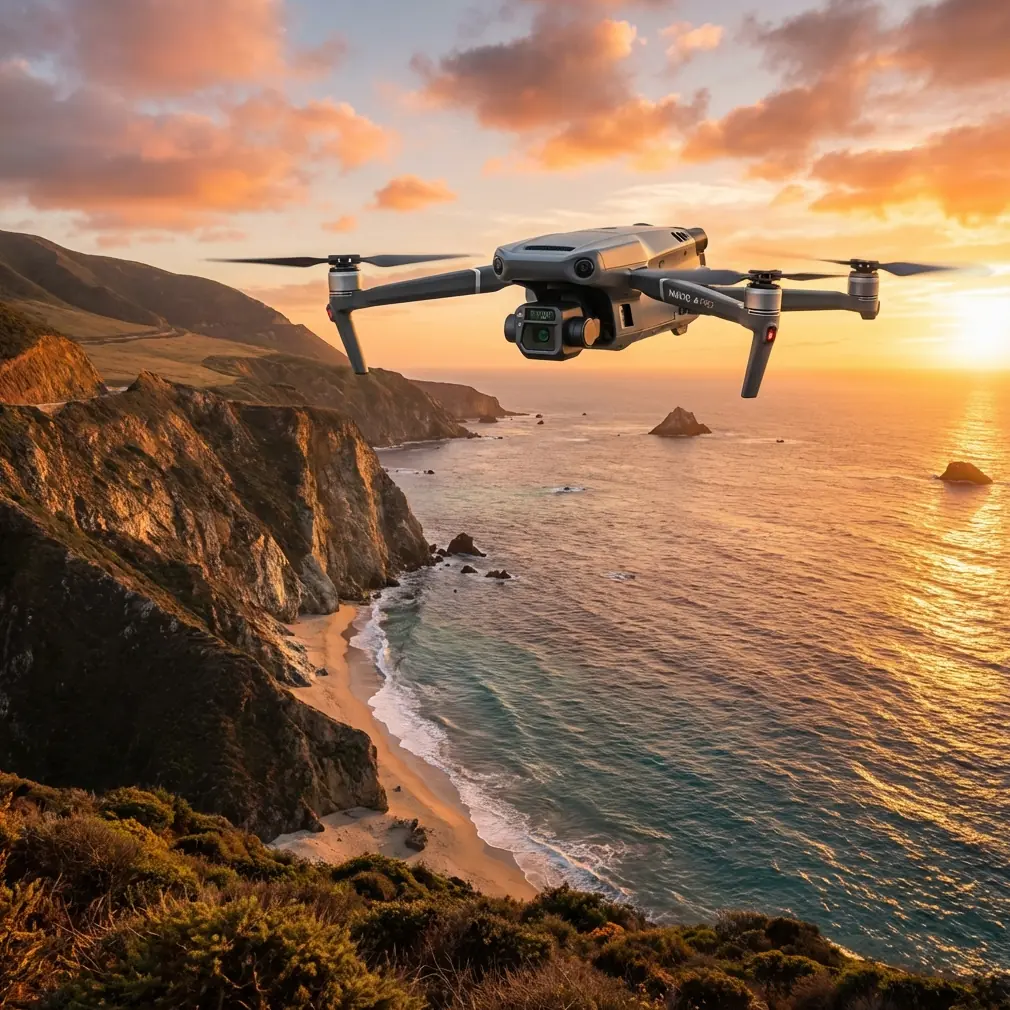
Mavic 3T in Remote Construction Tracking: A Field Report from the Power-and-Hardware Side
META: Expert field report on using the Mavic 3T for remote construction site tracking, with practical insights on thermal signature work, transmission reliability, power planning, and hardware standards.
Remote construction tracking looks simple on a brochure. Fly out, collect imagery, compare progress, send a report. In the field, it rarely stays that neat.
The hard part is not getting pictures. It is getting repeatable, trustworthy data from a site that may be dusty, partially energized, spread across uneven terrain, and far enough from the office that every missed flight costs time. That is where the Mavic 3T starts to separate itself from lighter-duty options. Not because it does one flashy thing, but because it handles the chain of practical problems better than many people expect.
I have been looking at the Mavic 3T through a construction-tracking lens, especially for remote projects where site managers care about three things above all: progress evidence, thermal exceptions, and operational continuity. The interesting part is that two old-school aircraft design references—one focused on threaded standards, the other on electrical system design—actually sharpen how we should think about this drone in real work.
That sounds abstract. It is not.
Why remote site tracking exposes weak systems fast
A remote construction site is a stress test for any UAV workflow. You are often dealing with temporary power, equipment moving in and out, steel skeletons changing the RF environment, and a site plan that evolves weekly. If you are also trying to use thermal signature data to catch moisture intrusion, overloaded temporary electrical runs, or insulation gaps in completed sections, your workflow needs more than a stable hover.
You need consistency.
The Mavic 3T is strong here because it combines visible imaging and thermal capture in one aircraft, reducing the need to send multiple platforms into the same environment. That matters more than spec-sheet comparisons suggest. Every additional platform means another battery set, another transport case, another pilot setup, another calibration routine, and another point of failure when you are hours from base.
For a remote construction team, fewer moving parts usually means more actual output.
The overlooked lesson from aircraft electrical design
One of the reference documents discusses aircraft electrical system design and makes a point that deserves attention outside manned aviation: critical loads need resilient power architecture. In the source material, a failure case is addressed by automatically shifting essential loads to backup sources, and the text also notes that heating and lighting loads account for about 46% of total load in that aircraft example. Another line points out motor loads at roughly 39% of the total.
Those numbers come from a different class of aircraft, but the operating lesson translates cleanly to drone planning on remote jobsites.
Construction teams tend to treat drone batteries as a simple endurance question. How many minutes can we fly? That is too shallow. In real site-tracking missions, your power budget is tied to sensor use, ambient conditions, transmission stability, return margins, and time spent hovering for validation shots. Thermal work in changing weather can be especially deceptive because operators often linger to verify a hotspot, reframe a roof section, or check a cable tray from another angle.
The manned-aircraft reference reminds us that electrical planning is about prioritizing what must keep working when conditions are less than ideal. For the Mavic 3T, the practical version is this: your mission plan should treat imaging payload use, transmission link quality, and reserve power as essential loads, not optional extras.
That is one reason experienced operators build their day around battery rotation discipline and quick turnaround. If your team is managing a long inspection window, hot-swap batteries are not a convenience item in spirit, even if the exact mechanism differs from larger enterprise systems. They are part of mission continuity thinking: maintain workflow, protect reserves, avoid rushed decisions on low state of charge.
On remote construction sites, the best Mavic 3T operators I know do not chase maximum airtime. They protect clean data capture.
O3 transmission matters more on construction sites than open farmland
A lot of drone discussions flatten transmission into a distance claim. That misses the point.
On a remote construction site, link quality is rarely challenged by pure range alone. The problem is often partial obstructions, reflective structures, moving cranes, temporary buildings, rebar density, and changing operator position. This is where O3 transmission becomes operationally significant. The value is not just reaching far corners of a property. The value is maintaining a dependable live view and command link while the environment changes underneath the mission.
For progress tracking, that means fewer interrupted runs when you are following a predetermined photogrammetry path. For thermal review, it means you can slow down around suspected anomalies without feeling that the aircraft is slipping into a communication dead zone behind steel or concrete features.
Competitor platforms can look close on paper, but this is an area where the Mavic 3T often feels more composed in mixed site conditions. That composure matters because construction documentation is cumulative. If one weekly dataset is compromised by a broken run or inconsistent angle coverage, trend analysis gets weaker.
The best drone for site tracking is not the one that shines in a sterile test field. It is the one that still behaves well after lunch when the site is active, dusty, and full of reflective surfaces.
Thermal signature data is only useful if you can explain it
Thermal attracts attention quickly, sometimes too quickly. A bright hotspot in a panel, a cool patch on a roof, a temperature difference along a facade—these images look persuasive even before they are properly interpreted.
For construction tracking, the Mavic 3T’s thermal capability earns its keep when paired with context. A thermal signature alone rarely answers the jobsite question. Is the issue moisture, insulation discontinuity, HVAC leakage, temporary electrical stress, or simply sun loading? The aircraft helps because it lets teams cross-reference visible and thermal views without switching platforms and resetting the workflow.
That shortens the distance between detection and explanation.
This matters in remote projects where re-inspection is expensive. If a site superintendent receives a thermal image that suggests a concern but lacks visible confirmation and positional clarity, someone may need to revisit the area manually. If the same flight produces aligned visual evidence, the team can usually classify the issue faster and decide whether it belongs to the builder, electrical subcontractor, envelope contractor, or facilities team.
The Mavic 3T is especially effective when the thermal task is not treated as a standalone spectacle but as one layer in a disciplined inspection record.
Hardware standards still matter, even on a compact drone
The second reference point comes from a standards manual discussing imperial threads. At first glance that seems unrelated to a modern UAV mission. It is not.
Construction tracking in remote areas is rough on equipment. Mounting interfaces, accessories, landing gear contact points, case hardware, field tools, and support fixtures all depend on fastening systems that survive transport vibration and repetitive handling. The broader lesson from any thread-standard reference is that consistent mechanical interfaces reduce avoidable field problems.
What does that mean for Mavic 3T operations?
It means your reliability is not just about the aircraft body. It is about the whole kit: tripod mounts for GCP gear, transport-case latches, antenna supports, tablet holders, charging station fittings, and any field accessories added to the workflow. Teams that ignore mechanical standardization usually discover the cost later through stripped threads, loose mounts, mismatched spares, and wasted setup time.
In remote construction work, the “small hardware” layer is one of the first places operational quality breaks down. If you are running repeated missions each week, standardization is not administrative fussiness. It is uptime.
That thread-reference detail may seem minor, but it points to something larger: aircraft workflows become dependable when both electrical discipline and mechanical discipline are respected. The Mavic 3T benefits from that kind of professional handling because it is capable enough that the bottleneck usually shifts to the operator’s system, not the aircraft.
Photogrammetry with the Mavic 3T: use the right expectations
Some teams buy the Mavic 3T expecting it to replace a dedicated mapping-first platform in every scenario. That is not the right framing. It can support photogrammetry workflows for progress records, stockpile visibility, access-road documentation, and broad site condition mapping, but the real strength is multi-layer documentation rather than single-purpose map production.
If you are capturing repeatable progress datasets, good GCP practice still matters. Ground control points remain the difference between “useful overview” and “defensible record,” especially when stakeholders are comparing weekly earthworks movement, pad preparation, drainage alignment, or structural sequencing. A drone can fly the same mission plan each time, but without field control discipline your comparisons can drift more than people realize.
This is another place where the Mavic 3T often beats less integrated alternatives in real-world productivity. You can collect a progress dataset, then pivot during the same sortie or same deployment window to inspect a warm transformer cabinet, a roof section, or a utility trench with thermal context. Competing systems may force a choice between mapping efficiency and inspection flexibility. The Mavic 3T is valuable because construction sites rarely present only one question per visit.
Data security is not a side issue on private projects
Remote construction work can involve sensitive commercial information: site logistics, utility layouts, expansion schedules, and proprietary process equipment. If you are documenting active industrial construction, clients increasingly ask how imagery and telemetry are handled.
That is where AES-256 enters the conversation. Not as a marketing bullet, but as a practical assurance that data protection has been considered in the workflow. For owners, EPC firms, and infrastructure contractors, secure transmission and secure handling practices can affect whether drone adoption scales beyond occasional flights.
This also affects handoffs. If project managers, consultants, and remote stakeholders need access to results, a secure workflow gives the drone program a better chance of becoming part of the normal reporting structure rather than an isolated technical experiment.
What about BVLOS?
Everyone likes to talk about BVLOS, but for construction tracking the smarter question is whether your workflow truly needs it. On many remote sites, disciplined visual-line operations with strong mission planning already cover the area efficiently. On very large corridors or dispersed facilities, BVLOS may become relevant, but only within the appropriate civil regulatory framework and operating approvals.
The Mavic 3T fits nicely into that progression. It is capable enough to support ambitious inspection planning, yet compact enough to stay practical for routine weekly deployment. That balance is one reason it has become so attractive for construction and industrial teams that need repeatability without bringing a full heavy enterprise stack to every visit.
How I would deploy the Mavic 3T on a remote construction site
My preferred sequence is simple.
First, establish a repeatable visible-light progress route, ideally tied to GCP-backed checkpoints if the site demands measurable comparison. Second, reserve battery and flight time for exception-based thermal work rather than trying to thermal-scan every square meter every time. Third, log transmission behavior by area. If a steel-heavy corner consistently degrades link confidence, adjust pilot position before the next visit rather than blaming the aircraft after the fact.
Fourth, keep your kit standardized. That includes accessories, chargers, spares, mounts, and field tools. The old thread-standard lesson applies here more than many drone teams realize.
Fifth, treat power planning seriously. The electrical-system reference was built around resilient load thinking, and that same mindset improves drone results. Protect your mission-critical functions. Do not fly your reserves away chasing one more angle.
If you are building a workflow around remote site reporting and need a practical setup discussion, this is a good place to message a field specialist directly.
Why the Mavic 3T stands out
The Mavic 3T excels because it is balanced.
It gives construction teams thermal signature capability without forcing a separate aircraft into the truck. It supports progress documentation without becoming awkward to deploy weekly. Its O3 transmission performance is genuinely useful in structurally messy environments. Its security features help it fit better into professional reporting chains. And when handled with proper power discipline and hardware standardization, it performs like part of a system rather than a gadget.
That last point is the one many buyers miss.
The references behind this article came from aircraft design material on electrical architecture and hardware standards. Neither source mentions the Mavic 3T, yet both clarify why this drone works so well on remote construction jobs. Reliable field results come from respecting power continuity, protecting essential functions, and eliminating preventable mechanical sloppiness. The Mavic 3T rewards teams that operate that way.
If your goal is pretty aerial footage, many drones can help.
If your goal is dependable, repeatable construction intelligence from a remote site, the Mavic 3T is one of the strongest fits in its class.
Ready for your own Mavic 3T? Contact our team for expert consultation.