
Mavic 3T on Construction Sites in Extreme Temperatures
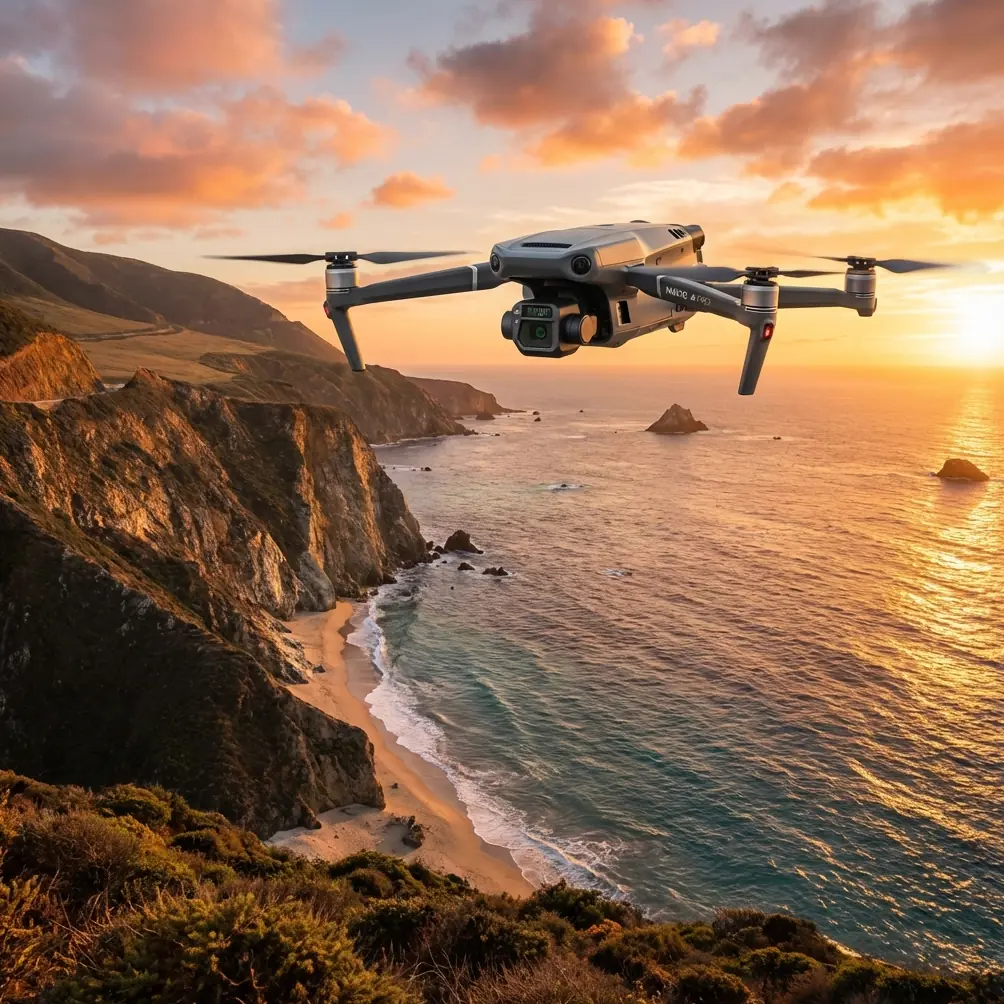
Mavic 3T on Construction Sites in Extreme Temperatures: A Field Report on What Actually Matters
META: A field-driven Mavic 3T article for construction monitoring in extreme heat and cold, covering thermal signature use, battery discipline, transmission reliability, and why aerospace-grade bonding and screening principles matter in real operations.
I’m Dr. Lisa Wang, and when teams ask whether the Mavic 3T is suitable for tracking construction sites through heat waves, cold mornings, and long inspection days, I usually answer with another question: are you evaluating the aircraft, or the system around it?
That distinction matters.
On paper, the Mavic 3T is easy to summarize. It combines visible imaging with thermal capability, it supports stable digital transmission, and it fits into a workflow that can move from progress tracking to hotspot detection without changing airframes. But on real construction sites, especially in extreme temperatures, the drone’s usefulness depends on something less glamorous than specs. It depends on structural stability, screening discipline, and battery habits that keep small problems from becoming field failures.
That may sound like an aerospace engineer’s answer. It is. And it’s the right lens for this aircraft.
Why extreme-temperature construction work exposes the truth about a drone program
Construction sites are not sterile test environments. Dust, reflective surfaces, steel members, concrete heat soak, cold starts, wind funnels between partially completed structures, and hurried launch routines all combine into one thing: variability.
The Mavic 3T earns its place here because it does more than one job at once. A single flight can document progress for stakeholders, verify insulation or roof anomalies through thermal signature changes, check temporary electrical installations, and support photogrammetry planning where repeatable geometry matters. If you’re working with GCP-supported mapping, that flexibility is especially useful. You may not use the thermal payload for every mapping mission, but having it on the same platform changes how quickly you can pivot when a superintendent says, “Can you also check that heated curing zone before you land?”
In extreme temperatures, though, the mission is no longer just about collecting data. It becomes a test of process maturity.
The hidden lesson from aircraft design: material behavior matters more in temperature swings
One of the most useful reference points for understanding drone reliability in harsh conditions comes from aircraft structural design, not from marketing literature. In the aircraft design handbook material provided, there is a very specific warning about bonding dissimilar materials: when two different materials such as aluminum and another metal have significantly different linear expansion coefficients, heating and pressure during curing can create deformation that cannot be corrected later. The recommendation is to use lower-temperature or room-temperature curing adhesives.
That is not a trivial detail from an unrelated discipline. It gets to the heart of why drones used on construction sites in hot and cold weather must be judged by how well their structure tolerates expansion, contraction, vibration, and cyclic stress.
Why does that matter for a Mavic 3T operator?
Because every temperature swing on site is also a mechanical event. An aircraft sitting in a cold vehicle, then launched into sunlight above a dark membrane roof, is not just changing battery temperature. Its materials, bonded sections, fasteners, seals, and sensor housings are all moving microscopically. When the reference text says structural adhesive durability must exceed the intended service life of the structure, and that the adhesive must maintain performance under temperature, humidity, medium, and load, it describes the same reliability logic serious drone operators should care about.
For Mavic 3T missions, this translates into a practical decision: if you track construction progress in extreme temperatures week after week, you should favor disciplined fleet maintenance over ad hoc flying. The aircraft may be compact, but the failure modes are not “consumer.” Repeated thermal cycling can expose weaknesses in assembly, seals, or mechanical interfaces long before they become obvious in normal-weather flights.
Thermal data is only useful if the airframe is stable and the workflow is repeatable
The appeal of the Mavic 3T for construction work is obvious. Thermal signature data can reveal uneven curing, heat loss, overloaded temporary power equipment, standing water effects on temperature patterns, and rooftop anomalies that a visible camera may miss. Yet thermal imagery becomes less trustworthy when your workflow changes from day to day.
Aerospace reliability testing offers another useful lesson here. The second source notes that environmental stress screening tends to reveal defects with strong process characteristics. In plain terms, many failures are not random. They come from poor assembly connections, incorrect fastening, or weak process control. Vibration often exposes mechanical defects, while temperature cycling can uncover performance drift, sealing failures, and contamination.
That is very close to what I see in the field with drone teams on construction projects.
When operators blame “bad weather” for inconsistent results, the real issue is often one of four things:
- Batteries introduced to flight too cold or too hot
- Inconsistent preflight warm-up and sensor stabilization
- Rushed handling that causes connection wear or contamination
- Repeat mission planning that is too loose for comparison-quality data
The Mavic 3T can absolutely support trend monitoring across a site, but only if you treat each sortie as part of a controlled sequence. For thermal comparisons, consistency beats improvisation. Similar launch timing, similar altitude, similar viewing geometry, and similar battery state all help prevent false interpretation.
My field battery rule for the Mavic 3T in heat and cold
Here is the battery management tip I give most often, because it solves more construction-site problems than any accessory purchase.
Do not start your most important thermal or mapping leg on the first battery out of the case when the ambient temperature is extreme. Use your first pack to establish the aircraft, verify link quality, confirm thermal behavior, and let the system settle. Use your second pack for the mission segment that stakeholders will actually compare later.
That habit costs almost nothing, and it pays back constantly.
Why? Because extreme temperatures distort operator confidence. In cold weather, teams are tempted to launch quickly before hands go numb or site access changes. In hot weather, they rush to avoid mid-day glare or crew congestion. The result is often a mission started with a pack that has not stabilized in real use conditions.
The reliability reference supplied includes a useful concept: if a product fails during environmental stress, the screening process should capture the conditions, and repair practices must avoid introducing new defects. That same logic applies operationally to batteries and field handling. If a battery behaves oddly under temperature stress, don’t treat it as a one-off mystery and put it back into routine rotation. Log it. Separate it. Recheck under controlled conditions. A weak pack that survives one flight can still inject inconsistency into image alignment, hover behavior, return margin, and thermal timing.
On larger sites, I also recommend rotating packs in a sheltered sequence rather than leaving all of them exposed in an open vehicle or direct sun. If your team already relies on hot-swap batteries elsewhere in the fleet, don’t let that mindset make you casual with the Mavic 3T’s pack conditioning. “Fast turnaround” and “good battery discipline” are not the same thing.
O3 transmission reliability is operational, not just convenient
Construction readers often focus on the camera payload and forget the link. That’s a mistake.
A stable O3 transmission path is what allows the Mavic 3T to stay useful when the site is visually complex, thermally cluttered, and partially obstructed by structures or cranes. For progress tracking, transmission quality is not only about pilot comfort. It affects whether you can confidently verify framing, inspect target zones, and maintain repeatability on the fly.
In extreme temperatures, operators also spend more time managing themselves. Cold reduces dexterity. Heat reduces patience. Both increase the chance of a poor decision if the downlink becomes unreliable. A robust transmission workflow reduces rework, and rework is what drains batteries, compresses safety margins, and introduces inconsistency into multi-date comparisons.
If your client demands controlled data handling, the relevance of AES-256 should also be viewed practically. Secure transmission and storage practices are not abstract IT talking points on active construction projects. Site imagery can reveal proprietary staging methods, infrastructure details, tenant improvements, or schedule-sensitive work. When a team is building a disciplined Mavic 3T program, secure data movement is part of operational quality, right alongside flight logs and battery records.
Photogrammetry with a thermal-capable platform: where teams get it right and wrong
A lot of site teams want one aircraft to cover both inspection and mapping. The Mavic 3T can sit in that role, but expectations need to be realistic.
If the goal is photogrammetry-grade progress documentation, the workflow needs to be built around repeatability. That means fixed mission templates, consistent overlap planning, and, where accuracy requirements justify it, GCP use to tighten the spatial framework. The thermal payload does not replace survey discipline. What it does is add context. When a mapped area also shows a thermal anomaly, you can attach that finding to a known location in the broader site record.
The mistake I see most often is letting the convenience of a compact thermal drone encourage loose capture habits. Operators collect inspection footage one day, mapping imagery the next, then expect the datasets to compare cleanly. They rarely do unless the mission architecture was designed for that from the start.
For teams building a serious construction-monitoring workflow, the Mavic 3T works best as a repeat-visit intelligence tool. It is less about one spectacular flight and more about building a coherent operational history.
Reliability culture matters more than heroic piloting
The reliability handbook excerpt includes a detail many drone teams should borrow directly: every fault during screening should be recorded with the fault phenomenon, the environmental stress condition, the time, and the corrective action, then fed into a formal failure reporting and corrective system. In the source, this is tied to FRACAS thinking. Drone teams do not need a huge aerospace bureaucracy to benefit from the same principle.
If you fly Mavic 3T units on construction sites in severe heat or cold, your records should capture at least:
- battery ID and ambient conditions
- preflight storage condition
- link anomalies
- sensor fogging or contamination observations
- thermal image irregularities
- post-flight structural or gimbal notes
- whether the issue repeated on another pack or another aircraft
This is where commercial UAV operations separate into two categories: teams that collect data, and teams that produce dependable information.
The first group can operate for months without noticing reliability drift. The second group catches patterns early.
That same handbook also notes that, in later production stages, design defects can fall below 5%, process defects below 30%, while component defects can exceed 60%. Whether or not those exact proportions map neatly onto drone operations is beside the point. The lesson is strong: once a platform is mature, many field issues do not come from broad design failure. They come from components, handling, maintenance discipline, and process variation. That is exactly how most Mavic 3T site programs succeed or fail.
A realistic operating model for extreme-temperature construction tracking
If I were setting up a Mavic 3T workflow for a contractor monitoring an exposed site through summer heat and winter cold, I would build around six rules:
First, standardize the launch sequence. Same setup order, same battery checks, same sensor verification.
Second, separate reconnaissance from record capture when temperature stress is severe. The first few minutes are not always the best data minutes.
Third, use thermal signature intentionally. Don’t ask it to answer questions that are really caused by changing angle, time of day, or reflective material behavior.
Fourth, maintain a fault log with enough detail to spot repeat temperature-related issues.
Fifth, if your site data has sensitivity concerns, enforce secure transfer practices from the start, not later.
Sixth, review the aircraft as a structural system, not just a flying camera. The aerospace bonding guidance about durability, low curing temperature preference for mismatched materials, and resistance to vibration and fatigue should remind every operator that long-term reliability is earned through materials and process, not assumed from a successful first month.
If your team is building this kind of workflow and wants to compare operating notes, you can message our field desk here.
The real value of the Mavic 3T on demanding job sites
The Mavic 3T is not compelling because it is small, or because it has thermal imaging, or because it can map a site. Plenty of readers already know those points.
Its real value on construction projects in extreme temperatures is that it can unify inspection, visual documentation, and repeatable monitoring inside one compact field system — provided the operator treats reliability as an engineering problem rather than a convenience feature.
That is the thread connecting the source material to real drone work. Structural adhesives must survive the full life and environment of the structure. New materials or methods should be tested thoroughly before trust is granted. Environmental stress reveals process defects, sealing issues, contamination, and assembly weaknesses. Good repair practice avoids introducing fresh faults. Accurate records turn isolated incidents into operational knowledge.
All of that applies to the Mavic 3T on a hot roof, a frozen slab, or a wind-exposed steel frame.
And once you start operating that way, the aircraft becomes more than a site camera. It becomes a dependable measurement tool.
Ready for your own Mavic 3T? Contact our team for expert consultation.