
Mavic 3T Tracking Tips for Mountain Construction Sites
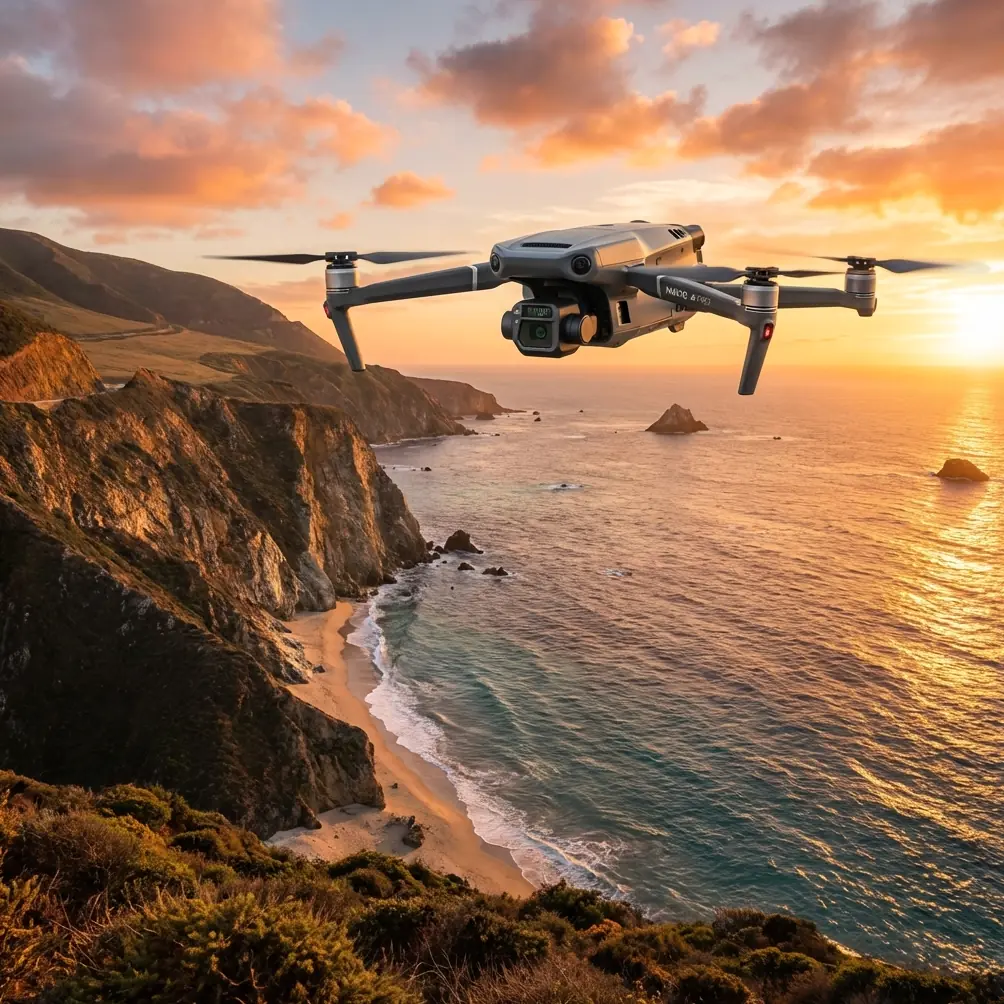
Mavic 3T Tracking Tips for Mountain Construction Sites: What Actually Matters in the Field
META: Expert technical review of Mavic 3T workflows for mountain construction tracking, including antenna positioning, thermal use, O3 transmission discipline, and system-level planning for safer, cleaner site intelligence.
Mountain construction work exposes every weakness in a drone program. Terrain blocks line of sight. Wind shifts around ridgelines. Dust, heat, and long travel times punish rushed equipment choices. And when the mission is progress tracking rather than cinematic footage, the standard question changes from “Can the drone fly here?” to “Can the data still be trusted after a full day on a difficult site?”
That is where the Mavic 3T becomes interesting.
I do not mean interesting because it is popular. I mean interesting because its value on a mountain project comes from how well its subsystems work together: visual imaging, thermal signature capture, transmission stability, battery workflow, and operator decision-making. If you treat it as a camera with propellers, you will leave performance on the table. If you treat it as a site intelligence platform, it starts to make much more sense.
Why mountain construction tracking is a systems problem
One of the most useful ideas from civil aircraft design is that even a local modification has to be judged from the viewpoint of the whole aircraft, not just the changed part. The source material puts this sharply: a first-level change often creates second- and third-level consequences, so evaluation has to stay “whole-aircraft” rather than isolated. That principle translates cleanly to Mavic 3T operations on mountain jobsites.
For example, a team may decide to add thermal flights to monitor temporary electrical equipment, curing patterns, water ingress, or slope drainage paths. On paper, that sounds like a simple sensor decision. In practice, it affects launch timing, battery allocation, file management, flight path repeatability, reporting standards, and how pilots position themselves relative to rock walls and moving machinery. A “small” operational change quickly becomes a chain of dependent changes.
That matters because mountain construction sites punish fragmented workflows. If your photogrammetry team, thermal operator, and site superintendent all define “progress tracking” differently, the Mavic 3T will produce plenty of images and very little operational clarity.
The better approach is to design the mission as one package from the start: what must be seen, what must be measured, what must be repeatable, and what constraints the terrain imposes on connectivity and pilot location.
The Mavic 3T’s real advantage on a mountain site
The Mavic 3T earns its place when the job requires both visual context and temperature-based interpretation in the same field session. On a road cut, retaining wall, tunnel portal, or mountain utility access route, thermal signature data can reveal things standard RGB capture misses: moisture migration, drainage concentration, overheated temporary systems, uneven compaction behavior at certain times of day, or insulation anomalies in temporary site structures.
But thermal alone is not enough. Construction clients still need conventional progress evidence they can compare over time. That is why the strongest Mavic 3T deployments combine three layers:
- Repeatable visual capture for schedule tracking
- Thermal inspection passes for exception detection
- Targeted mapping runs where photogrammetry is actually useful
This last point deserves honesty. In mountain environments, photogrammetry is powerful, but only when the geometry, overlap, lighting, and control setup support it. Throwing an automated mapping grid over steep, broken terrain without proper GCP placement or terrain awareness is how teams create attractive but unreliable models.
If your objective is cut-and-fill verification, haul road condition review, stockpile monitoring, or slope progression analysis, use ground control points strategically and keep them visible from multiple angles. On sloped sites, GCP distribution often matters more than quantity. You want control spread across elevation changes, not clustered on the easiest flat pad near the site office.
Transmission discipline beats brute-force range claims
A mountain is not an open plain. Range numbers mean very little if the operator is standing in the wrong place.
The contextual hint around O3 transmission is relevant here because mountain jobs reward disciplined radio positioning far more than casual flying does. The biggest mistake I see is pilots launching from a convenient vehicle pull-off while the actual work face sits behind a shoulder of terrain. They then blame the aircraft when the signal degrades.
Here is the field rule: pick your pilot position for radio geometry first, convenience second.
If you want maximum stability from the Mavic 3T in mountainous construction tracking:
- Stand where the aircraft’s expected working volume stays as clear of terrain shadow as possible.
- Avoid placing yourself directly below the operating area when a lateral offset would preserve better line-of-sight through the whole mission.
- If the site extends around a ridge, move before the aircraft needs that angle rather than trying to salvage the link once the terrain starts masking the signal.
- Keep the controller antennas oriented broadside toward the aircraft, not pointed at it like a finger. Many operators still get this wrong.
- Minimize your own local interference. Site cabins, steel containers, parked machinery, and temporary telecom equipment can all create a noisier RF environment than people expect.
If a team needs help setting up a repeatable mountain-site workflow, including pilot positioning and transmission discipline, I usually suggest they message a Mavic 3T workflow specialist here before they lock in SOPs that later have to be rewritten.
The reason antenna positioning deserves special attention is simple: transmission reliability is not just about maintaining video. It preserves inspection quality. If the downlink starts stuttering while you are trying to interpret a thermal anomaly on a slope bench or drainage line, the mission quality drops immediately. The same is true when the pilot rushes due to weak link warnings and skips the slow, deliberate scanning needed for useful thermal work.
Thermal signature work: timing matters more than many teams realize
Thermal data on construction sites is highly sensitive to timing. The Mavic 3T can show meaningful contrast, but mountain conditions can either sharpen or flatten what you are trying to see.
A few examples:
- Early morning can be better for identifying retained moisture or overnight thermal differences before direct solar loading contaminates the pattern.
- Late afternoon may help reveal heat persistence in certain materials, temporary electrical assets, or recently stressed mechanical systems.
- Midday sun on rock faces can make interpretation messy, especially on south-facing slopes.
This is why thermal should not be treated as an afterthought added onto the end of a visual progress flight. Build separate passes with a clear objective. Ask what thermal problem you are trying to answer. Water movement? Electrical overheating? Voids or material inconsistencies? Temporary building envelope issues?
The Mavic 3T is capable, but interpretation quality depends on mission discipline, not merely sensor presence.
Mapping and inspection should not fight each other
Another useful principle from the aircraft design reference is the preference for small, targeted changes over broad changes that disturb too much of the system. For Mavic 3T site programs, that means resisting the urge to force one flight profile to do everything.
A mapping grid, a thermal search pattern, and a close visual inspection pass are not the same mission. Combining them carelessly usually lowers the value of all three.
For a mountain construction site, I typically separate operations this way:
1. Progress baseline run
A repeatable visual route or waypoint mission used weekly or biweekly to document visible change. This supports stakeholder reporting and helps compare bench development, access road cuts, drainage works, retaining structures, and material staging.
2. Photogrammetry block
Used only where the terrain, overlap, and control can produce a defensible model. This is where GCP discipline matters. If the area is too steep or obstructed for dependable reconstruction, do not pretend otherwise.
3. Thermal exception pass
A slower, more interpretive flight focused on specific risks or assets. This might include culvert outlets, temporary generators, pumps, cable runs, spoil areas with moisture concerns, or recently stabilized slopes.
The result is cleaner data and easier reporting. It also reduces the temptation to overfly with unnecessary complexity.
Reliability is often a hidden electronics story
One detail in the source material stands out because it has practical relevance beyond chip selection: some motor-control architectures can execute field-oriented control in under 20 microseconds, with code size under 16KB, while simpler schemes can run in under 15 microseconds or even 10 microseconds depending on control mode. There is also mention of integrated gain in the ADC stage eliminating external op-amps, saving roughly 0.49 to 0.9€ in component cost, and of integrated filtering or signal handling that reduces dependence on external circuitry.
Why should a Mavic 3T operator care?
Not because you are redesigning the aircraft. You care because these figures illustrate a larger engineering truth: compact, tightly integrated control systems tend to reduce component count, shorten signal paths, lower processing burden, and improve robustness when done well. In a mountain construction environment, robustness is not an academic virtue. It shows up as steadier motor response in gusty air, cleaner control behavior under frequent throttle variation near terrain, and fewer opportunities for vibration, electrical noise, or thermal stress to degrade system performance.
The source also references support for operating temperatures up to 125°C in certain integrated control contexts. That is not a direct field temperature expectation for your drone, of course. But it does highlight the value of thermal headroom and system resilience in electronics design. On exposed mountainsides, especially in summer, aircraft and controller components can face punishing solar loading. Equipment with broader internal tolerance generally ages better and behaves more predictably under stress.
This is one reason experienced operators care less about headline features and more about repeatability. A drone used for real site tracking is not judged by one clean demo flight. It is judged by how calmly it behaves after weeks of dust, temperature swings, repeated pack changes, and launch sites that are far from ideal.
Hot-swap mindset, even when the operation is not literally hot-swapping
Mountain projects rarely reward long walks back to the vehicle because of weak planning. Whether your battery workflow is true hot-swap in the platform sense or simply efficient field rotation, the operational principle is the same: minimize dead time and protect continuity.
For the Mavic 3T, that means:
- staging charged batteries in a temperature-aware case
- pre-labeling packs by cycle management
- aligning flight objectives with battery windows
- avoiding the common mistake of wasting the first battery on improvised scouting
Battery planning also influences data quality. If your thermal pass is the critical mission, do not place it at the end of a long visual session when the operator is hurrying to beat reserve thresholds. Put the most interpretive work first, when concentration is highest and options remain open.
Security and stakeholder trust matter more on infrastructure projects
Construction tracking often involves sensitive site layouts, contractor sequencing, temporary utility routes, and progress records that become part of disputes, claims, or compliance documentation. Secure transmission and disciplined file handling are therefore not side issues.
Where teams are using O3-linked operations with secure data practices and AES-256 aware workflows, the practical benefit is trust. Project owners and principal contractors want confidence that operational imagery is being handled responsibly. That is especially true when flights cover remote infrastructure corridors or high-value industrial development in mountainous terrain.
The Mavic 3T fits these environments best when the drone team understands that image capture is only one part of the professional standard. The rest is access control, consistent naming, storage hygiene, and report traceability.
BVLOS talk is cheap; mountain reality is not
Some teams are quick to talk about BVLOS as if it solves mountain site coverage by itself. In practice, difficult terrain makes mission planning more demanding, not less. Regulatory approval, risk controls, communications reliability, terrain masking, observer placement, emergency procedures, and site coordination all become more complex.
For most construction tracking programs, the smarter question is not “Can we push farther?” but “Can we structure the operation so every segment remains intelligible, repeatable, and supportable?”
That often leads to better results than range chasing. Move the crew. Split the mission. Reposition the pilot. Use terrain to your advantage instead of pretending it is not there.
What a good Mavic 3T mountain workflow looks like
A mature workflow usually has these traits:
- launch positions selected for transmission geometry, not convenience
- repeatable photo sets for longitudinal progress comparison
- thermal flights scheduled by environmental timing, not leftovers in the schedule
- photogrammetry used selectively, with GCP discipline where measurement matters
- battery rotation planned around mission priority
- files organized for auditability and stakeholder review
- flight design adjusted as a whole system when one requirement changes
That last point is the one many teams miss. Add a new reporting need, and you may need new vantage points. Add thermal inspection, and you may need different flight times. Change the construction sequence, and your old launch spot may now be RF-poor or visually obstructed. Small decisions propagate.
The best Mavic 3T operators on mountain construction sites think like systems engineers, not gadget users.
The aircraft is capable. The site is unforgiving. The difference between average results and dependable intelligence comes down to whether your workflow respects that reality.
Ready for your own Mavic 3T? Contact our team for expert consultation.