
How to Track Coastal Forests with Mavic 3T Drones
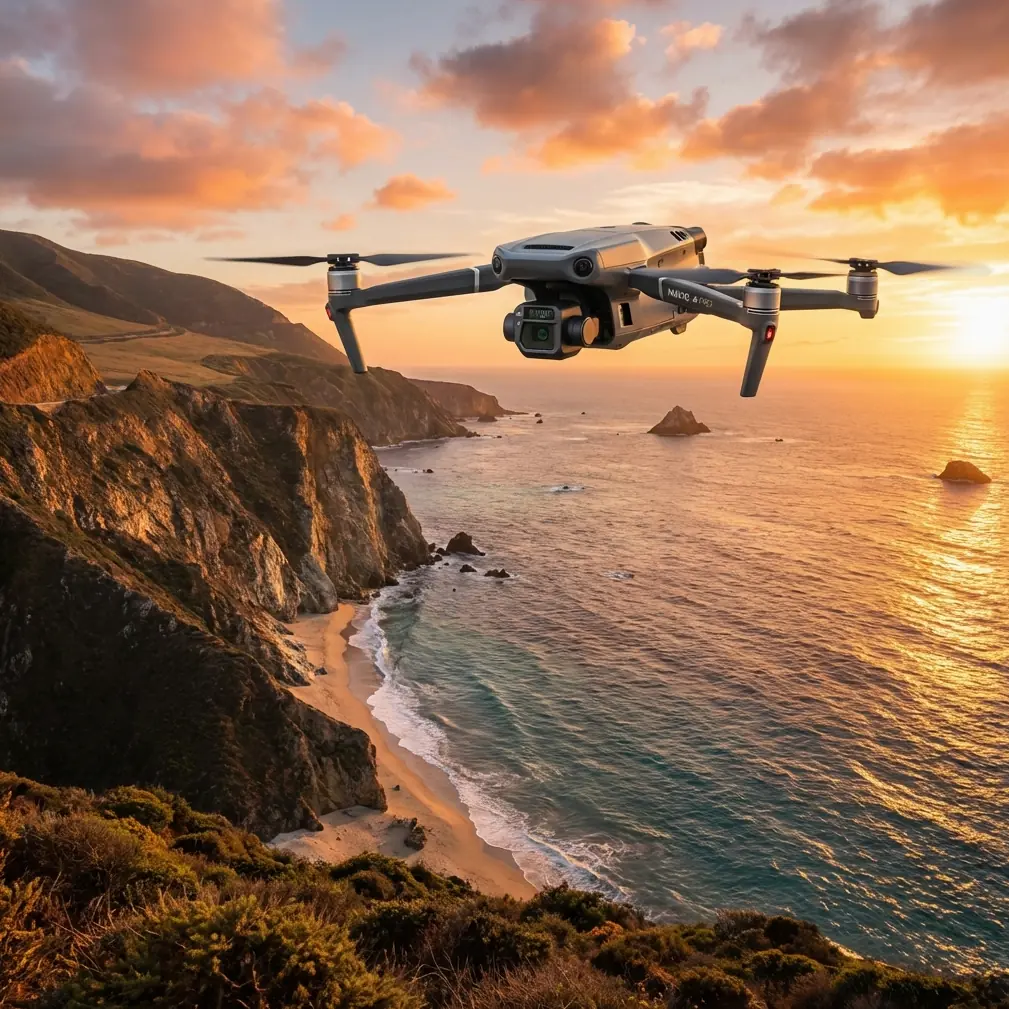
How to Track Coastal Forests with Mavic 3T Drones
META: Learn expert techniques for tracking coastal forests using the Mavic 3T drone. Master thermal imaging, flight planning, and data collection for accurate forest monitoring results.
TL;DR
- Thermal signature detection enables identification of stressed vegetation and wildlife activity beneath dense canopy cover
- O3 transmission maintains stable control up to 15km despite coastal electromagnetic interference
- Strategic GCP placement improves photogrammetry accuracy to sub-centimeter precision for change detection
- Hot-swap batteries enable continuous 90+ minute survey sessions without returning to base
Coastal forest monitoring presents unique challenges that ground surveys simply cannot address. The Mavic 3T combines a 48MP wide camera, 12MP zoom lens, and 640×512 thermal sensor into a single platform that transforms how forestry professionals track vegetation health, detect invasive species, and monitor wildlife corridors.
This tutorial walks you through the complete workflow for deploying the Mavic 3T in coastal forest environments—from pre-flight electromagnetic interference mitigation to post-processing thermal data for actionable insights.
Understanding Coastal Forest Monitoring Challenges
Coastal forests present a convergence of environmental factors that complicate aerial surveys. Salt spray affects equipment longevity. Unpredictable wind patterns demand responsive flight controls. Dense canopy layers obscure ground-level activity.
The electromagnetic environment deserves particular attention. Coastal areas often feature:
- Marine radar installations operating on 2.9-3.1 GHz bands
- Ship-to-shore communication systems
- Weather monitoring stations
- Nearby urban RF pollution
These factors create interference patterns that can disrupt lesser drone systems. The Mavic 3T addresses this through its O3 transmission system, which automatically switches between 2.4 GHz and 5.8 GHz frequencies while maintaining AES-256 encryption for secure data transmission.
Pre-Flight Preparation for Coastal Environments
Site Assessment and GCP Deployment
Before launching, establish your ground control point network. For coastal forest photogrammetry, I recommend placing GCPs at 50-meter intervals along survey boundaries and at key elevation changes.
Position markers in areas with:
- Clear sky visibility for GNSS reception
- Stable ground unlikely to shift between surveys
- Contrast against surrounding vegetation for easy identification
Expert Insight: In coastal environments, place at least two GCPs on elevated terrain features. Tidal influence can subtly shift ground positions in low-lying areas, compromising your photogrammetry baseline over multi-month monitoring campaigns.
Handling Electromagnetic Interference with Antenna Adjustment
During a recent survey of mangrove forests near a commercial shipping port, I encountered persistent signal warnings despite clear line-of-sight to the aircraft. The solution required understanding how the Mavic 3T's antenna system interacts with coastal RF environments.
The remote controller's antennas function optimally when positioned perpendicular to the aircraft. In high-interference zones, follow this protocol:
- Identify interference sources using a spectrum analyzer app before flight
- Position yourself with interference sources behind you when possible
- Angle controller antennas at 45 degrees rather than straight up
- Maintain antenna orientation toward the aircraft throughout the flight
- Monitor signal strength indicators continuously during critical survey passes
This antenna adjustment technique recovered full signal strength in conditions that initially showed only two bars of connectivity.
Battery Strategy for Extended Surveys
Coastal forest surveys often require covering large areas in single sessions to maintain consistent lighting conditions. The Mavic 3T's 46-minute maximum flight time provides substantial coverage, but professional surveys demand more.
Implement a hot-swap battery rotation:
- Carry minimum four fully charged batteries
- Pre-warm batteries in insulated cases during cool coastal mornings
- Execute battery swaps within 90 seconds to maintain survey momentum
- Track individual battery cycle counts to ensure consistent performance
Flight Planning for Forest Tracking
Optimal Flight Parameters
Configure your mission planning software with these coastal forest-specific settings:
| Parameter | Recommended Setting | Rationale |
|---|---|---|
| Flight Altitude | 80-120m AGL | Balances canopy penetration with coverage area |
| Forward Overlap | 80% | Ensures photogrammetry success despite canopy gaps |
| Side Overlap | 75% | Compensates for wind-induced drift |
| Gimbal Angle | -90° (nadir) | Standard for mapping; adjust for thermal passes |
| Speed | 8-10 m/s | Allows thermal sensor adequate dwell time |
| Image Format | RAW + JPEG | Preserves data for advanced processing |
Thermal Survey Timing
Thermal signature detection in forests requires understanding heat differential patterns. Schedule thermal passes during:
- Pre-dawn hours (5:00-6:30 AM) for detecting warm-blooded wildlife
- Late morning (10:00-11:30 AM) for vegetation stress assessment
- Post-sunset (30-60 minutes after) for identifying heat-retaining structures
Pro Tip: Coastal fog often rolls in during early morning hours. Check marine forecasts and plan thermal wildlife surveys for the brief window between fog dissipation and full solar heating—typically 7:30-9:00 AM in most coastal regions.
Executing the Forest Tracking Mission
Multi-Sensor Data Collection
The Mavic 3T's strength lies in simultaneous multi-spectral data capture. Structure your survey passes as follows:
Pass 1: RGB Mapping
- Nadir orientation
- Maximum resolution settings
- Focus on complete coverage
Pass 2: Thermal Sweep
- Slight gimbal angle adjustment to -80 degrees
- Reduced speed for thermal sensor optimization
- Concentrate on areas of interest identified in RGB pass
Pass 3: Zoom Verification
- Manual flight to specific targets
- 56× hybrid zoom for detailed inspection
- Document anomalies identified in previous passes
Real-Time Monitoring Techniques
During active surveys, monitor these indicators on your controller screen:
- Thermal color palette: Switch between WhiteHot and IronBow based on target type
- Histogram display: Ensures proper exposure across varied canopy density
- GPS accuracy indicator: Should maintain RTK-level precision when available
- Storage remaining: Plan landing before reaching 15% capacity
Post-Processing Coastal Forest Data
Photogrammetry Workflow
Import collected imagery into your processing software with attention to coastal-specific considerations:
- Calibrate for atmospheric haze common in marine environments
- Apply GCP corrections before initial alignment
- Set appropriate coordinate systems for coastal datum
- Generate point clouds at maximum density for canopy penetration analysis
- Export orthomosaics at 2cm/pixel resolution minimum
Thermal Data Interpretation
Thermal signature analysis reveals information invisible to standard cameras:
- Vegetation stress: Appears as elevated temperatures compared to healthy plants
- Water stress indicators: Show as 2-4°C warmer than well-hydrated vegetation
- Wildlife presence: Mammals display as distinct heat signatures against cooler forest background
- Invasive species: Often show different thermal profiles than native vegetation
Common Mistakes to Avoid
Ignoring tidal schedules can ruin coastal surveys. Low tide exposes different terrain than high tide, making multi-session comparisons invalid. Always record tidal state in your flight logs.
Underestimating wind acceleration through forest corridors leads to unstable footage. Coastal forests create venturi effects that amplify wind speeds unpredictably. Build 30% additional battery reserve into flight plans.
Neglecting lens maintenance in salt air environments degrades image quality rapidly. Clean all optical surfaces with appropriate solutions before each flight day.
Flying during midday thermal crossover produces unusable thermal data. When ambient and surface temperatures equalize, thermal contrast disappears entirely.
Skipping BVLOS authorization when surveys extend beyond visual range creates legal liability. Coastal forest surveys often require extended range operations—secure proper waivers before mission execution.
Frequently Asked Questions
How does the Mavic 3T perform in high-humidity coastal conditions?
The Mavic 3T operates reliably in humidity up to 95% non-condensing. However, rapid altitude changes in humid conditions can cause lens fogging. Allow the aircraft to acclimate at survey altitude for 3-5 minutes before beginning data collection. Carry silica gel packets to store the drone between flights.
What thermal resolution is needed for wildlife tracking in forests?
The Mavic 3T's 640×512 thermal sensor with 40mK NETD sensitivity detects mammals as small as rabbits from 80 meters altitude. For smaller species or more precise heat mapping, reduce altitude to 40-50 meters where individual pixels represent approximately 5cm ground resolution.
Can I conduct BVLOS operations for large coastal forest surveys?
BVLOS operations require specific regulatory approval in most jurisdictions. The Mavic 3T's O3 transmission supports ranges up to 15km, making it technically capable of extended operations. Work with aviation authorities to obtain necessary waivers, and always maintain a visual observer network for safety compliance during beyond-line-of-sight missions.
Coastal forest tracking with the Mavic 3T transforms environmental monitoring from labor-intensive ground surveys into efficient, repeatable aerial assessments. The combination of thermal imaging, high-resolution photogrammetry, and robust transmission systems addresses the unique challenges these environments present.
Ready for your own Mavic 3T? Contact our team for expert consultation.