
Mavic 3T on Dusty Highways: Field Practices That Matter
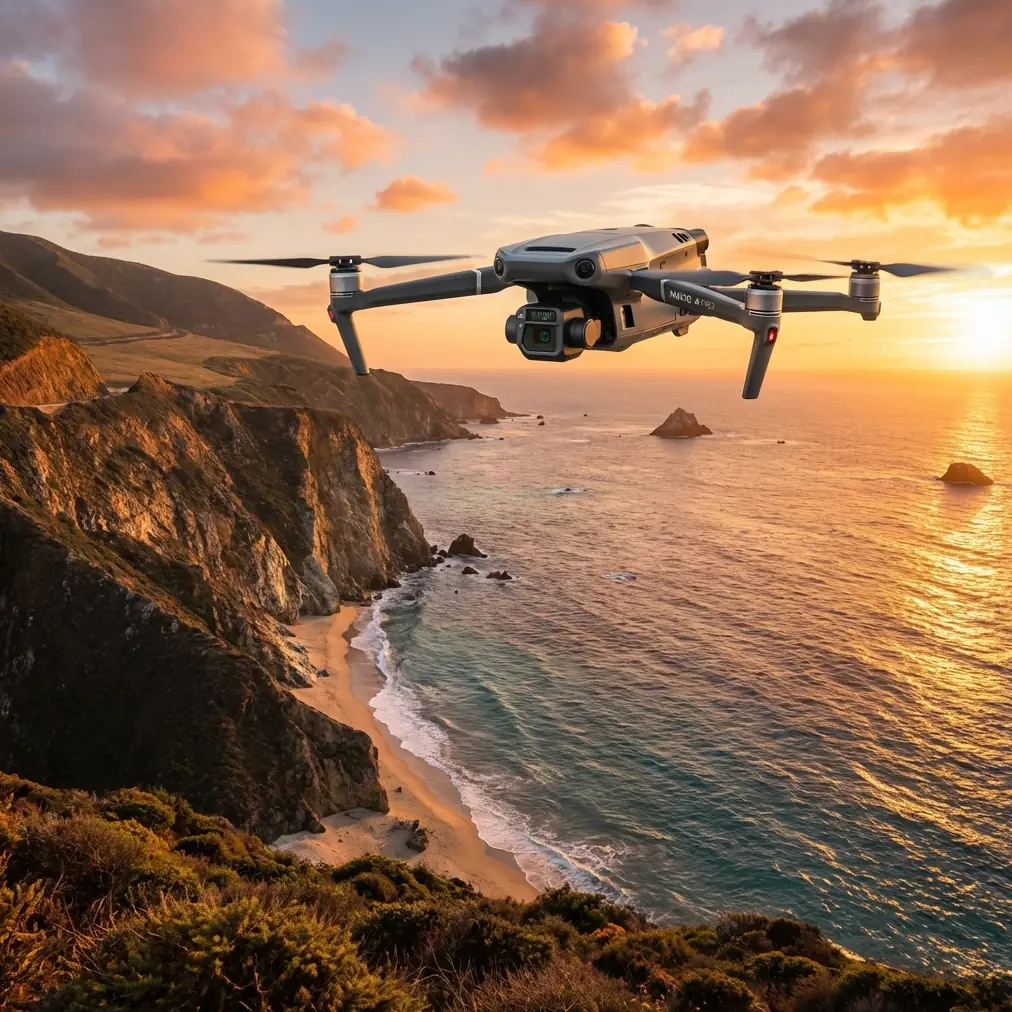
Mavic 3T on Dusty Highways: Field Practices That Matter More Than Spec Sheets
META: Practical Mavic 3T guidance for dusty highway tracking missions, covering false sighting risk, vibration control, inspection discipline, thermal use, battery handling, and dependable field workflow.
I’m often asked a version of the same question: if you had one aircraft for tracking highway activity in dusty conditions, would the Mavic 3T still make sense when the environment is constantly trying to degrade image quality, shorten component life, and create operational confusion?
My answer is yes, but not for the shallow reasons people usually give.
The Mavic 3T is valuable in this kind of work because it sits at the intersection of mobility, thermal awareness, and fast deployment. On a roadside corridor, that combination matters. Dust rises in layers. Heat shimmer distorts detail. Light conditions change quickly as trucks, concrete, and bare soil throw off different reflectance and temperature patterns. A platform that can move fast, reposition easily, and give the crew both visible and thermal context has real practical value.
Still, the aircraft itself is only part of the story. If you are using a Mavic 3T for highway tracking, especially in dusty environments, success usually comes down to three things: whether the crew correctly identifies what they are seeing, whether the aircraft is protected from vibration and shock over time, and whether maintenance discipline is treated as part of the mission rather than something postponed until a fault appears.
That point deserves more attention right now because the public conversation around drones has become noisy. One recent report noted that more than 5,000 alleged drone sightings were reported over just a few weeks, while experts said most of those unusual lights in the sky were probably not drones at all. For commercial operators, that matters more than it may seem.
Why? Because highway missions often happen at dawn, dusk, or night, where distance, glare, dust haze, and moving headlights create visual ambiguity. If crews, stakeholders, or nearby observers are already primed to misidentify ordinary lights as drones, your operation has to be grounded in better evidence. This is one reason the Mavic 3T’s thermal signature layer is so useful operationally. It gives the team another way to validate what the visible camera seems to show. A hotspot on pavement, an idling vehicle on the shoulder, a recently used piece of machinery, or a warm patch near drainage infrastructure can tell a different story than RGB imagery alone. In dusty corridors, thermal doesn’t replace visual interpretation, but it frequently corrects it.
That is not just a nice feature. It reduces bad decisions.
On long highway stretches, especially where access roads are poor and patrol vehicles are bouncing over rough shoulders, shock and vibration become the quiet enemies of drone reliability. This is where the reference material from civil aircraft and reliability design becomes surprisingly relevant to a small platform like the Mavic 3T. One handbook passage makes a key engineering point: vibration isolation and shock reduction are often most effective when designed together rather than treated separately. Another notes that buffering should reduce transmitted force, acceleration, and relative displacement to acceptable levels. Put plainly, if your aircraft, batteries, controller, and payload case are being hammered in transport every day, the issue is not just comfort. It is accumulated mechanical stress.
In the field, I see teams spend heavily on aircraft and then throw the system into generic transport habits. Cases slide in truck beds. Batteries knock against each other. Charging hubs ride unsecured. External monitors sit on foam that is too soft for impact control and too loose for repeatable positioning. That is bad practice for any drone, but on a dusty highway contract it becomes a reliability multiplier because the environment is already harsh.
A better approach borrows directly from that reliability logic. Treat vibration control and shock control as one transport design problem. Your carry setup should do two things at once: isolate persistent road vibration and limit sudden displacement during braking or impacts. The handbooks describe the tradeoff well. A system tuned only for isolation may allow too much movement under shock. A system tuned only for shock restraint may transmit too much vibration. In practical Mavic 3T terms, that means a transport case should not merely be padded. It should hold aircraft arms, gimbal region, batteries, and controller in a way that prevents repeated micro-movement while also avoiding hard collision inside the case during a jolt.
That detail sounds small until you have to explain why a payload alignment issue appeared halfway through a contract.
Dust makes the problem more complicated because it encourages crews to open and close equipment in a hurry. Batteries get swapped beside moving vehicles. Lens surfaces are wiped too aggressively. Ports are exposed during gusty moments that should have been avoided. Over time, that creates the kind of wear pattern that never shows up in marketing photos but definitely shows up in service logs.
For highway tracking, I recommend crews build their workflow around contamination control points. One at launch, one at each battery change, one before vehicle stowage. The launch check is obvious: inspect the airframe, gimbal movement, prop condition, and sensor surfaces. The battery-change check is the one most teams rush. This is where field fatigue starts to creep in, especially during repetitive corridor work.
Here is the battery management tip I give crews after too many dusty roadside deployments: never insert a fresh battery immediately after pulling a hot pack if the aircraft has been sitting in direct sun on the shoulder. Give the bay a brief visual and tactile pause. I am not talking about a long cooling ritual. I mean 30 to 60 seconds to check for dust at the latch path, confirm contact areas are clean, and make sure the replacement pack is not itself heat-soaked from sitting in a vehicle window or dashboard tray. In real work, rushed battery changes cause more preventable interruptions than deep technical faults. The Mavic 3T is quick to redeploy, which is helpful, but that speed can tempt crews into sloppy battery discipline.
If you are managing multiple packs, rotate them by actual usage sequence rather than convenience. Do not keep using the same “easy reach” pair while reserve batteries age unevenly in the case. Over a long project, that habit can create inconsistent mission endurance and confusing battery health behavior. If your operation depends on continuous corridor coverage, battery management is not a clerical task. It is part of airworthiness at the small-UAV level.
That word, airworthiness, is usually reserved for larger aircraft, but the underlying discipline applies cleanly here. One civil aircraft design reference states that when unsafe factors appear in service, authorities may issue instructions that define conditions and limitations for continued use. It also emphasizes something equally useful for drone operators: manufacturers and users should work together on inspection documents and maintenance programs so damage is found before it becomes a fleet-level problem. Replace “fleet” with “your Mavic 3T program” and the lesson is immediate.
Do not wait for a visible failure.
Build inspection intervals around your actual use pattern: dust exposure, number of takeoffs and landings, transport severity, and typical mission length. The same reference discusses reassessing safe-life assumptions using real usage experience, load assumptions, and test results. For highway operations, that means your maintenance logic should reflect the fact that repeated roadside deployments are not the same as occasional clean-site flights. A drone flown twice weekly from paved compounds ages differently from one launched daily beside active traffic and loose aggregate.
This is also why I favor a simple component trend log for Mavic 3T programs. Not a bloated maintenance database. Just something that captures flight hours, cycle count, environmental notes, hard landings, dust severity, and recurring anomalies. If the gimbal starts showing a slight initialization hesitation, if thermal image clarity drops after a series of windy deployments, or if one battery pair consistently reaches return threshold earlier than the rest, that information should be written down before memory smooths it over.
Crews doing highway tracking often assume their core deliverable is situational awareness only. In reality, many projects evolve. A simple monitoring task can turn into asset documentation, drainage review, shoulder erosion assessment, stockpile observation, or progress verification. That is where photogrammetry discipline starts to matter, even on a thermal-capable aircraft. If you expect any data to support measurement, comparison over time, or formal reporting, you need consistency in flight geometry and proper ground control when accuracy matters. GCP use is not mandatory for every corridor check, but when the output is supposed to support engineering interpretation rather than just visual reference, control points separate “useful imagery” from defensible spatial data.
The Mavic 3T is not primarily known as a dedicated large-area mapping machine, and that is exactly the point. On dusty highway work, it often earns its place because it can bridge multiple mission types in a single deployment. You can inspect a heat anomaly, verify vehicle staging, document visible surface condition, and capture reference imagery for later comparison without switching platforms. The value is in reducing operational friction.
Transmission reliability also deserves a practical note. Dusty highway sites often include moving trucks, concrete barriers, steel structures, and variable terrain edges that can interrupt clean signal geometry. Strong O3 transmission performance helps, but crews should not interpret that as a license for lazy positioning. Put the pilot and observer where line quality is preserved, not merely where the vehicle happened to stop. Even in a robust link environment, image confidence matters. If you are evaluating thermal contrast on a distant roadside object, momentary video degradation at the wrong time can turn a clear interpretation into guesswork.
Security is sometimes overlooked in infrastructure work, but it should not be. If your teams are handling road survey imagery, construction progress media, or industrial inspection files, encrypted handling matters beyond the aircraft itself. AES-256 is one of those technical details that sounds abstract until you are moving files between field devices, subcontractors, and reporting systems. A drone program becomes professional not when it flies, but when its data chain is disciplined from capture to archive.
There is another field reality that deserves a blunt sentence: BVLOS interest is rising, but dusty highway operations do not become mature just because someone wants longer coverage. Extended operational concepts only make sense after the basics are under control: accurate identification, repeatable maintenance, stable transport protection, disciplined battery rotation, and data integrity. If the team is still improvising on battery swaps and wiping dust off optics with a shirt sleeve, it is not ready to scale.
So where does that leave the Mavic 3T?
In my view, it remains one of the more practical tools for dusty highway tracking because it reduces deployment friction while giving crews two critical layers of evidence: visible and thermal. But the aircraft performs best when operators think like reliability engineers, not gadget owners. The most useful lessons from the reference material are not abstract. Integrate vibration and shock protection. Reassess maintenance using real field experience. Create inspection routines before damage becomes a recurring operational issue. And remember that seeing something in the sky, or on a screen, does not mean you have identified it correctly.
That last point may be the most relevant of all. With more than 5,000 alleged sightings recently reported and experts warning that most were probably misidentified, disciplined observation has become part of professional drone work. The Mavic 3T gives you tools to observe better. Your procedures determine whether those tools actually produce trustworthy results.
If your team is refining a dusty corridor workflow and wants to compare transport setup, battery rotation habits, or thermal inspection routines, you can message our field team directly here.
Ready for your own Mavic 3T? Contact our team for expert consultation.